
The Ain Ghazal statues
Nine-thousand-year-old plaster with bitumen-rimmed eyes that look back.
Freedom's Falcon — CC BY-SA 3.0 · Mohammad hajeer — CC BY-SA 4.0 · Mohammad hajeer — CC BY-SA 4.0 · Gadora81 — CC BY-SA 4.0
Jordan's national museum, holding two objects with no equal in any museum anywhere — and yet passed by without entering by a great many visitors. The first are the Ain Ghazal statues: half-life-size plaster figures made some nine thousand years ago at Ain Ghazal north of Amman, among the oldest large human statues known in the whole of human history. Their eyes, outlined in bitumen, look back at you, and standing in front of them is like nothing else. The second is the Copper Scroll from the Dead Sea Scrolls — the only one of the Qumran manuscripts written on metal rather than leather, an ancient list of hidden treasure caches, none of which has ever been found. It is displayed here in Amman rather than in Jerusalem. Beyond those, the museum offers a modern chronological display from the Stone Age to the present, clearly labelled in Arabic and English and well explained — among the best-organised in the region, and the best possible preparation before visiting Petra and Jerash. The building is new, air-conditioned and spacious, a refuge on a hot Amman day. It is usually uncrowded, and an hour and a half covers it comfortably.
Nine-thousand-year-old plaster with bitumen-rimmed eyes that look back.
The only Dead Sea Scroll written on metal — a treasure list nothing of which was ever found.
Stone Age to the present, clearly explained — the best preparation for Petra and Jerash.
Ras al-Ain, Amman
 Rainbow StreetA single street in Jabal Amman between the First Circle and downtown, and the pl5 minutes walk4.4
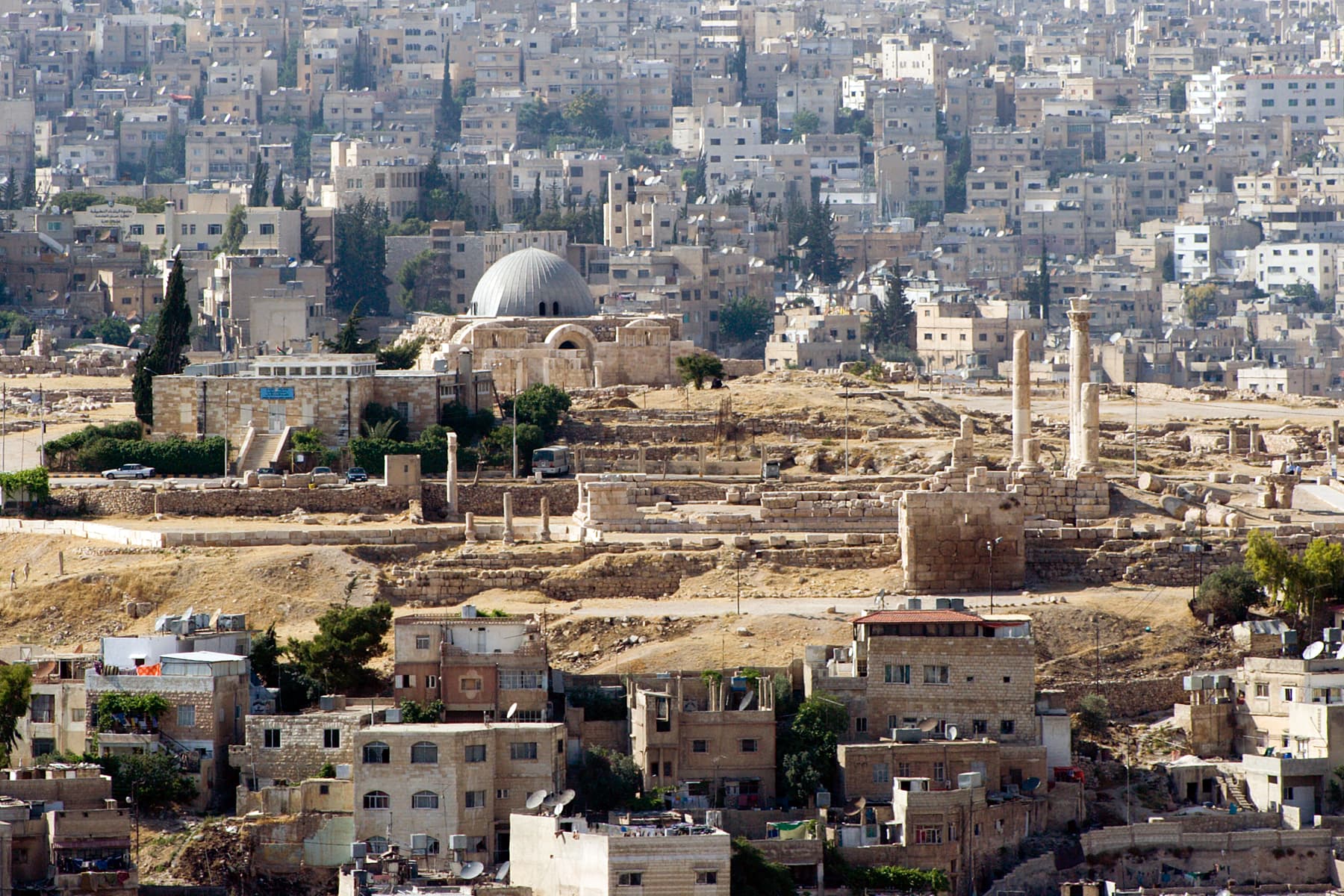 Amman CitadelThe highest of Amman's seven original hills, where every layer of the city stand16 minutes walk4.6
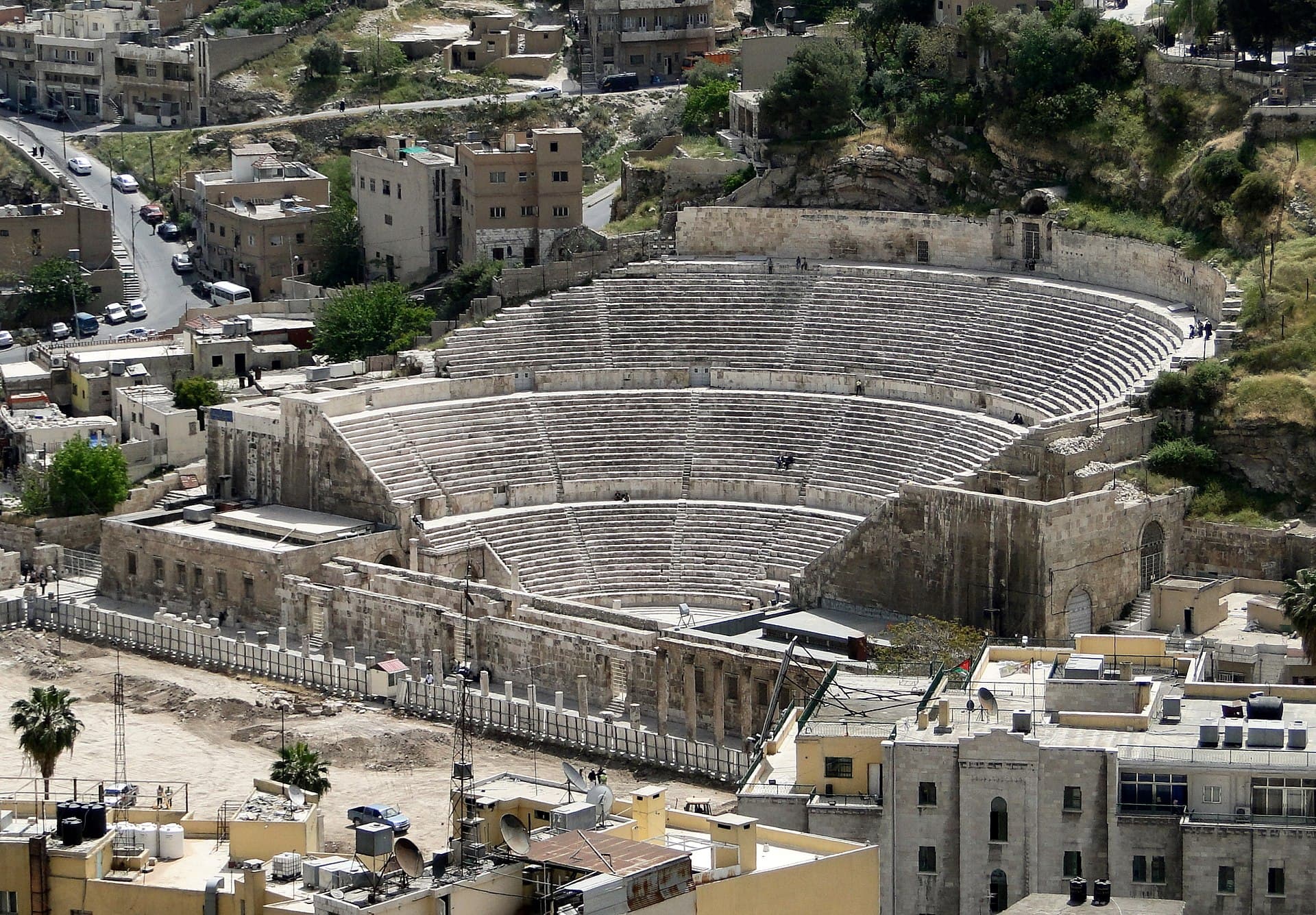 Roman TheatreA Roman theatre cut into the hillside in the middle of downtown, seating six tho17 minutes walk4.6
Before, without question. The museum lays out Jordan's whole chronology and explains the Nabataeans and those before them, so you arrive at Petra knowing what you are looking at. Going afterwards is still useful but loses half its value.
Reasonable rather than excellent. The display is largely traditional with a few interactive screens, and the Ain Ghazal statues genuinely catch their attention. An hour is a sensible limit with them, and the building being cool and spacious helps.