
The gulf panorama
From the ramparts the whole Gulf of İzmir spreads out from Konak to Karşıyaka, at its best at sunset.
Mr. E. Unlu — CC BY 3.0 · Glorious 93 — CC BY-SA 4.0 · Rəcəb Yaxşı — CC BY-SA 4.0 · Rəcəb Yaxşı — CC BY-SA 4.0
This is the hill, 186 metres above the centre of İzmir, where Lysimachus, one of Alexander the Great's generals, refounded Smyrna in the 3rd century BC, and the slopes below it have never been empty since. The name means 'velvet castle', which is a prettier thing than the stones themselves: what stands today are medieval walls and towers on Hellenistic footings, restored in stages by the municipality since 2007, with five towers on the west side and a stretch of the southern wall surviving from the older circuit. Do not come for the ruin as such. It is modest, and nothing on site explains it. Come for the view. From the ramparts the whole Gulf of İzmir opens out: Konak and its harbour directly below, Karşıyaka on the far shore, mountains behind, and the ferries drawing lines across the water between them. In the hour before sunset the gulf turns the colour of hammered copper, and that is the slot worth building the day around. Inside the walls there is a plain tea garden, a big vaulted cistern, Roman in origin by the usual account, rebuilt by the Byzantines and in use into Ottoman times, and the small domed castle mosque, the Kale Mescidi, which an inscription copied by the traveller Evliya Çelebi dates to 1308, making it probably the oldest Turkish building in İzmir; both were restored together in 2015-16. Every Saturday since the summer of 2019 the Pagos producers' market sets up between the walls: olive oil, cheese, honey and tandoor bread from İzmir's villages, many of the sellers women from the neighbourhood itself. It is the best reason to pick a Saturday. Getting up is easy by taxi from Konak in about fifteen minutes, or on bus 33 from the Bahribaba stop near Konak Square. Walking up through the old Agora quarter takes a steep half hour through poor, crumbling lanes; skip it with a pushchair and skip it after dark. The neighbourhood around the castle is hard-up rather than dangerous in daylight, but daylight is the rule, and expect no visitor facilities and no clean toilets. With children the visit is short and easy: the ground inside is mostly level, the grass invites running about, and the tea is priced for locals, not tourists. The thing to watch is what is happening on the north slope below: the excavation of Smyrna's Roman theatre, which seated around twenty thousand and which the municipality is funding through 2027, with a plan to turn the ground between it and the castle into an archaeological park. It is not open to visitors yet, but it belongs to the same ensemble that put Kadifekale, with Kemeraltı and Basmane, on UNESCO's tentative list in 2020 as the Historical Port City of İzmir. In August the sun on this hilltop is merciless: make it the last stop of the day, never the first.
From the ramparts the whole Gulf of İzmir spreads out from Konak to Karşıyaka, at its best at sunset.
A producers' market inside the walls every Saturday selling olive oil, cheese and honey from İzmir's villages.
A large cistern, Roman in origin and in use into Ottoman times, beside the 1308 castle mosque; both restored together in 2015-16.
Kadifekale Mahallesi, Konak, İzmir
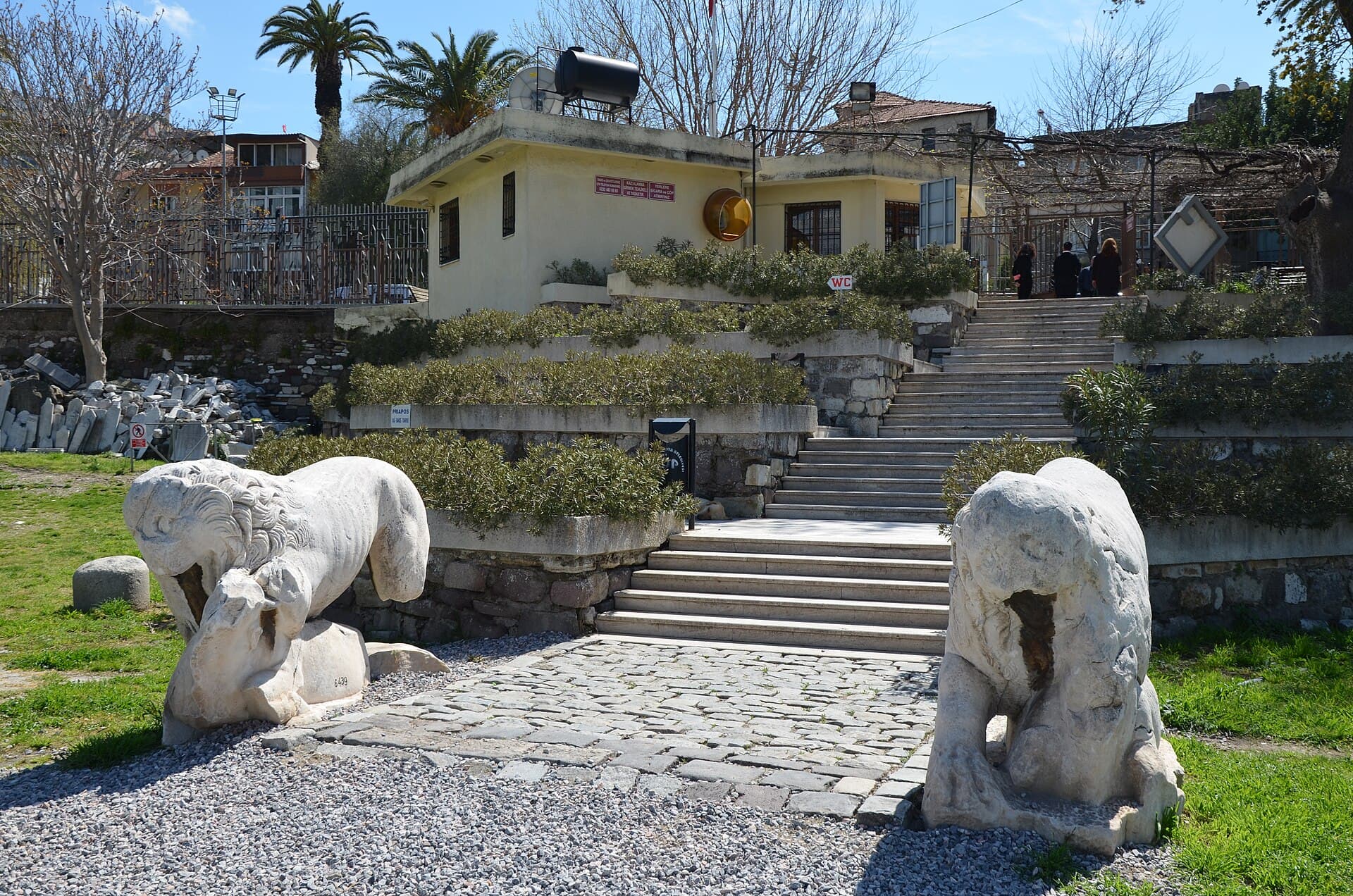 Agora of SmyrnaA few hundred metres uphill from Izmir's old bazaar, ten minutes on foot from Ko11 min walk4.6
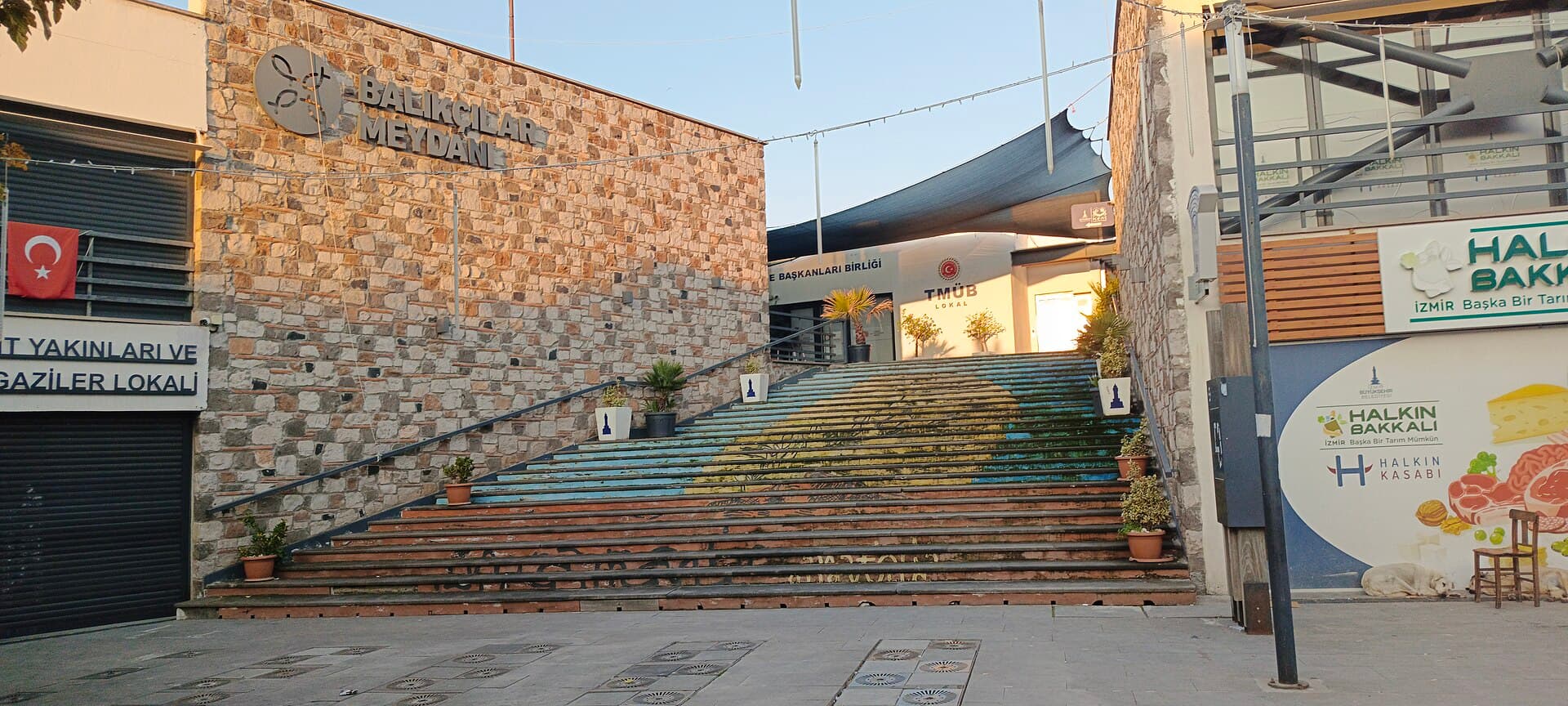 Kemeraltı BazaarThe lanes you thread today between gold shops and spice sacks were, four centuri16 min walk4.3
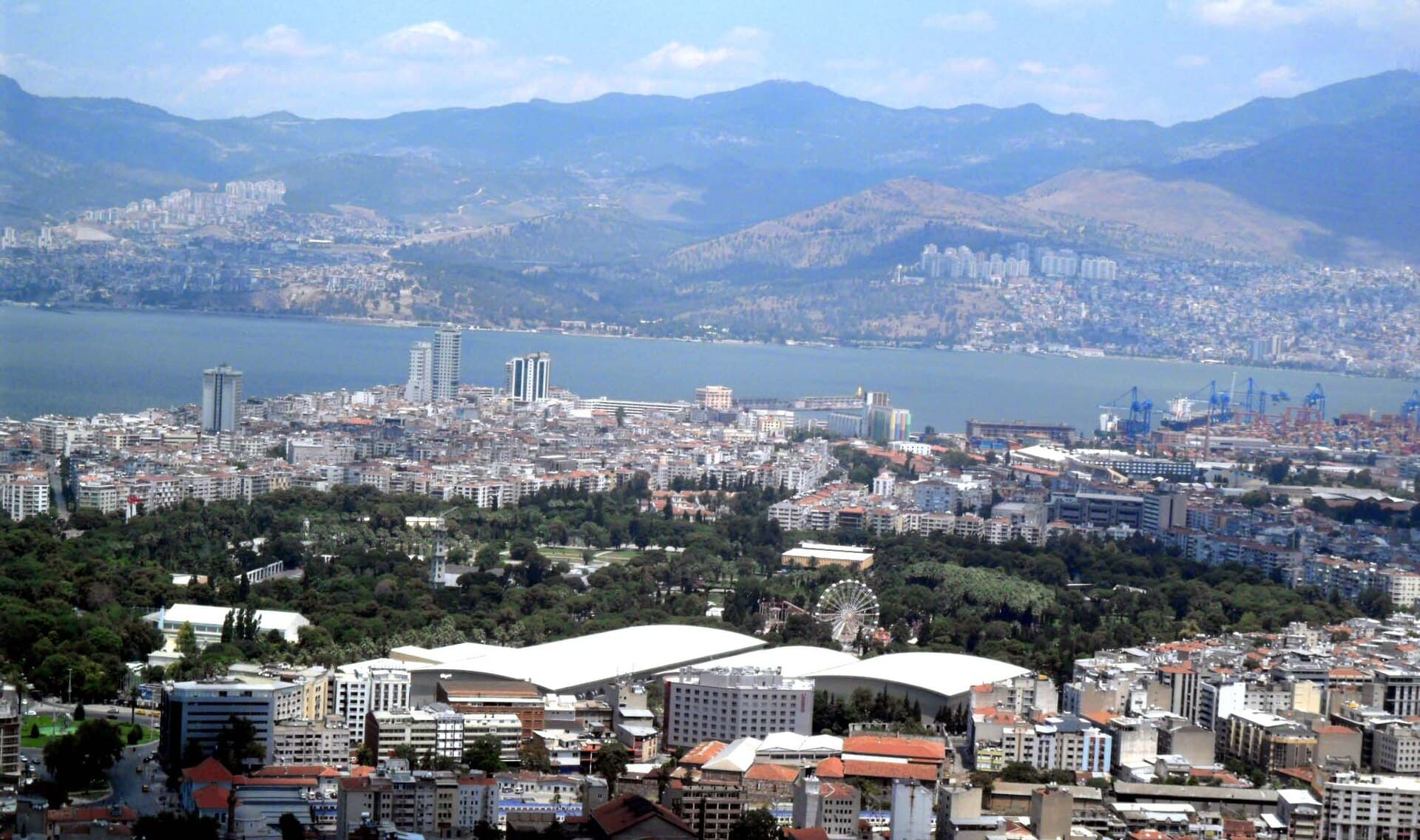 KültürparkThe quarter that burned in the great fire of 1922 was never rebuilt. Its rubble 19 min walk4.4
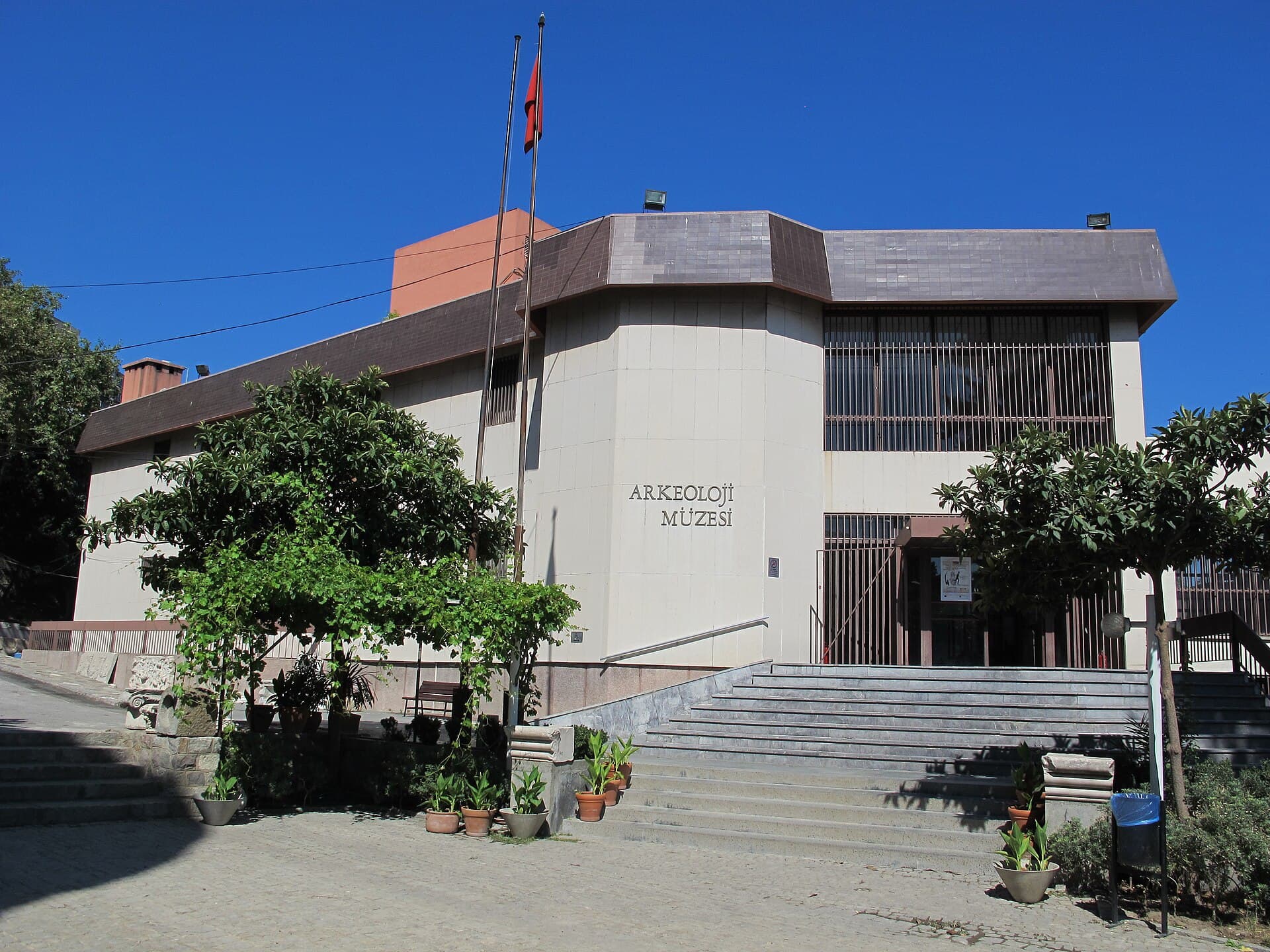 İzmir Archaeological MuseumThe star exhibit was never dug up; it was hauled out of the sea. A bronze runner19 min walk4.3
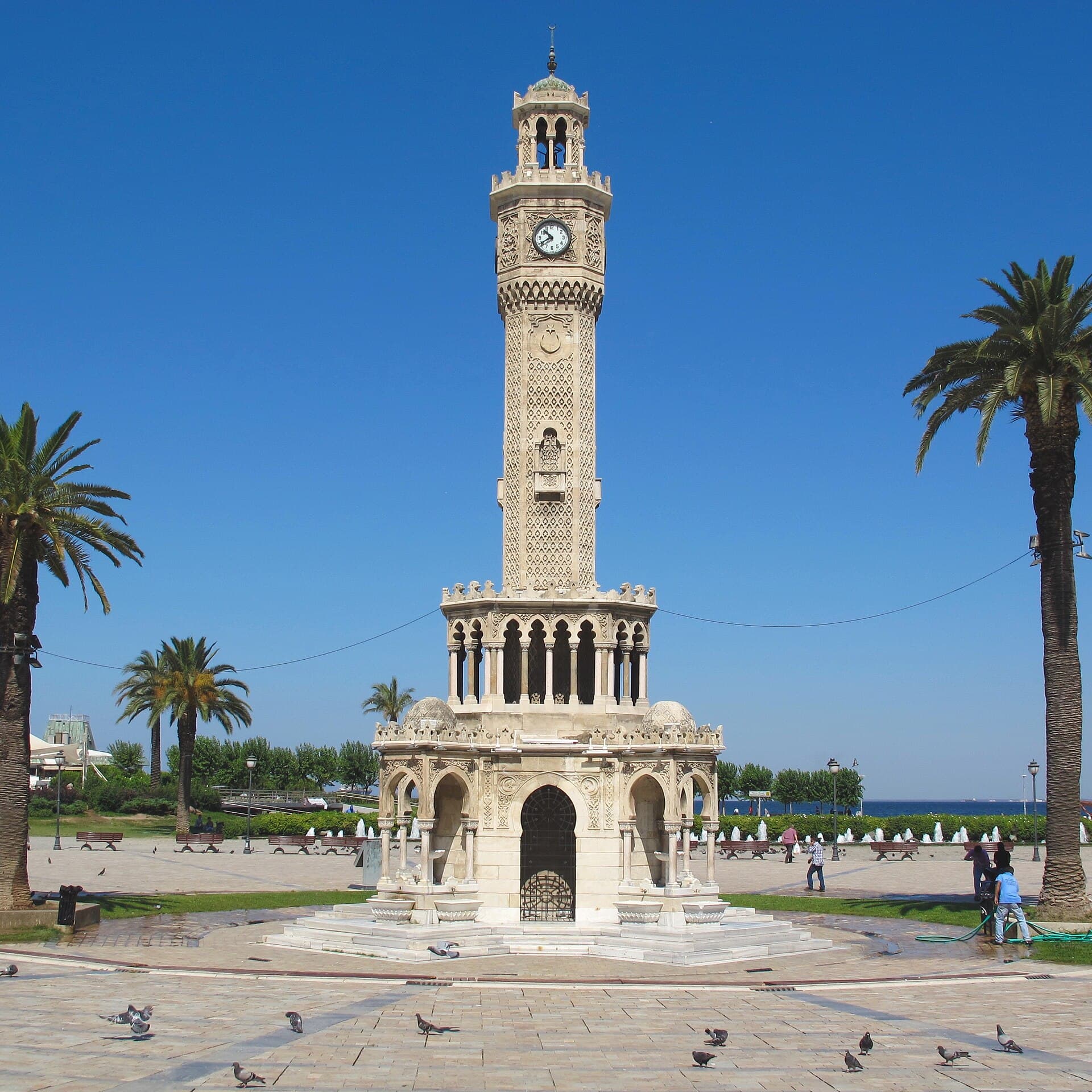 İzmir Clock TowerThis is the image İzmir chooses for itself: it is the emblem of the Metropolitan20 min walk4.8
With a single day, the Roman Agora and Kemeraltı matter more. Go up to Kadifekale only for the sunset view, by taxi rather than on foot, and expect the whole visit to take an hour at most.
In daylight, yes; the neighbourhood is poor rather than dangerous, and inside the walls you will find local families and children. Avoid walking up through the lanes, do not linger after dark, and do not count on decent toilets.
Sign in to write your review of this place.
No reviews yet — be the first.