
The giant water lily
Round leaves two and a half metres across.
Thermos — CC BY-SA 2.5 · Marit Henriksson — CC BY-SA 4.0 · Nucatum amygdalarum — CC BY-SA 4.0 · Nucatum amygdalarum — CC BY-SA 4.0
The Kaisaniemi Botanic Garden belongs to the University of Helsinki and lies minutes' walk from the central station — an unexpected refuge in the middle of the city. The outdoor garden is free and large, but what earns the ticket is the run of **ten connected glasshouses**, built from 1889: a tropical section with palms and bananas, a desert section of cacti, and a water section holding the **giant water lily** — whose round leaves reach two and a half metres and carry real weight, and which is what people come to see. **This is where the real value lies**: in a Helsinki winter, when the temperature is below freezing and the day is five hours long, you step into a hot humid glasshouse full of tropical plants. That contrast is the reason to go, more than the plants themselves — which is why **winter is the garden's best season** rather than summer. The outdoor garden is free and open; the glasshouses are ticketed with limited hours.
Round leaves two and a half metres across.
Heat, humidity and palms in the Helsinki winter.
Unioninkatu 44, Helsinki
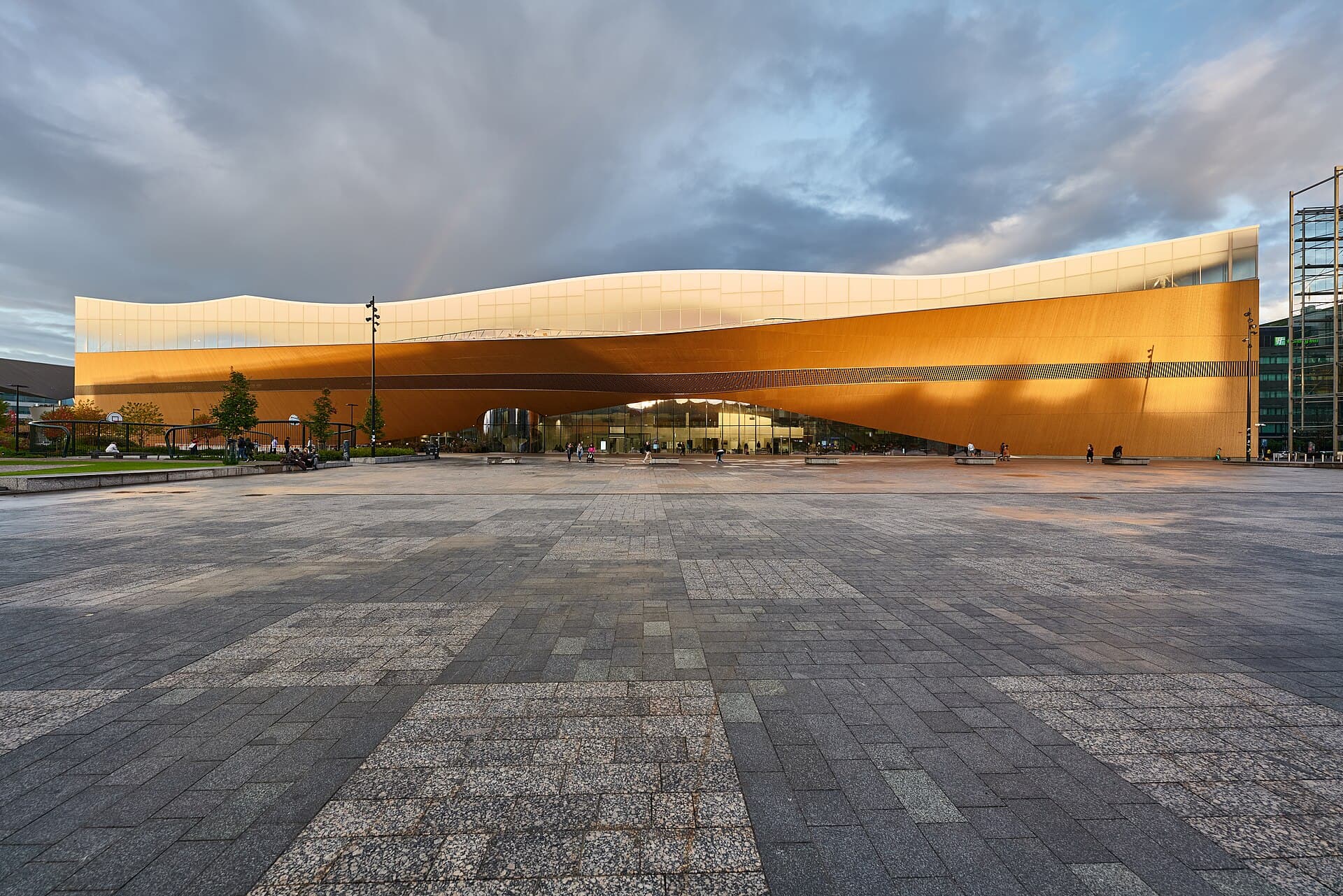 Oodi Central LibraryThe most famous library in the world today: Oodi (2018) was Finland's gift to it4 minutes walk4.9
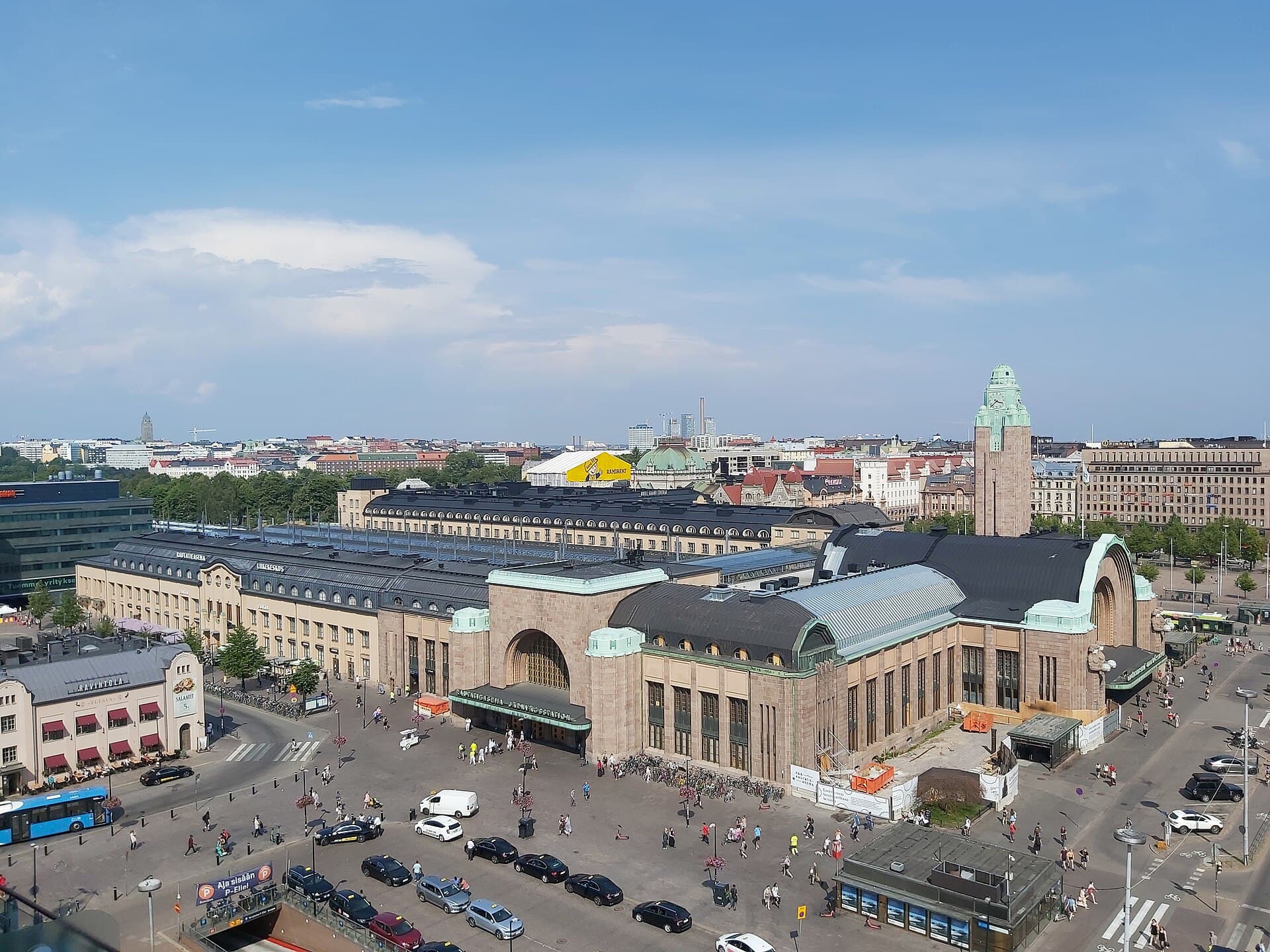 Helsinki Central StationHelsinki Central Station is among Finland's best-known buildings, designed by **5 minutes walk4.2
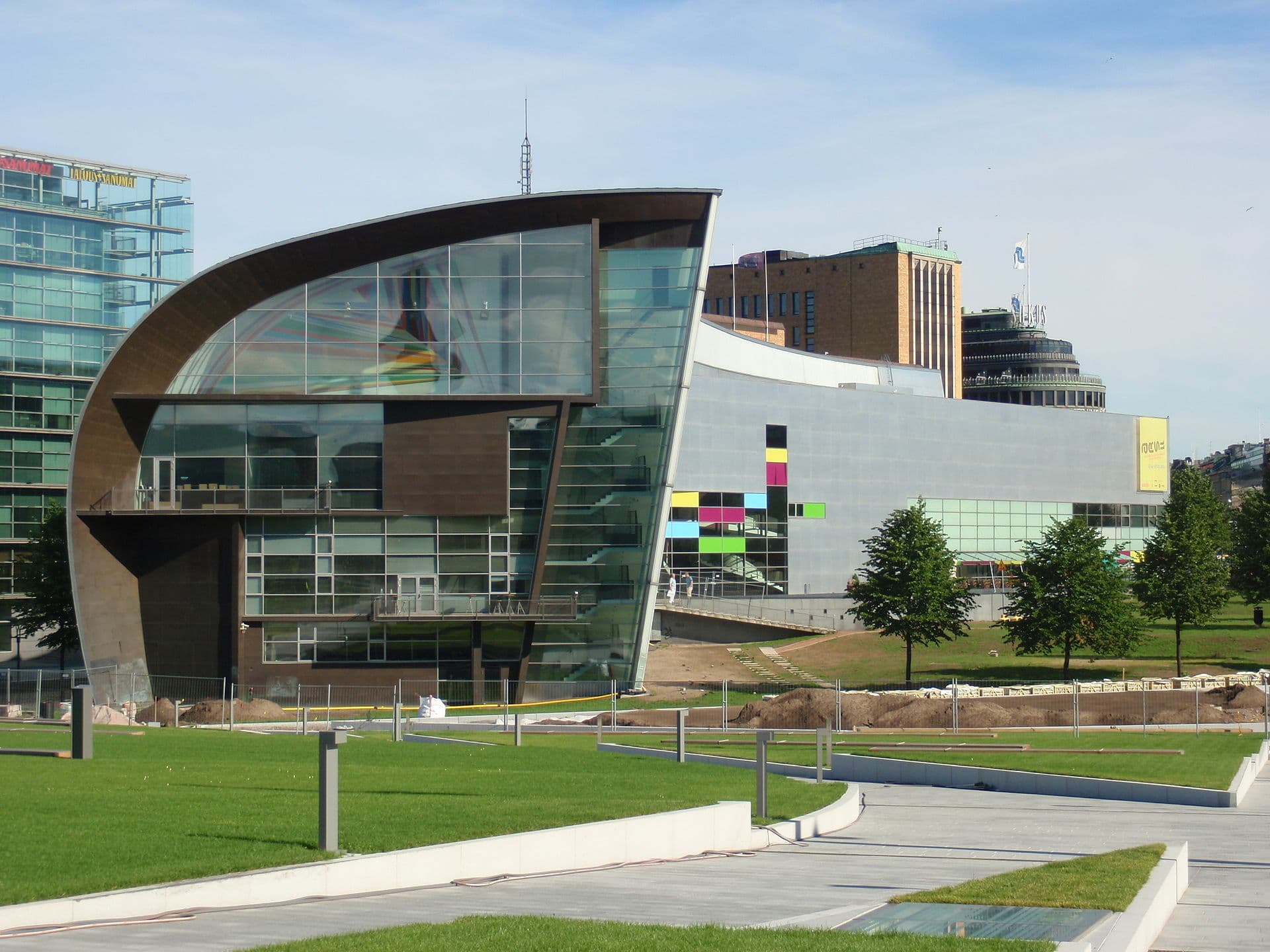 Kiasma Museum of Contemporary ArtA building curving like a wave of zinc and glass in the city centre: Kiasma by t6 minutes walk4.3
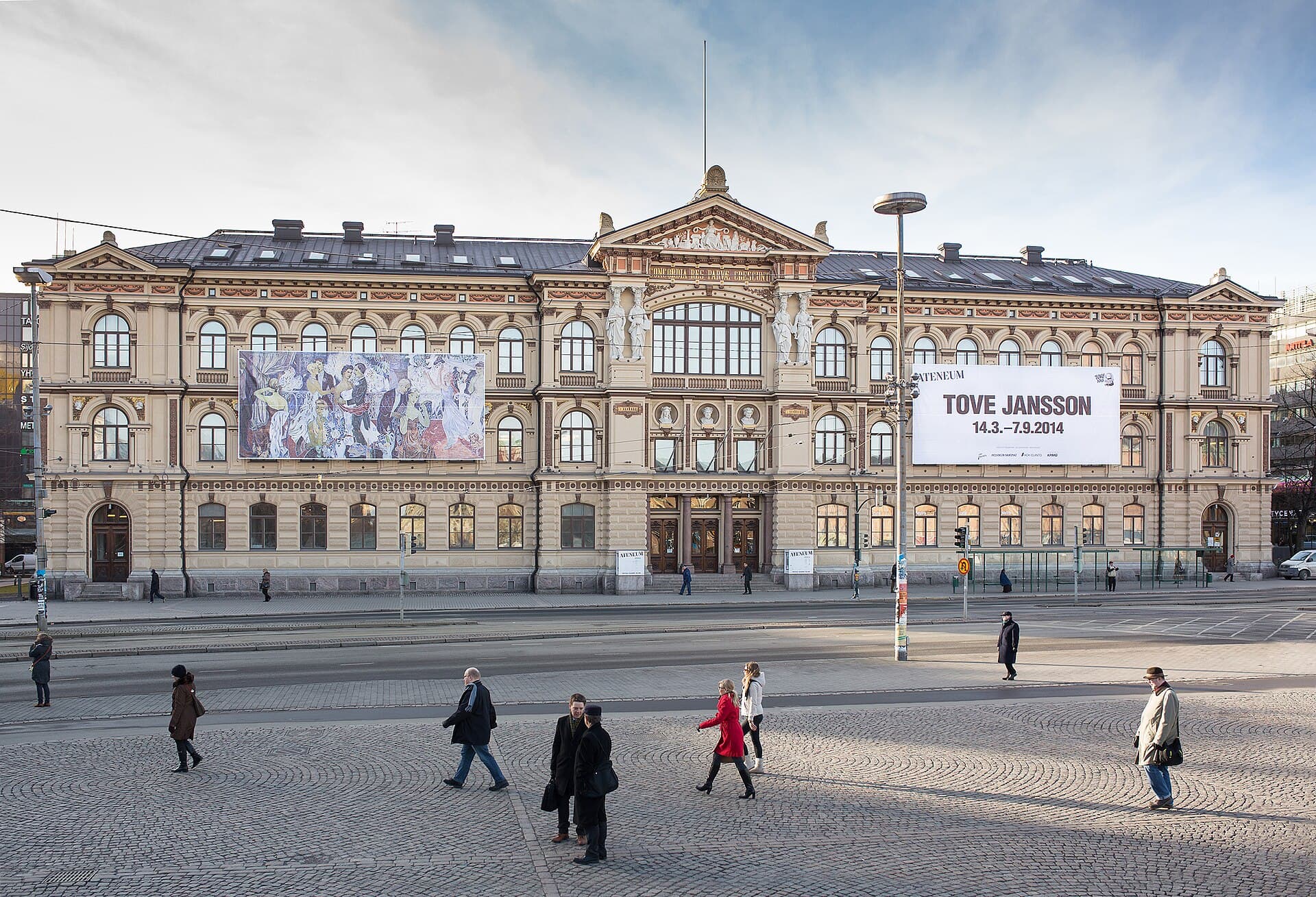 Ateneum Art MuseumFinland's largest classical art collection: the Ateneum, opposite Central Statio7 minutes walk4.5
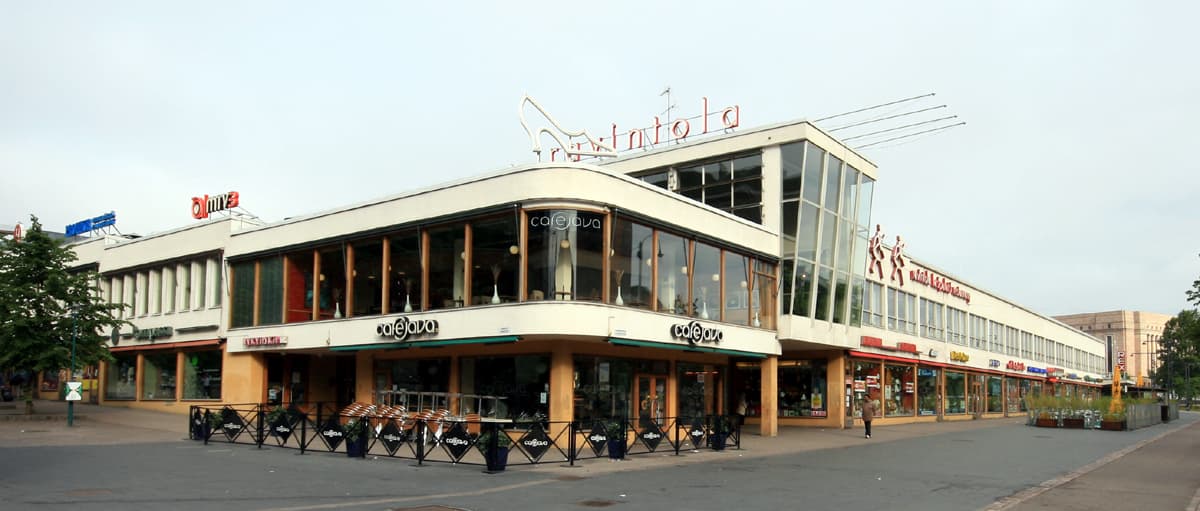 Amos RexAmos Rex is the most talked-about building opened in Helsinki this century, and 8 minutes walk4.3
Hard but manageable, and completely different. Temperatures run from zero to minus twenty, the December day is about six hours, and the sun stays low all day. But the city is built for it: everything is heated, transport runs in snow, and pavements are cleared. **What is specifically worth it in winter**: public saunas and ice swimming, the Christmas markets, these glasshouses, museums without crowds, and a chance of the northern lights further north. **What you need**: layers, boots with a sole that grips ice, and gloves — the last matters more than you think. Prices and crowds are clearly lower than in summer.