
The blue light
Chartres glass fills the space with no other source.
nl:User:GerardM — CC BY-SA 3.0 · Tenzin Peljor — CC BY-SA 2.0 · Flibust1er — CC BY 4.0 · Jorge Franganillo — CC BY 2.0
The Kaiser Wilhelm Memorial Church is Europe's most famous deliberately preserved ruin: a decapitated tower, its upper half destroyed in a 1943 raid, left standing with its broken edges in the middle of west Berlin's smartest shopping street. When demolition was proposed in the 1950s to build a modern church, Berliners objected strongly — and the solution was to leave the shattered tower exactly as it stood and build around it. The city nicknamed it, with bitter humour, the hollow tooth, and the name stuck. Inside the old tower a small memorial hall preserves original mosaics from the pre-war church, together with photographs of the building intact — a harsh and deliberate contrast with what stands above it. The adjoining new building is radically different: an octagonal block whose walls hold some twenty thousand pieces of blue stained glass made at Chartres in France. You step in from the noise of the Kurfurstendamm and are flooded by total blue light with no other source — one of the most powerful interiors in Berlin, and free to enter.
Chartres glass fills the space with no other source.
Original pre-war mosaics.
Breitscheidplatz, 10789 Berlin
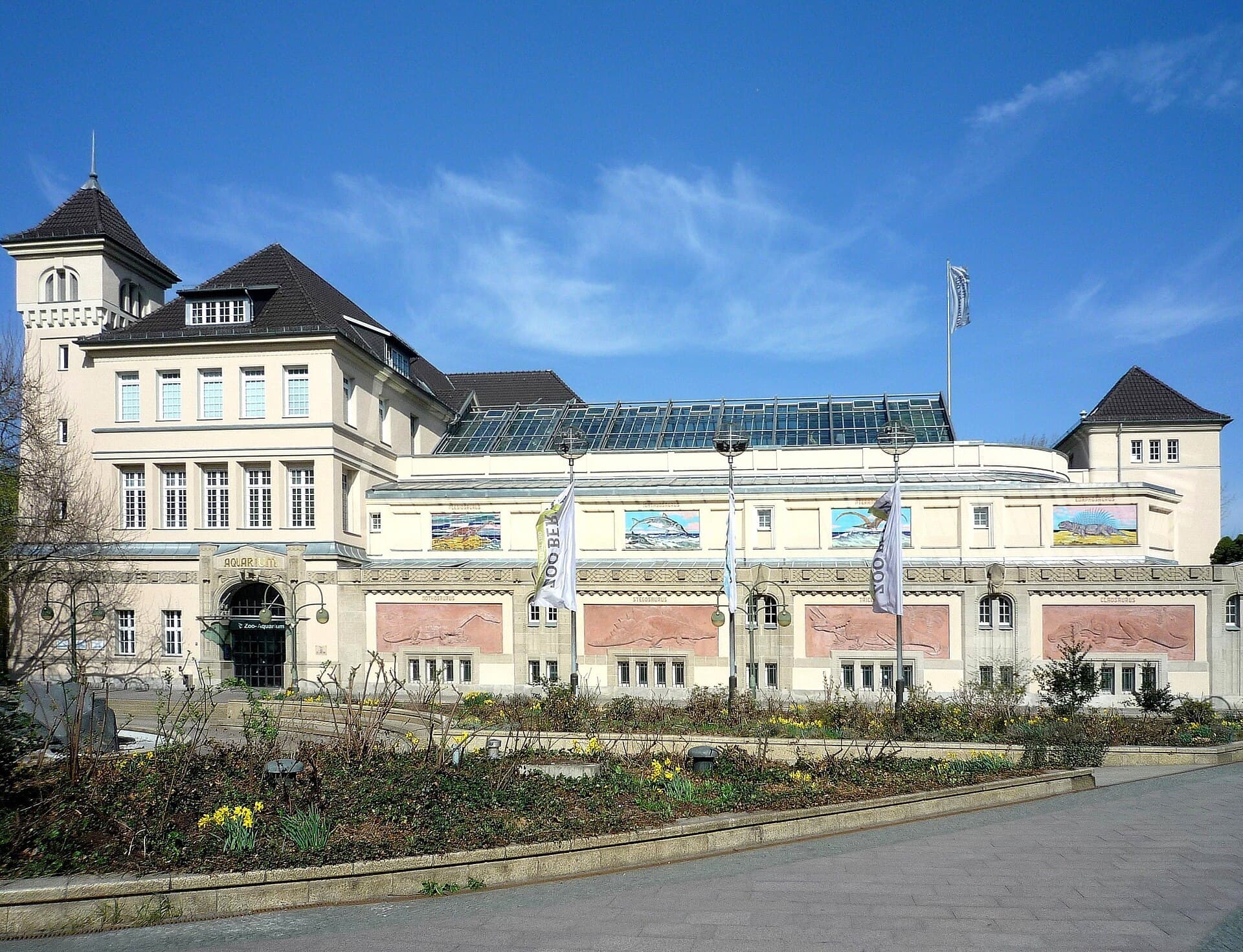 Berlin AquariumThe Berlin Aquarium is a historic three-storey building attached to the zoo, ope5 minutes walk4.6
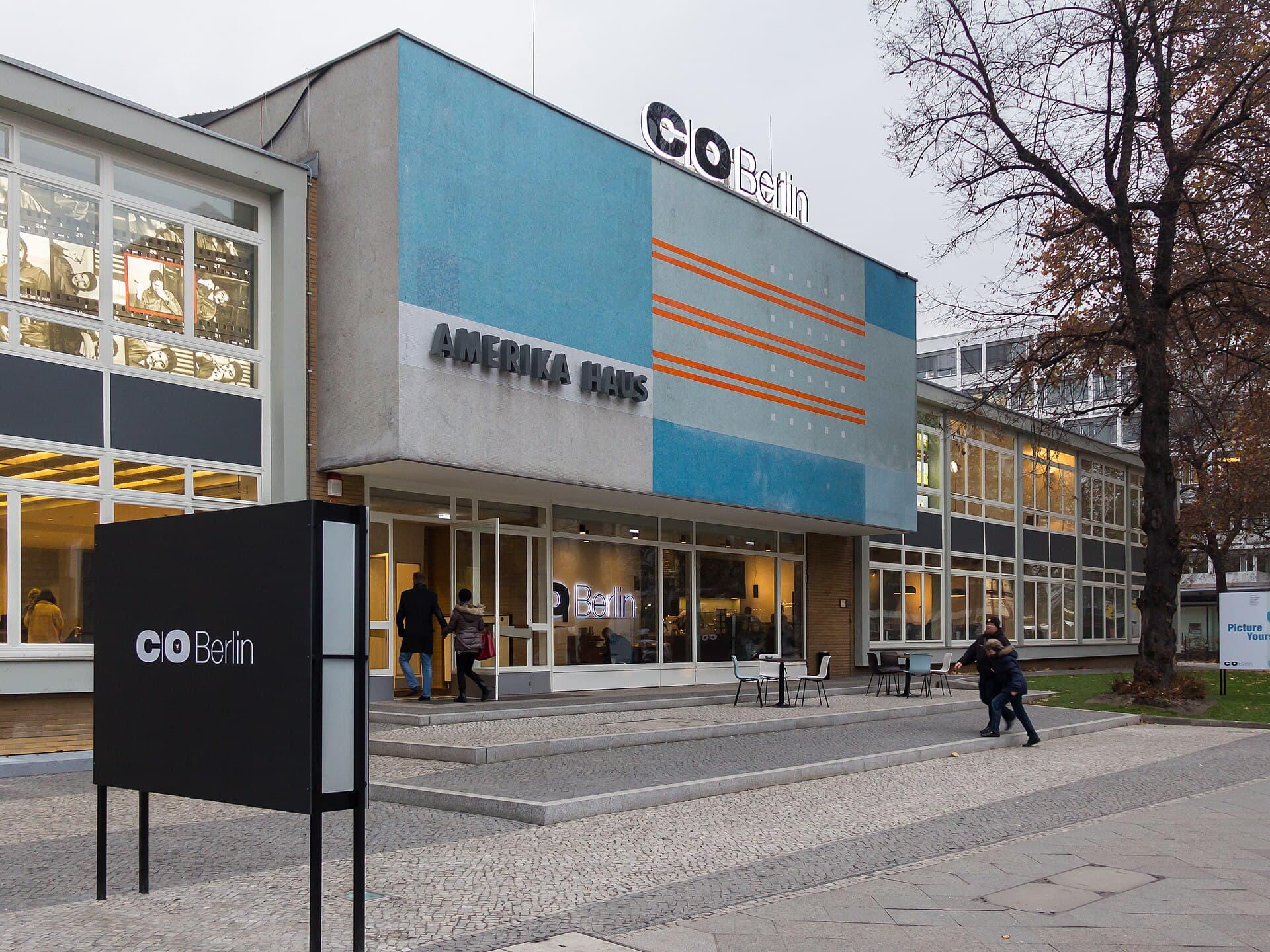 C/O BerlinC/O Berlin is an independent institution for photography, founded in 2000 and no5 minutes walk4.7
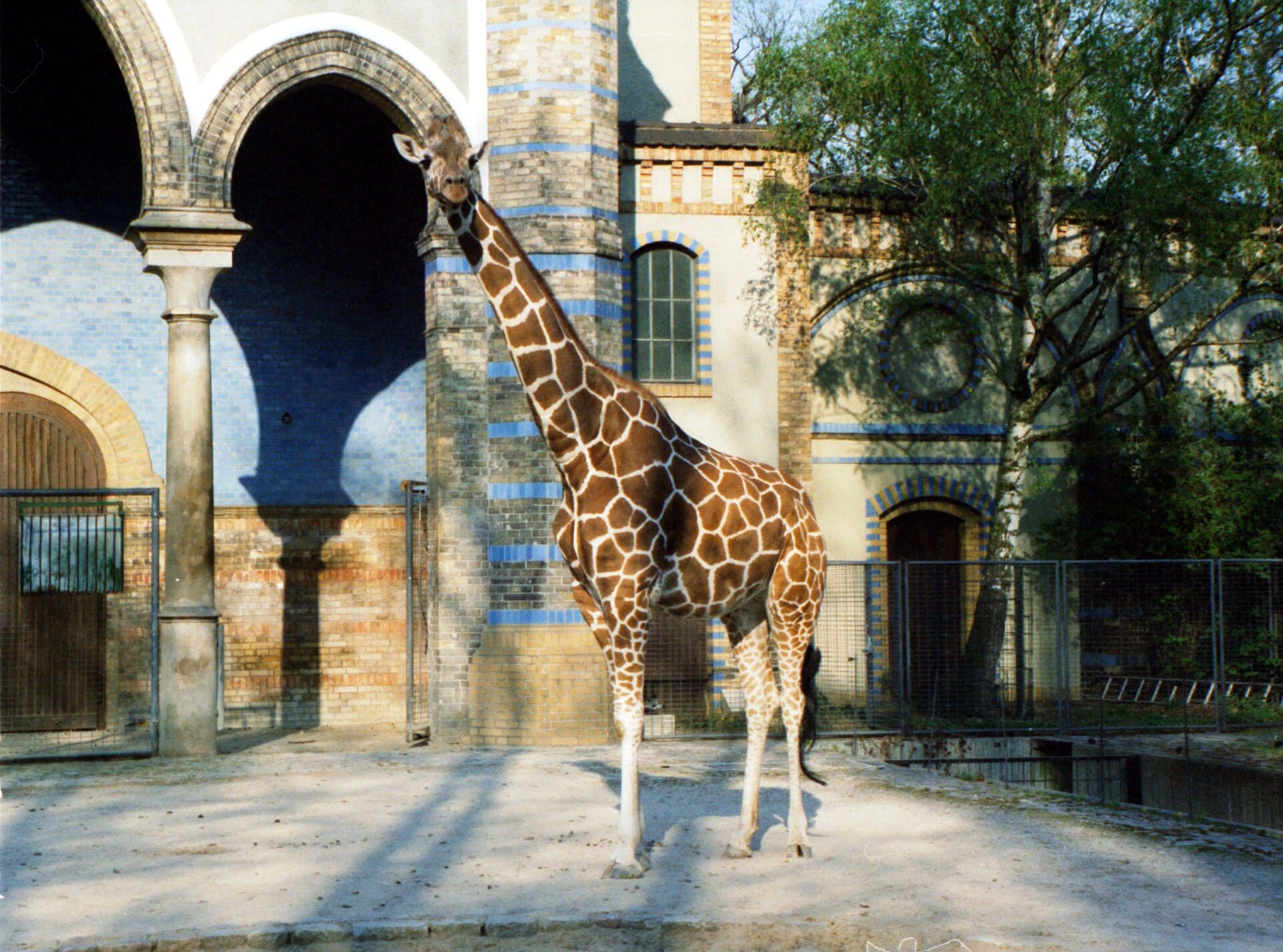 Berlin Zoological GardenBerlin's zoo is the oldest in Germany, opened in 1844 with animals the king gave5 minutes walk4.6
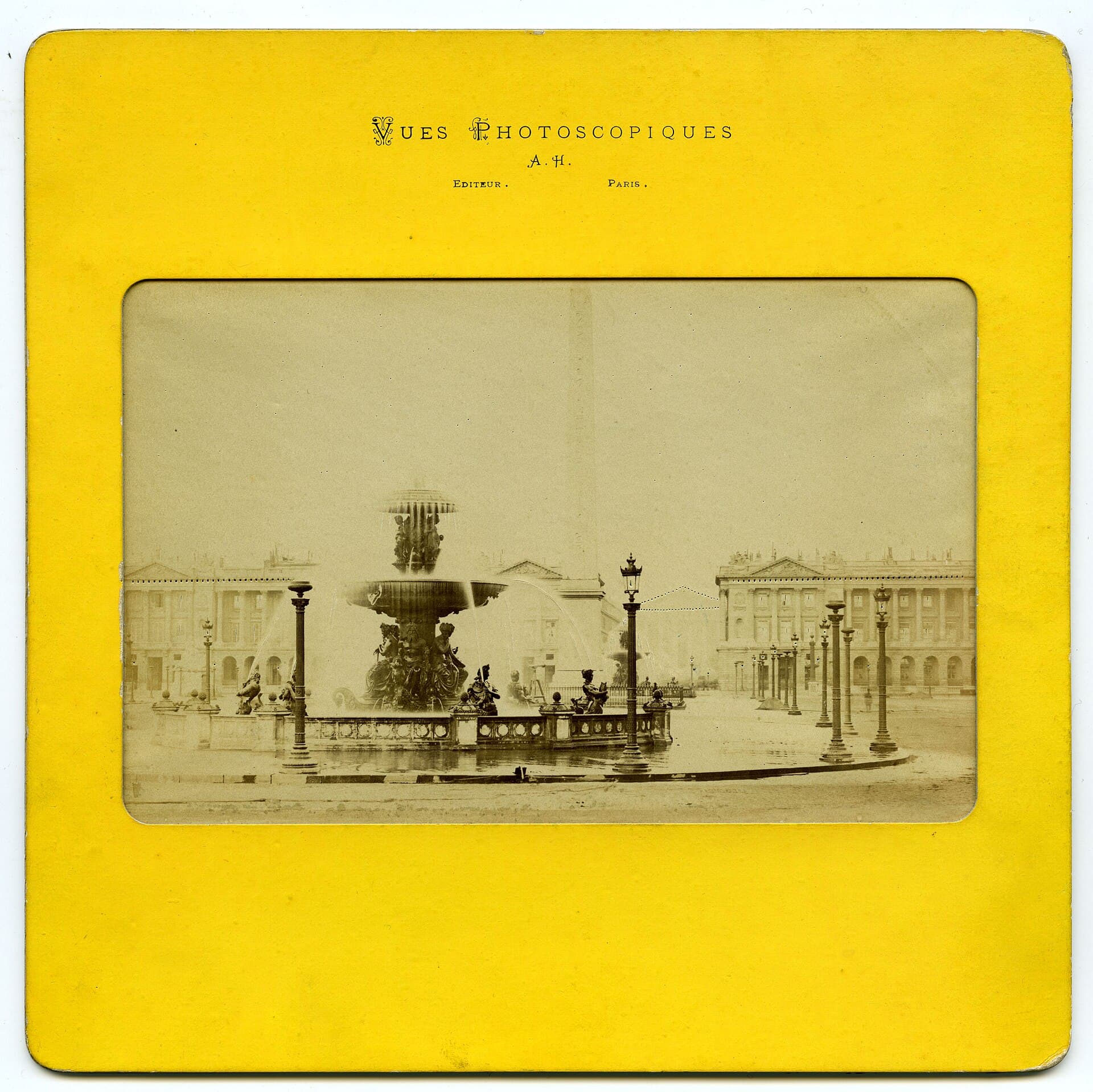 Museum fur FotografieBerlin's photography museum is built around a single archive: the collection of 5 minutes walk4.5
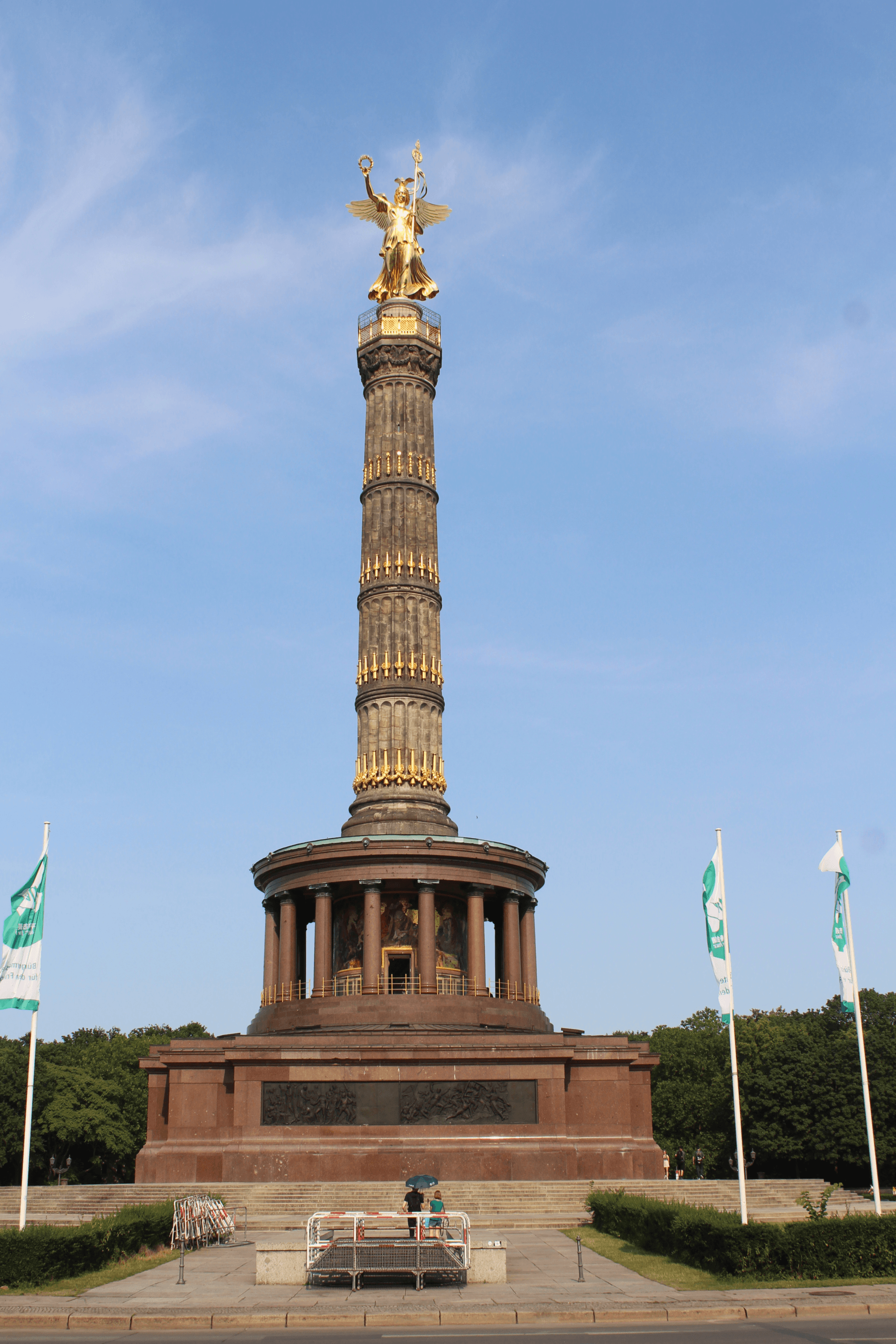 Victory ColumnThe Victory Column is a tall stone column in the middle of the Tiergarten park, 19 minutes walk4.5
Because Berliners explicitly refused when it was proposed in the 1950s — they saw the broken tower as physical testimony to what the war did to their city, and restoration as erasing that testimony. The decision was early and unusual in a Europe then committed to complete reconstruction, and it later became a model for how Germany treats the traces of the war.