
The Kaisersaal
A grand ceremonial space for temporary shows.
UnknownUnknown — Public domain · SeargeantSnack — CC BY-SA 4.0 · JoachimKohler-HB — CC BY-SA 4.0 · Adolfo Fasari — Public domain
Berlin's photography museum is built around a single archive: the collection of Helmut Newton, the German-Australian photographer who changed fashion photography in the 1970s and 80s with his severe, high-contrast style. Newton was born in Berlin in 1920 and fled it as a young Jewish man in 1938, returning sixty years later when he decided to give his archive to his city. The ground and first floors show his work and personal effects, including his entire Monte Carlo office moved and reassembled as it stood, his car and his luggage — a display that verges on autobiography. Newton died in 2004, months after the museum opened, and is buried in Berlin. The top floor is something else entirely: the restored Kaisersaal, a grand late-nineteenth-century ceremonial space with great height and an ornamented ceiling, used for major temporary photography exhibitions drawn from the state museum collections. The contrast between the floors — intimate and personal below, ceremonial and official above — is an authentic part of the experience.
A grand ceremonial space for temporary shows.
His car, luggage and personal office.
Jebensstrasse 2, 10623 Berlin
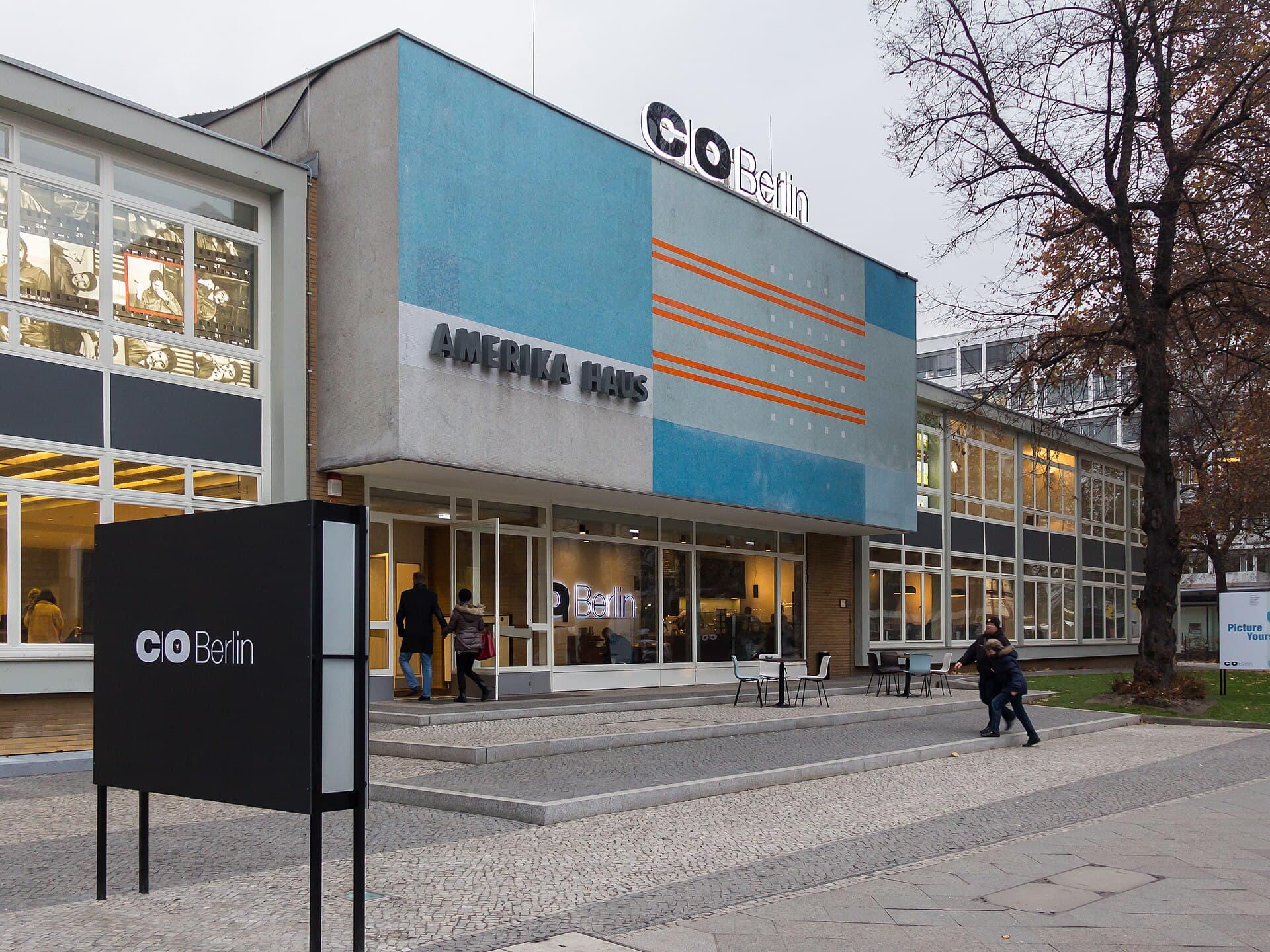 C/O BerlinC/O Berlin is an independent institution for photography, founded in 2000 and no2 minutes walk4.7
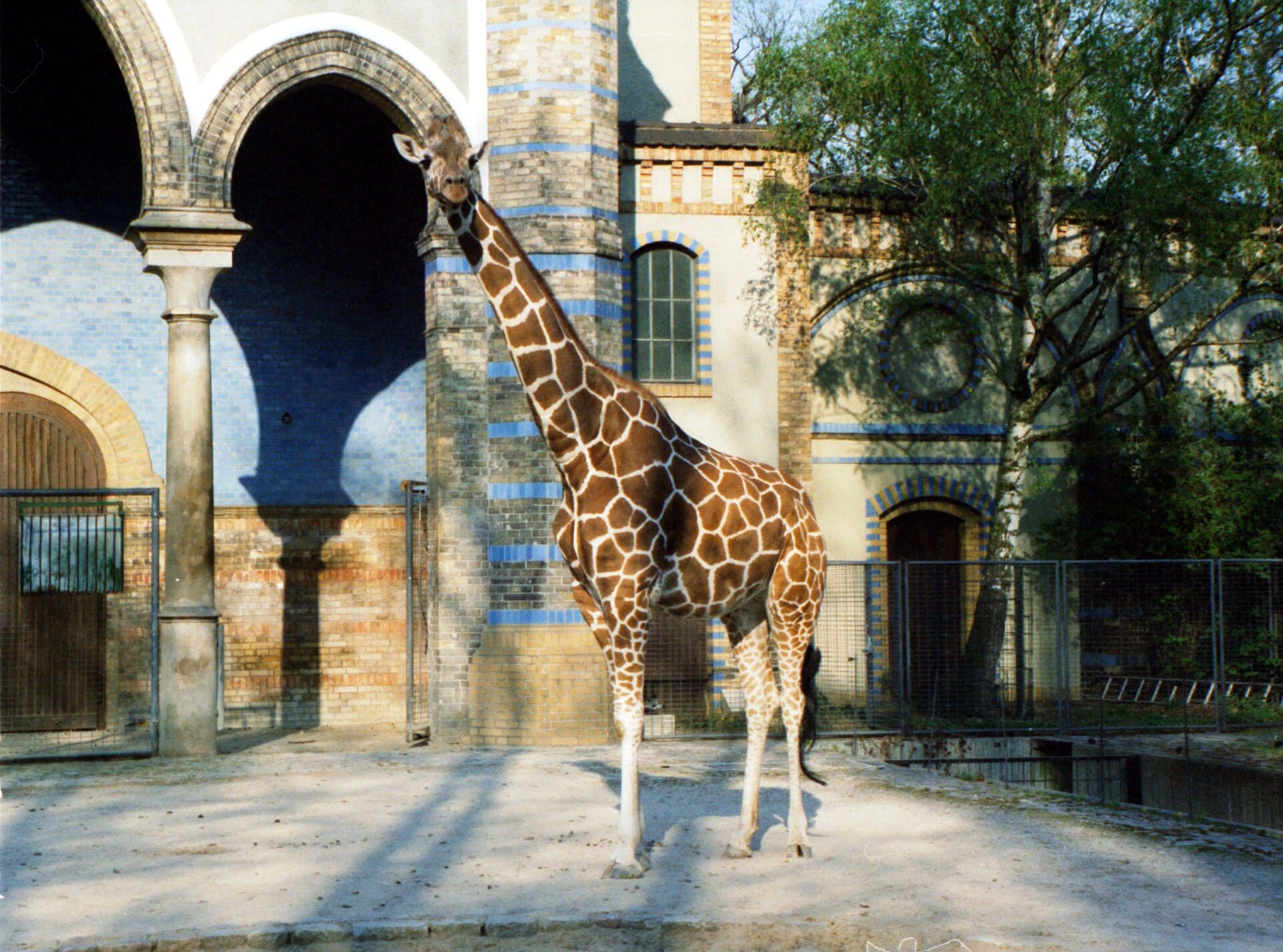 Berlin Zoological GardenBerlin's zoo is the oldest in Germany, opened in 1844 with animals the king gave5 minutes walk4.6
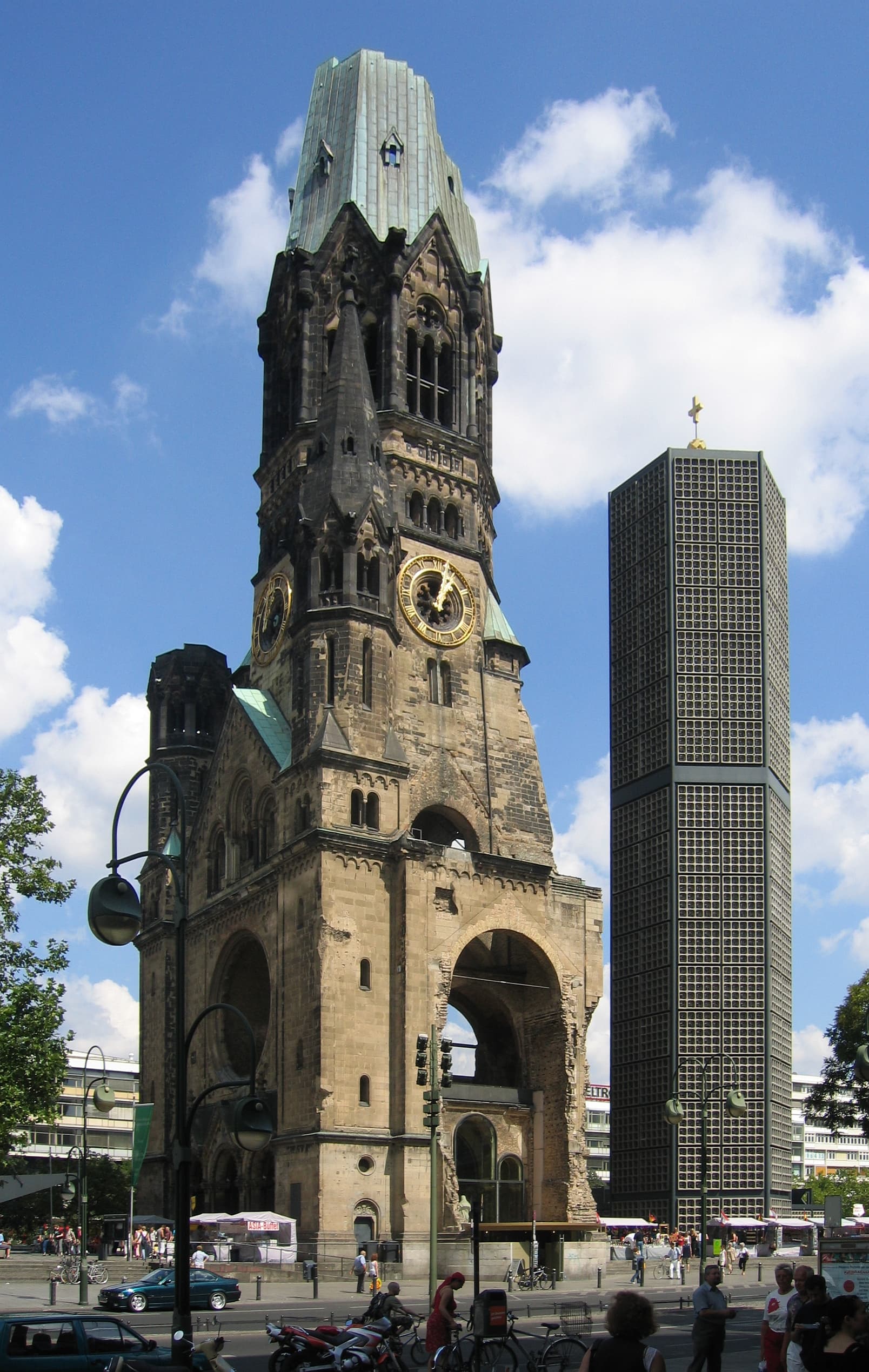 Kaiser Wilhelm Memorial ChurchThe Kaiser Wilhelm Memorial Church is Europe's most famous deliberately preserve5 minutes walk4.7
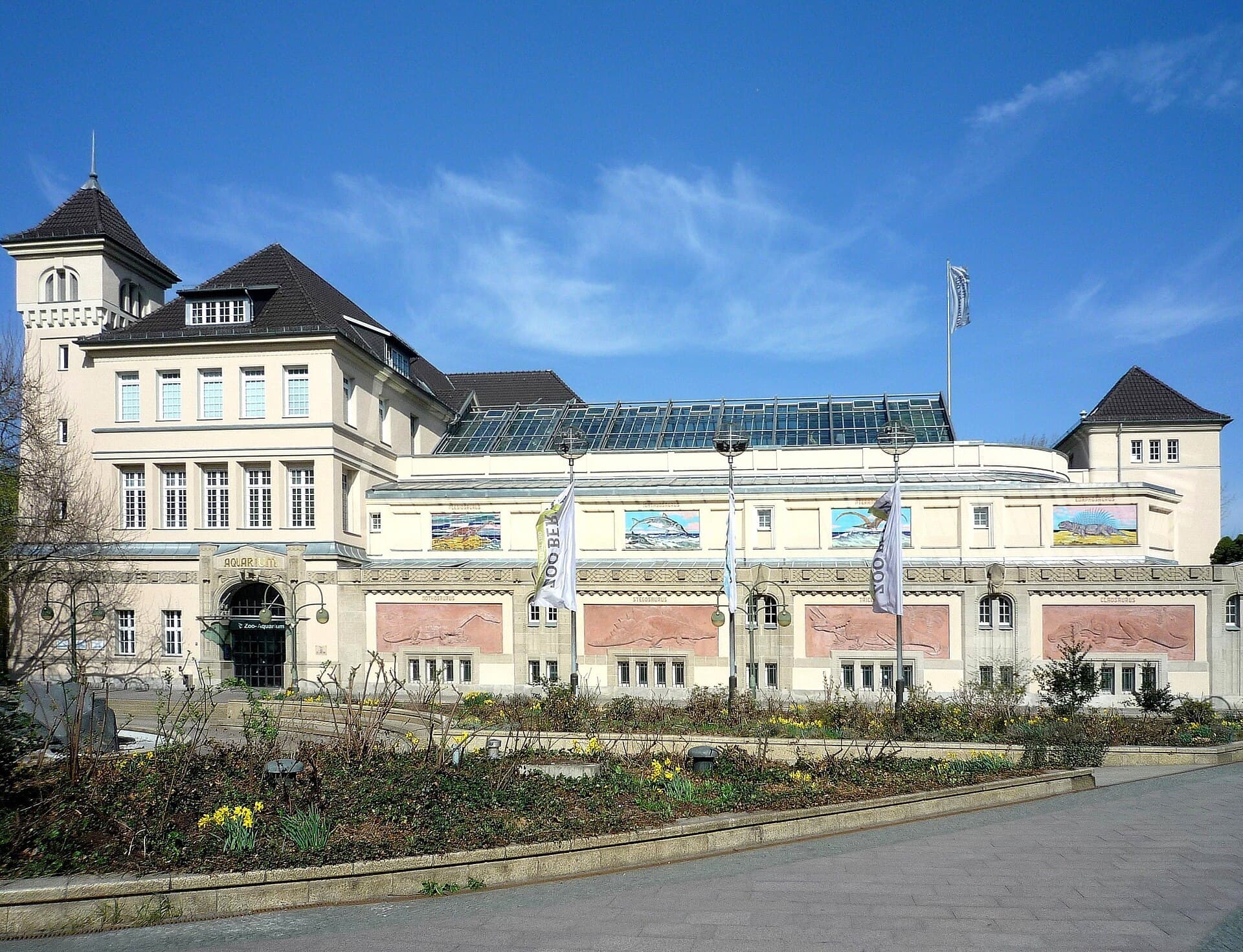 Berlin AquariumThe Berlin Aquarium is a historic three-storey building attached to the zoo, ope8 minutes walk4.6
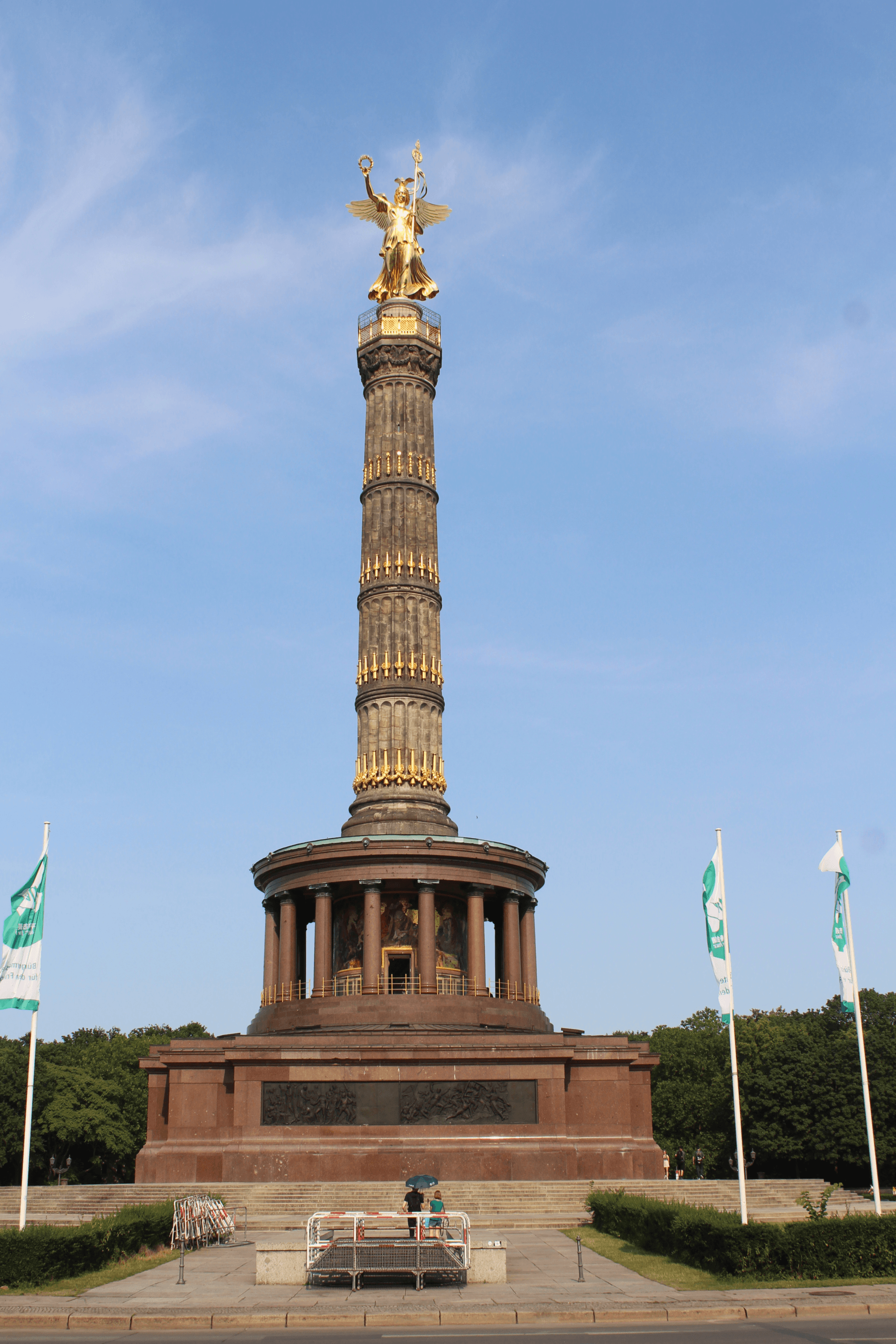 Victory ColumnThe Victory Column is a tall stone column in the middle of the Tiergarten park, 18 minutes walk4.5
Because it was the city he was born in and driven from: he fled in 1938 at eighteen, after the Nazi regime had closed off his Jewish family's life there. Returning with his complete archive sixty years later was a deliberately symbolic act — not merely donating a collection but closing a personal circle, and he chose the building himself before his death.