A moved temple
Over 13,000 blocks.
Olaf Tausch — CC BY 3.0 · Karen Green — CC BY-SA 2.0 · Olaf Tausch — CC BY 3.0 · Richard Mortel from Riyadh, Saudi Arabia — CC BY 2.0 · Carole Raddato — CC BY-SA 2.0
A late Ptolemaic-era Roman temple built around 30 BC in the reign of the emperor Augustus and dedicated to the Nubian sun god Mandulis. It originally stood at Bab al-Kalabsha, about fifty kilometres south of Aswan. When the High Dam threatened to flood it, the temple was taken apart into more than thirteen thousand blocks and moved, in a process that took two years, to its present site on an island near the dam, as part of UNESCO's campaign to save the monuments of Nubia. Though never finished, it is counted among the finest examples of Egyptian architecture in Nubia. Besides the main temple, the site holds the small rock-cut temple of Beit el-Wali from the reign of Ramesses II, with painted scenes of his battles, and the elegant Kiosk of Qertassi, all moved from sites drowned by the lake. It is far quieter than Philae, and you may have it almost to yourself. A foreign visitor's ticket costs about two hundred Egyptian pounds; it opens from seven to four, and you reach it by a short boat ride from a landing near the High Dam, with the fare agreed there.
Over 13,000 blocks.
Ramesses' battle scenes.
Away from the crowds.
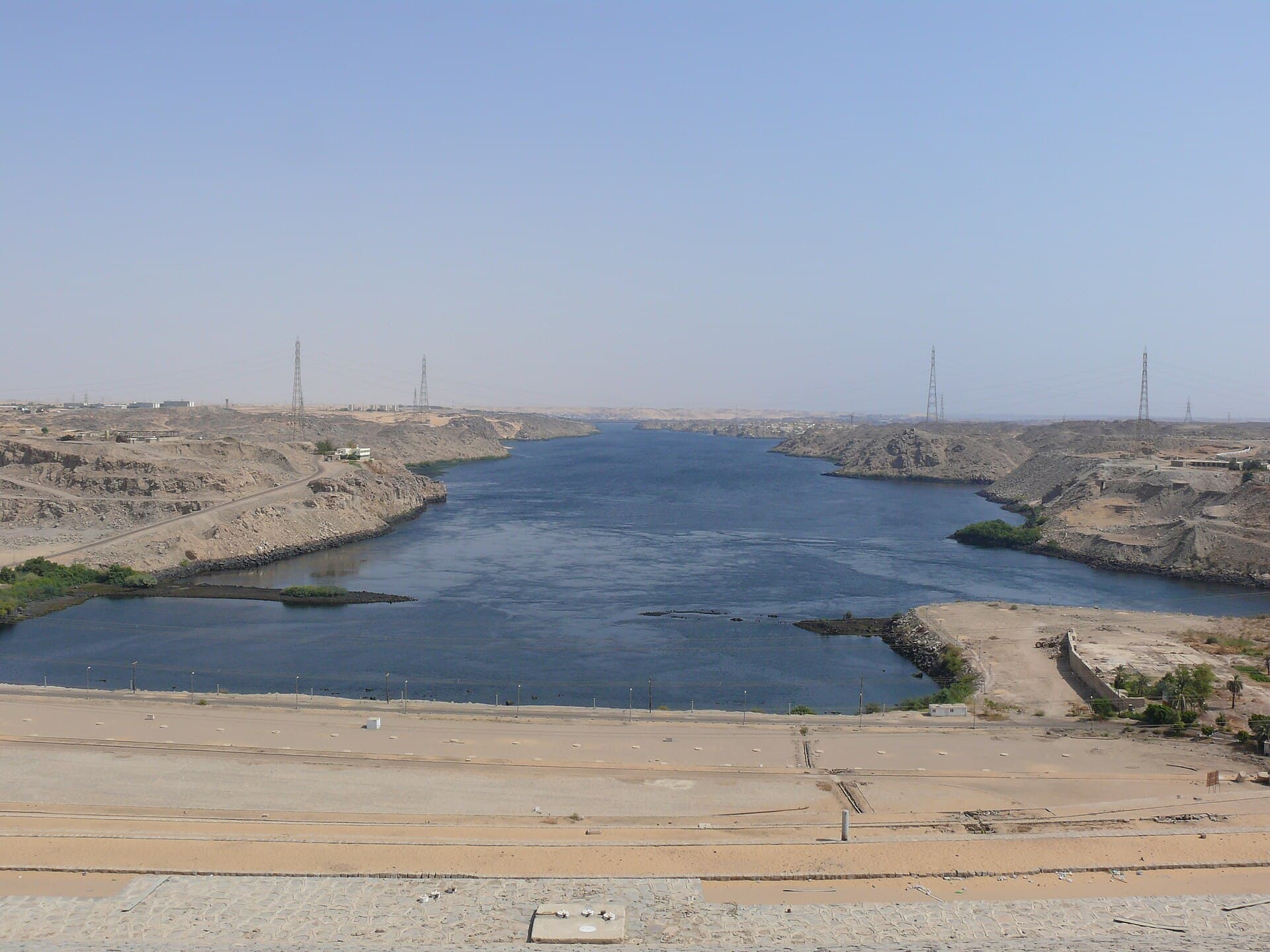
New Kalabsha island in Lake Nasser, near the High Dam, reached by boat
Yes for lovers of antiquities who want calm: it is far less crowded and includes the Beit el-Wali temple and its painted reliefs.