Rock-cut caves
Monks' retreats.
Jona Lendering — CC0 · Jona Lendering — CC0 · Kamol Azzam — CC BY-SA 4.0 · Marat Nadjibaev — CC BY-SA 4.0 · Marat Nadjibaev — CC BY-SA 4.0 · Marat Nadjibaev — CC BY-SA 4.0 · Ab Langereis — CC0 · Ab Langereis — CC0
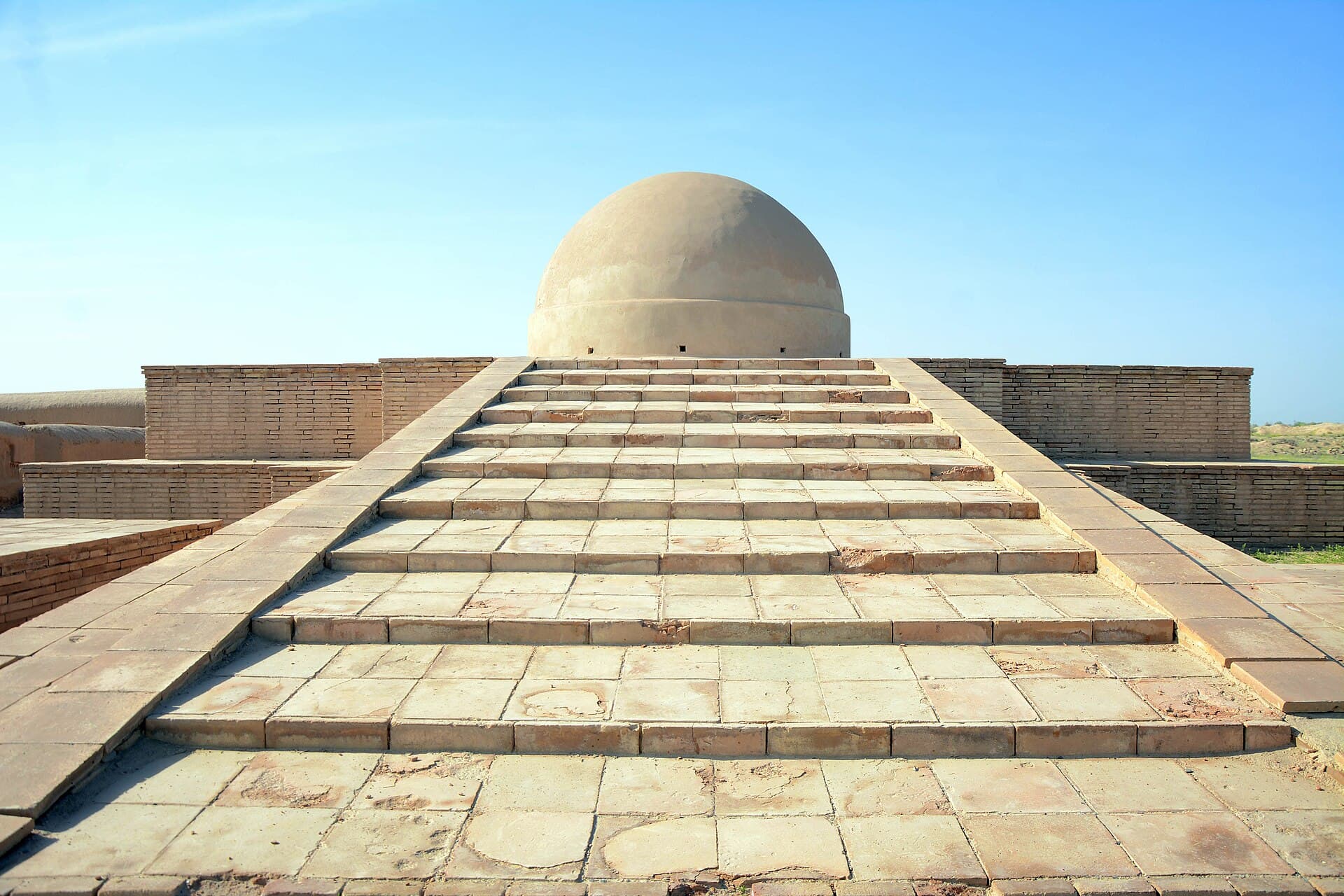
A complex of Kushan-era Buddhist monasteries on the hills of old Termez near the Amu Darya. Its first places of worship date from the 1st century CE, and it flourished between the 1st and 3rd centuries, when many new complexes were built and older ones enlarged. Kara Tepe is known for its caves cut into the hills: underground passages and halls that served as retreats and monks' cells, some still showing traces of old plaster, beneath courtyards and mudbrick walls. Inscriptions found here name several monasteries and monks, and statues and wall paintings were uncovered. By the late 3rd century the monasteries declined or were abandoned after Sasanian campaigns against the Kushans; some parts carried on into the 5th century, and some halls were later used for burials. Tickets are about 40,000 som, per visitor guides. The site sits right on the border, where the Amu Darya divides Uzbekistan from Afghanistan, so go with a local driver or guide who knows the current access rules.
Monks' retreats.
In mudbrick.
On the border.
On the Amu Darya, northwest of Termez
It sits on the Afghan border by the Amu Darya, so go with a local driver or guide who knows the current rules; tickets are about 40,000 som, per visitor guides.