
Buttress arches
Linking the buildings' walls overhead and giving the lane its known form.
Jaan Künnap — CC BY-SA 4.0 · Ilme Parik — CC BY-SA 4.0 · Klevhs — CC BY-SA 4.0 · Ilme Parik — CC BY-SA 4.0
A narrow cobbled lane in Tallinn's old town, spanned by stone buttress arches linking the walls of the buildings on either side, and among the most photographed sights in the city. The name comes from St Catherine's Church, whose southern wall forms one side of the passage. The church belonged to a Dominican monastery founded in the thirteenth century, and only ruins remain today, but its wall still bounds the lane. What actually distinguishes the passage is what hangs on that wall: carved stone tombstones of the fourteenth and fifteenth centuries, lifted from the church floor and fixed into the wall where they can be seen directly. They carry inscriptions, names and the symbols of their owners' trades. On the other side runs a row of craft workshops — glass, ceramics, leather, jewellery and hats — where the makers work inside their shops and can be watched at it. These are working workshops rather than gift stalls. Practical points: the passage is public, always open and free. The workshops keep their own hours, closing in the evening and more widely in winter. The cobbles are uneven — take care in rain.
Linking the buildings' walls overhead and giving the lane its known form.
Glass, ceramics, leather and jewellery — the makers work in front of you.
Carvings showing the occupation of the buried, not only the name.
Old town, between Vene and Müürivahe streets
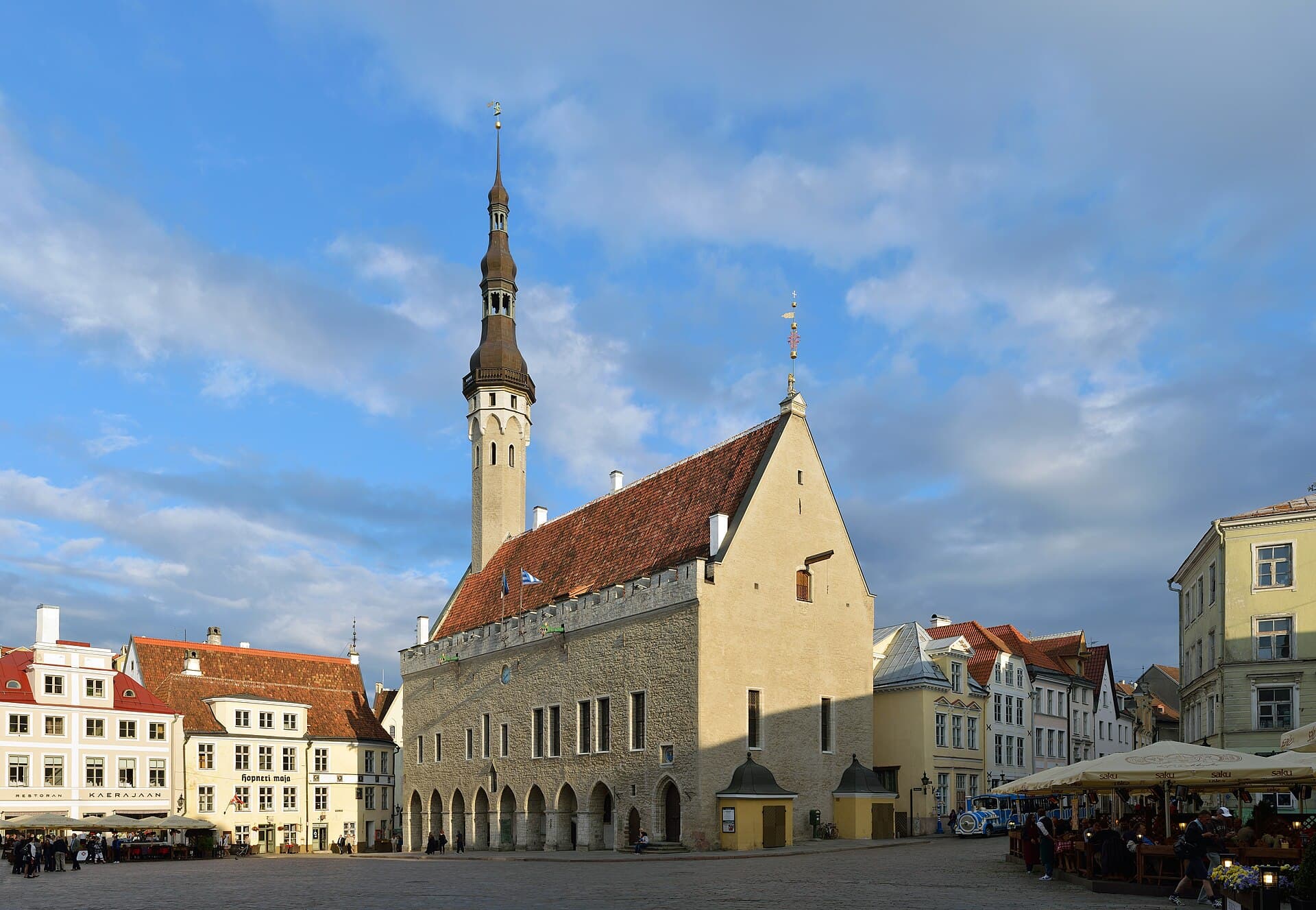 Tallinn Town Hall and SquareNorthern Europe's last surviving Gothic town hall: Tallinn's took its present fo2 minutes walk4.6
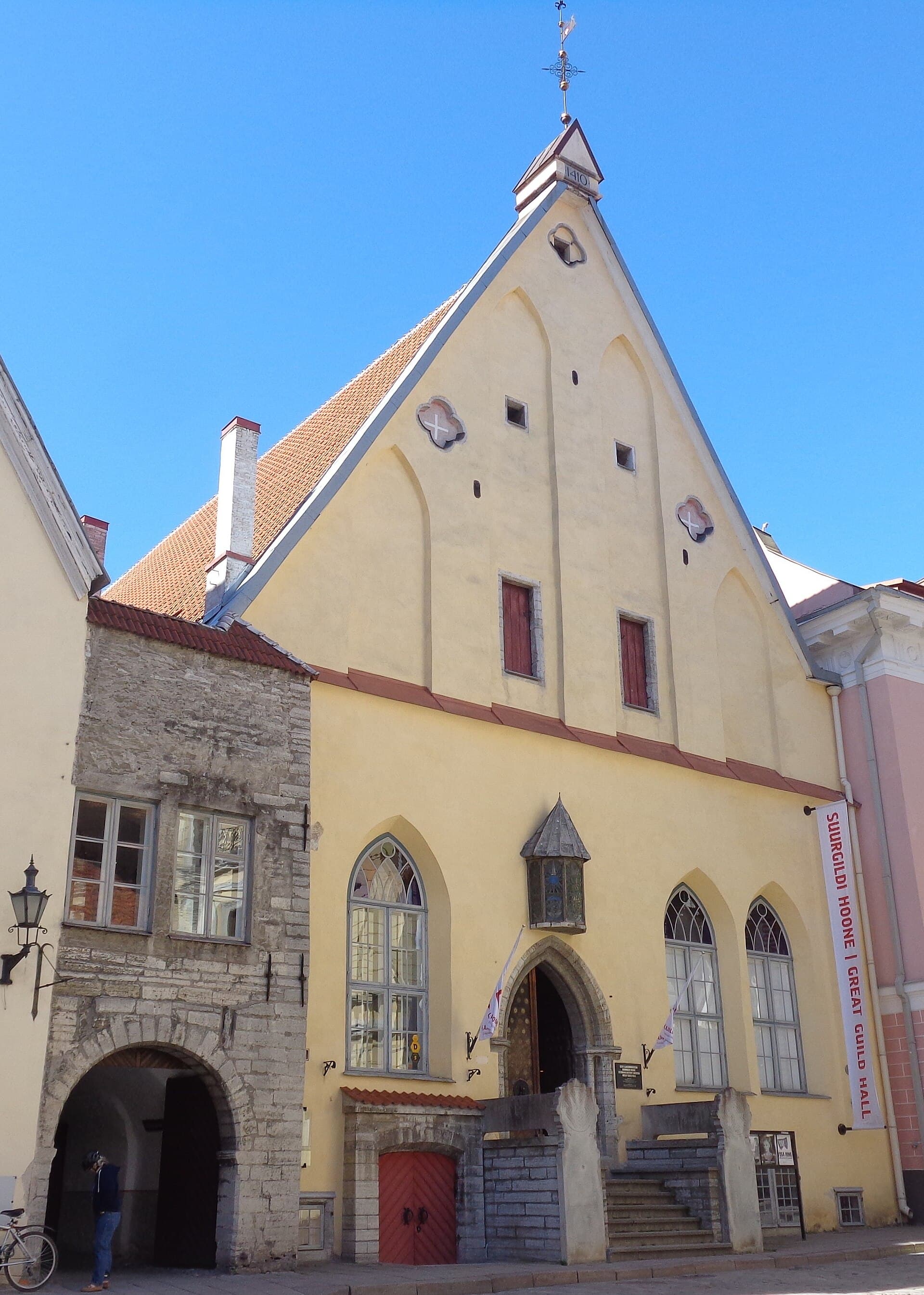 The Great Guild HallAn early fifteenth-century building on Pikk street that was the seat of Tallinn'3 minutes walk4.5
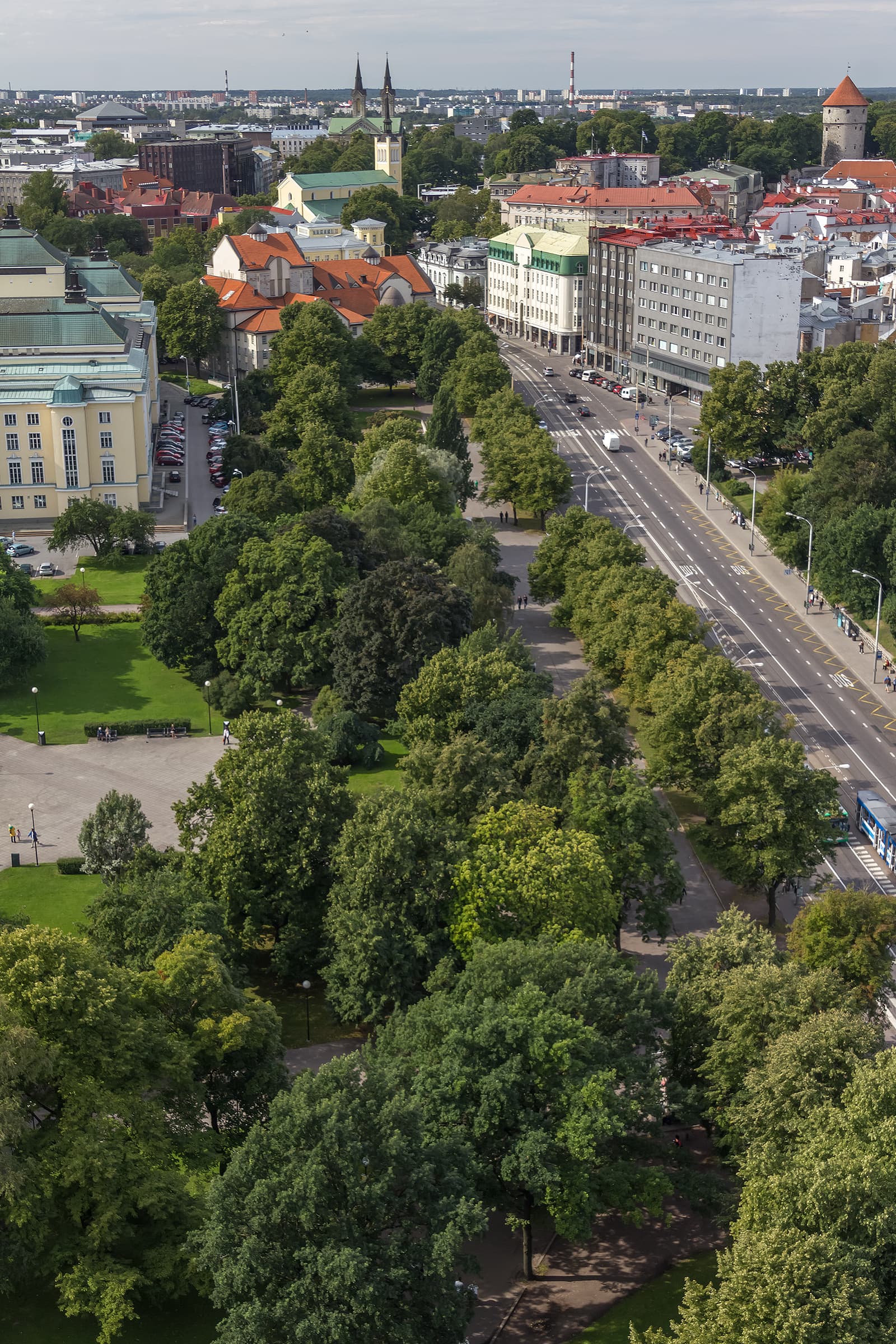 Tammsaare ParkA small public park between the old town and modern central Tallinn, named after4 minutes walk4.7
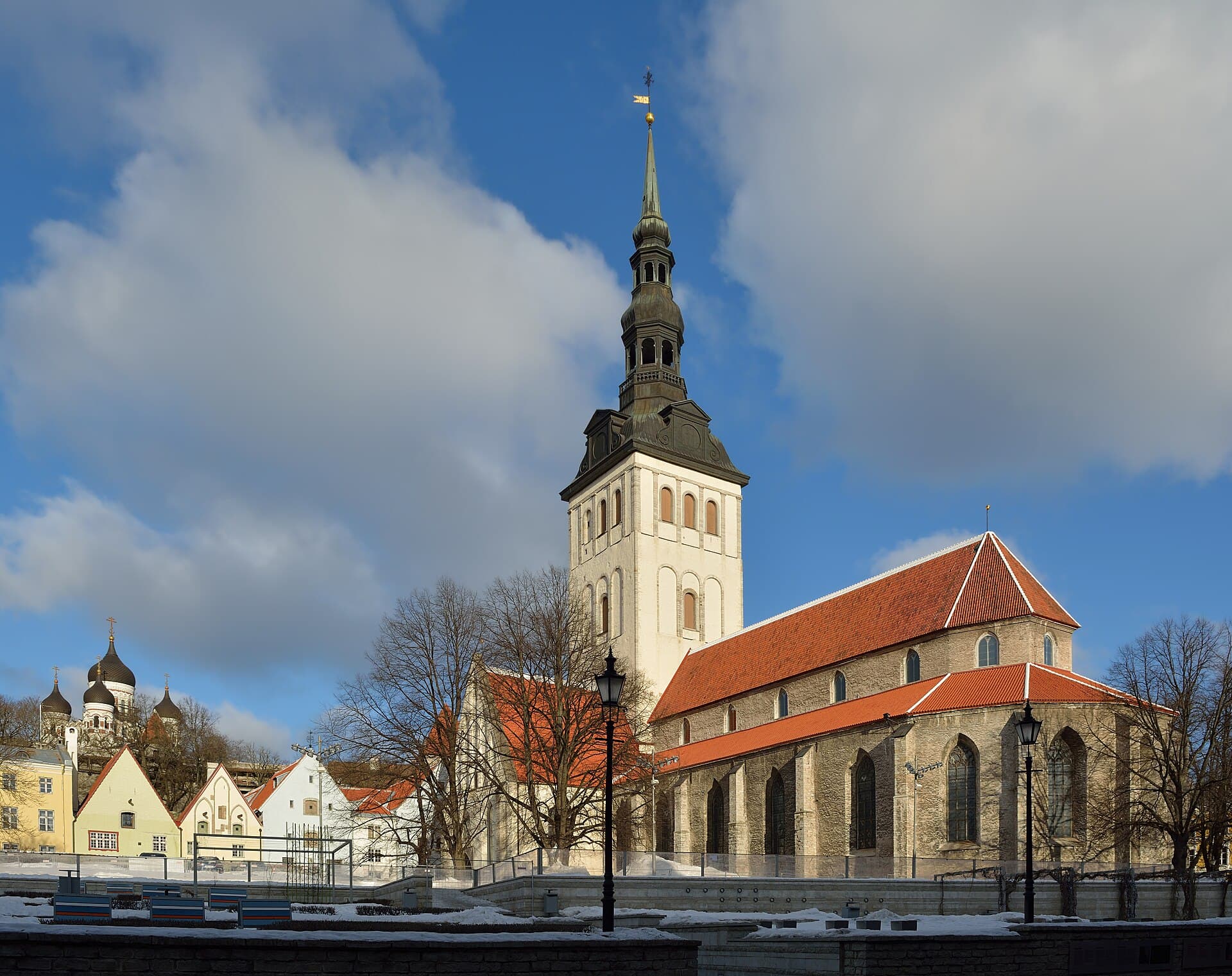 St Nicholas' Church (Niguliste)A Gothic church that became a museum because it could no longer be prayed in: Ni5 minutes walk4.5
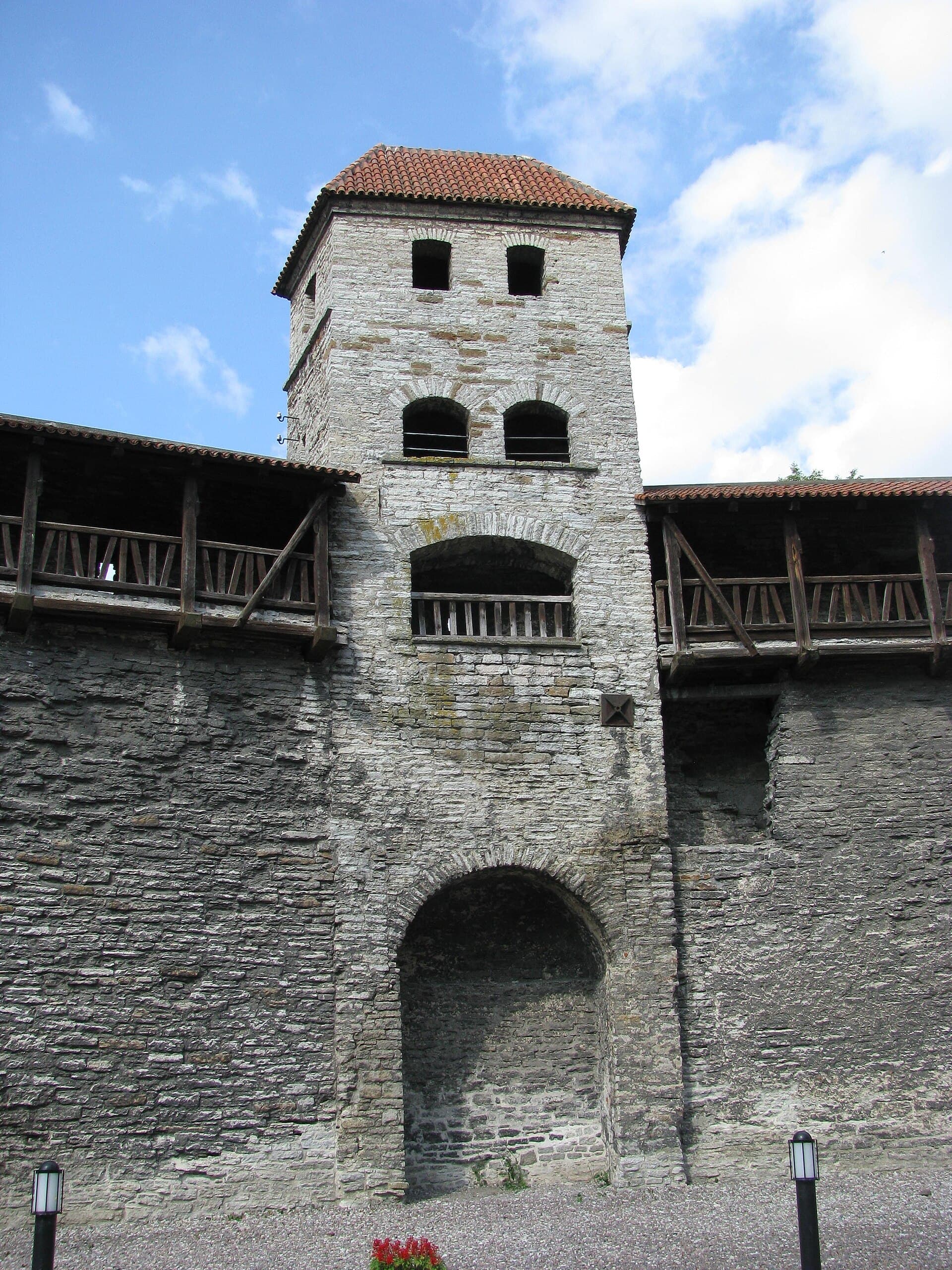 Sauna TowerA tower in the northern sector of the Tallinn town wall, connected to the Tower 5 minutes walk4.6
Burial inside churches was common in the medieval period, and the stones were laid into the floor over the graves. After St Catherine's fell into ruin, the stones were saved from wear by being fixed into the surviving wall. The result is that they are now seen vertically instead of walked on — a practical and clever way of preserving them.
Early morning to photograph it empty — the passage is very narrow and fills with groups during the day, particularly when cruise ships are in. The afternoon is better for seeing the craftspeople at work. The evening is quiet, but the workshops are closed.