
The Hanseatic League
A city network that dominated Baltic trade — and Tallinn's wealth came from it.
Borodun — CC BY-SA 4.0 · Kenny McFly — CC BY-SA 3.0 · Borodun — CC BY-SA 4.0 · Borodun — CC BY-SA 4.0
An early fifteenth-century building on Pikk street that was the seat of Tallinn's Great Guild, and today holds the main branch of the Estonian History Museum. The Great Guild was effectively the most powerful institution in the city. Membership was restricted to the major merchants, and it was they who elected the town council and in practice governed. Craftsmen had their own smaller and lower-ranked guilds, and movement between them was near impossible. That hierarchy is what the hall itself explains before any exhibit inside it does. Tallinn was a member of the Hanseatic League, the network of trading cities that dominated Baltic and North Sea commerce for centuries. The city's wealth and its stone architecture came from that, and this building is direct evidence of it. The permanent exhibition covers Estonian history from prehistory to the present, with interactive sections suited to families. Practical points: entry is ticketed and may combine with Maarjamäe Palace, part of the same museum. The location is in the heart of the old town on Pikk street.
A city network that dominated Baltic trade — and Tallinn's wealth came from it.
Merchants above, craftsmen below, and movement between near impossible.
The early fifteenth-century hall itself explains the city.
Pikk street, old town, Tallinn
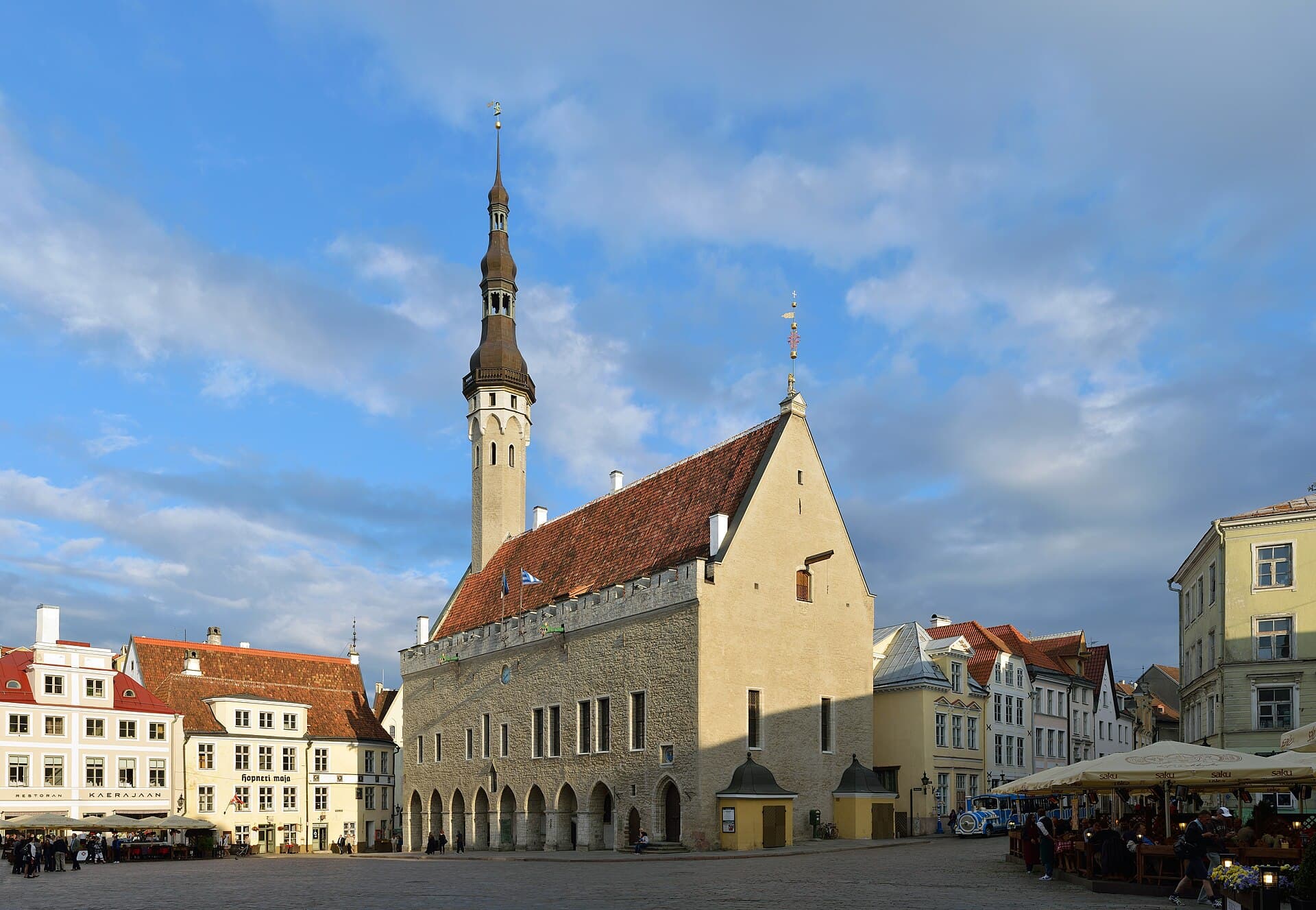 Tallinn Town Hall and SquareNorthern Europe's last surviving Gothic town hall: Tallinn's took its present fo2 minutes walk4.6
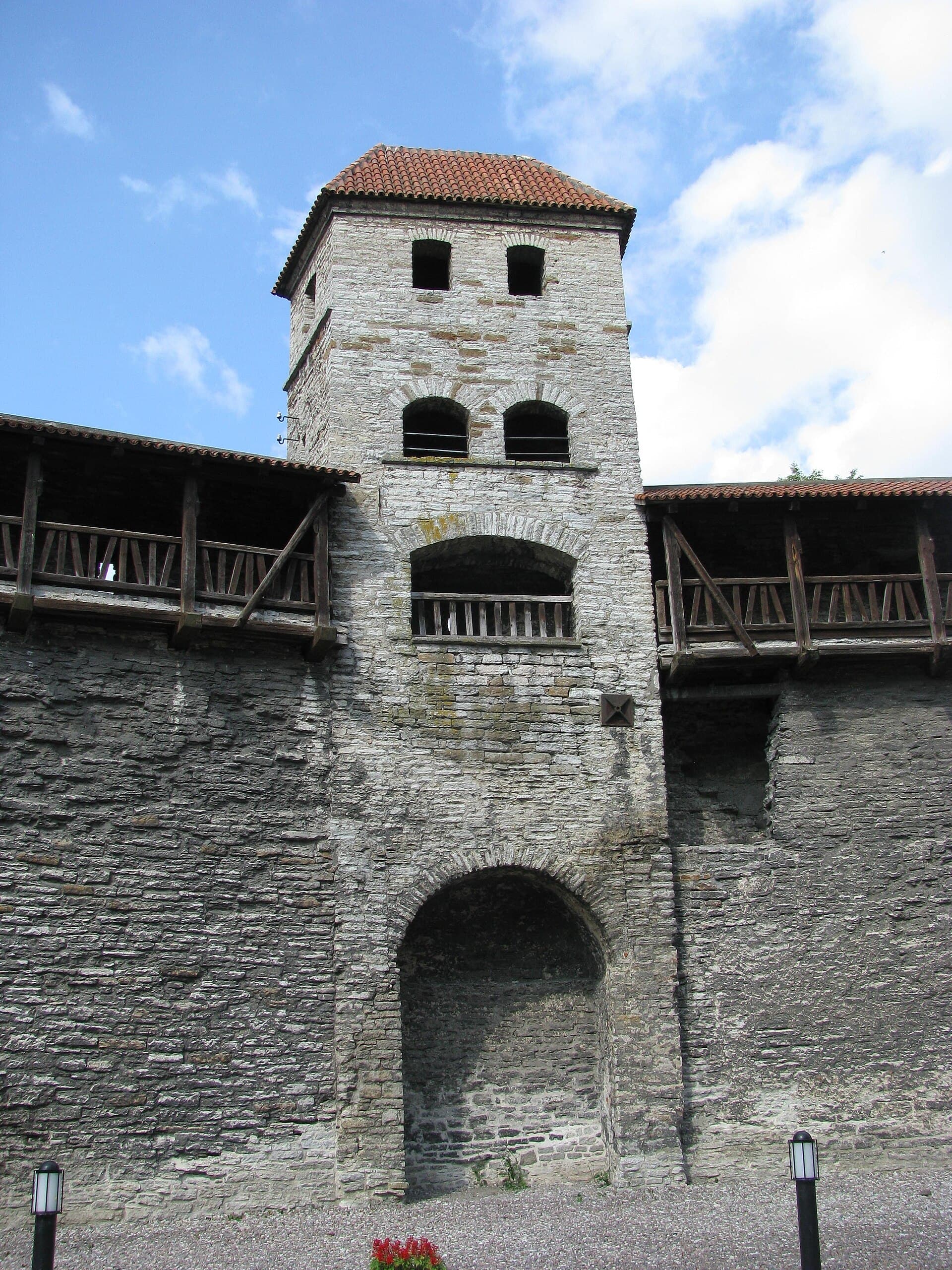 Sauna TowerA tower in the northern sector of the Tallinn town wall, connected to the Tower 3 minutes walk4.6
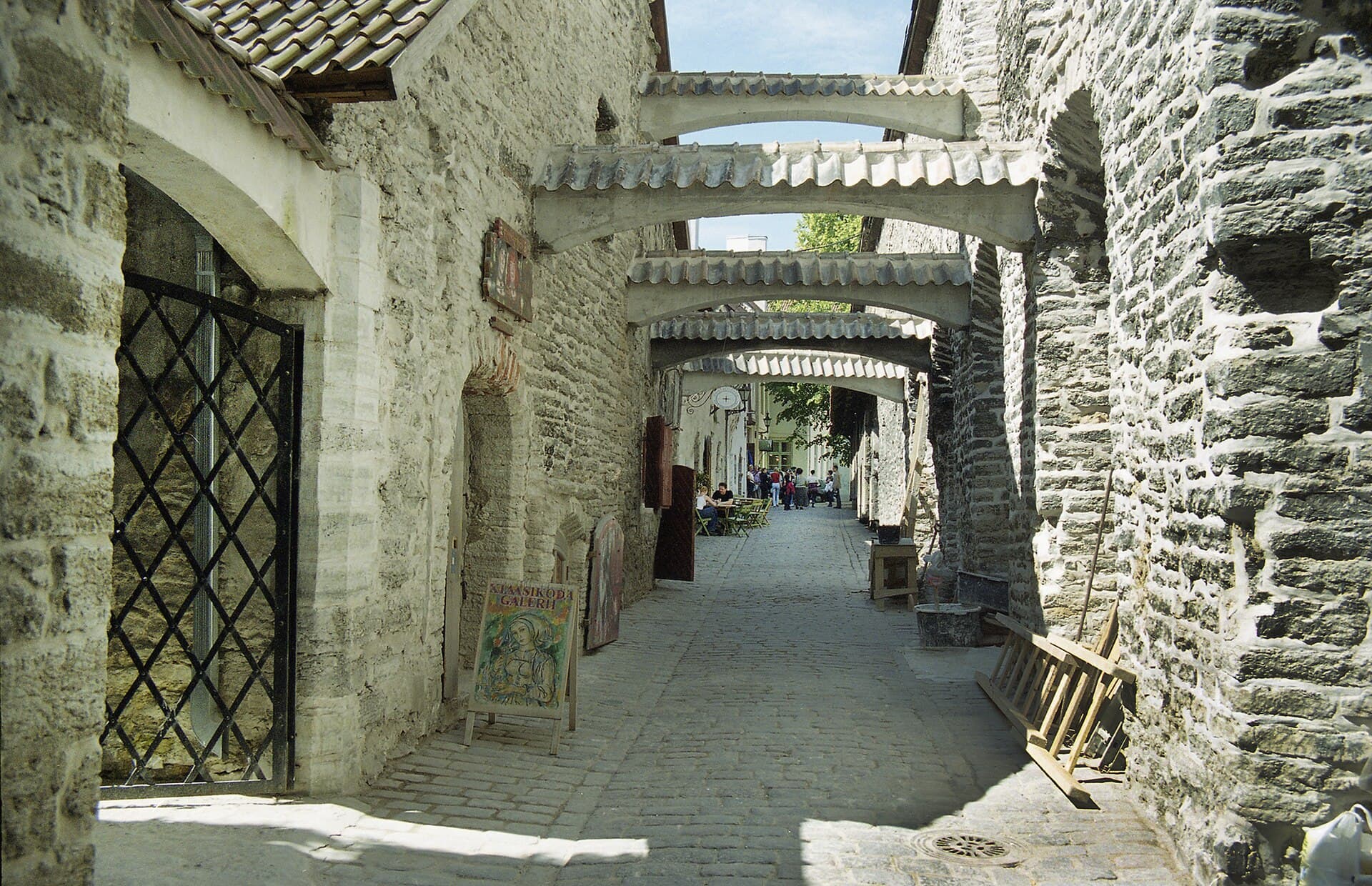 St Catherine's PassageA narrow cobbled lane in Tallinn's old town, spanned by stone buttress arches li3 minutes walk4.7
 Tower behind NunsA tower in the northern sector of the Tallinn town wall, one of three connected 3 minutes walk4.6
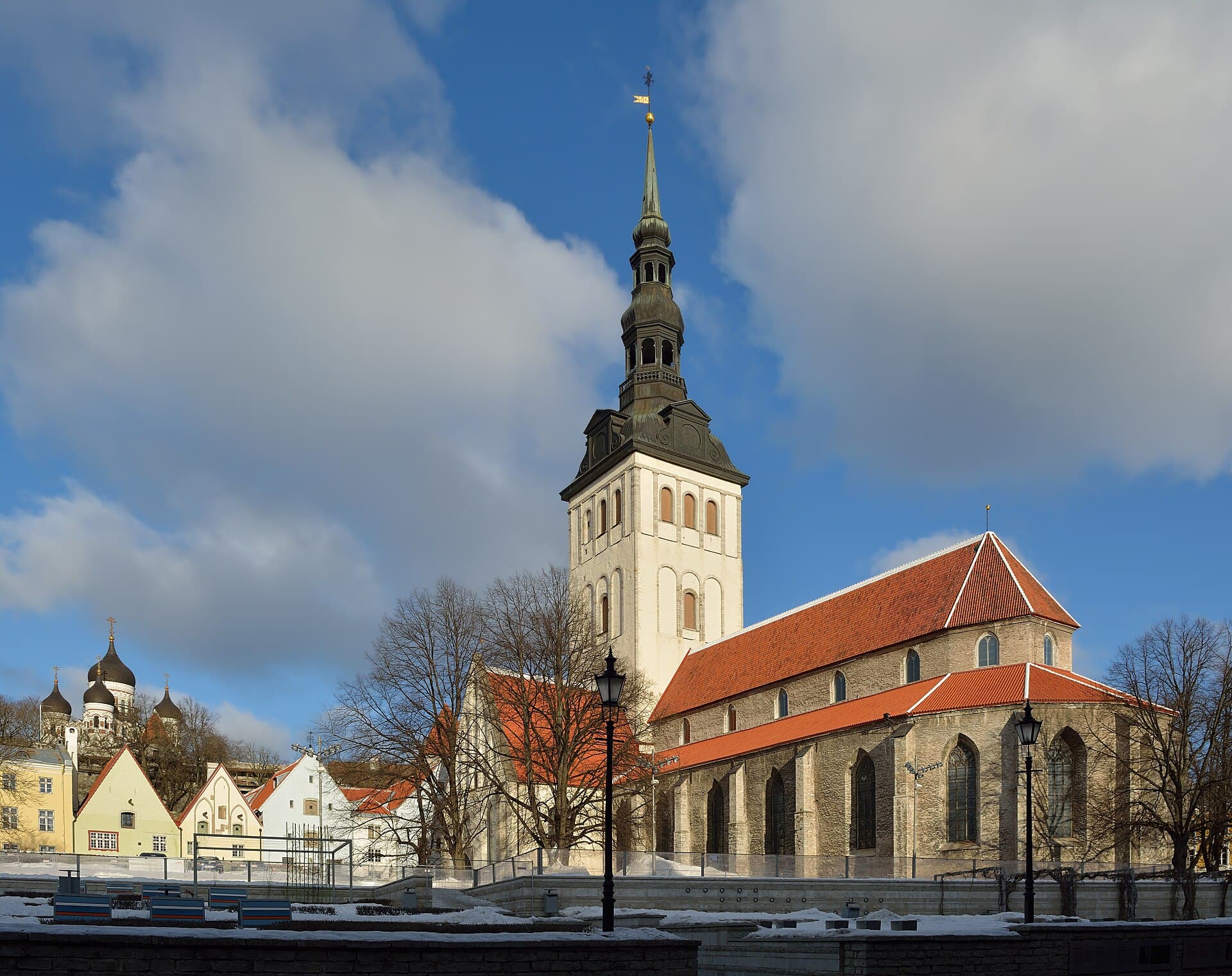 St Nicholas' Church (Niguliste)A Gothic church that became a museum because it could no longer be prayed in: Ni4 minutes walk4.5
A commercial alliance of cities on the Baltic and North Seas, formed in the twelfth century and lasting for centuries. Member cities exchanged protection and trading privileges and monopolised the routes for furs, wax, grain, salt and fish. Tallinn, Riga, Lübeck, Bergen and others were nodes in that network, which is why their old towns resemble each other so strikingly despite the distances.
Yes — the permanent exhibition has interactive sections designed for families, and the building itself with its great hall is intriguing. The museum is among Tallinn's better wet-day options, with the whole old town minutes away on foot.