
Diana Memorial Playground
A wooden pirate ship sunk in sand, free for children up to 12, refurbished in August 2026 but full on school-holiday days.
Diliff — CC BY-SA 3.0 · DiscoA340 — CC BY-SA 4.0 · DiscoA340 — CC BY-SA 4.0 · DiscoA340 — CC BY-SA 4.0
Half the people strolling west across the Serpentine bridge have no idea they have just left Hyde Park for a different garden altogether. Kensington Gardens began as the private grounds of Kensington Palace and was laid out in the eighteenth century for Queen Caroline on far more disciplined lines than its neighbour: straight avenues under regimented trees, a Round Pond dotted with children's model yachts, and the Long Water stretching from the Italian Gardens at the Lancaster Gate corner down to the bridge that marks the boundary. It covers roughly 107 hectares, entry is free, and the gates open at 06:00 and close at dusk, which means around 16:30 in deep winter and close to 22:00 in July. The walk worth doing starts at the Italian Gardens, four fountains in symmetrical basins, then follows the water down to the Peter Pan statue. It is smaller than its fame suggests and easy to walk straight past were it not for the children clustered around it. From there the path leads south to the Albert Memorial, the gilded Victorian extravagance facing the Royal Albert Hall; the exterior is the whole point and there is no need to hunt for a tour that takes you inside its railings. Kensington Palace sits on the western edge, and you can see its Sunken Garden and the Diana statue for free through the palace gardens, open during palace hours, without buying a palace ticket, which costs upward of £24. For families, the real reason to come is the Diana Memorial Playground beside the palace: a huge wooden pirate ship sunk in sand, with Peter Pan-themed walkways and sculptures, reopened in August 2026 after a £3 million refurbishment. It is free but restricted to children up to 12 with their accompanying adults, runs from 10:00 until dusk, and on sunny school-holiday days it fills fast and a queue from opening time is normal. Pushchairs are easy everywhere in the park, since the ground is flat and the paths paved. Contemporary-art lovers get the Serpentine and Serpentine North galleries on either side of the bridge, both free. Arrive at Lancaster Gate or Queensway on the Central line, or High Street Kensington on the District and Circle lines if you want to begin at the palace end; a full loop of the park is around three miles if you insist on the whole perimeter. The Italian Gardens Café and Broad Walk Café will do for a light lunch with vegetarian choices, and the toilets take 20p by card only. In winter the park is bare and muddy at the edges, and the visit is shorter but a great deal quieter.
A wooden pirate ship sunk in sand, free for children up to 12, refurbished in August 2026 but full on school-holiday days.
Symmetrical fountains at Lancaster Gate, then a waterside walk to a statue smaller than you expect.
A gilded Victorian monument facing the Royal Albert Hall; the exterior is the entire point.
The Broad Walk, Kensington, London W2 2UH
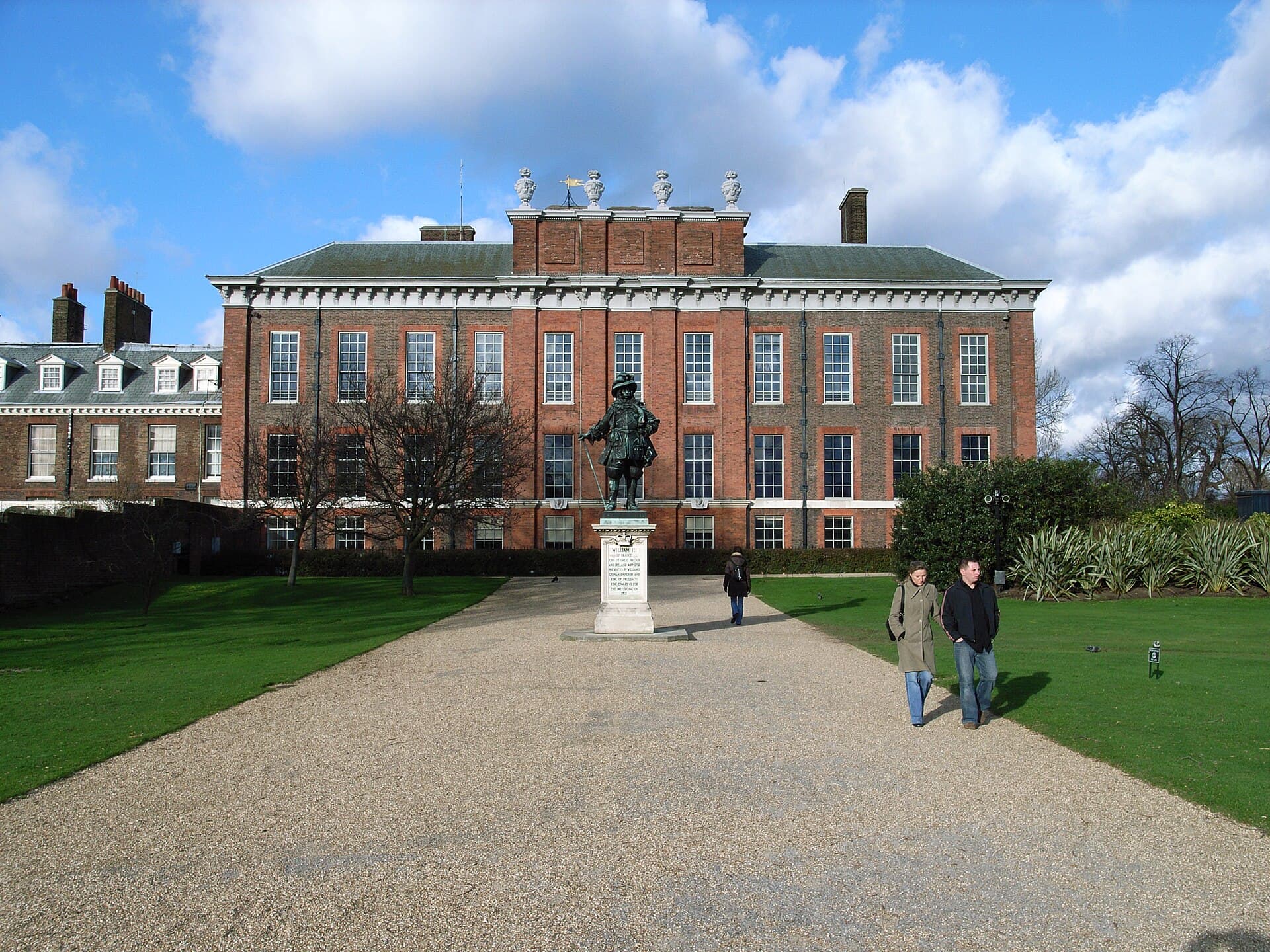 Kensington PalaceOn the morning of 24 May 1819 a girl named Victoria was born in a room of this p7 minutes walk4.4
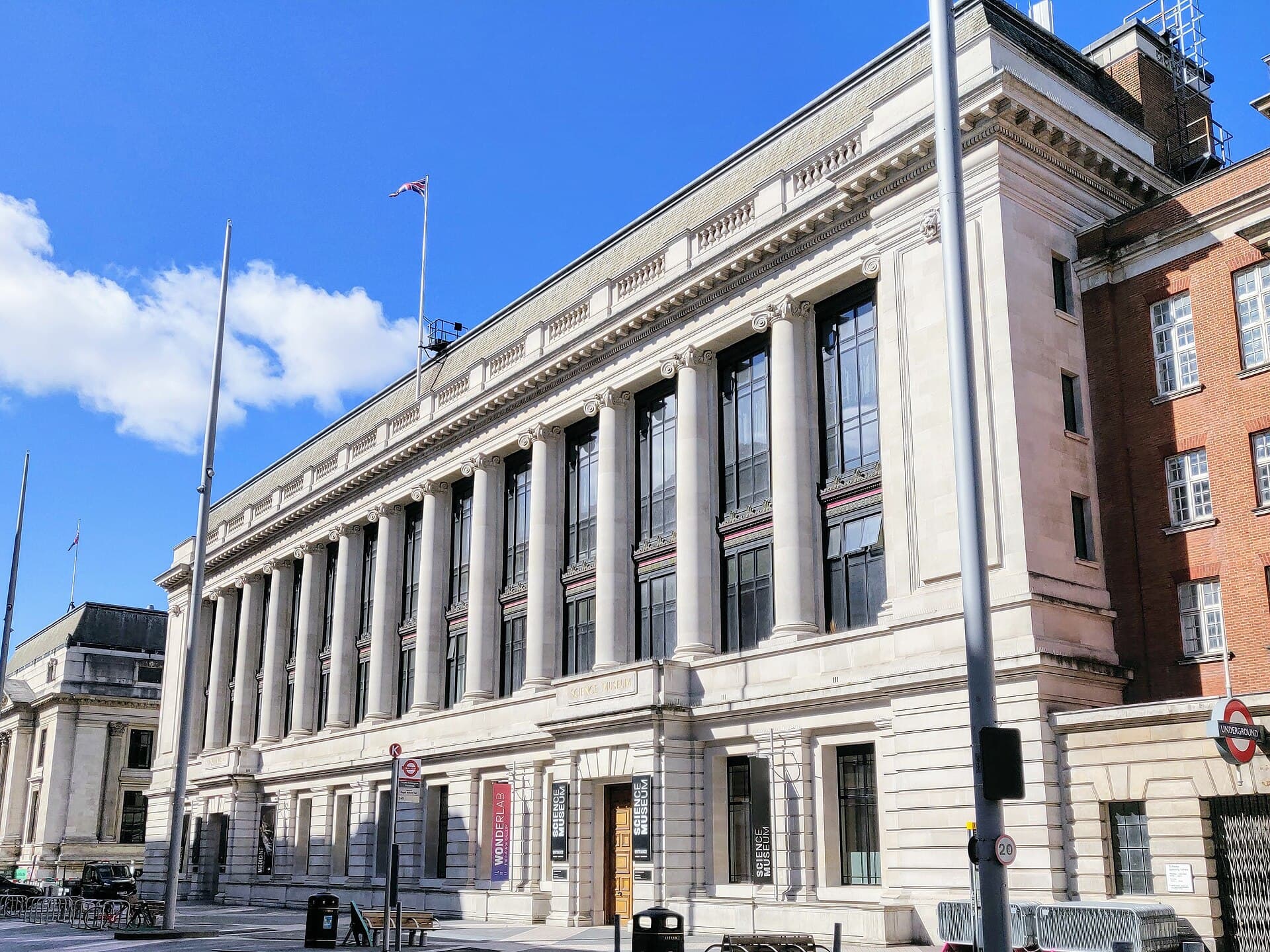 Science MuseumThe capsule that orbited the Moon in May 1969, two months before Apollo 11 lande14 minutes walk4.7
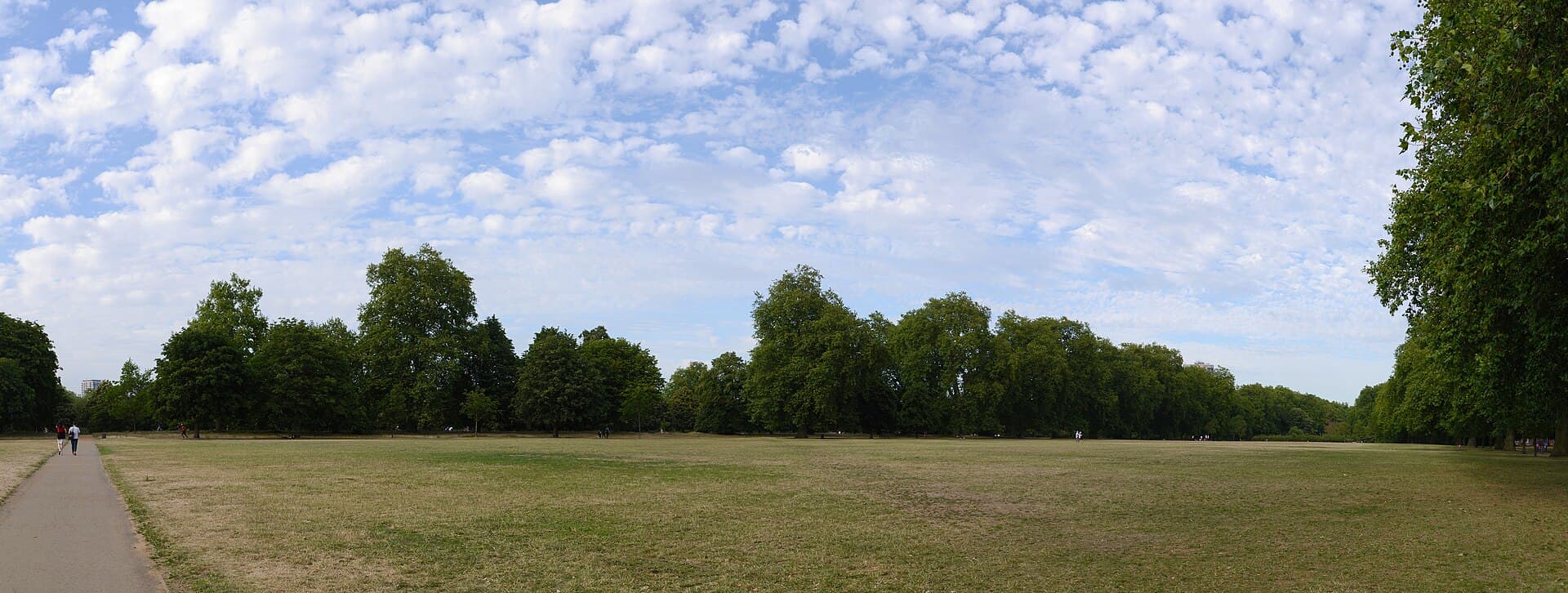 Hyde ParkFive minutes on foot from the Arab restaurants of Edgware Road begins roughly 3515 minutes walk4.6
They sit side by side with only a bridge between them, so the practical answer is to walk from one into the other. With children, start in Kensington Gardens for the Diana playground and the Round Pond; for cycling, boating or wide open lawns, Hyde Park is the better half. There is no need for two separate days; two to three hours covers the best of both.
Yes, but only with a child aged 12 or under; unaccompanied adults are admitted solely for a viewing half-hour between 09:30 and 10:00. On sunny July and August days the playground reaches capacity and the queue starts at opening time, so arrive before 10:00 or after 16:00.