
Apollo 10 command module
The actual capsule that circled the Moon in 1969, re-entry scorching and all, in the new Space gallery beside a Soyuz, a short walk from the world's oldest surviving steam locomotive.
Shadowssettle — CC BY-SA 4.0 · jeremySO — CC BY 4.0 · jeremySO — CC BY 4.0 · jeremySO — CC BY 4.0
The capsule that orbited the Moon in May 1969, two months before Apollo 11 landed on it, sits in a hall a few minutes from South Kensington station, and seeing it costs nothing. The Apollo 10 command module, its skin still scorched from re-entry, is the object people gather round in the new Space gallery on the ground floor, displayed side by side with a Russian Soyuz capsule, while in the neighbouring Making the Modern World hall stands Puffing Billy, the world's oldest surviving steam locomotive from 1814. That is the Science Museum in a sentence: a century and a half of the real machines rather than models, arranged so you can follow how the world changed from the steam engine to the smartphone. General entry is free, but the museum asks you to book a free timed ticket online. On a weekday outside the holidays that is a formality; in July and August and at weekends it matters, because every rainy afternoon seems to bring half of London's families through the doors. It opens daily from 10:00 to 18:00 with last entry at 17:15 and shuts only on 24 to 26 December. The paid parts are the exceptions: the hands-on Wonderlab gallery starts at £13.50 a head and drops with early booking and a family ticket, the IMAX documentaries are ticketed separately and cheaper if booked a day ahead, and temporary exhibitions are priced on their own. With children, Wonderlab is the real reason to come: around fifty experiments you touch rather than read about, from a static-electricity show to slides that explain friction, pitched at ages seven to fourteen, and an hour or two disappears in it easily. Slots sell out in British school holidays, so book two or three days ahead. There is a multi-faith prayer room in the building; ask at the information desk on the way in. Lifts serve every floor except the mezzanines in the Flight and Making the Modern World galleries, which pushchairs cannot reach. An honest word: the building is vast, four floors of galleries you will not cover in one visit, so choose three or four. The Flight gallery with its hanging aircraft, Information Age tracing communication from the telegraph to the internet, and the Medicine galleries, which spread across most of Level 1 and deserve an hour by themselves. The Natural History Museum and the V&A are on the same street, but attempting all three in a day exhausts everyone; two museums a day is the realistic limit. In winter, when the light goes before four, this warm, free, enormous place is about the best use of a wet afternoon London has.
The actual capsule that circled the Moon in 1969, re-entry scorching and all, in the new Space gallery beside a Soyuz, a short walk from the world's oldest surviving steam locomotive.
Fifty hands-on experiments for ages 7-14, paid from £13.50, and its slots sell out in school holidays so book days ahead.
Historic aircraft hung from the ceiling in Flight, and most of a floor on the history of medicine that earns an hour on its own.
Exhibition Road, South Kensington, London SW7 2DD
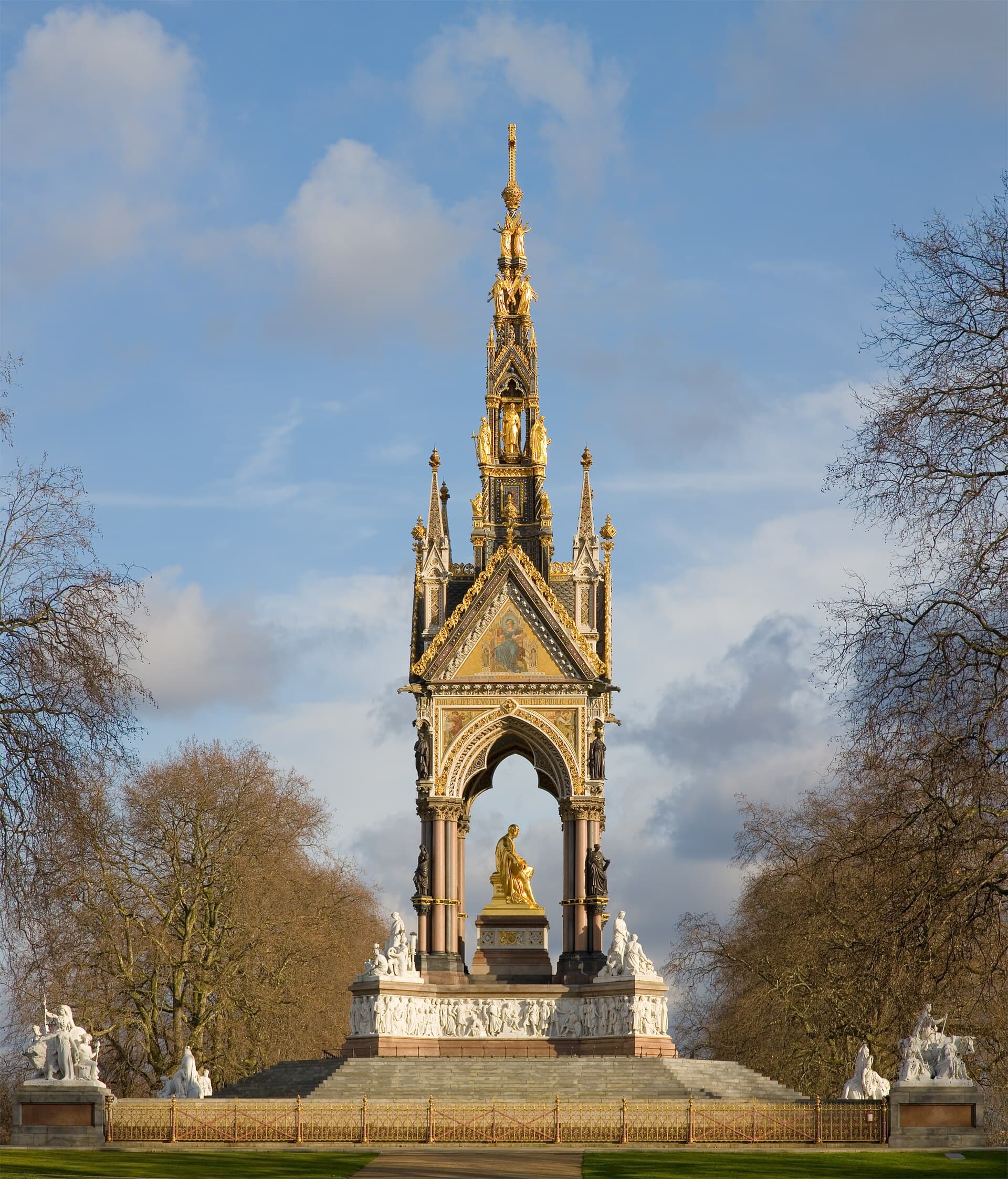 Kensington GardensHalf the people strolling west across the Serpentine bridge have no idea they ha14 minutes walk4.8
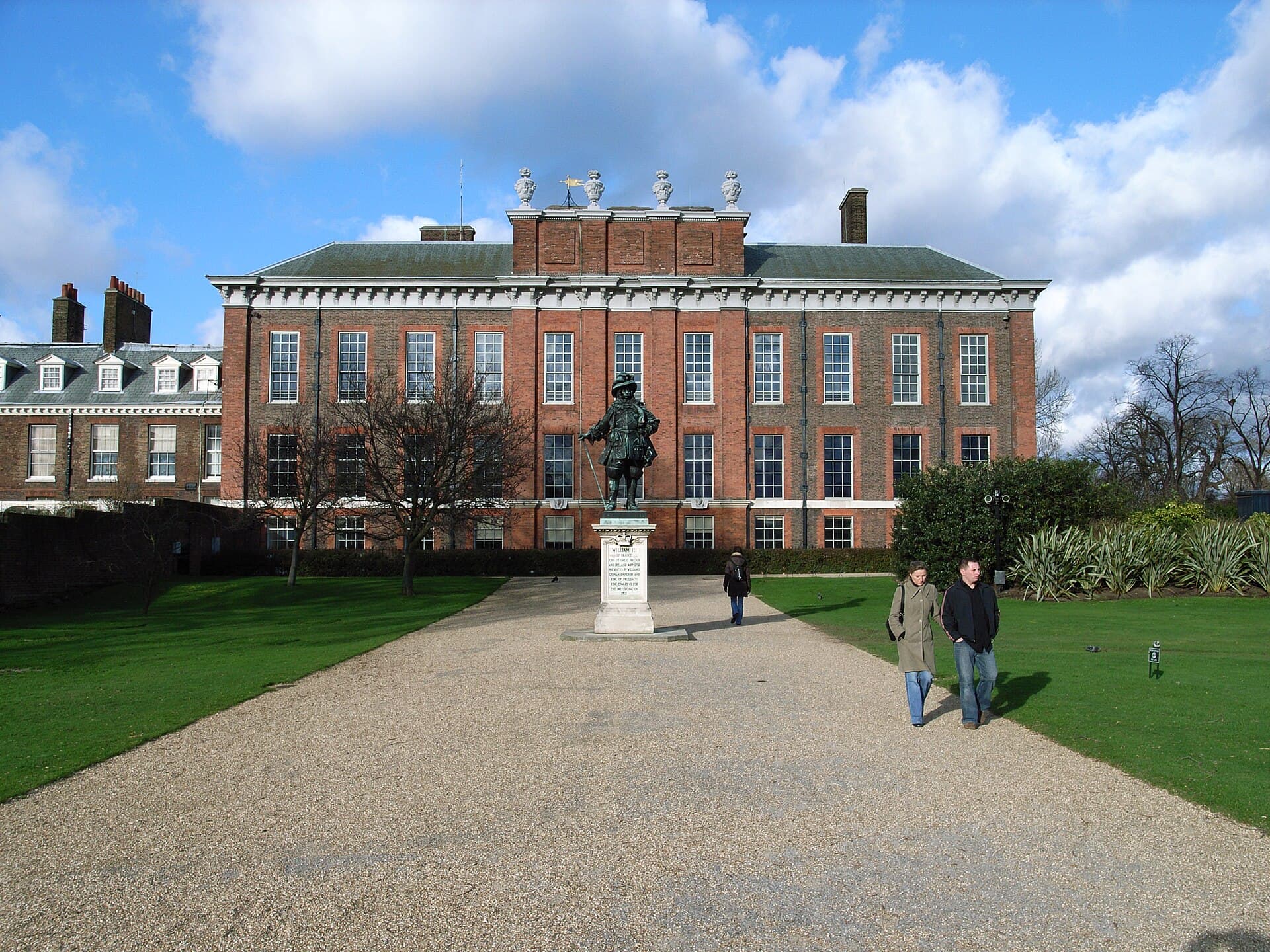 Kensington PalaceOn the morning of 24 May 1819 a girl named Victoria was born in a room of this p16 minutes walk4.4
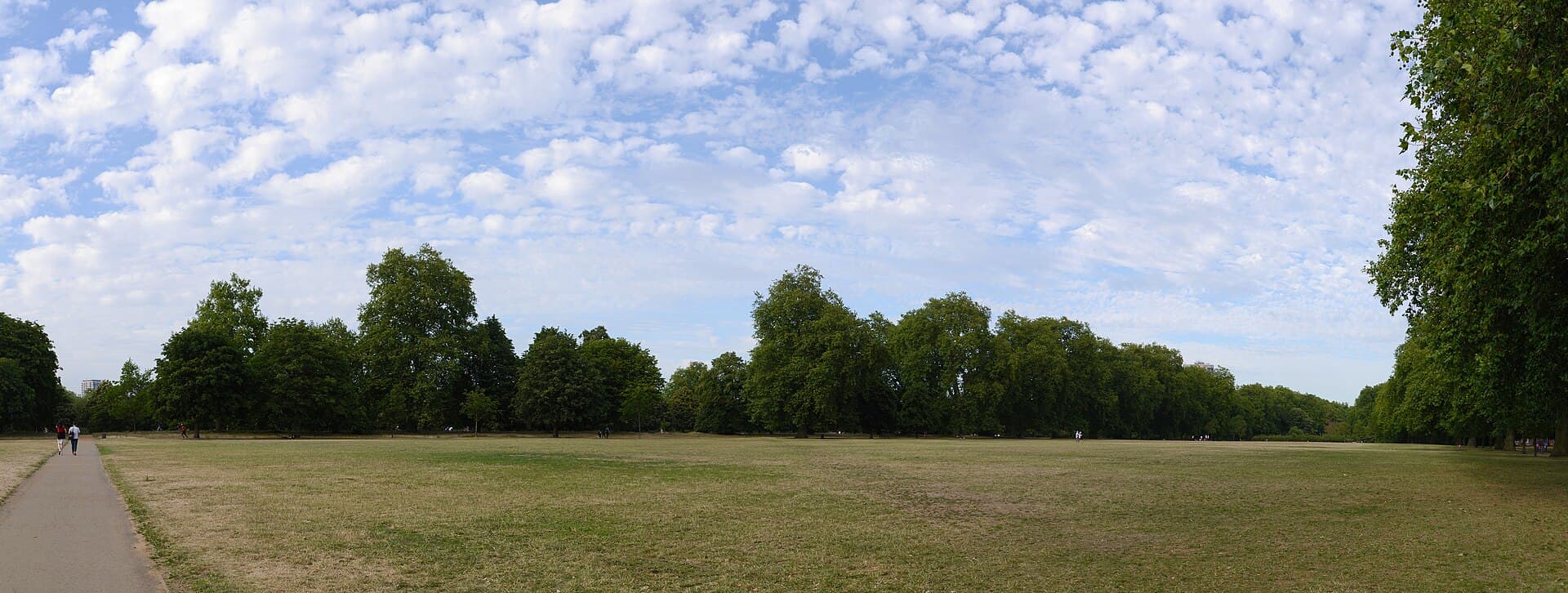 Hyde ParkFive minutes on foot from the Arab restaurants of Edgware Road begins roughly 3518 minutes walk4.6
Under seven, take the Natural History Museum; dinosaurs and the blue whale need no explaining. From seven up the Science Museum wins clearly because of Wonderlab, but budget £13.50 a head for it, since the free galleries alone hold children less well than dinosaur skeletons do. The two stand side by side, so nothing is lost if you change your mind.
On an ordinary weekday outside the holidays you can usually book it on your phone at the door in a minute. In July and August, at weekends and on rainy days, book at least a day ahead, as morning slots can close. Wonderlab is a different matter: in school holidays its slots go days in advance.