
Colonial architecture
Dutch buildings and Chinese shophouses.
No machine-readable author provided. Hayabusa future assumed (based on copyright claims). — Public domain · MaheSwara — CC BY-SA 4.0 · Ben Bland — CC BY 2.0
Medan's oldest commercial quarter, which grew in the late nineteenth century when the city became the capital of the Deli tobacco plantations, its main street filling with Dutch colonial buildings and Chinese shophouses, many of which still stand, so that it is today an open-air museum of the city's history. On the street stand the famous Tjong A Fie Mansion, home of Medan's richest Chinese merchant; the Tip Top restaurant, open since the 1930s with its old furniture and ice cream; the white London Sumatra building of 1906, which had the city's first lift; the Warenhuis, Medan's first department store; the old town hall; and the Dutch water tower. Walking the quarter is free; some buildings are tired and await restoration, but the façades tell the city's story. In the evening the cafés and restaurants come alive, and the quarter once had a famous night food market. It is best explored on foot in the morning or late afternoon, starting at the Tjong A Fie Mansion and resting at Tip Top. The quarter is close to Merdeka square and the railway station.
Dutch buildings and Chinese shophouses.
Open since the 1930s.
In the London Sumatra building.
Jalan Ahmad Yani, central Medan
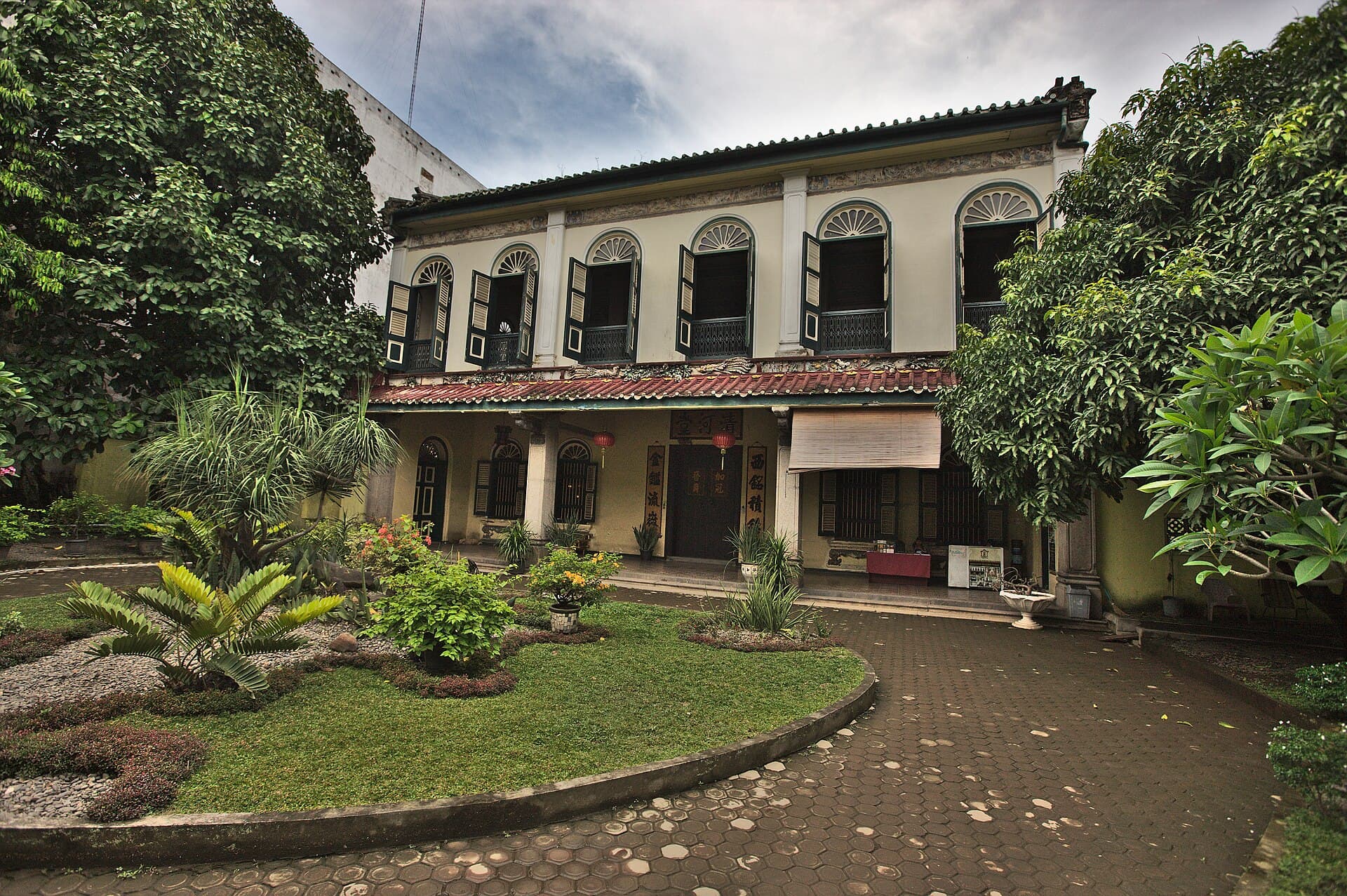 Tjong A Fie MansionA two-storey mansion in Chinese-European style in the old Kesawan quarter of cen2 minutes walk
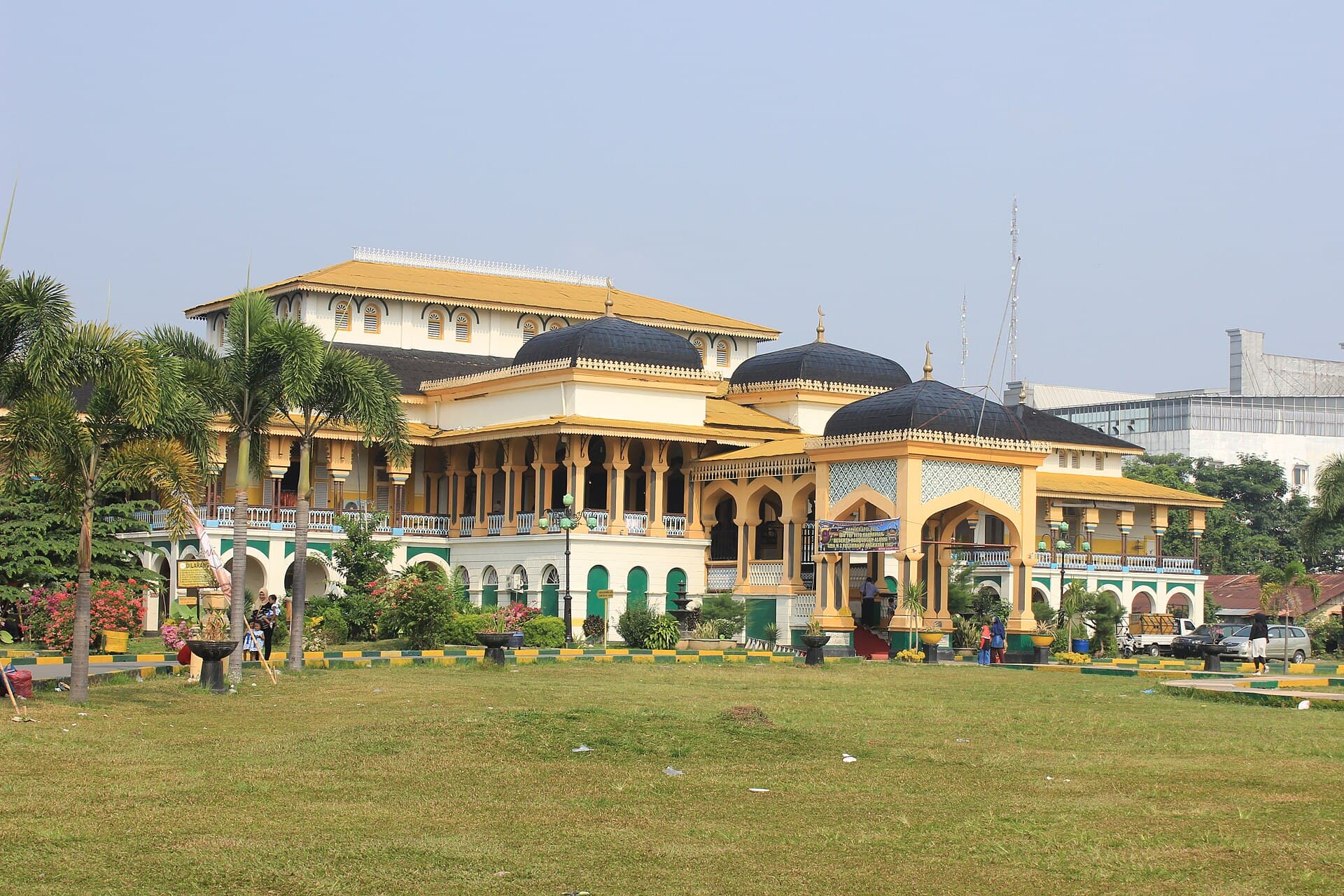 Maimun PalaceThe palace of the Deli sultans and Medan's leading historic landmark, built by S17 minutes walk
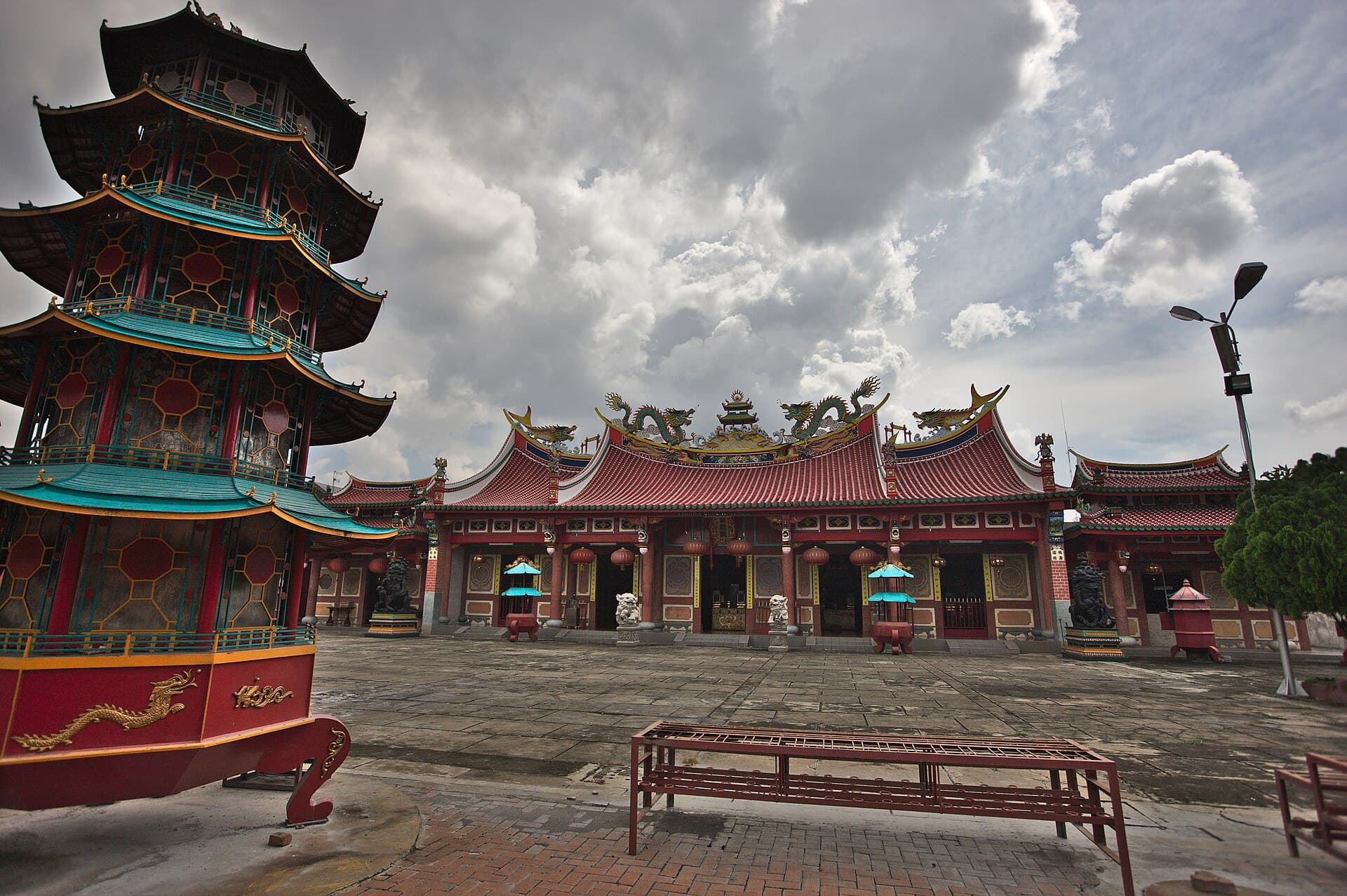 Vihara Gunung TimurMedan's largest Chinese temple and one of the largest Taoist temples in Indonesi19 minutes walk
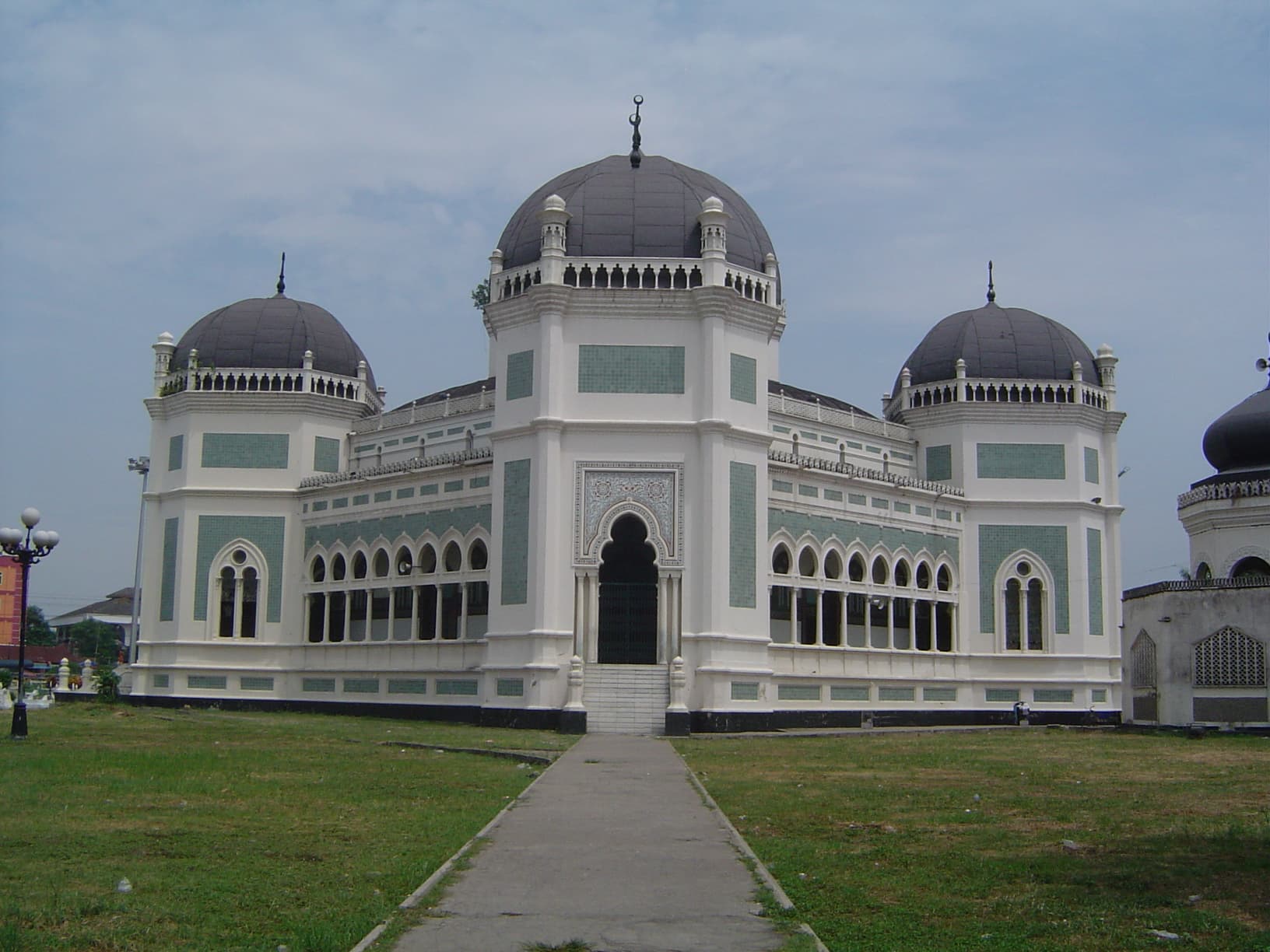 Grand Mosque of Medan (Masjid Raya Al-Mashun)Sumatra's most beautiful mosque and Medan's best-known landmark, built by Sultan19 minutes walk
 Rahmat International Wildlife MuseumA private museum in Medan holding one of the largest collections of mounted anim19 minutes walk
Because Deli tobacco grown around it became one of the world's most prized tobaccos in the late nineteenth century, drawing European companies and Chinese traders who built this commercial quarter.