The tower-top view
From the seven-storey inner tower the narrowest reach of the Dardanelles opens out below you, and the name lock of the sea explains itself.
Julian Nyča — CC BY-SA 4.0 · Leon petrosyan — CC BY-SA 4.0 · Dosseman — CC BY-SA 4.0 · Dosseman — CC BY-SA 4.0
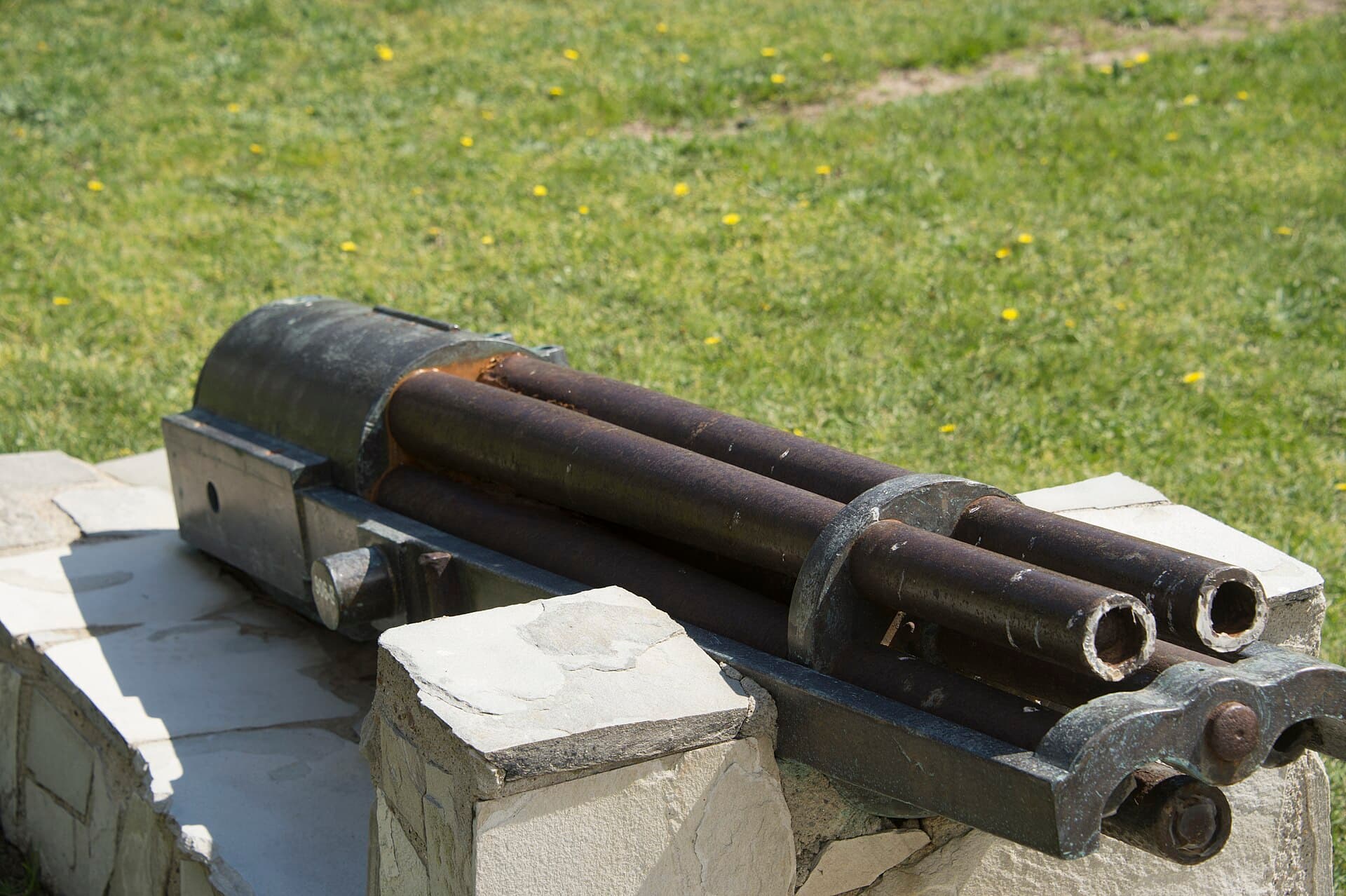
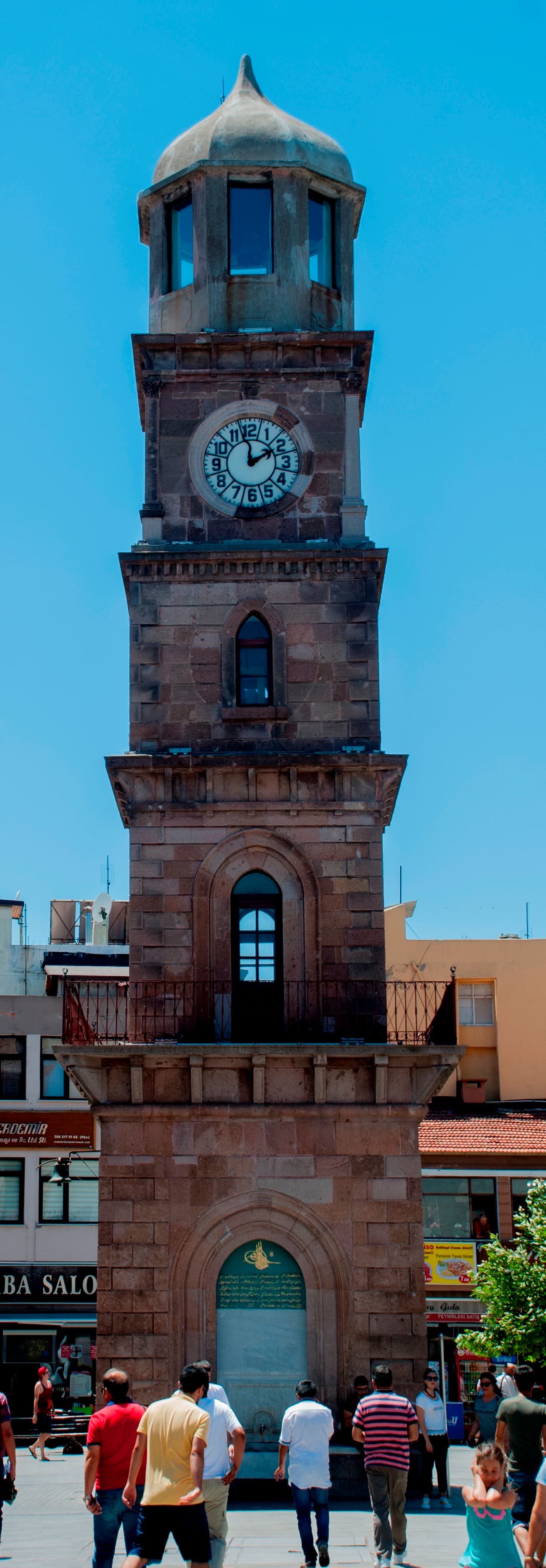
The name is the whole story: Kilid-ül Bahr, the lock of the sea. At the narrowest pinch of the Dardanelles, where barely a kilometre and a quarter of water separates Europe from Asia, Mehmed the Conqueror ordered two fortresses built face to face around 1463, this one on the European shore and Çimenlik in Çanakkale on the Asian side, so that their guns could cross over the strait and nothing could sail towards Istanbul without his say-so. It is not a ruin. The clover-leaf curtain wall wraps a seven-storey inner tower, and the Yellow Tower (Sarı Kule) that Suleiman the Magnificent added in 1541 still stands at the water's edge. Getting there is half the pleasure. From the pier in the centre of Çanakkale a car ferry runs straight to Kilitbahir; the crossing takes fifteen to twenty minutes and drops you a few steps from the walls. A foot passenger pays a trifle (a few dozen lira), a car several hundred lira each way, so leave the car in Çanakkale if the castle is the only goal. Driving round via the 1915 Çanakkale Bridge takes an hour and a half or more and makes no sense. On the ferry, look up at the hillside above the village: the huge white-lettered inscription «Dur Yolcu» (Stop, traveller) addresses everyone who passes through the strait and is one of the region's signature sights. Inside, a long restoration has turned it into a museum of Ottoman castle life: weapons and cannon, a section on the admiral-cartographer Piri Reis and his maps, and the inner tower's stacked floors on defence, trade, food and worship, with their timber floors rebuilt as they were. The real climax, though, is the wall walk and the top of the tower, where the whole strait opens out and you understand with your own eyes why this place was called a lock. It is all narrow stone and wooden stairs: children over six love it, but a pushchair goes no further than the lower courtyard. Allow one to two hours, and make it a half day by walking south along the shore to the Namazgah bastion (the combined ticket covers it) and on to the Seyit Onbaşı monument, the gunner who lifted a shell of some 275 kilograms during the battle of 18 March 1915. In August the ramparts are scorching and shadeless, so go in the morning; in winter the day usually ends around five or half past. The castle is closed on Mondays all year round.
From the seven-storey inner tower the narrowest reach of the Dardanelles opens out below you, and the name lock of the sea explains itself.
An artillery tower Suleiman the Magnificent added in 1541 right at the water's edge, the first thing you see as the ferry closes in.
The giant white letters on the hillside above the village, from a poem addressing everyone who sails past, best seen from the ferry deck.
Yalı Caddesi, Kilitbahir, Eceabat, Çanakkale
Yes, if you have half a day. Çimenlik is easier but smaller and flat; Kilitbahir is bigger and taller, the tower climb is the best view of the strait, and the ferry ride is a treat for children in its own right. With only an hour to spare, settle for Çimenlik.
On foot. The castle is a two-minute walk from the pier, and a passenger ticket is a few dozen lira against several hundred lira each way for a car. Take the car only if you are carrying on to the Gallipoli battlefields and cemeteries the same day.