
The consul's bequest
Built in 1896 with gold left by the Italian merchant-consul Emilio Vitalis; town lore says the same bequest paid for a clean-water line.
Acar54 — CC BY-SA 4.0 · Wiki leylek — CC BY 4.0 · Jorge Láscar from Australia — CC BY 2.0 · Dosseman — CC BY-SA 4.0
An Italian merchant named Emilio Vitalis, remembered in town as its honorary consul, left Çanakkale enough gold to build a clock tower, and, the story goes, to lay a clean-water line as well. So in 1896, under Sultan Abdülhamid II (the town's own signs round it to 1897) and overseen by the district governor Cemil Pasha, this tower went up at the mouth of Fetvane Street and became the address where the whole town arranges to meet. Local lore has it that Vitalis looked at a city that could neither tell the time nor find water, and fixed both with a single bequest. The tower is a slender stack of cut stone, some 20 metres over five storeys, square tiers narrowing as they rise, with a little balcony, pointed-arch windows and, at the top, an octagonal kiosk under an onion dome sitting over four round clock faces that look out to every side. The fourth storey that carries the dials was a later addition; local accounts tie the rebuild to the 1912 earthquake. At street level on the north side is a white-marble fountain, and above its basin an inscription of twenty-four couplets under the tughra of Abdülhamid II, dated 1313 in the old calendar. The most recent repairs cleaned the stone and closed the dome's openings with turquoise Çanakkale ceramic, so it looks better now than it has in decades. Be honest with yourself: this is a waypoint, not a destination. The interior is closed, there is no ticket and no climb, and the whole visit is a photograph and a few minutes before you move on. What earns those minutes is the position: a minute's walk from the ferry pier, at the junction where the lanes to the Aynalı Çarşı bazaar, the naval museum and the Kordon seafront all meet, so you will pass it several times a day without ever setting out for it. It is at its best in the evening, when the small square lights up, the cafés fill and the ferry crowds drift down towards the waterfront; at midday in August there is barely a sliver of shade here, so treat it as a pause between hotel and sea. The ground is flat and easy with a pushchair, and the square in front makes the obvious rendezvous for a family that has scattered through the old lanes.
Built in 1896 with gold left by the Italian merchant-consul Emilio Vitalis; town lore says the same bequest paid for a clean-water line.
Five storeys and some 20 metres of cut stone narrowing to an octagonal domed kiosk over four clock faces, with a tughra-topped fountain at its foot.
It stands where the lanes to the Aynalı Çarşı, the naval museum and the Kordon meet, which makes it the town's natural meeting point.
Kemalpaşa Mahallesi, entrance of Fetvane Sokak, Saat Kulesi Square
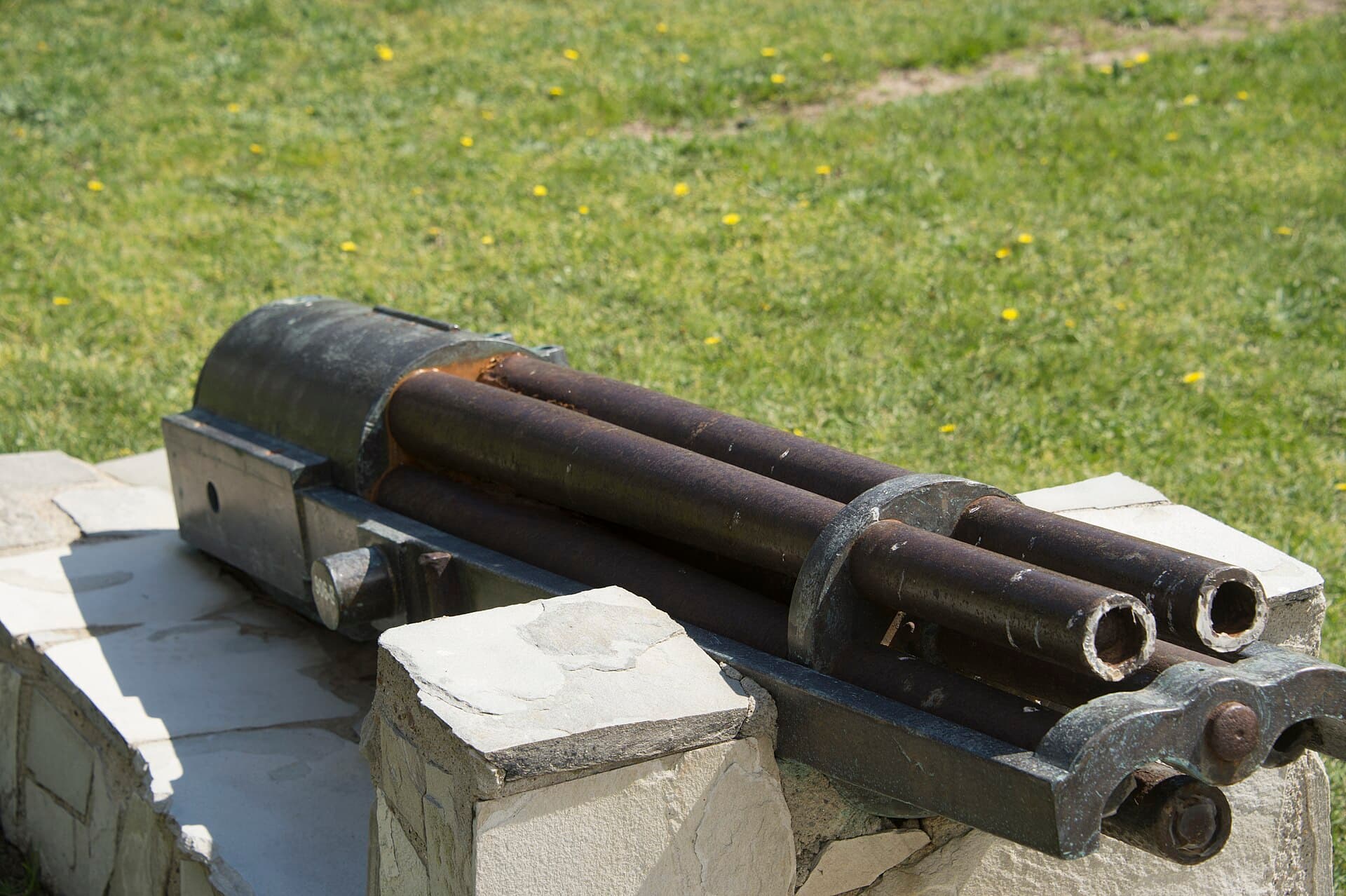 Çanakkale Naval Museum and Çimenlik CastleOne night in March 1915 a small ship called Nusret slipped into the strait and l3 minutes walk
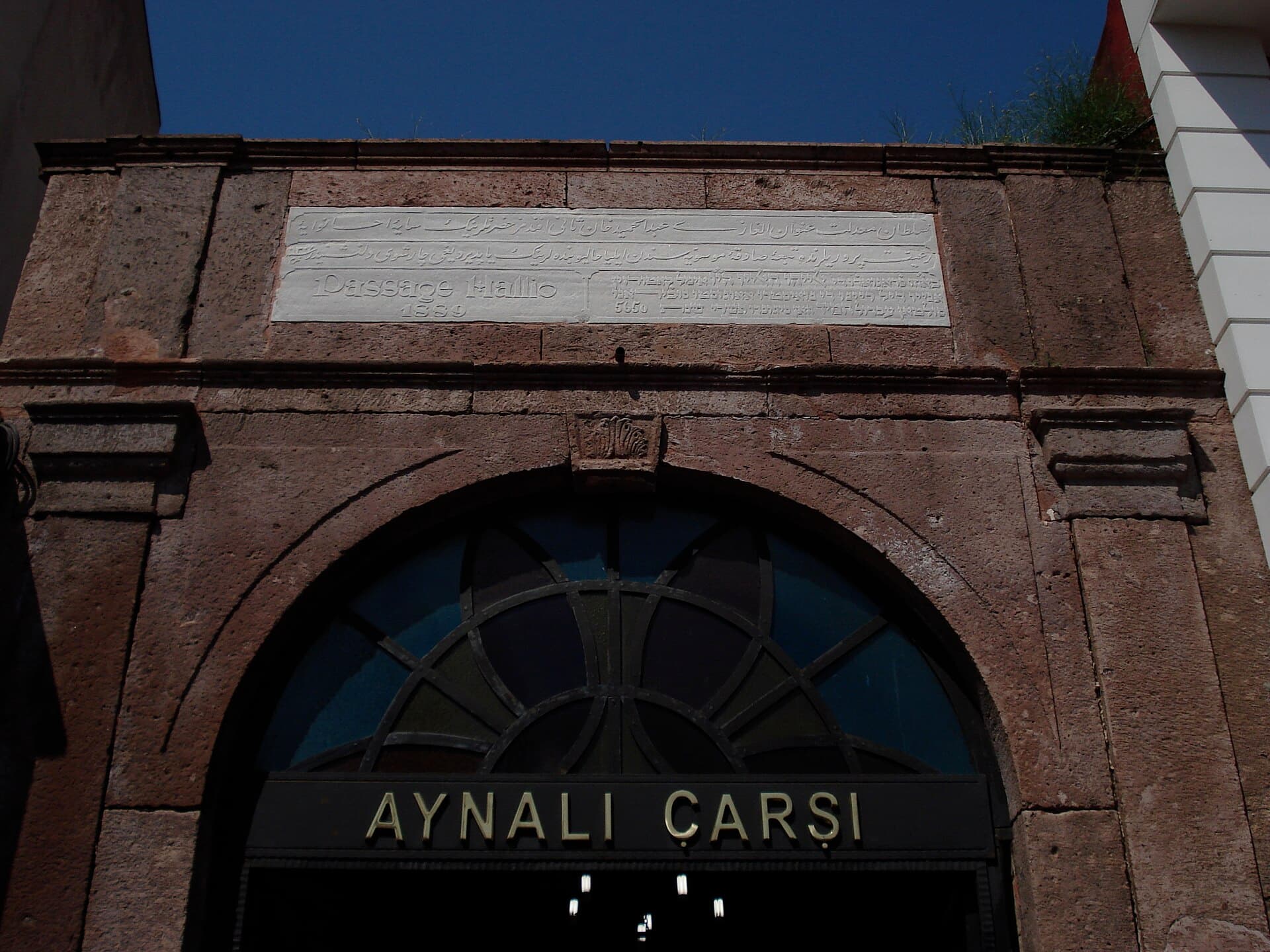 Aynalı Çarşı (Mirrored Bazaar)This is perhaps the most sung-about bazaar in Türkiye, and nobody visits it for 5 minutes walk
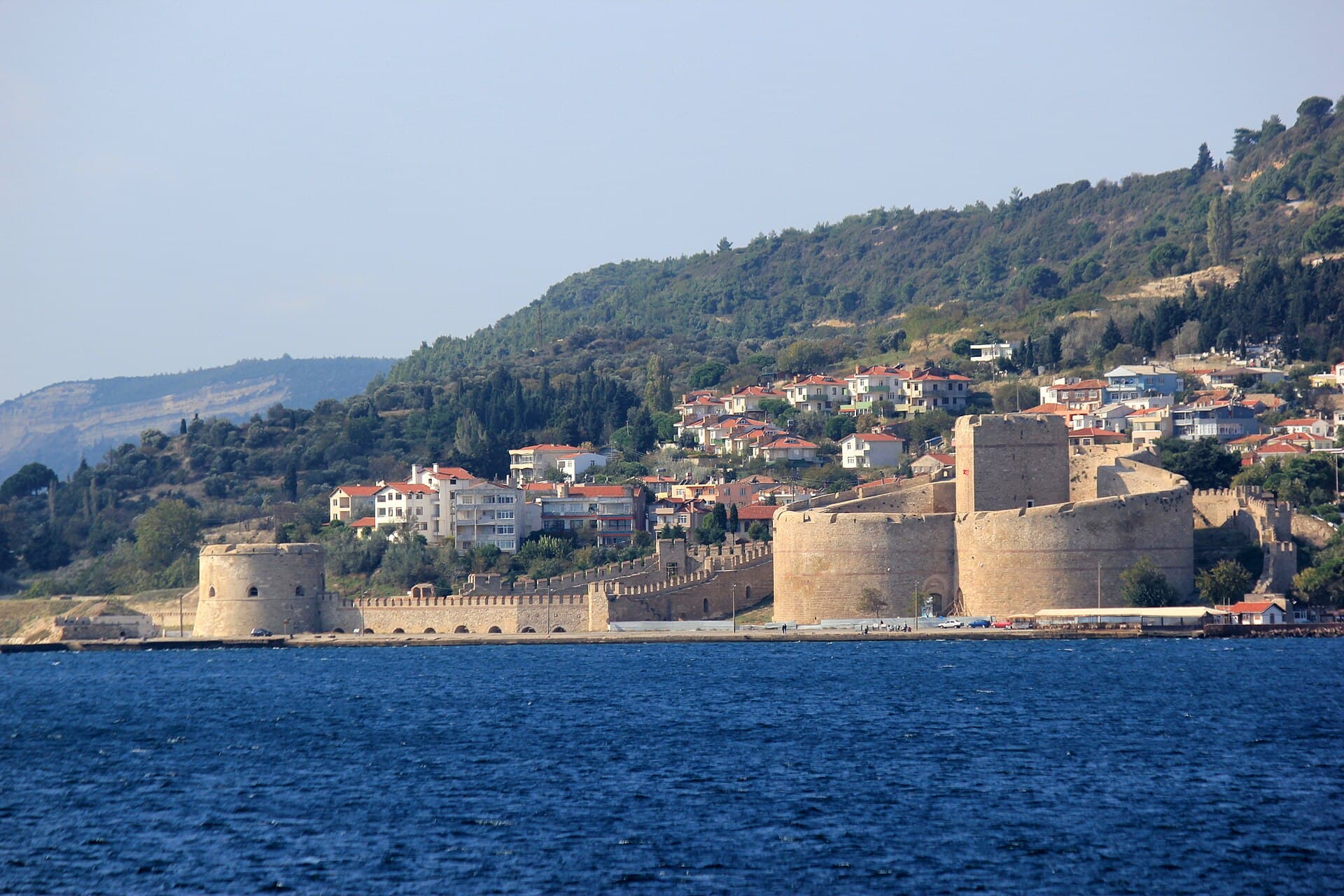 Kilitbahir CastleThe name is the whole story: Kilid-ül Bahr, the lock of the sea. At the narrowes24 minutes walk
Just pass it. The interior is closed, there is no climb and no view from the top, and it is a minute from the ferry so you will walk past it anyway on the way to the bazaar or the seafront. Make it an evening photo stop and keep your time for Çimenlik Fortress and the naval museum down on the shore.