
Long Gallery
Painted ceiling.
瑞丽江的河水 — CC BY-SA 4.0 · Rafesmar — CC BY-SA 4.0 · Zairon — CC BY 4.0 · Elena Tatiana Chis — CC BY-SA 4.0 · Janine Forbes — CC BY-SA 2.0 · drej84 — CC BY 3.0 · psyberartist — CC BY 2.0 · Zairon — CC BY 4.0
A stately castle built in 1260 on the bank of the River Nore to control its crossing and the meeting of several roads, a symbol of Norman power and part of the town's defences, with massive round corner towers and a ditch that can still partly be seen. The Butler family, Earls and later Dukes of Ormonde, lived here for centuries until the last of them sold it in 1967 for just £50 to the people of Kilkenny; the Office of Public Works now runs it after a major restoration that brought back its nineteenth-century grandeur. Its most famous room is the Long Gallery, a vast picture gallery with a painted wooden ceiling and walls hung with family portraits, along with reception rooms, a library and furnished bedrooms, and around the castle spreads a large park with lawns, a rose garden and a lake. Tickets are €8 self-guided and €12 guided; it opens daily 09:15–17:30 from April to September and 09:30–17:00 the rest of the year, per its official website, while the park is free.
Painted ceiling.
Norman might.
Free to roam.
The Parade, central Kilkenny
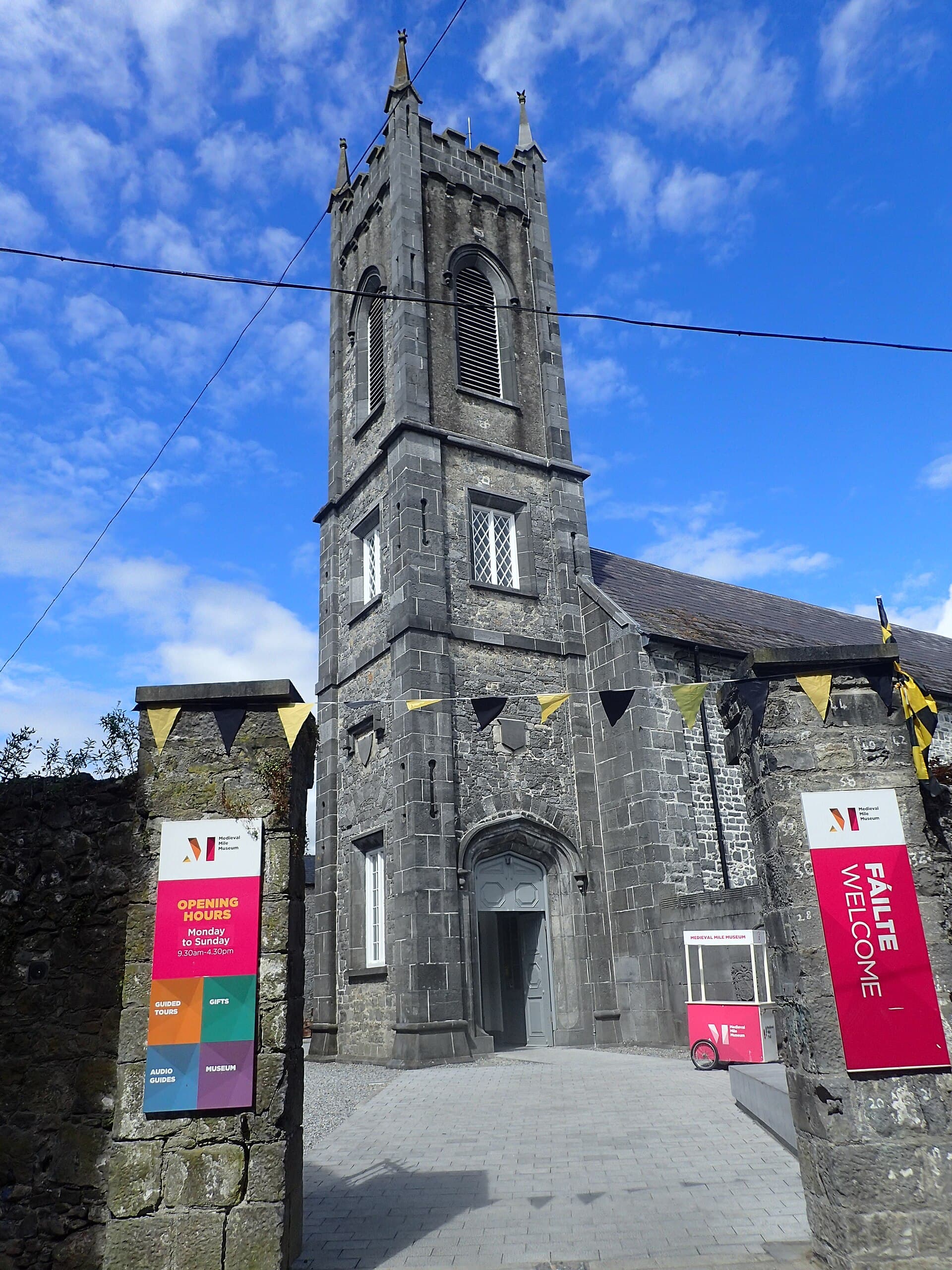 Medieval Mile MuseumA museum in the historic thirteenth-century St Mary's Church in central Kilkenny3 minutes walk4.7
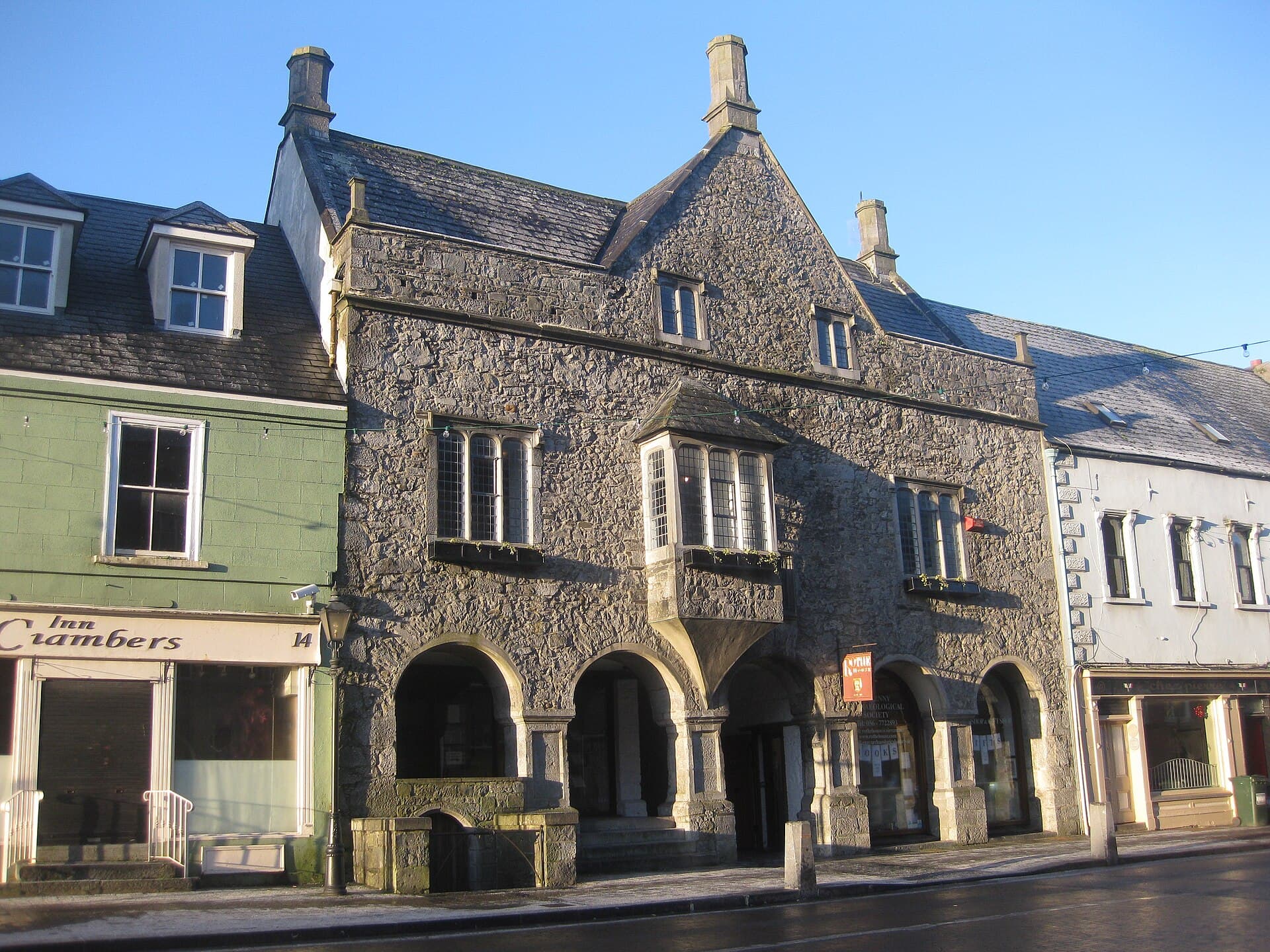 Rothe House and GardenA late sixteenth-century merchant's townhouse complex in Kilkenny, built by the 7 minutes walk4.5
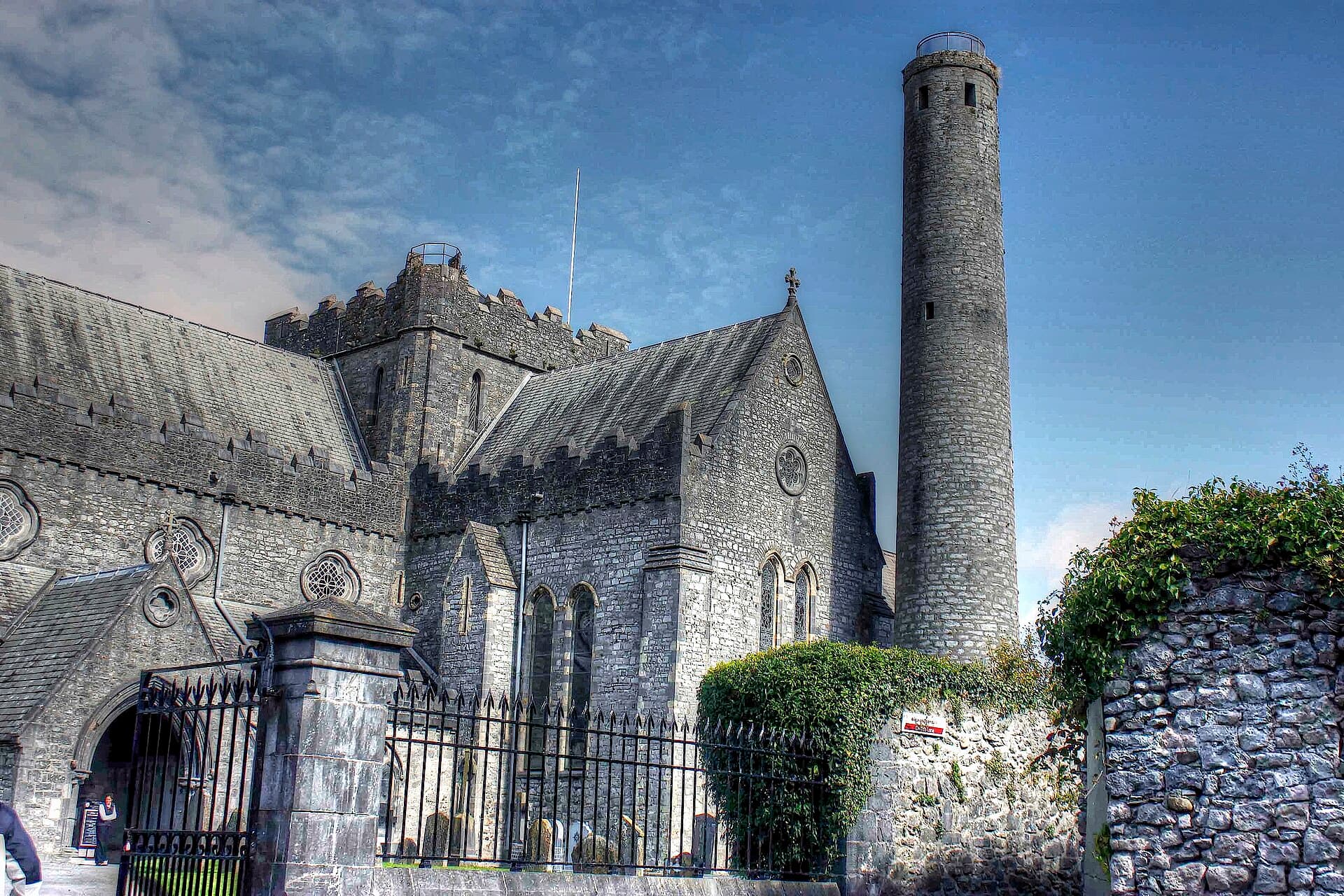 St Canice's Cathedral and Round TowerA thirteenth-century cathedral that gave Kilkenny its name, as Kilkenny means «C11 minutes walk4.7
€8 self-guided and €12 guided, per its official website; the park is free.