
The Art Pavilion
A striking yellow hall whose frame came from Budapest.
Branko Radovanović — CC BY-SA 4.0 · Branko Radovanović — CC BY-SA 4.0 · Falk2 — CC BY-SA 3.0 de · Falk2 — CC BY-SA 3.0 de
The first thing you see arriving in Zagreb by train is this square: it stretches directly in front of the central station with lawns, a fountain and straight walks, and at its far end the yellow Art Pavilion, beyond which the eye continues to the next square and the one after that. This is not chance but planning. The square is the first link in the Green Horseshoe, a sequence of seven squares and gardens arranged by the engineer Milan Lenuci in the late nineteenth century in a horseshoe around the lower town. The idea was that anyone arriving from the station should reach the city's heart through connected green space rather than streets. At the centre stands an equestrian statue of King Tomislav, the first Croatian king, of the tenth century. The Art Pavilion is remarkable in itself: its steel frame was built for the Budapest exhibition of 1896, then dismantled, moved to Zagreb and re-erected with a new facade — today it is a temporary exhibition hall.
A striking yellow hall whose frame came from Budapest.
Linked squares joining the station to the centre.
Trg kralja Tomislava, 10000 Zagreb
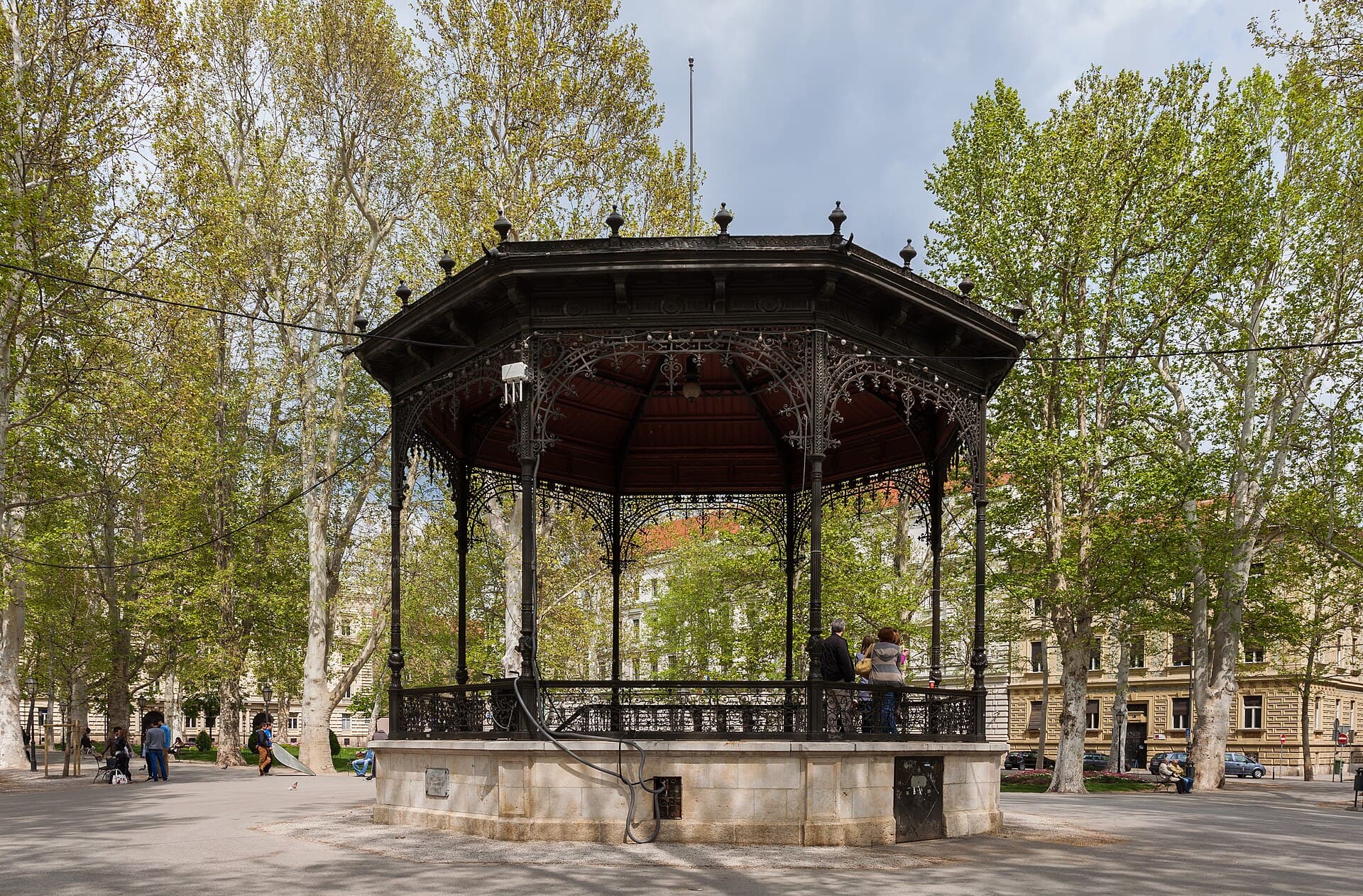 Zrinjevac & the Green HorseshoeZrinjevac is Zagreb's green salon: first garden of the Lenuci Horseshoe — seven 4 minutes walk4.9
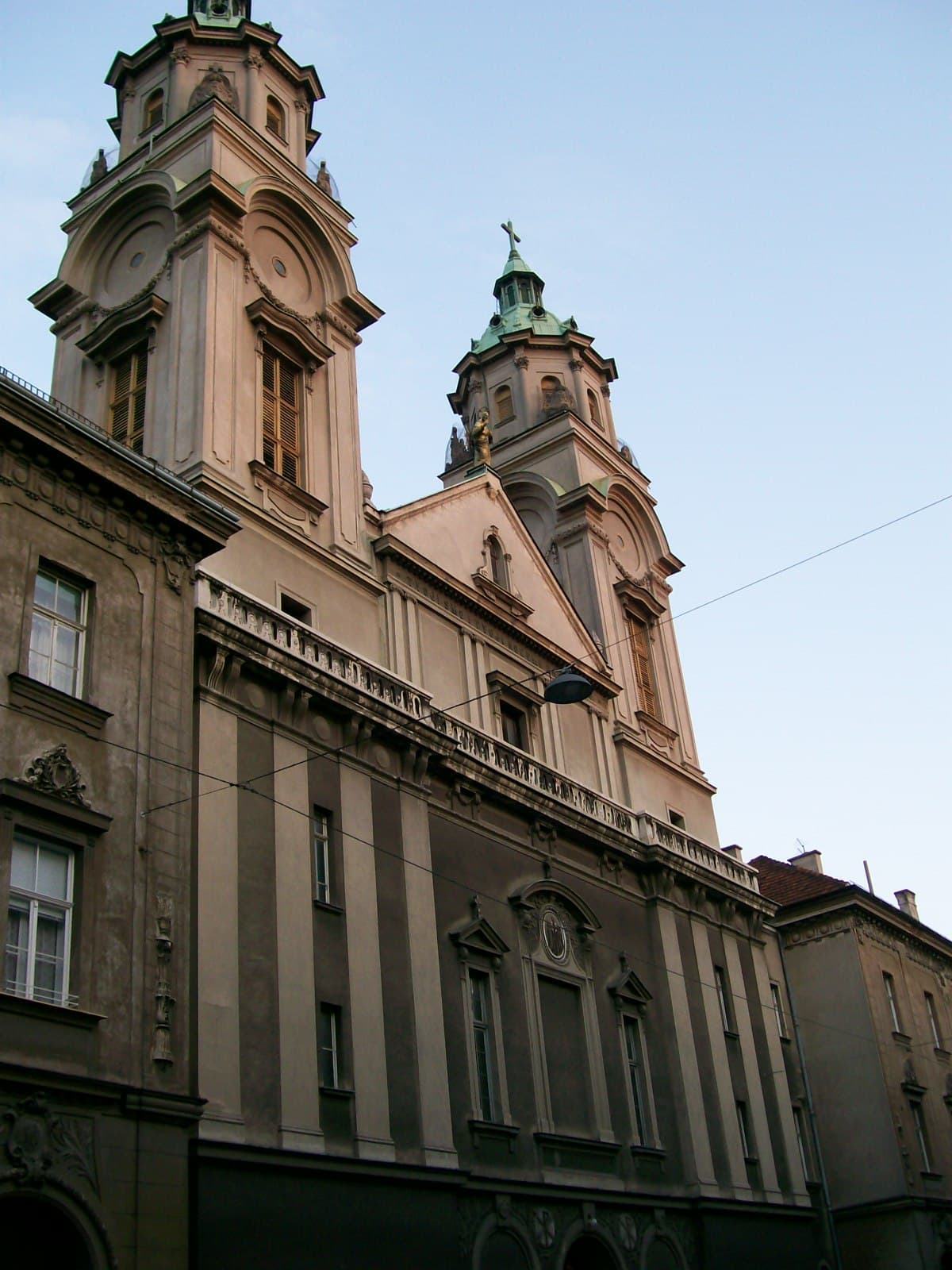 The Basilica of the Sacred HeartThe Basilica of the Sacred Heart is a Jesuit church on Palmotićeva street in Zag5 minutes walk4.8
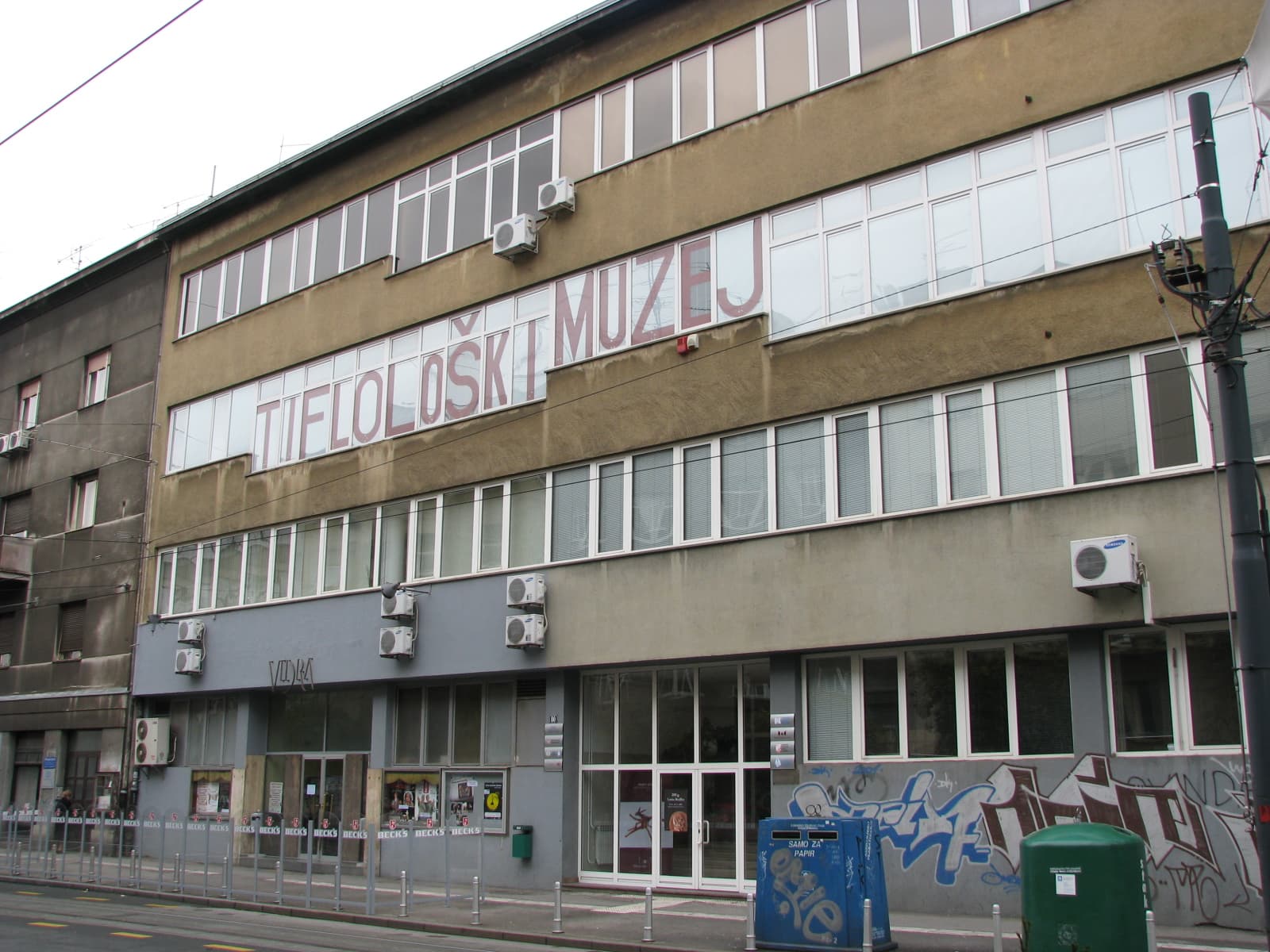 The Typhlological MuseumZagreb's Typhlological Museum is one of very few in the world devoted to the sub5 minutes walk4.8
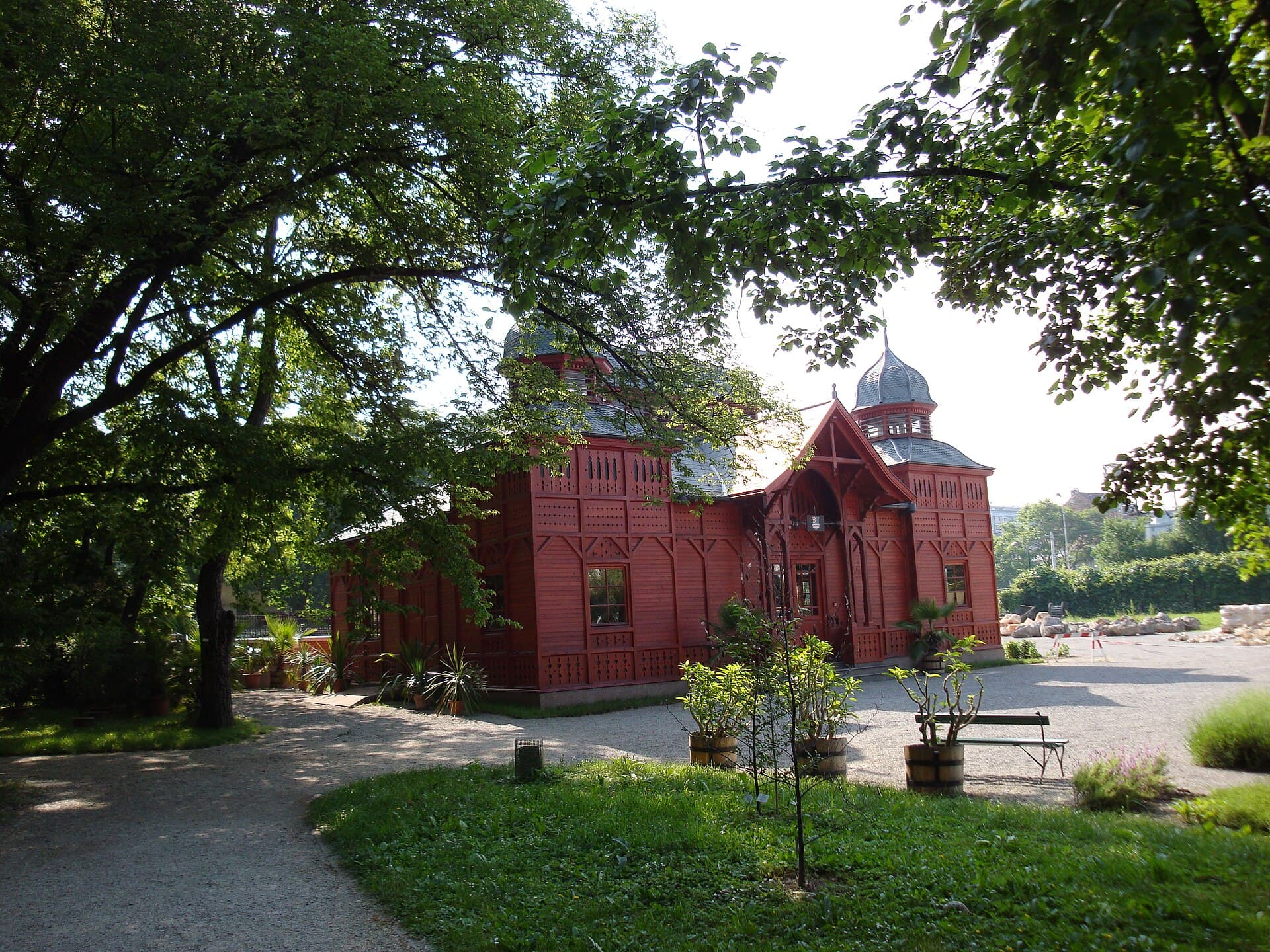 The Botanical GardenZagreb's botanical garden dates from 1889 and is one link in the Green Horseshoe7 minutes walk4.7
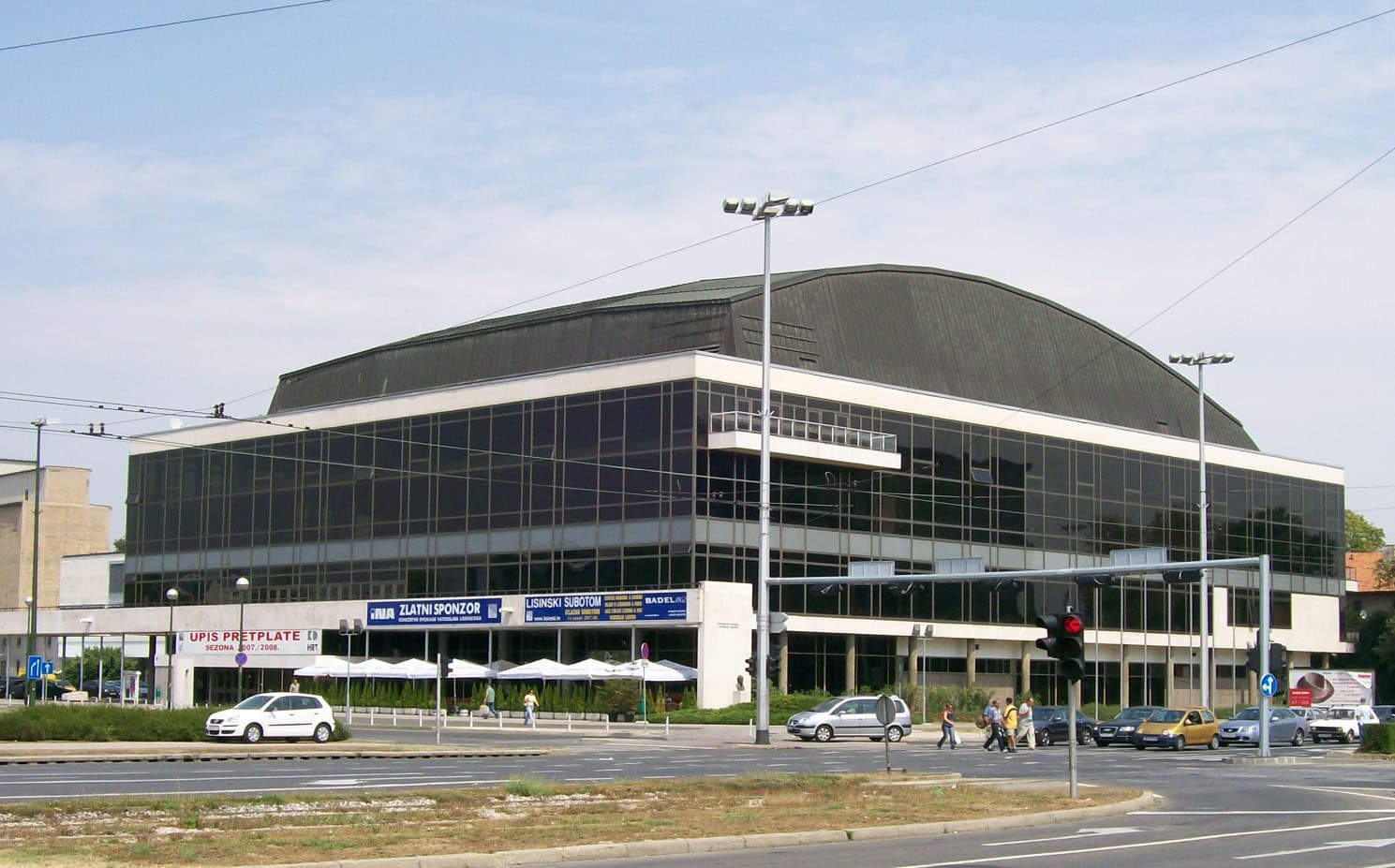 The Lisinski Concert HallThe Vatroslav Lisinski hall is Croatia's principal concert venue, opened in 19738 minutes walk4.8
Seven squares and gardens arranged in a horseshoe around Zagreb's lower town, designed in the late nineteenth century as the city's lungs. The full walk takes about ninety minutes: start at this square by the station, then Zrinjevac, then Strossmayer Square, then Marulić Square and the botanical garden, ending at the main square. It is flat, shaded and comfortable in summer.