
The plane shade
Two ancient rows over the walk.
Diego Delso — CC BY-SA 3.0 · Sharon Hahn Darlin — CC BY 2.0 · Suradnik13 — CC BY-SA 4.0 · Hijerovit — CC BY-SA 4.0
Zrinjevac is Zagreb's green salon: first garden of the Lenuci Horseshoe — seven green squares with which the engineer Lenuci drew the Lower Town (1880s) as a horseshoe embracing the centre: a planning stroke of genius that made Zagreb among Europe's greenest-hearted capitals. The park itself is the living nineteenth century: two rows of ancient planes shading the walk, a music pavilion (1891) with summer Sunday bands, the Mandel fountain and the weather column (1884) whose clock and barometer still work — Austro-Hungarian palaces walling it as galleries (the Academy, the Archaeological, the Crafts). Its seasons are city rites: the garden café and sun chairs in spring, the Sundays at Zrinjevac music evenings, and winter's Advent Zagreb turning it a light forest of stalls — the festival crowned Europe's best Christmas market three years running. From it the horseshoe walks to Tomislav square and the station: the green palace walk of half an hour.
Two ancient rows over the walk.
Clock and barometer working a century and a half.
Trg Nikole Šubića Zrinskog, 10000 Zagreb
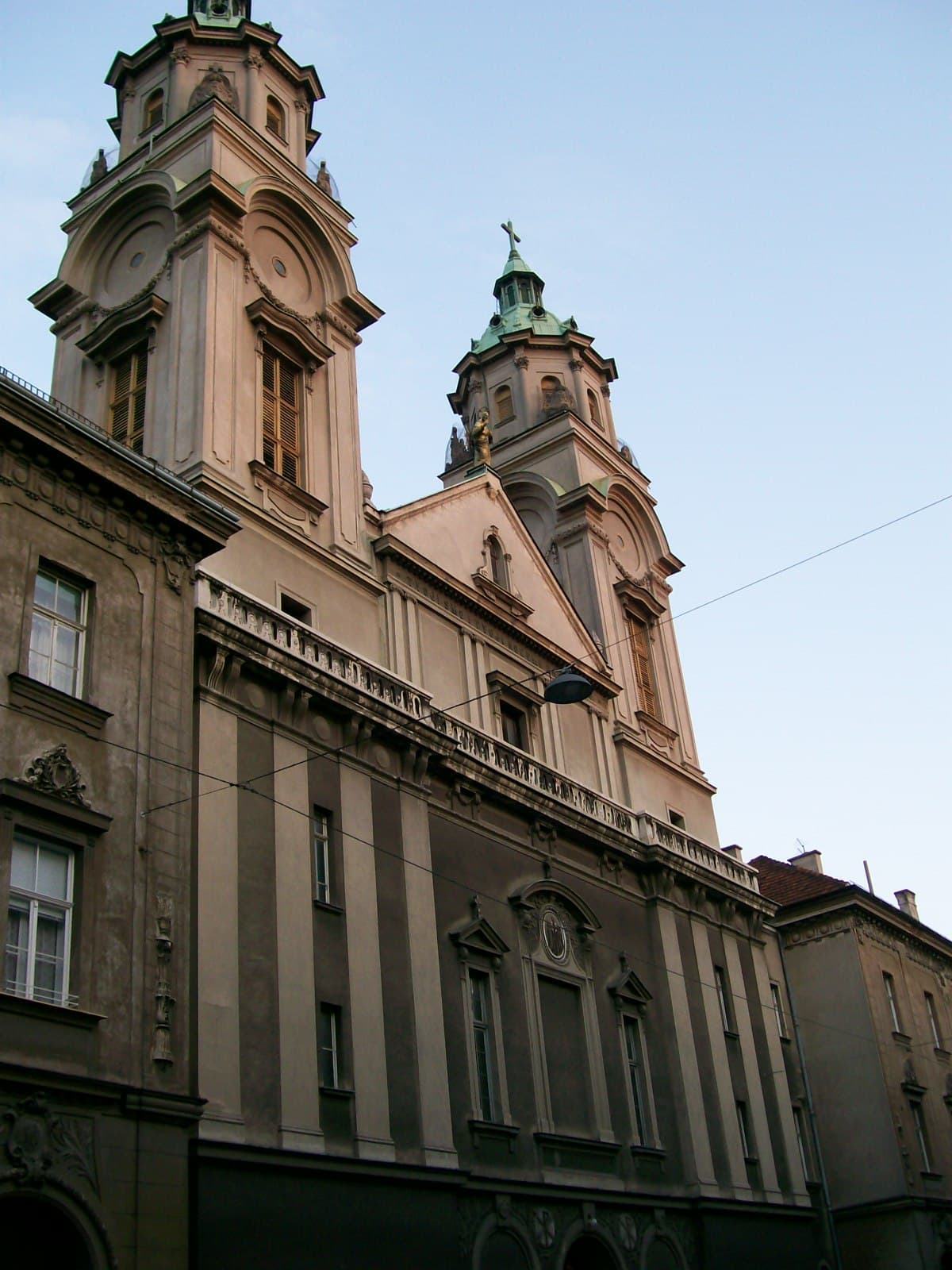 The Basilica of the Sacred HeartThe Basilica of the Sacred Heart is a Jesuit church on Palmotićeva street in Zag4 minutes walk4.8
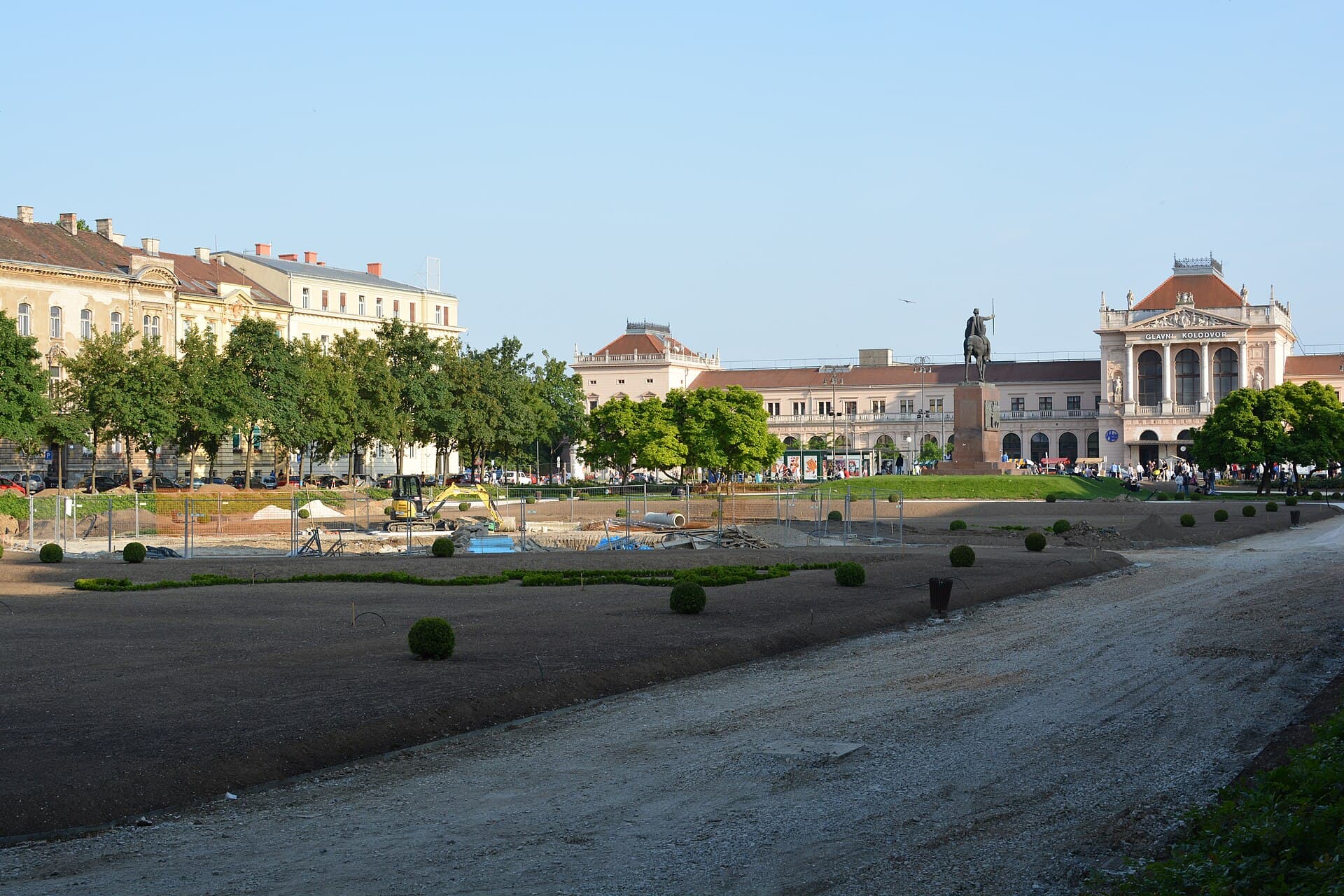 King Tomislav SquareThe first thing you see arriving in Zagreb by train is this square: it stretches4 minutes walk4.7
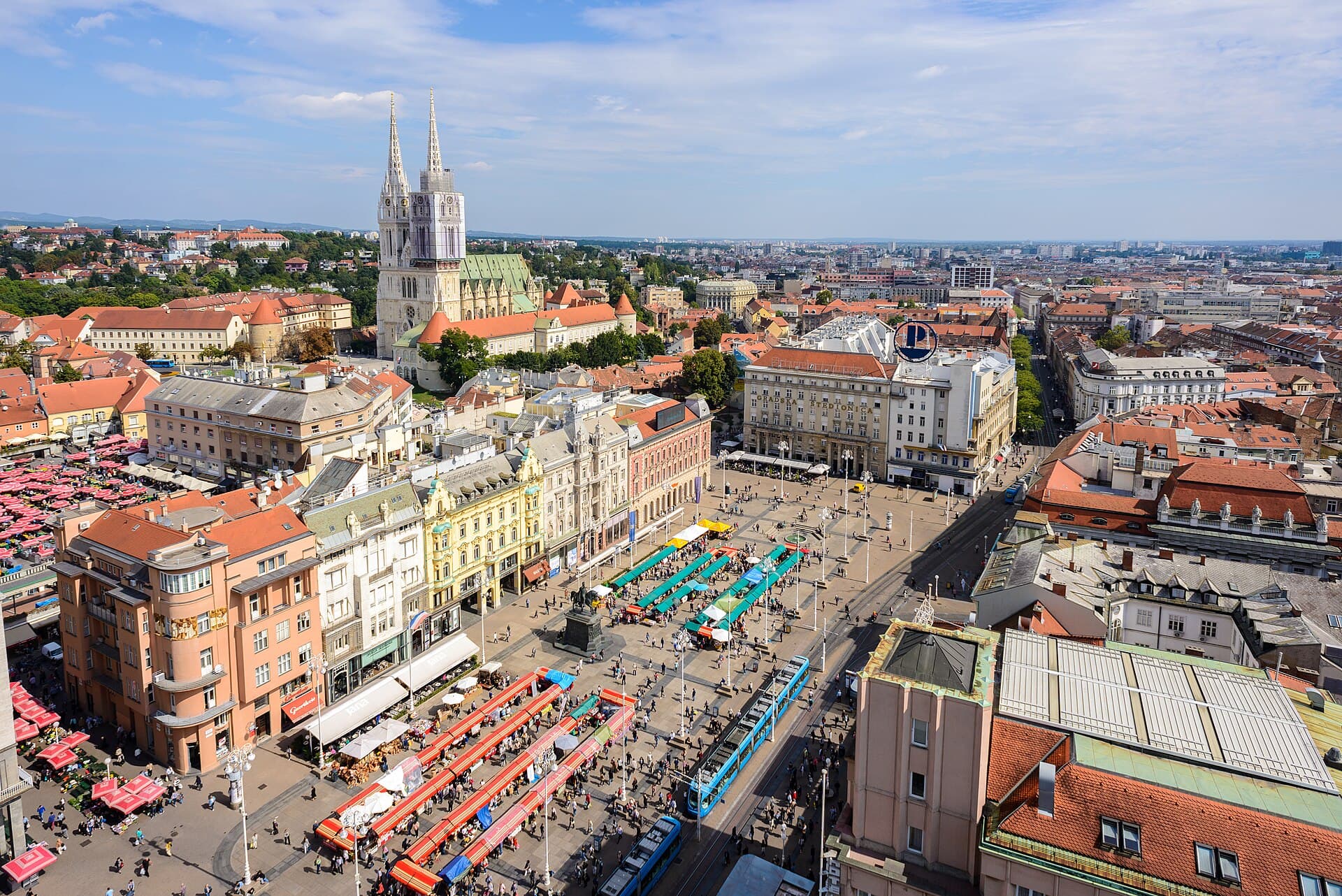 Jelačić Square & Dolac MarketJelačić Square is Croatia's point zero: every rendezvous is under the horse's ta5 minutes walk4.6
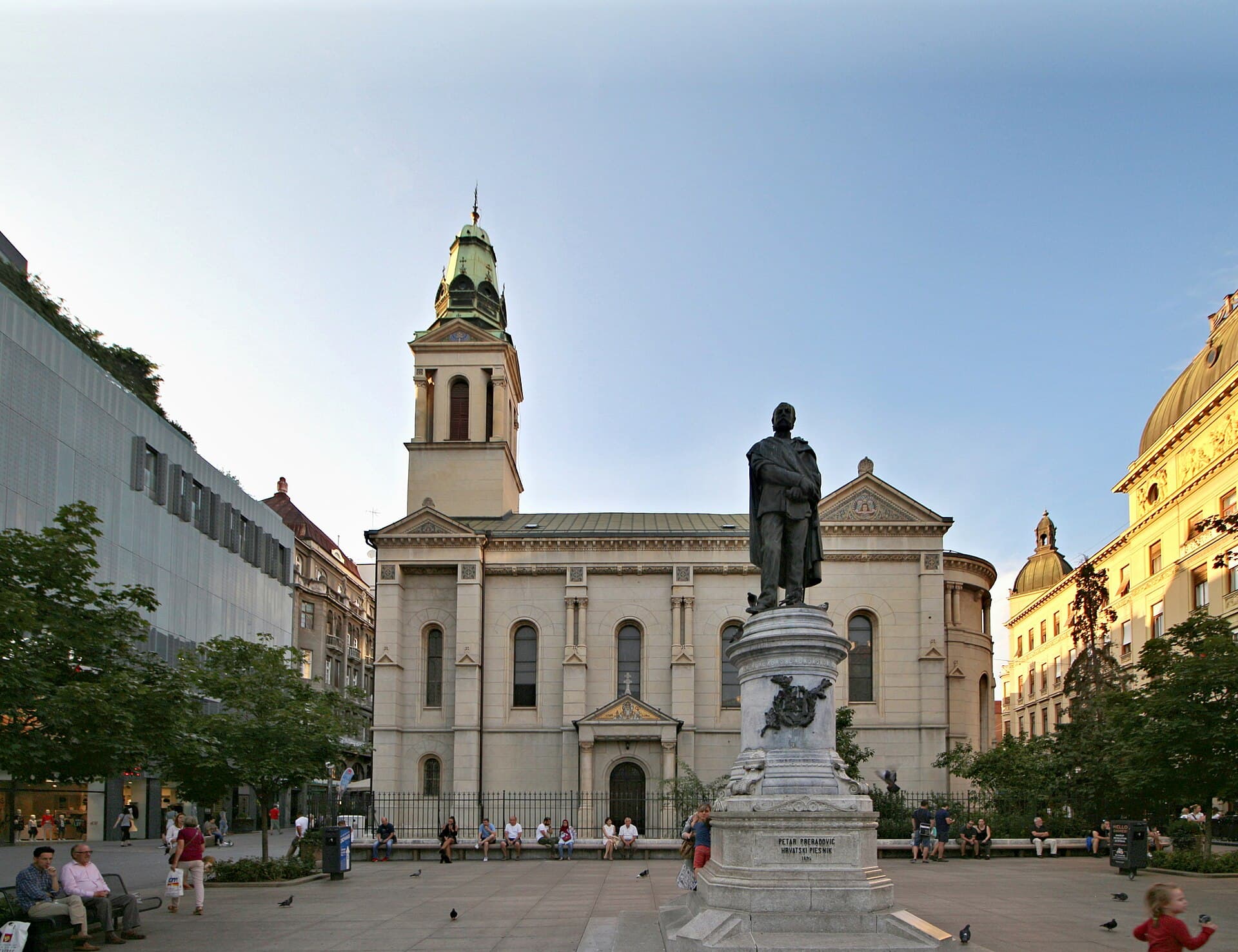 The Orthodox Cathedral of the TransfigurationThe Serbian Orthodox cathedral in Zagreb, on Preradović Square in the city centr6 minutes walk4.6
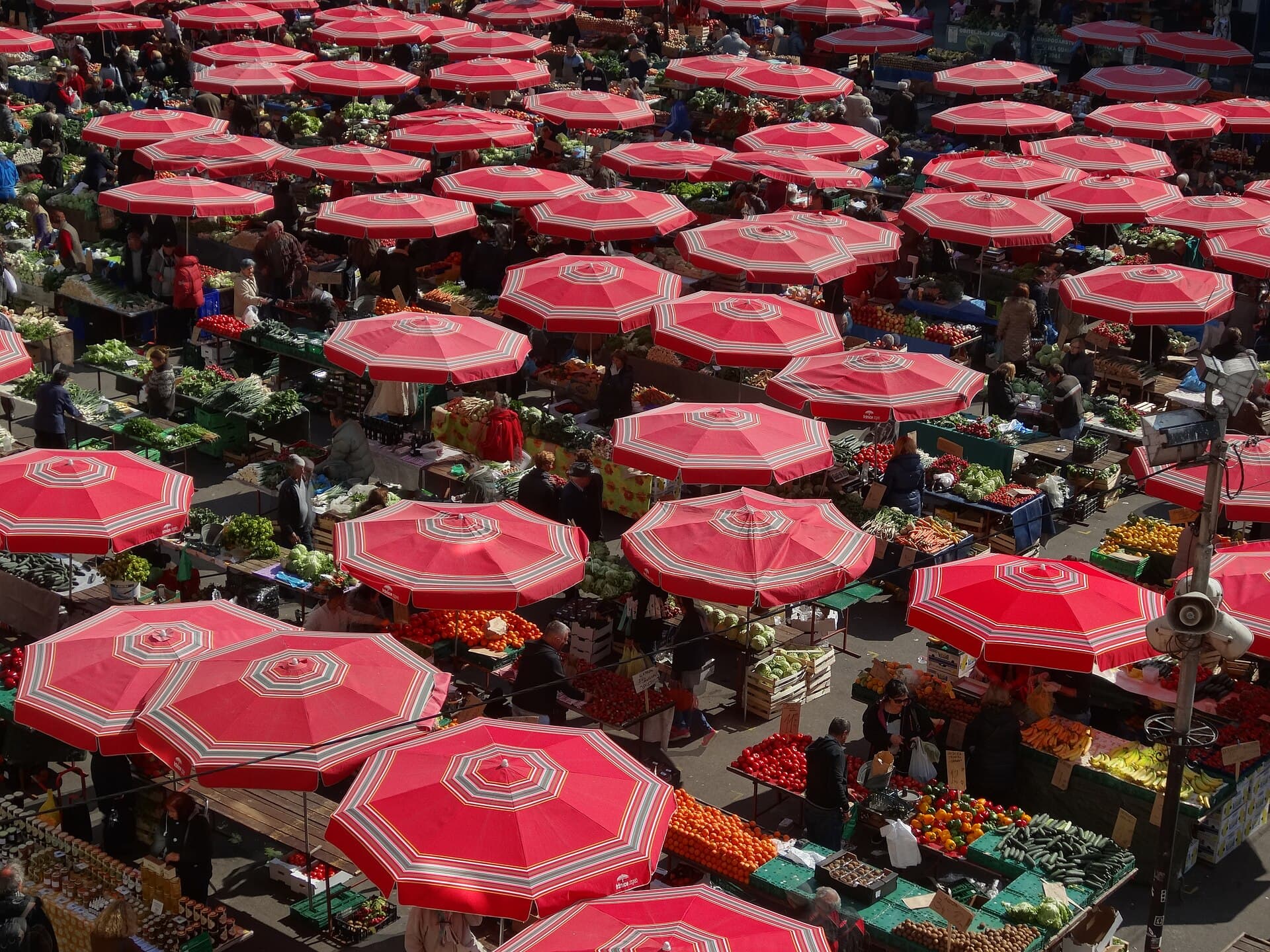 Dolac MarketZagreb's central food market, on a raised terrace directly above the main square6 minutes walk4.4
Zrinjevac, Strossmayer, Tomislav (with the yellow Art Pavilion before the station) — then the Botanical west and the academy squares up — an hour of palaces and green showing the whole Lower Town without one ordinary street. The station itself the elegant close: the 1892 hall where the Orient Express called.