A sultanate's capital
Johor's seat of power in the sixteenth century.
Chongkian — CC BY-SA 4.0 · Dhiauddin Iskandariah — CC0 · Chongkian — CC BY-SA 4.0 · Dhiauddin Iskandariah — CC0 · Chongkian — CC BY-SA 4.0
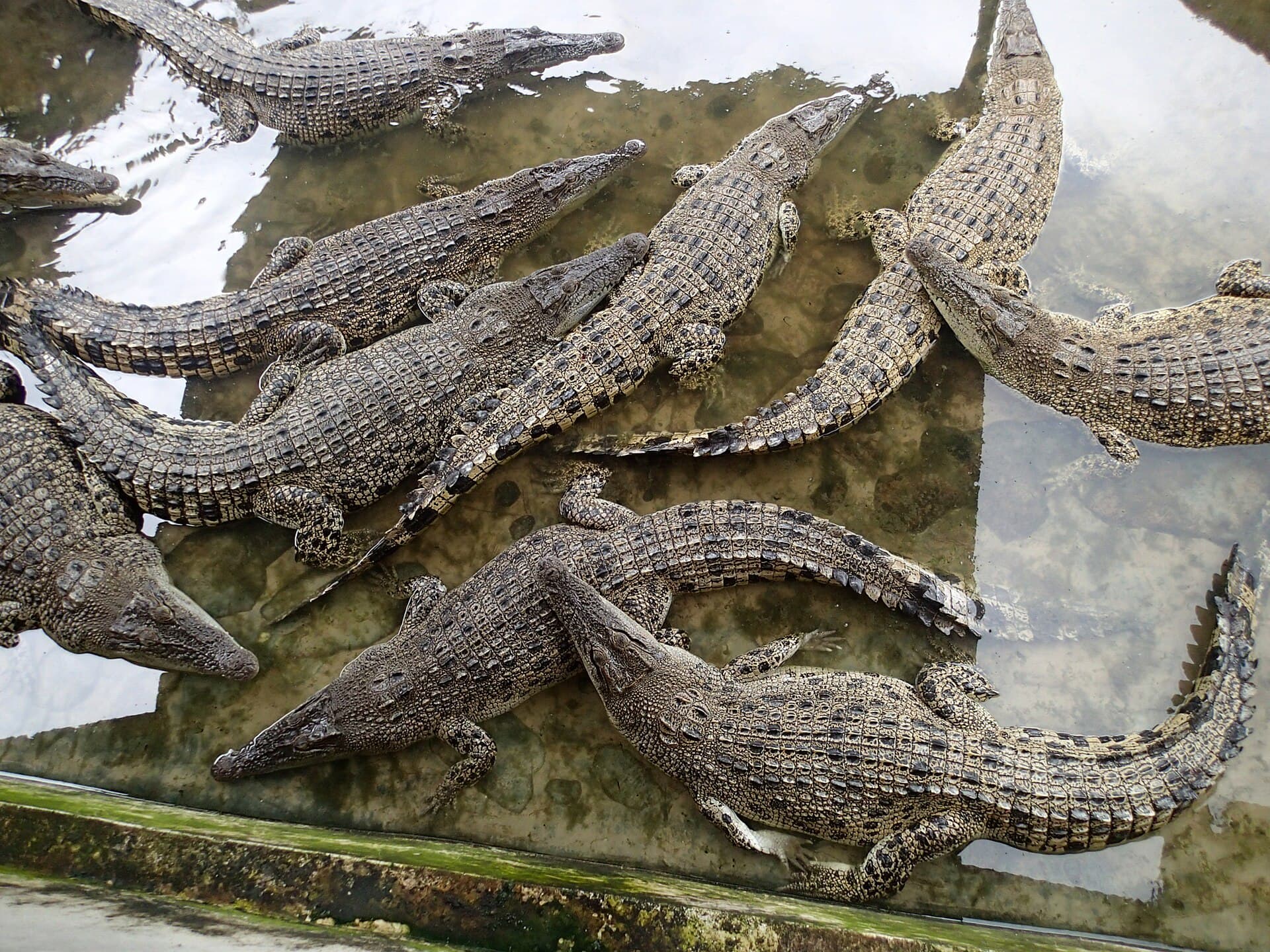
The remains of the fort that was the capital of the Johor Sultanate in the sixteenth century, on the bank of the Johor River, with a small museum beside it that tells its story. Here, around 1540, Sultan Alauddin Riayat Shah II, a son of Malacca's last sultan, built his fortified capital, a generation after Malacca fell to the Portuguese in 1511, and here the Johor Sultanate began. The town lived through a stormy century between rival powers: the Acehnese burned it in 1564 and carried off the sultan; Sultan Ali Jalla Abdul Jalil Shah rebuilt the capital in the 1570s; and in 1587 the Portuguese besieged it and destroyed the fort despite its thousands of defenders, after which the capital moved upriver. The fort's earthen rampart still shows among the trees above the river, and the museum next to it, built in the style of a traditional Malay house and opened in 2007, has sections on the sultanate's rulers, its trade and wars, the forts along the Johor River and finds from archaeological digs in the district. Entry is free, and it opens daily from nine in the morning to five in the afternoon. It is about an hour's drive from Johor Bahru, and the Teluk Sengat crocodile farm is minutes away, so pair the two in half a day. The village of Johor Lama itself deserves a short stroll, with its mosque and its jetty on the river.
Johor's seat of power in the sixteenth century.
What remains of the fort above the river.
Rulers, trade, wars and excavations.
Kampung Johor Lama on the Johor River, Kota Tinggi district, about an hour's drive from Johor Bahru
The earthen rampart that enclosed it, visible among the trees on the rise above the river; no buildings stand. The museum displays what the excavations found, so start there to make sense of the site.