
New Objectivity
A cold realism that depicted Weimar society without mercy in the 1920s.
Nobre Silva — CC BY-SA 4.0 · Immanuel Giel — CC0 · Immanuel Giel — CC0
An art museum in Mannheim combining a building of 1907 with a new one opened in 2017, covering art from the nineteenth century to the present. The new building is by the practice of von Gerkan, Marg and Partners, and its idea is a city within a city: separate exhibition cubes around a covered central courtyard, linked by bridges and walkways — so the visitor moves between buildings rather than between rooms. The facade is a bronze mesh that lets light through and lets you see the city. The collection is strong in German Expressionism and in New Objectivity — the movement that arose in the 1920s in reaction to Expressionism, with a cold sharp realism depicting Weimar society without mercy. The term New Objectivity was itself coined in Mannheim in 1925, at an exhibition held in this very museum. It also holds a strong collection of modern European sculpture — Rodin, Lehmbruck, Barlach and Calder. Mannheim itself is a planned city laid out on a grid of numbered blocks instead of street names, a system unique in Europe.
A cold realism that depicted Weimar society without mercy in the 1920s.
Rodin, Lehmbruck, Barlach and Calder in a strong collection.
Mannheim is laid out on numbered blocks instead of street names — unique in Europe.
Friedrichsplatz, central Mannheim
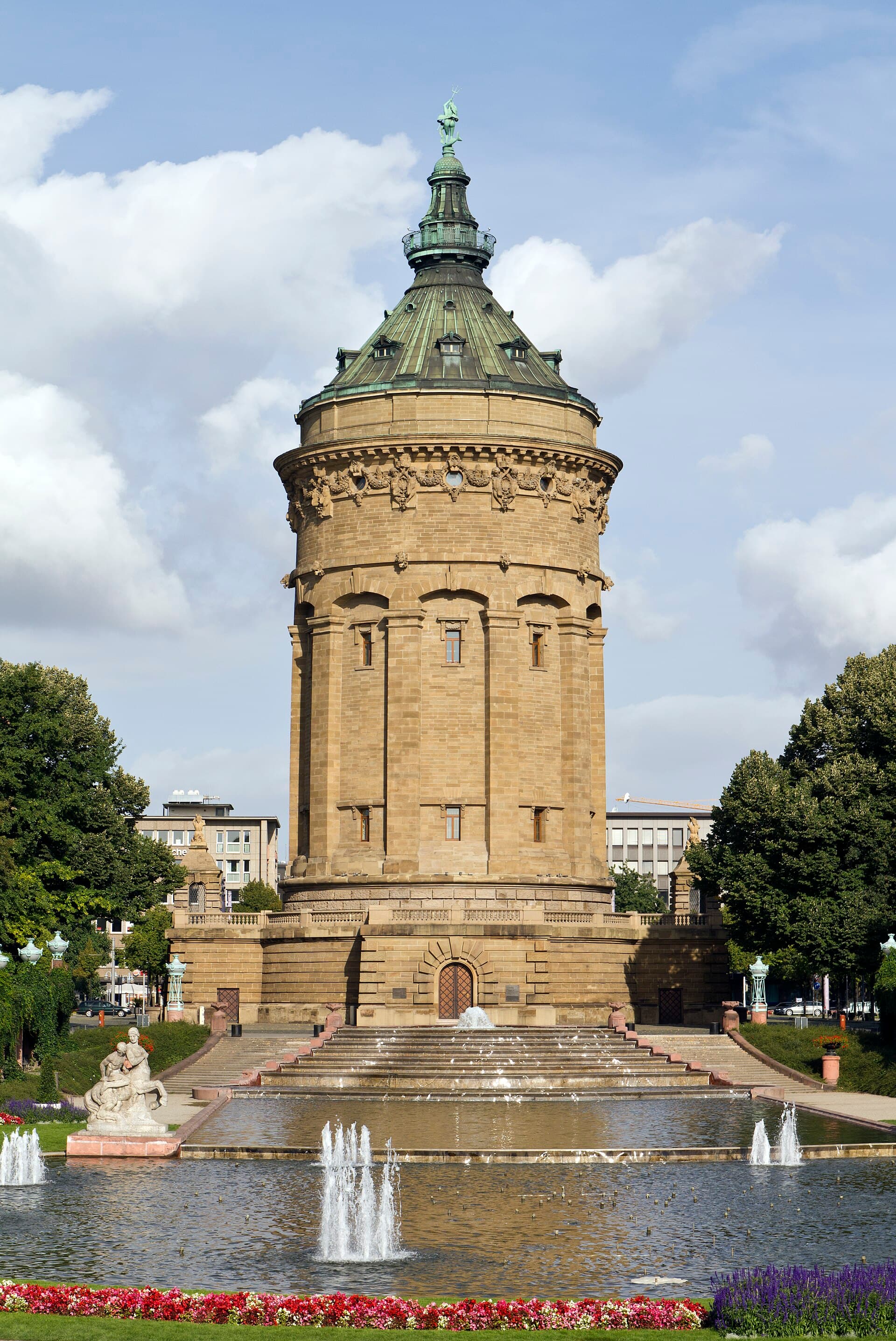 Mannheim Water TowerA late nineteenth-century water tower in the heart of Mannheim, the city's offic2 minutes walk4.7
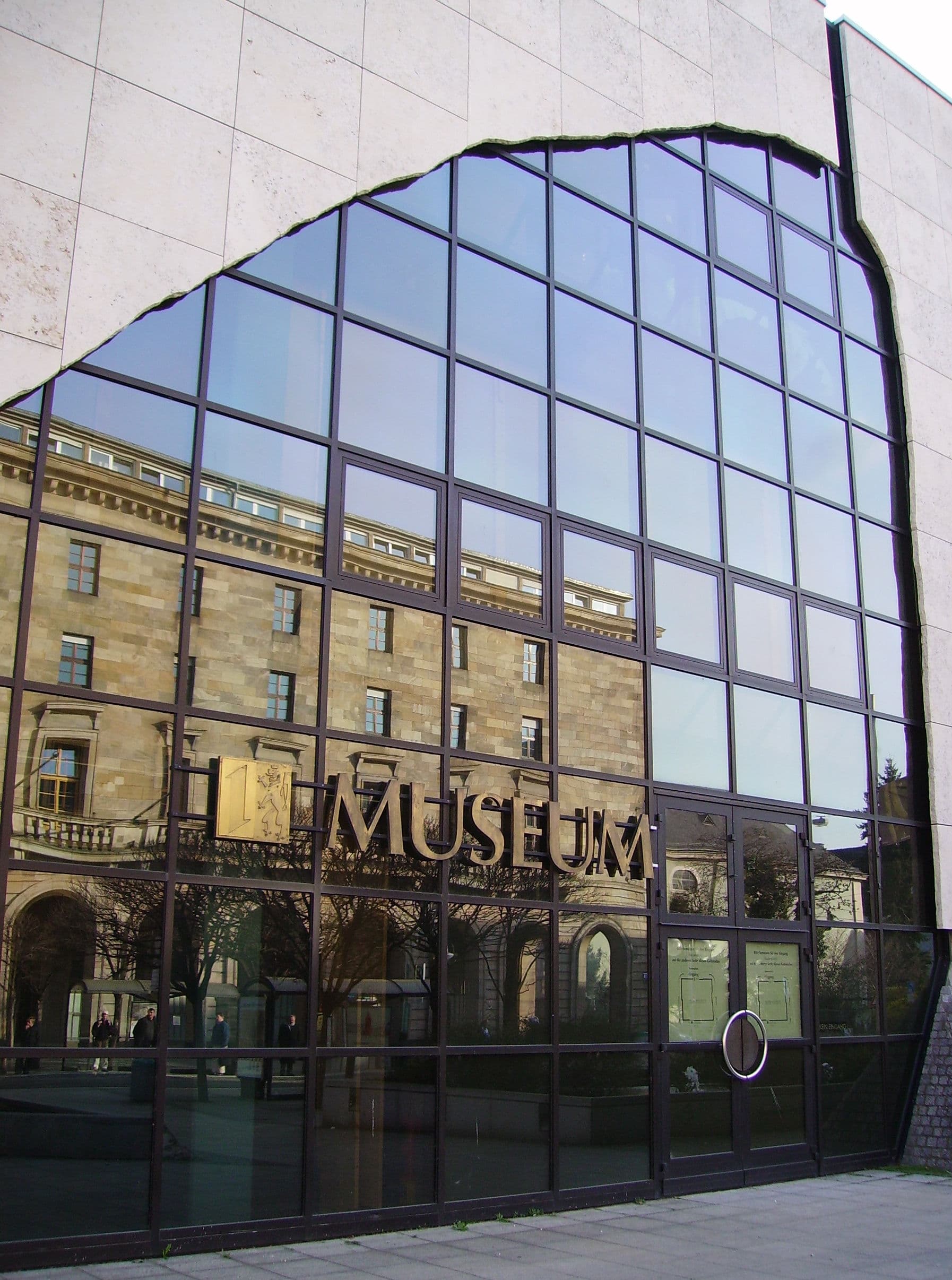 Reiss-Engelhorn MuseumsA group of museums in Mannheim spread across several historic buildings, coverin15 minutes walk4.3
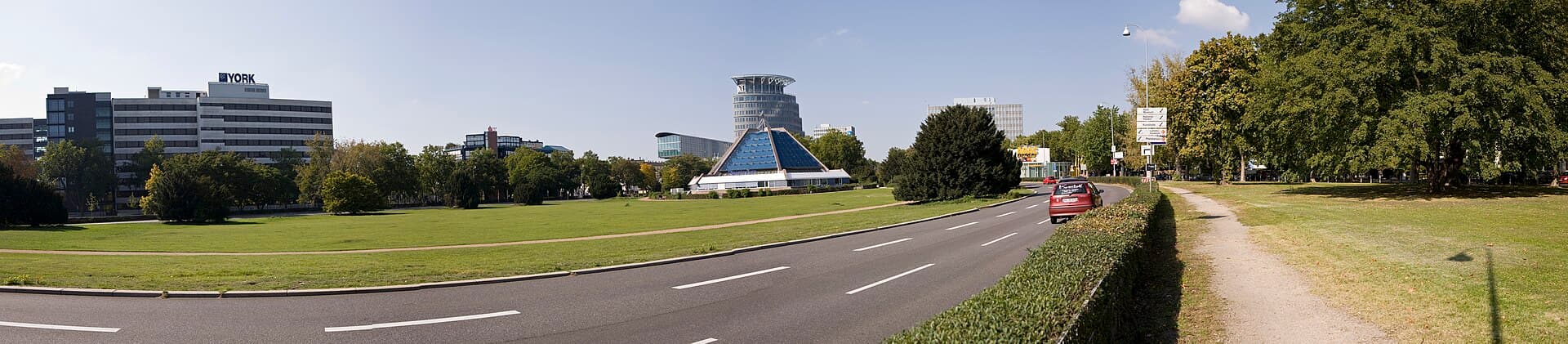 Planetarium MannheimA planetarium in Mannheim, among the oldest still operating in Germany, about tw18 minutes walk4.6
A German artistic movement of the 1920s that answered the emotionalism of Expressionism with a cold, precise realism. Its painters — Otto Dix, George Grosz, Christian Schad and others — depicted Weimar society as they saw it: soldiers disfigured by the war, profiteers, prostitutes and a hollow bourgeoisie. Their aim was not beauty but harsh documentation. The Nazi regime later crushed the movement and labelled its work degenerate art.
The city was planned in the seventeenth century as a fortress town on a regular grid, and its streets were not named but its blocks lettered and numbered — A1, C4 and so on — and addresses are still written that way today. The result is that an address in Mannheim reads more like a chess coordinate than an address, a system without parallel in a major European city.