
The undulating floor
Ground that deliberately rises and falls under your feet — the experience the artist wrote everything about.
C.Stadler/Bwag — CC BY-SA 4.0 · Jules Verne Times Two — CC BY-SA 4.0 · Jules Verne Times Two — CC BY-SA 4.0 · Afifa Afrin — CC BY-SA 4.0
A nineteenth-century furniture factory that Hundertwasser redesigned entirely as his own museum: the same vocabulary as his famous house nearby — coloured tiled façade, undulating floors, trees out of the windows — except here you can go in and walk through it. Two floors are given to his own work: paintings, prints, posters and ecological projects, including designs for buildings, ships and waste incinerators that he made look like toys. Two more host temporary photography exhibitions, which the museum runs to a consistently good standard. The place is unexpectedly restful: a café inside dense with plants, and uneven passages that make you notice your own footing in a strange, pleasant way. If the Hundertwasserhaus intrigued you from outside, this is where you actually understand it.
Ground that deliberately rises and falls under your feet — the experience the artist wrote everything about.
An incinerator, stations and public buildings designed to look like toys — some of them standing in Vienna today.
Dense planting and natural light at the building's centre — a genuinely restful pause mid-day.
Untere Weißgerberstraße, Vienna
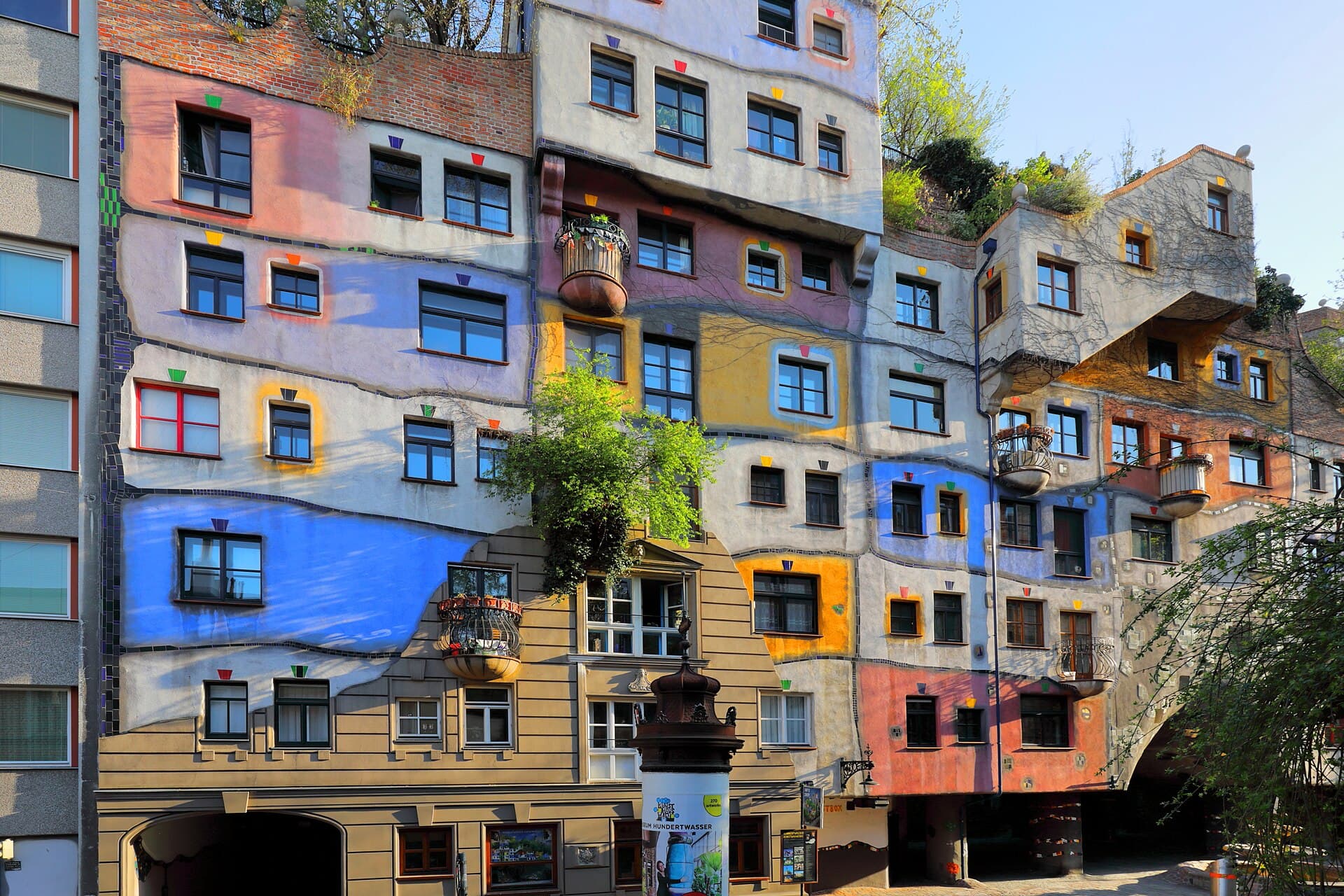 HundertwasserhausA municipal housing block designed by the artist Friedensreich Hundertwasser in 5 minutes walk4.4
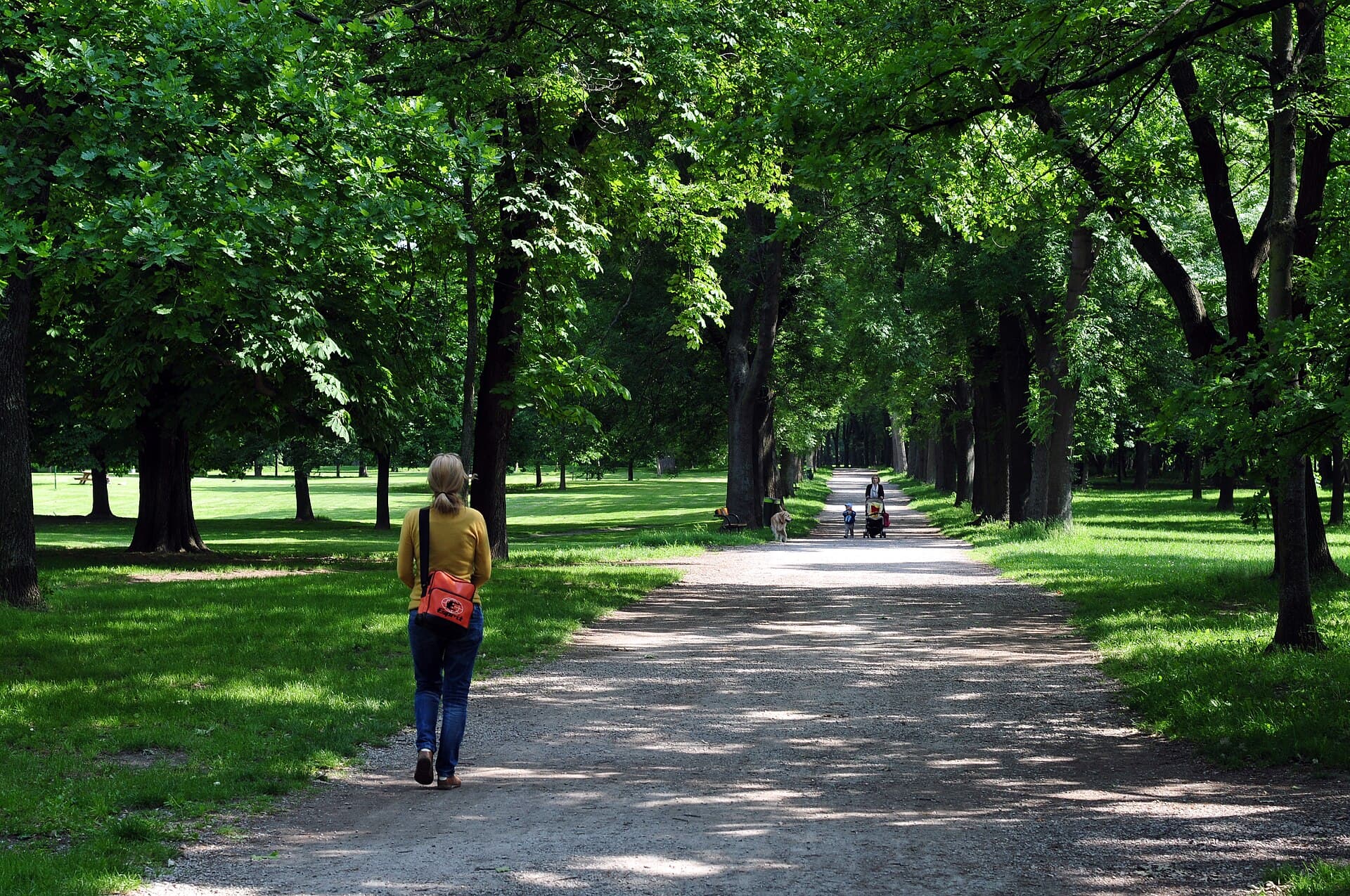 PraterIt was a closed imperial hunting ground until Emperor Joseph II opened it to the7 minutes walk4.7
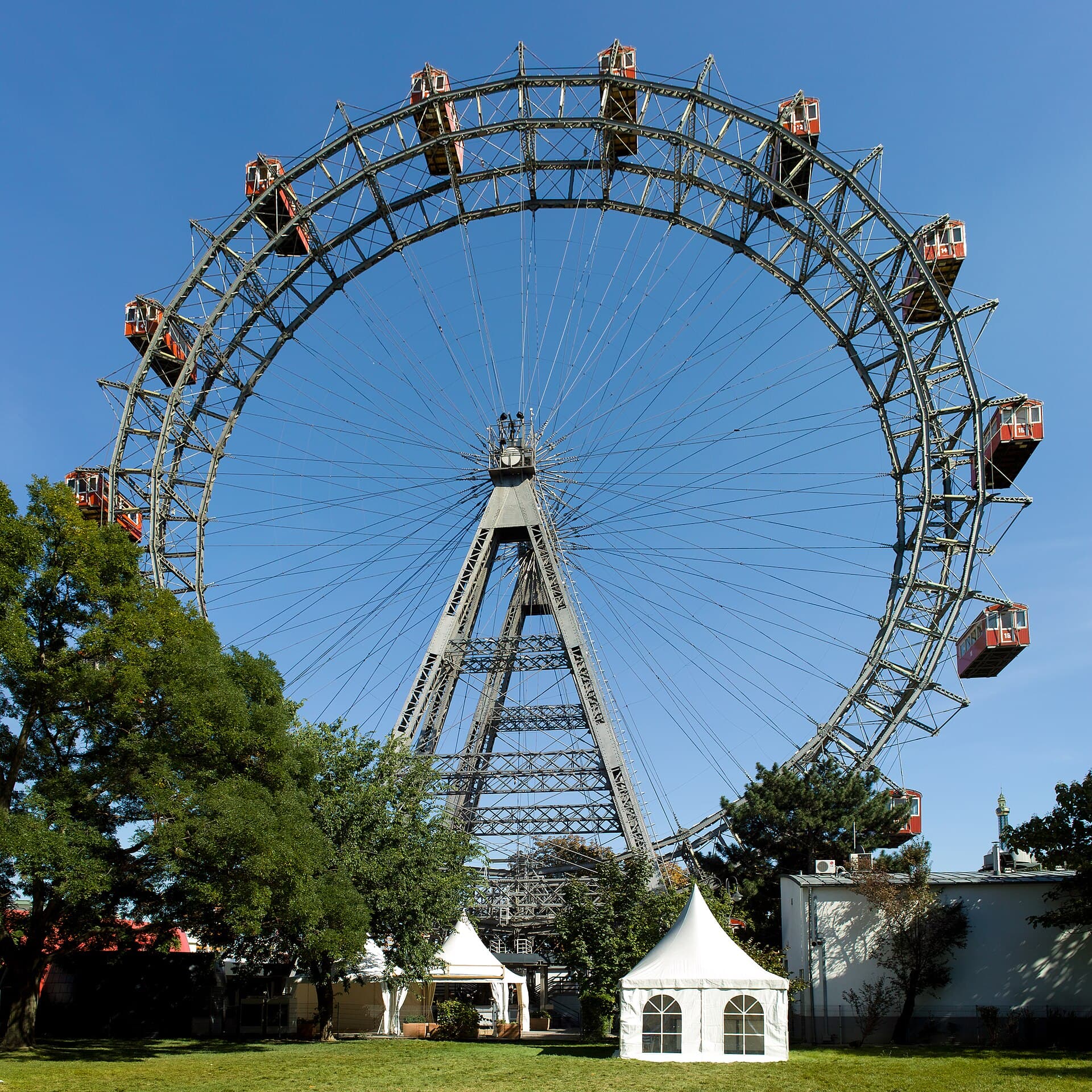 Wiener RiesenradThe wheel that became Vienna's emblem on covers and stamps: built in 1897 for th8 minutes walk4.6
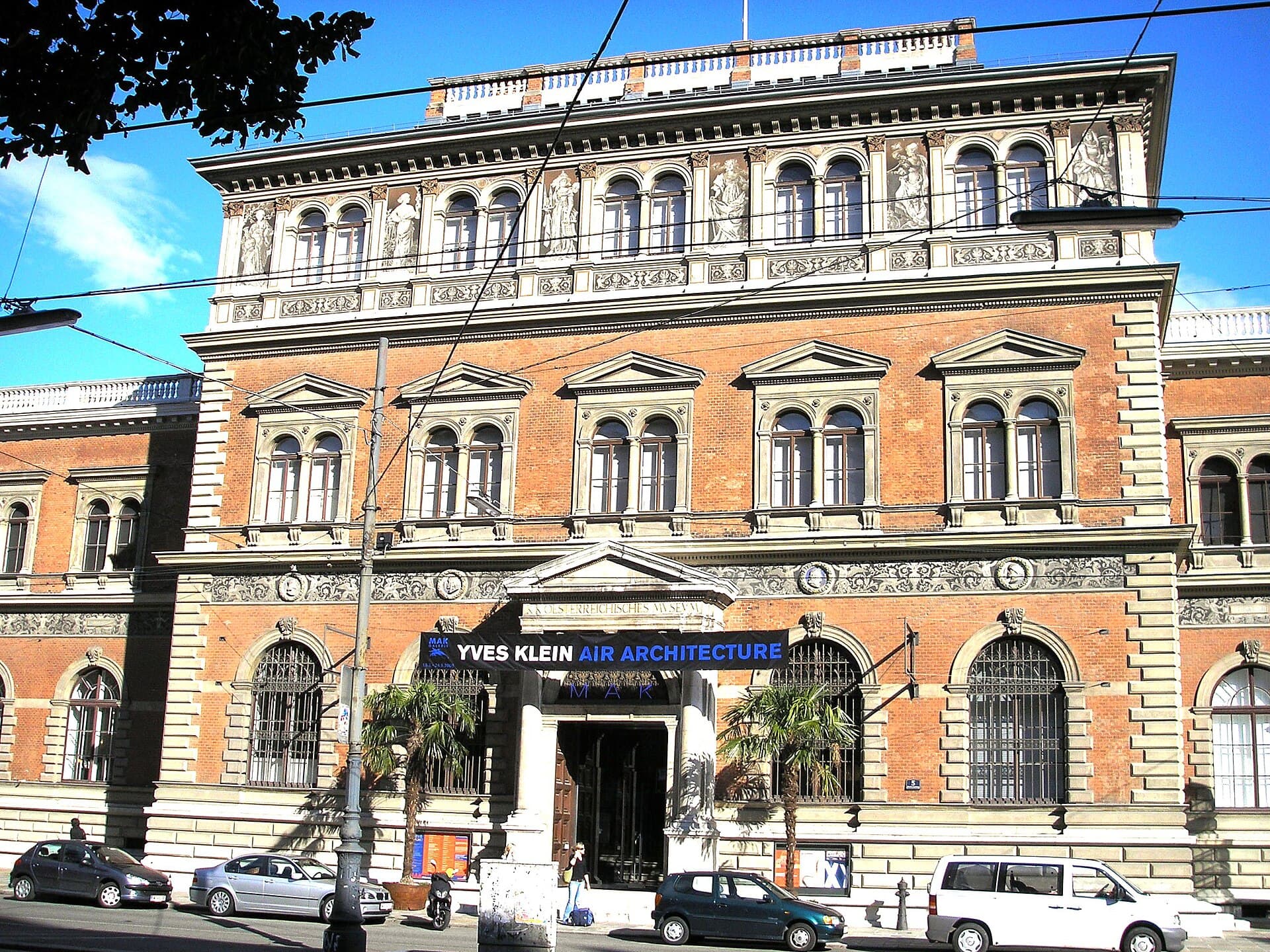 MAK – Museum of Applied ArtsThe Museum of Applied Arts: founded in 1863 as continental Europe's first design12 minutes walk4.4
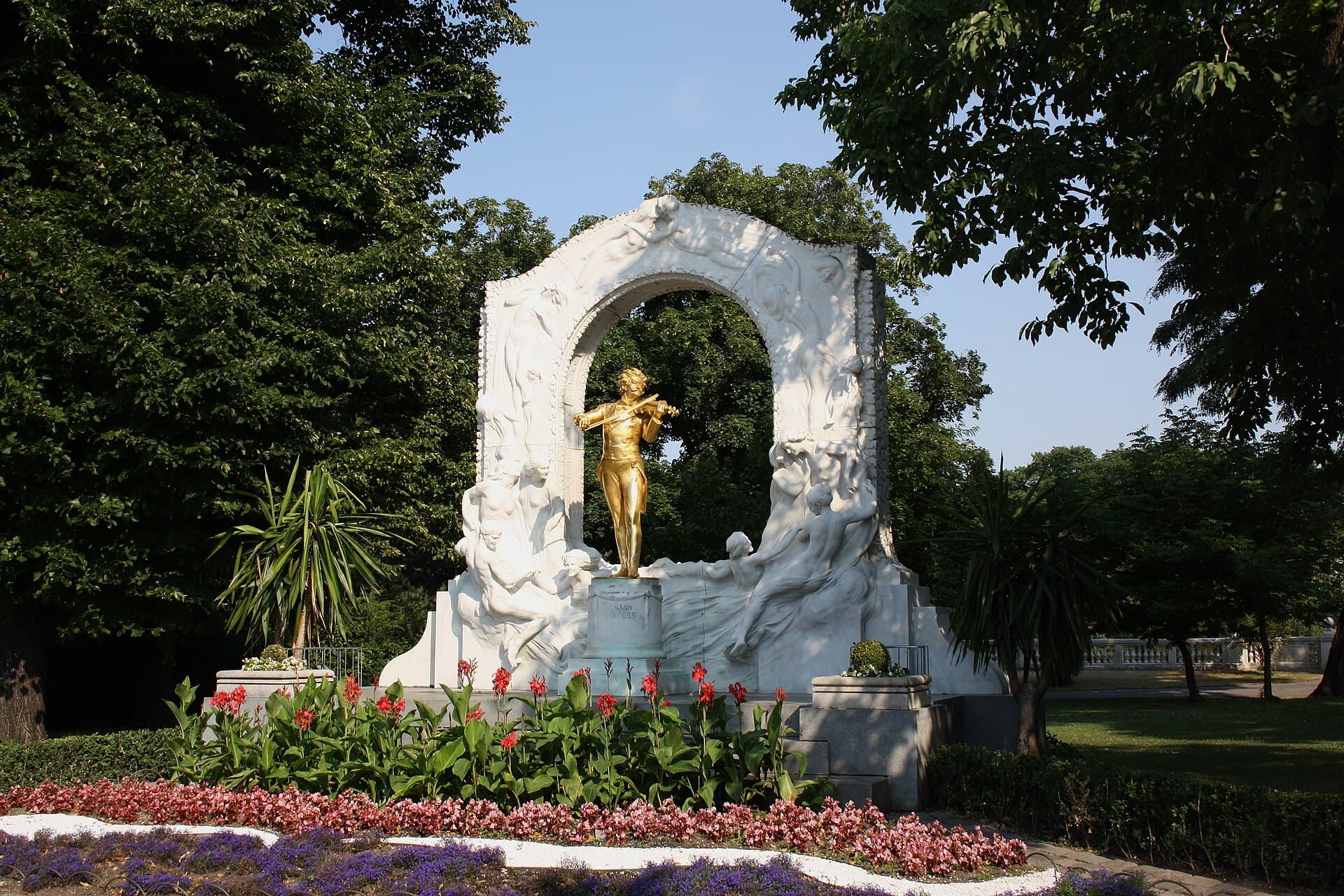 StadtparkThe first public park the city of Vienna opened for its residents, in 1862, afte15 minutes walk4.7
The house is free and takes twenty minutes from outside; the museum is ticketed, takes an hour and explains the whole idea. See the house first, then decide whether the style earns a ticket.
Reasonably so: the colours and tilting floor appeal to them, and the spaces don't demand the silence of a classical painting gallery.