
The Wiener Werkstätte collection
Furniture and objects in severe geometry from 1903 — design that still looks contemporary a century on.
Gryffindor — CC BY 2.5 · CEphoto, Uwe Aranas — CC BY-SA 4.0 · P e z i — CC BY-SA 3.0 · P e z i — CC BY-SA 3.0
The Museum of Applied Arts: founded in 1863 as continental Europe's first design museum, with the frankly practical aim of raising Austrian industry by putting good models in front of craftsmen. It still holds that mission, differently expressed. Its strength is the Wiener Werkstätte: an early twentieth-century Austrian design movement whose furniture, tableware and textiles used severe geometry years ahead of European modernism, and whose most important holdings are here. There are also the bentwood Thonet chairs that changed furniture manufacture worldwide, one of Europe's finest Oriental carpet collections, and Klimt's preparatory drawings for the Stoclet frieze. What distinguishes the museum is its display: each hall was designed by a different contemporary artist in their own manner, so moving from room to room changes the way you look at the objects entirely. It is a museum about design that has itself been designed.
Furniture and objects in severe geometry from 1903 — design that still looks contemporary a century on.
Full-scale preparatory designs for a work that lives in Brussels — visible only here.
The wooden chair sold in millions that changed furniture-making — its originals shown as a sequence.
Each room staged by a different contemporary artist — a display idea no other Vienna museum attempts.
Stubenring, Vienna
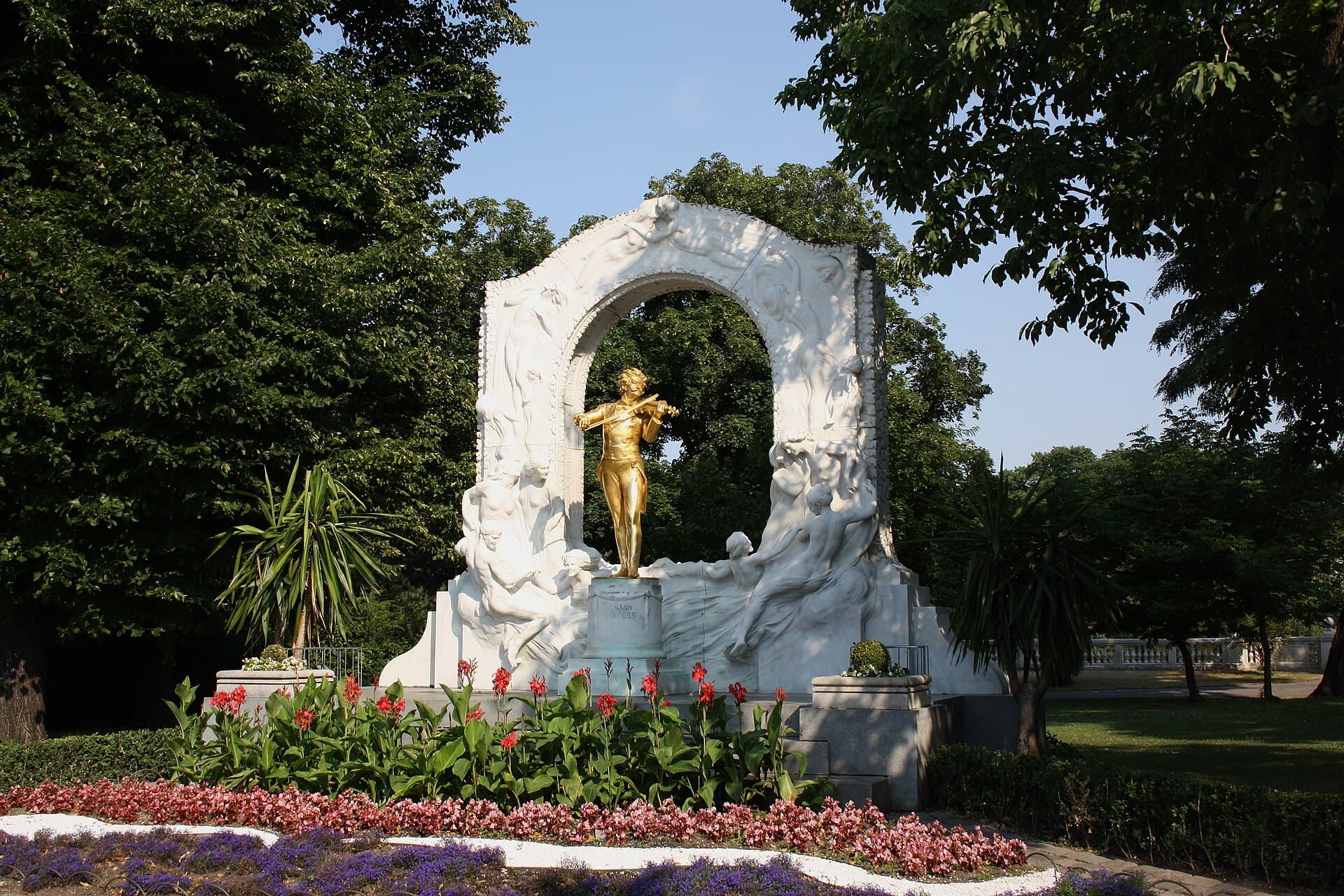 StadtparkThe first public park the city of Vienna opened for its residents, in 1862, afte4 minutes walk4.7
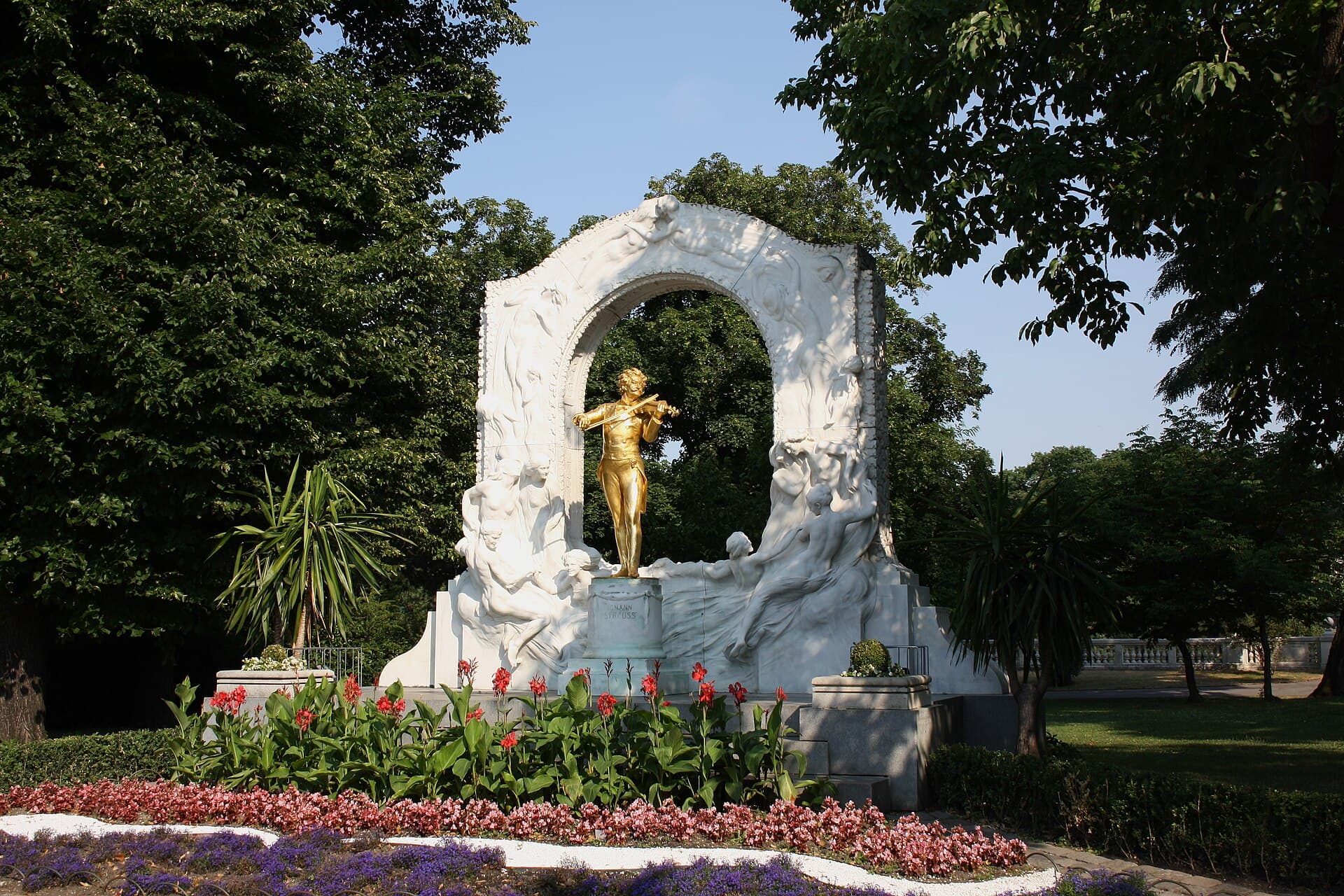 Monument to Johann Strauss IIA gilded statue of Johann Strauss II, composer of The Blue Danube, playing his v6 minutes walk4.6
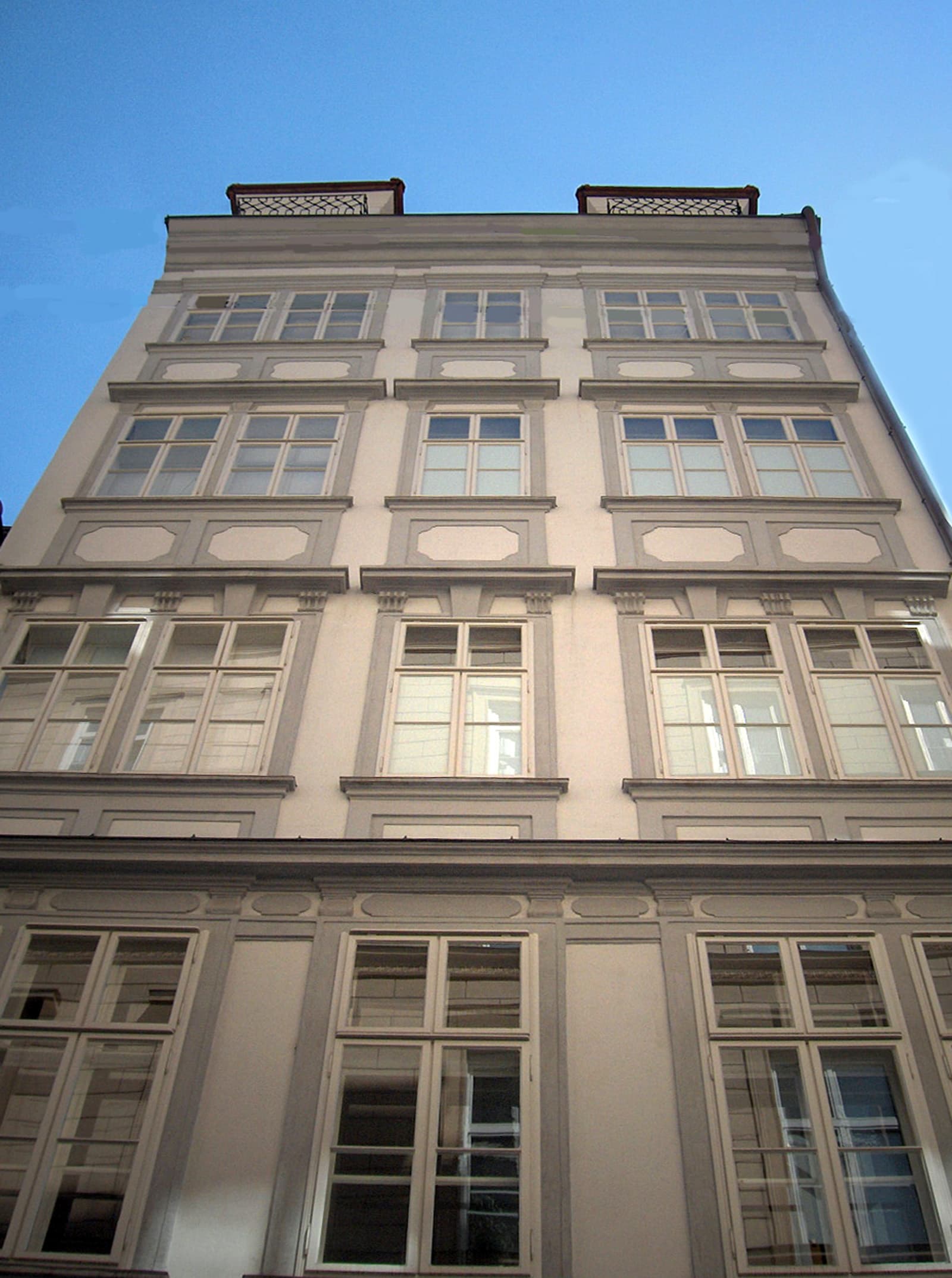 Mozarthaus ViennaThe only surviving flat among the dozens Mozart moved through in Vienna. He live6 minutes walk4.2
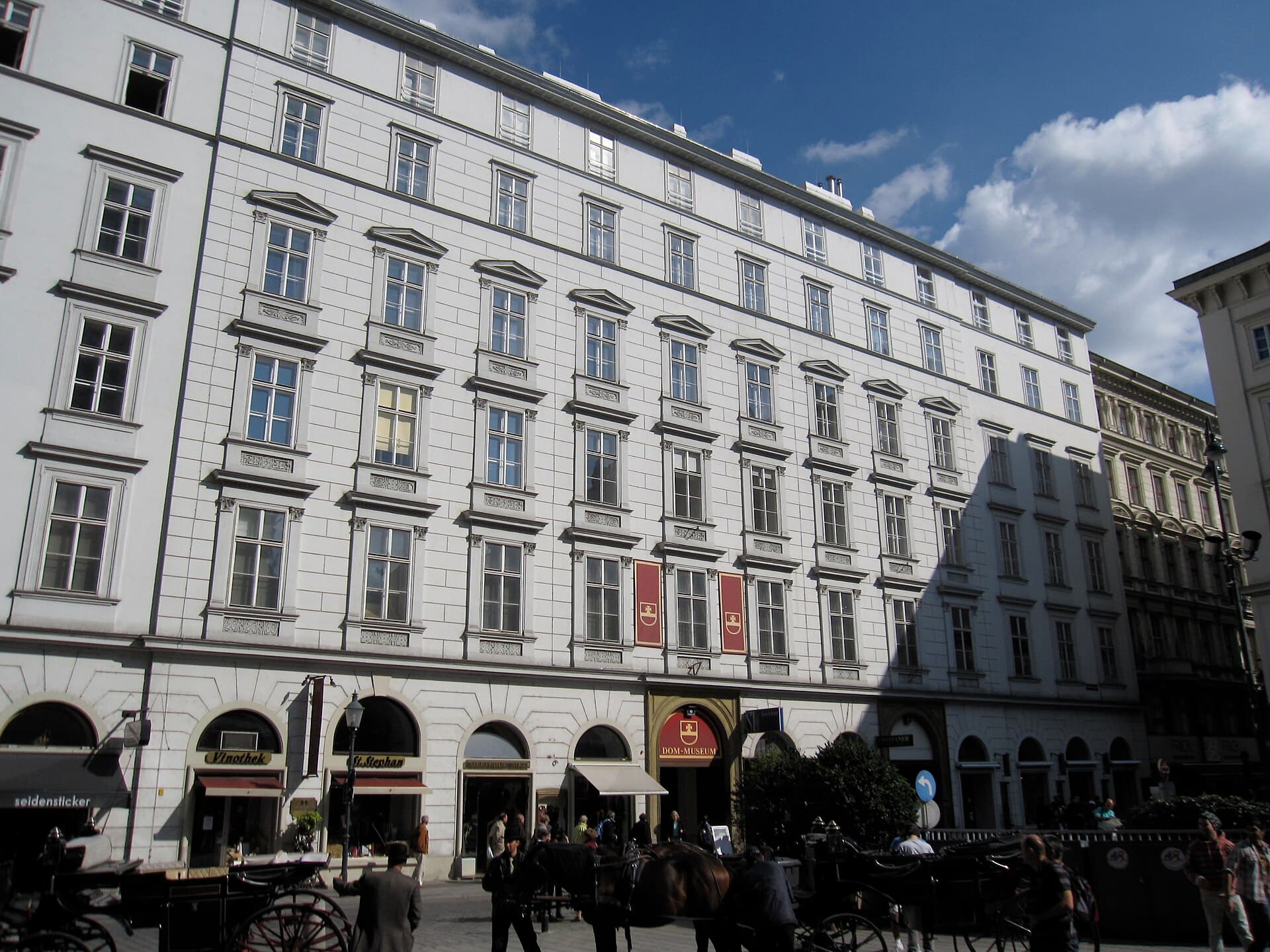 Dom Museum WienA museum on Stephansplatz beside St Stephen's Cathedral, combining the cathedral7 minutes walk4.1
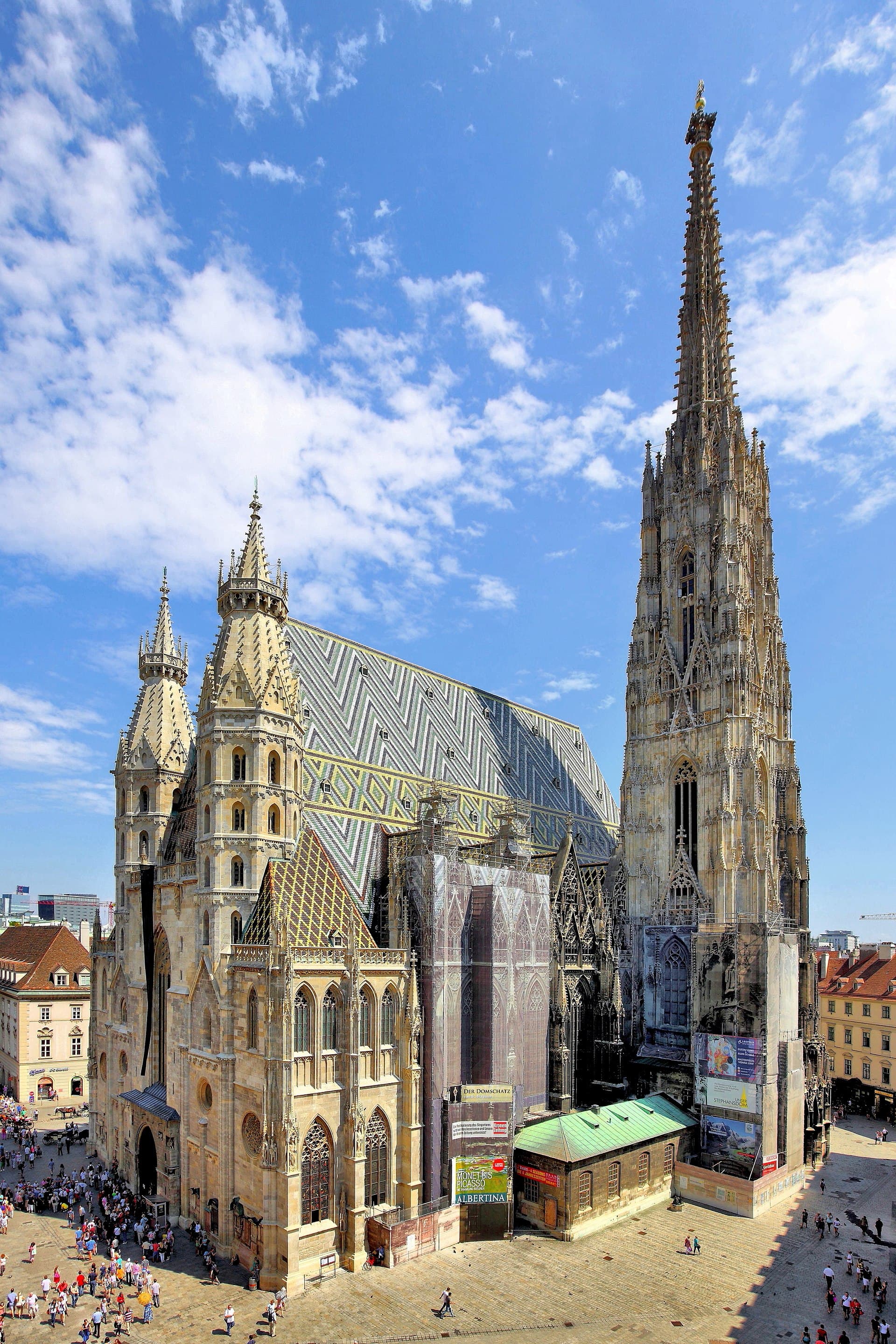 St. Stephen's CathedralVienna's geographic and symbolic heart at once: a Gothic cathedral whose oldest 8 minutes walk4.6
More than you'd expect: the exhibits are everyday things — chairs, cups, fabrics — not abstract art. On a priority list, though, it comes after the Belvedere and the Kunsthistorisches.
The Leopold for painting (Klimt and Schiele); this for design and everyday objects. Together they give the full picture; if you pick one, the Leopold has the wider impact.