
Flowered balconies
Flags and pots.
Diego Delso — CC BY-SA 4.0 · Diego Delso — CC BY-SA 4.0 · David Adam Kess — CC BY-SA 4.0 · David Adam Kess — CC BY-SA 4.0
One of Quito's oldest and loveliest streets, a narrow, curving cobbled lane in the south of the old town lined with white colonial houses whose wooden balconies spill flowerpots and colourful flags. It was once the quarter of artists, musicians and poets, later restored to its old charm. Its houses hold traditional craft workshops, with hat makers, wooden-toy makers and old-style sweet makers, plus small cafés and restaurants serving Ecuadorian dishes such as fried «empanadas de viento» filled with cheese and dusted with sugar, and toasted corn. The street is pleasant and quiet by day but livelier in the evening and at weekends, when lanterns light up and folk music plays. Plaques along it tell the stories of the quarter and its old characters. Some popular hot drinks sold here contain alcohol, so ask before ordering. It is busy and policed at night, but take a taxi after dark. Many governments advise caution in Ecuador, where a state of emergency covers several provinces, so check your own government's travel advice before the trip.
Flags and pots.
Hats and toys.
A Quito treat.
South of Plaza Grande, old Quito
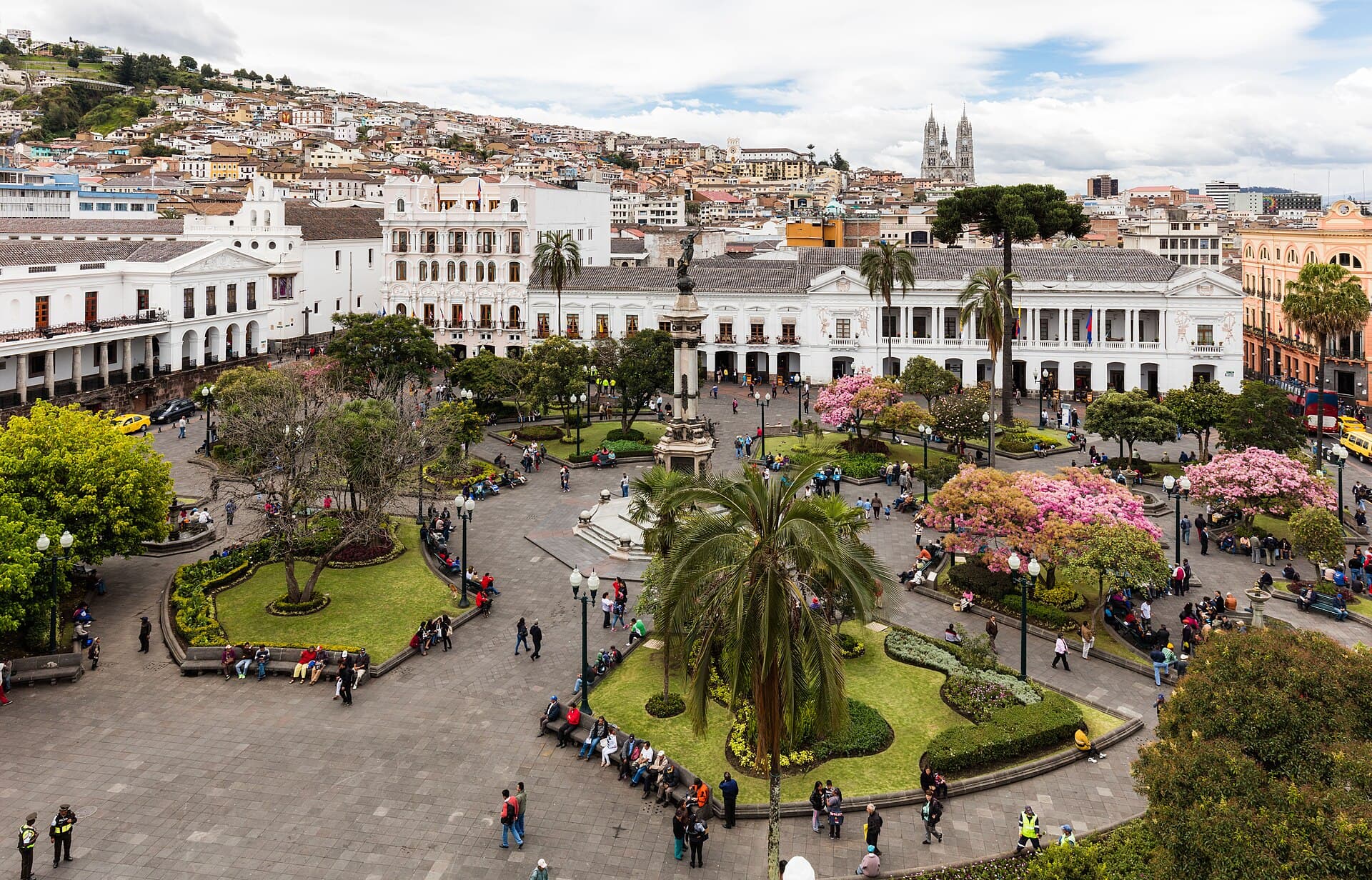 Historic Centre and Plaza GrandeOne of Latin America's best-preserved colonial centres, and with Kraków one of t6 minutes walk4.7
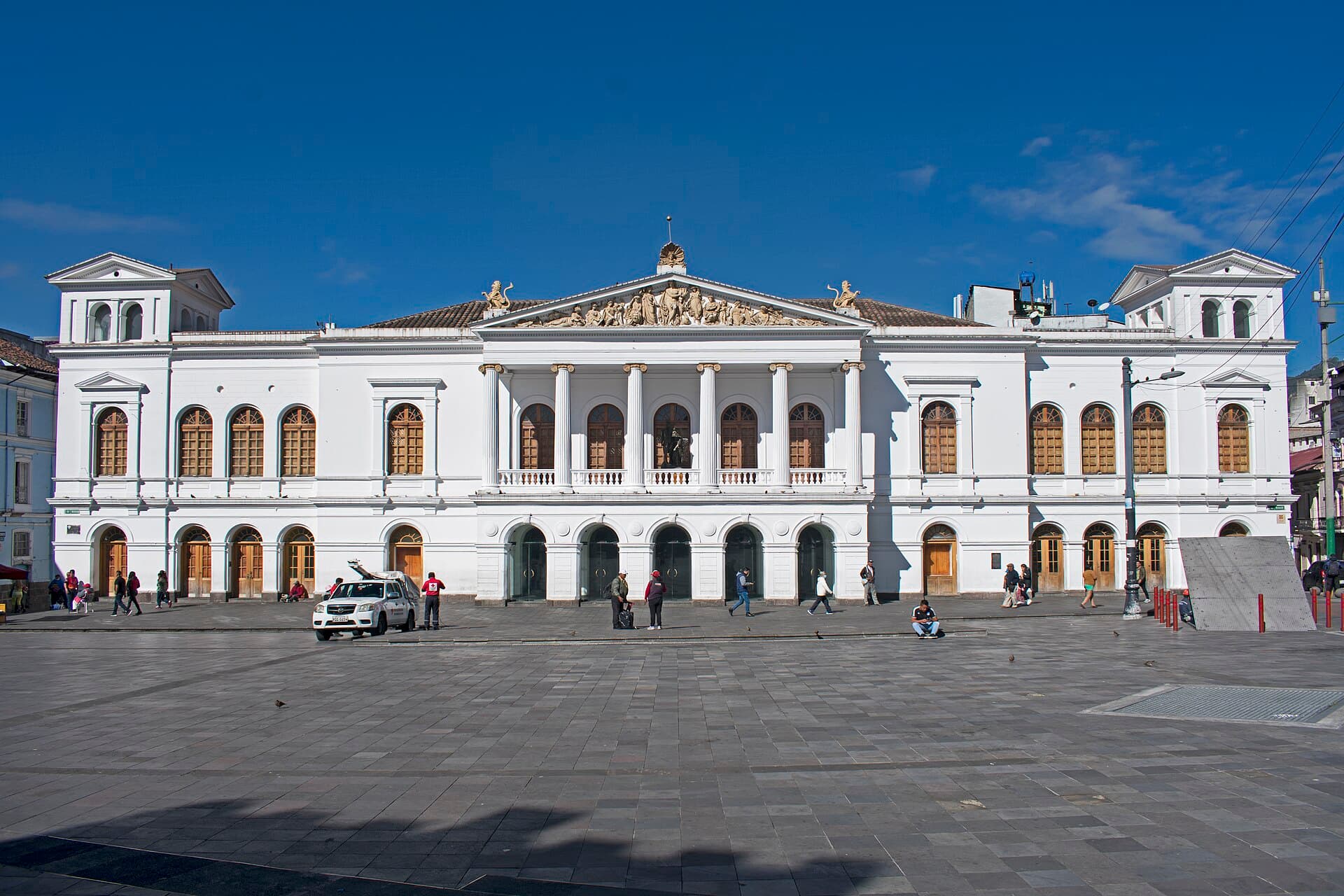 Sucre National TheatreThe Sucre National Theatre is one of the oldest opera houses in South America an10 minutes walk
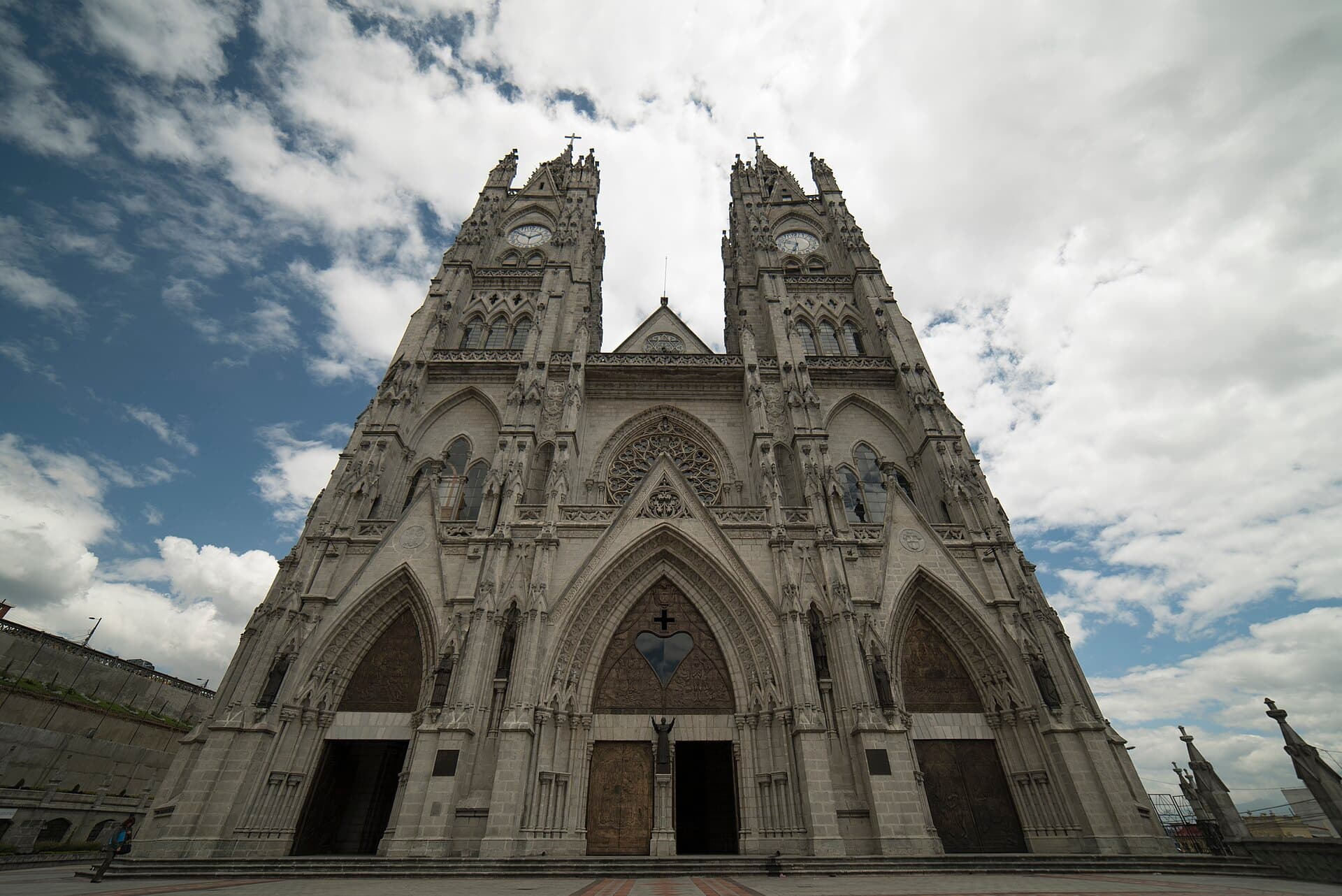 Basílica del Voto NacionalThe Basílica del Voto Nacional, the Basilica of the National Vow, is a large neo16 minutes walk
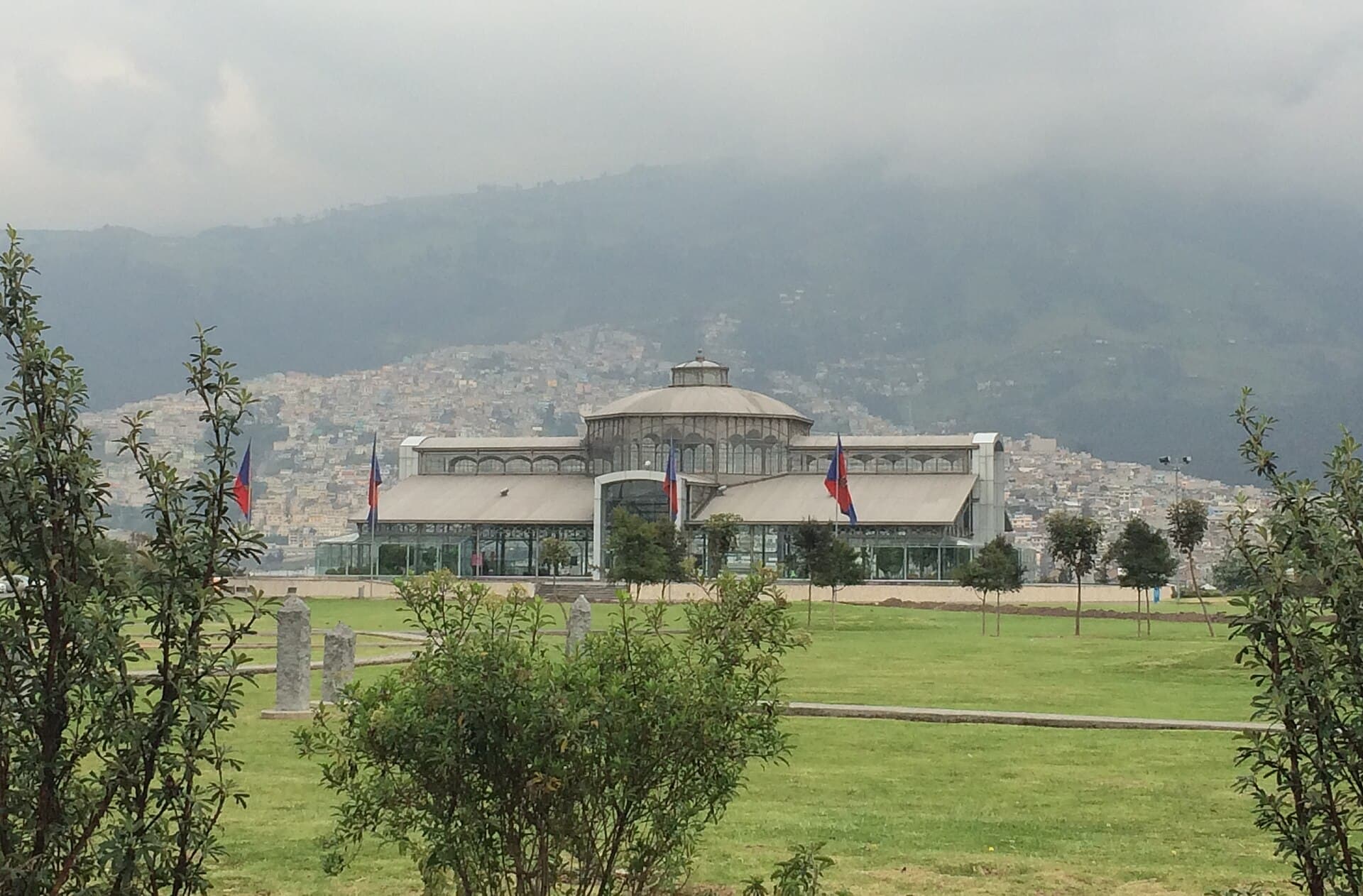 Itchimbía Park and the Crystal PalaceA broad park on Itchimbía hill east of old Quito, about 2,910 metres up, which u21 minutes walk4.5
In the evening or at weekends, when lanterns glow and music plays, then return by registered taxi.