About this place
In a quiet room off Via Romana, a wax woman lies on a silk cushion, real human hair falling across her shoulder, her torso opened onto viscera modelled with a precision that seems impossible. She was not made to frighten anyone. She was made in the eighteenth century so that medical students could learn anatomy without cadavers rotting through a Florentine summer. Clemente Susini and the modellers of the grand-ducal workshop left roughly 1,400 pieces behind, and they now form the largest collection of anatomical wax in the world.
The museum opened to the public in 1775 by order of Grand Duke Peter Leopold, and that was the radical part: a science collection ordinary people could walk into, not merely a court curiosity, which puts it among the oldest public science museums in Europe. The name means the observatory, after the astronomical tower on the roof known as the Torrino. The building closed for roughly five years of restoration and reopened in February 2024 with thirteen new rooms that added minerals, botanical waxes and the early history of wax modelling to the old zoological halls.
Let us be straight with you about two things. First, the anatomical rooms are genuinely disturbing: severed heads, dissected pregnant bodies, organs laid out with a cold realism behind eighteenth-century glass. Adults tend to leave impressed and rattled in equal measure, but this is not for every child, and you know your own. Second, and this matters more for planning: the historic anatomical wax route is not part of the ordinary visit at all. It can only be seen on a guided tour costing three euros extra, Tuesday to Sunday at 11:00, 12:00 and 15:00, fifteen people at a time, sold only at the ticket office on the day — and it was suspended for major maintenance when this page was prepared. Wax does remain on the standard route in the rooms opened in 2024: the origins of wax modelling, Zumbo's tableaux, Susini's dismountable Venus, the botanical waxes. Check the official site before you build a visit around the anatomical waxes alone.
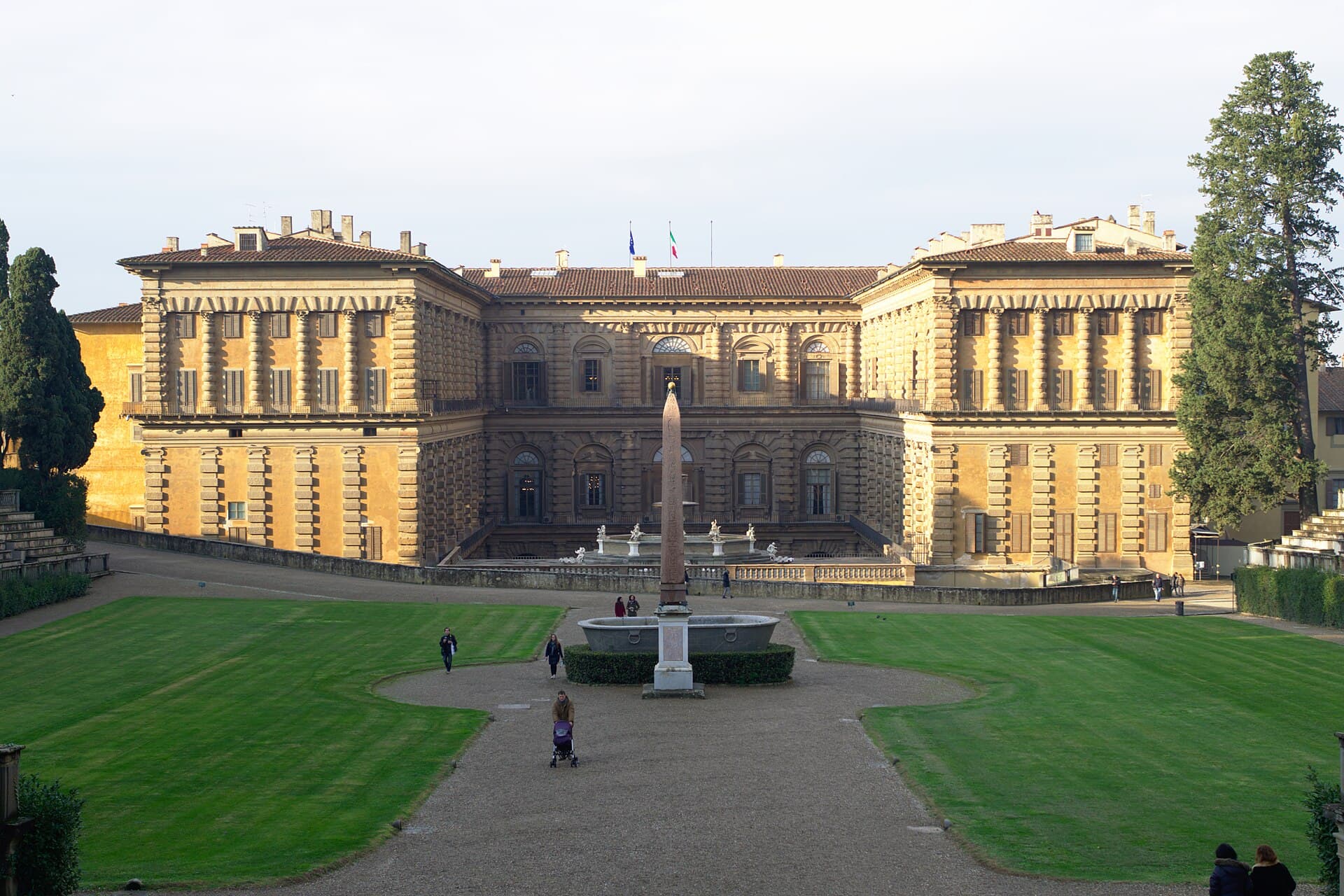
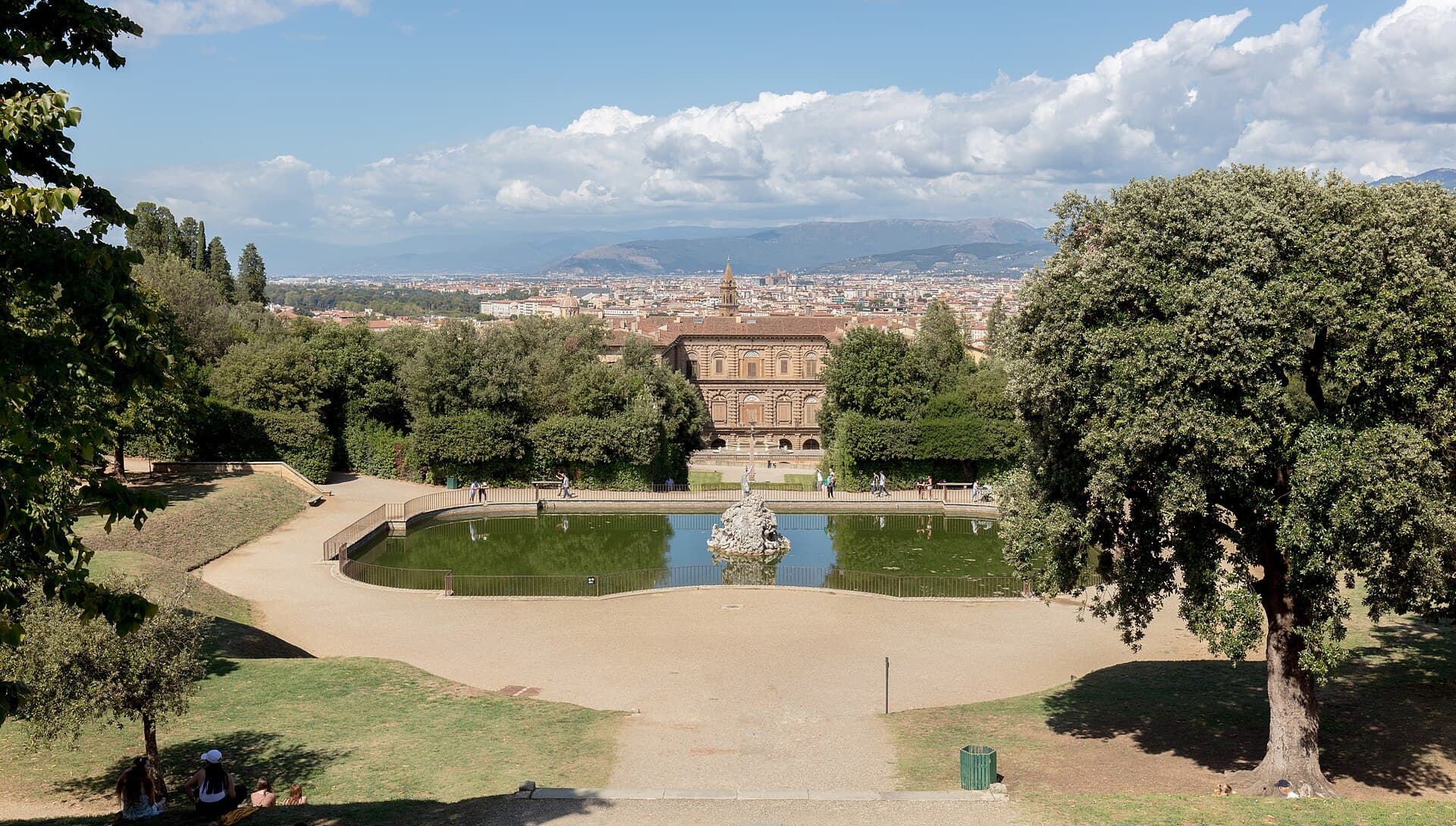
So why here instead of the Uffizi or the Accademia? Because this one does not need booking weeks ahead. Do not mistake that for empty: entry runs in timed slots, the building holds limited numbers, and slots do sell out in season and at weekends, so book on Vivaticket a day or two out and you are fine. If it is your first time in Florence and you have two days, go and see the David and the Renaissance paintings; La Specola can wait without regret. But if you are back in the city, or worn down by queues, or drawn to museums that resemble nothing else, this is ninety minutes you will still be describing to people months later. And it is not the Museo Galileo: that one is instruments, compasses and mathematical elegance, this one is flesh, bone and feather. It sits a few minutes on foot from Palazzo Pitti and the Boboli Gardens on the south bank of the Arno, so take all three in one morning.