
The Grotta Grande
Buontalenti's artificial cave of dripping walls — Florence's strangest corner.
Diego Delso — CC BY-SA 4.0 · Diego Delso — CC BY-SA 4.0 · Nemo bis — CC BY-SA 3.0 · Nemo bis — CC BY-SA 3.0
Boboli is the Pitti Palace's royal garden and the mother of all Italian gardens: on this slope in the 1500s the Medici invented the "giardino all'italiana" — engineered cypress avenues, green terraces, statues, grottoes and fountains — copied by Europe's palaces from Versailles downward. It is an open-air museum of forty-five acres: a stone amphitheatre around a genuine Egyptian obelisk; Buontalenti's weird Grotta Grande with its dripping walls and embedded statues; Neptune's fountain; and the Knight's Garden at the top, looking over olive hills that make you forget the city. It is also Florence's only great green lung — so take it as a long stroll, not a quick sight: two hours of climb and descent through the shade, with the upper exit handing you to the San Miniato and Piazzale Michelangelo path.
Buontalenti's artificial cave of dripping walls — Florence's strangest corner.
A stone theatre round a Luxor obelisk — the Medici's outdoor stage.
The top terrace over olive hills — Tuscany from inside the city.
Piazza de' Pitti 1, 50125 Florence
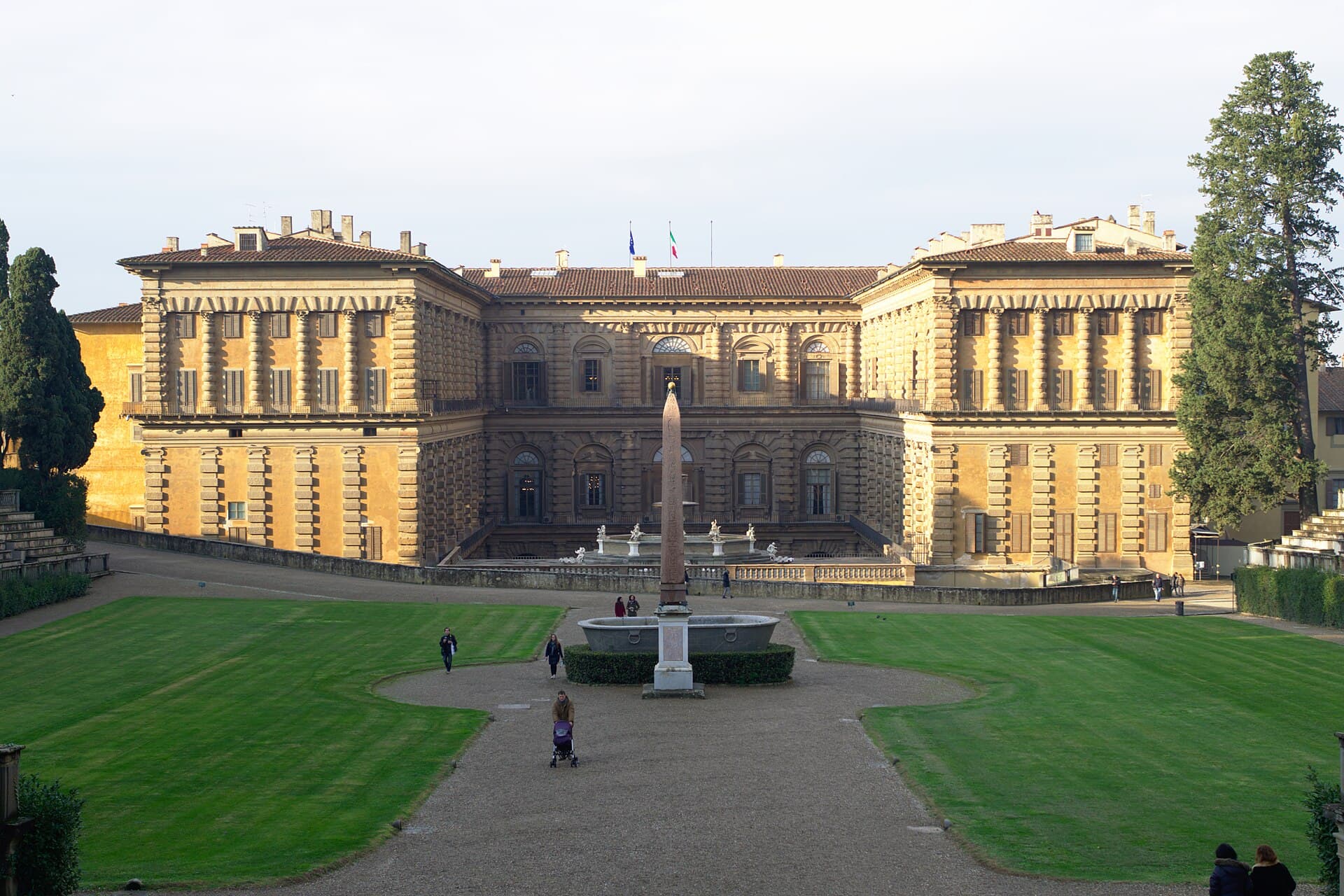 Palazzo PittiThe Pitti is Florence's most massive palace: a titanic stone block on the south 1 minute walk4.5
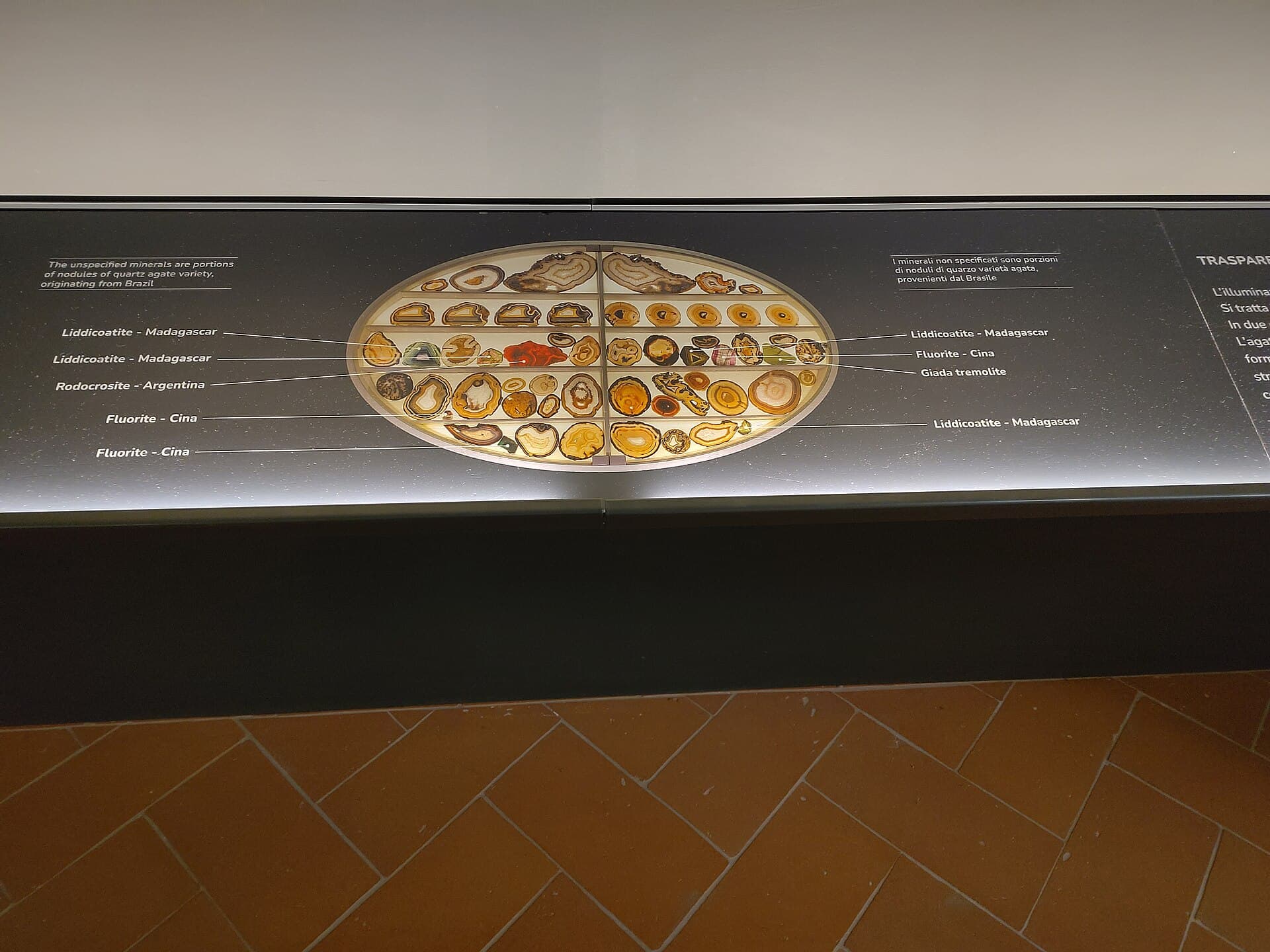 La Specola Natural History MuseumIn a quiet room off Via Romana, a wax woman lies on a silk cushion, real human h3 minutes walk4.6
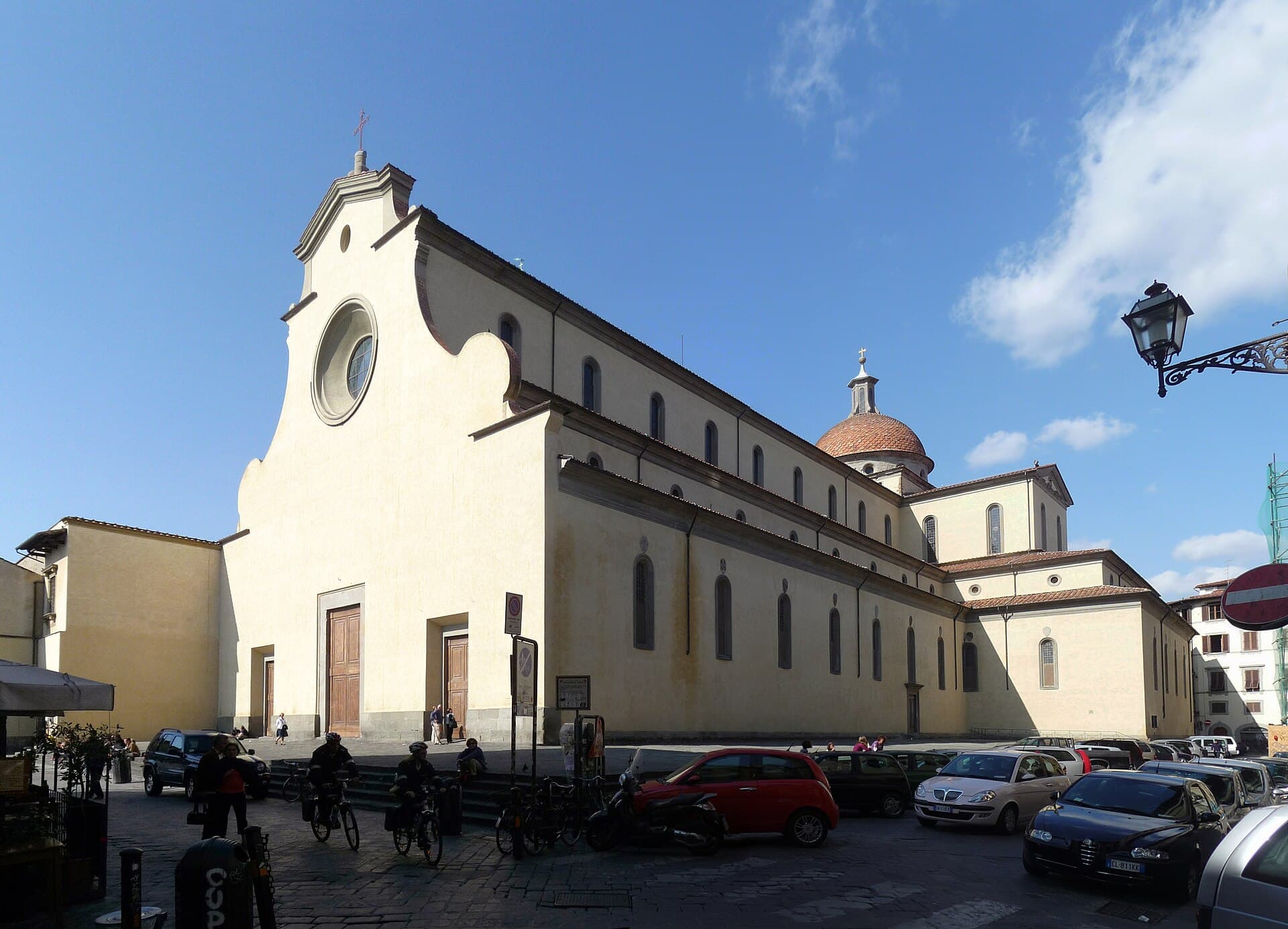 Basilica of Santo SpiritoAround 1492 a boy of about seventeen struck a bargain with the Augustinian friar4 minutes walk4.5
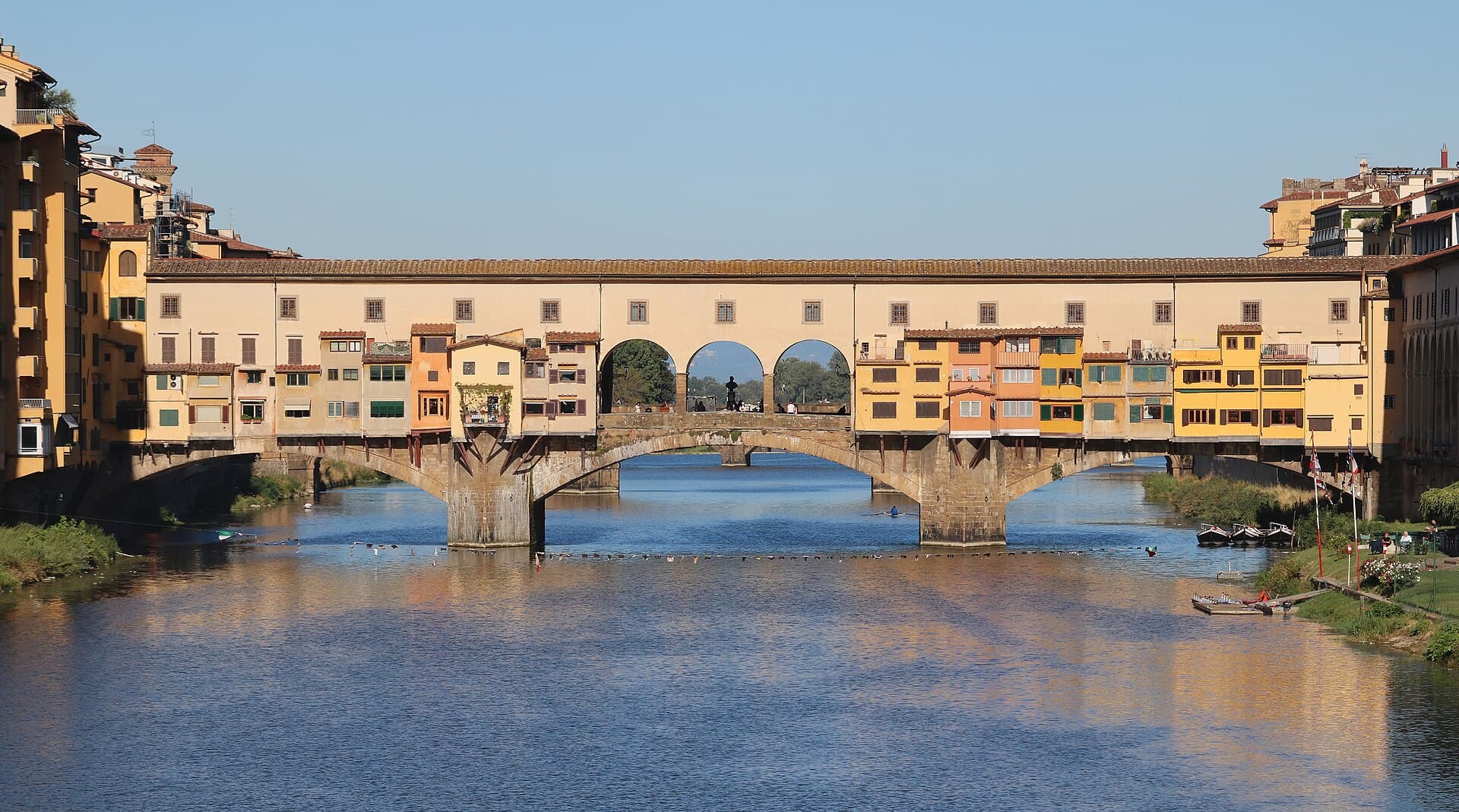 Ponte VecchioThe Ponte Vecchio is Italy's most famous bridge and its strangest survivor: a 135 minutes walk4.6
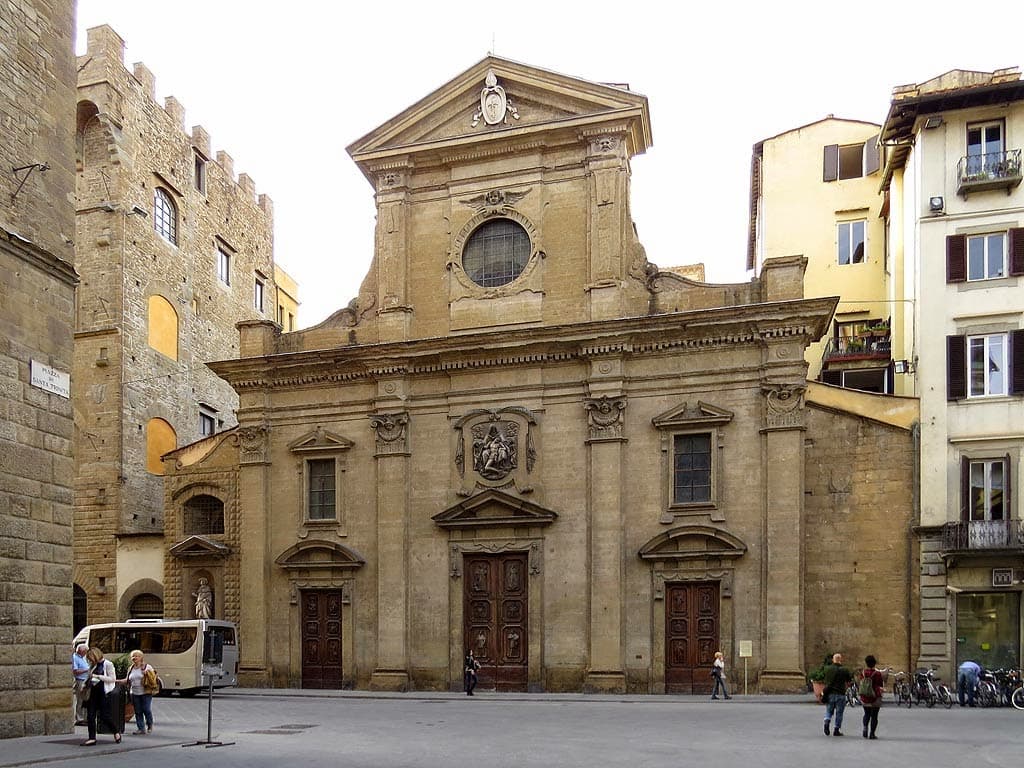 Basilica di Santa TrinitaStand in Piazza Santa Trinita, walk through the door, and you will find the same7 minutes walk4.5
The ticket usually joins them, so no choosing: Boboli has the sweep, history and grottoes; little Bardini owns what it lacks — the full dome view and April's purple wisteria tunnel. Best order: Boboli at length, Bardini as the closing terrace.
Among Florence's best for them: running space, a "scary" grotto, stone tortoises and a famous bronze duck for photos — but no playgrounds; it is a historic garden with rules, and the fenced lawns are untouchable.
In through the Pitti courtyard, amphitheatre, Neptune, up to the Knight's Garden — then down the great cypress avenue to the Isolotto and Ocean fountain, out by the Annalena gate: the whole essence in two hours.