The Sheesh Mahal
Walls covered in mirrors.
Faisalrazamalik — CC BY-SA 4.0 · Farrah Zakir — CC BY-SA 4.0 · Ahmarnadeem — CC BY-SA 3.0 · MJBrohi — CC BY-SA 3.0 · Naveed Fayyaz — CC BY-SA 3.0
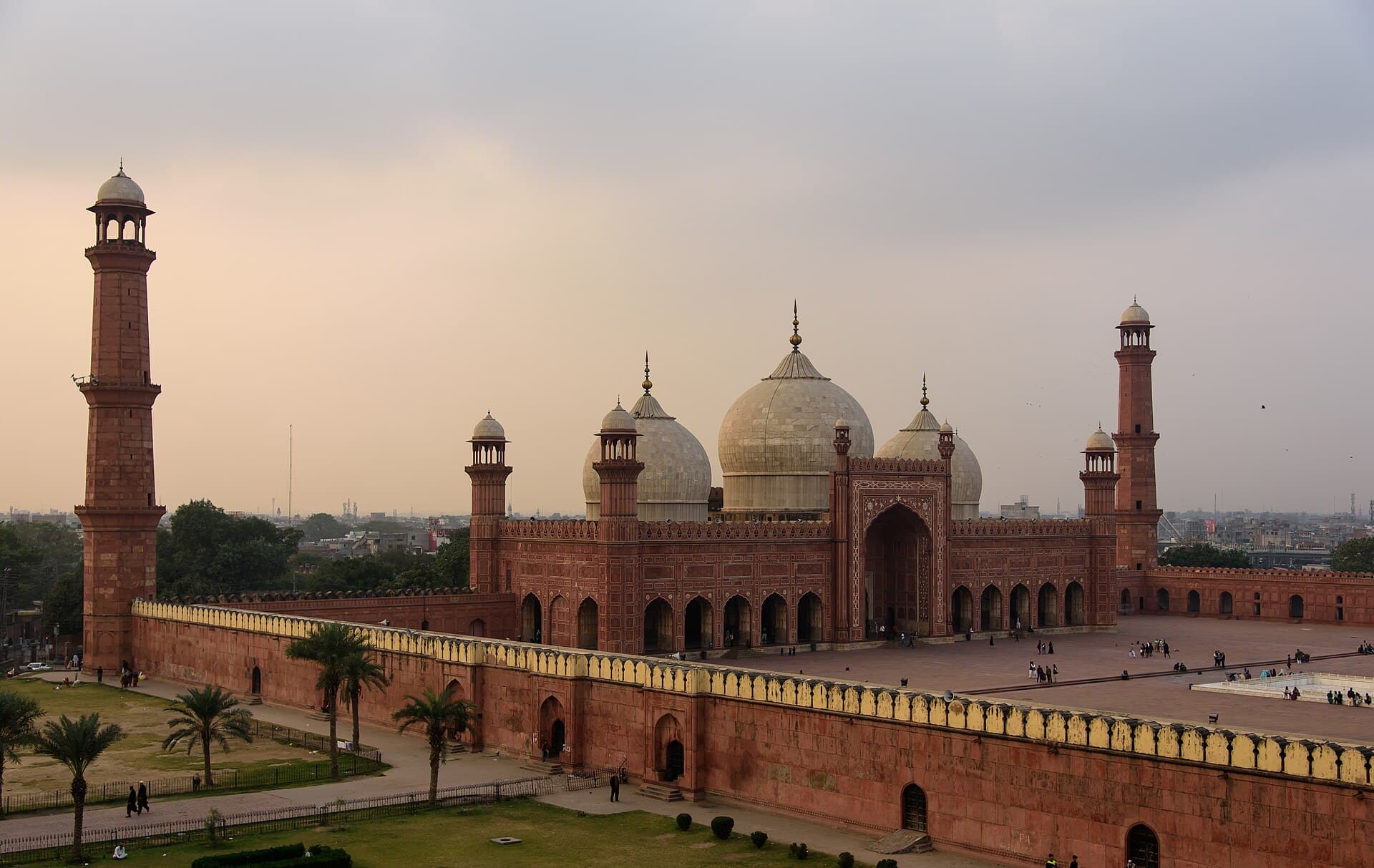
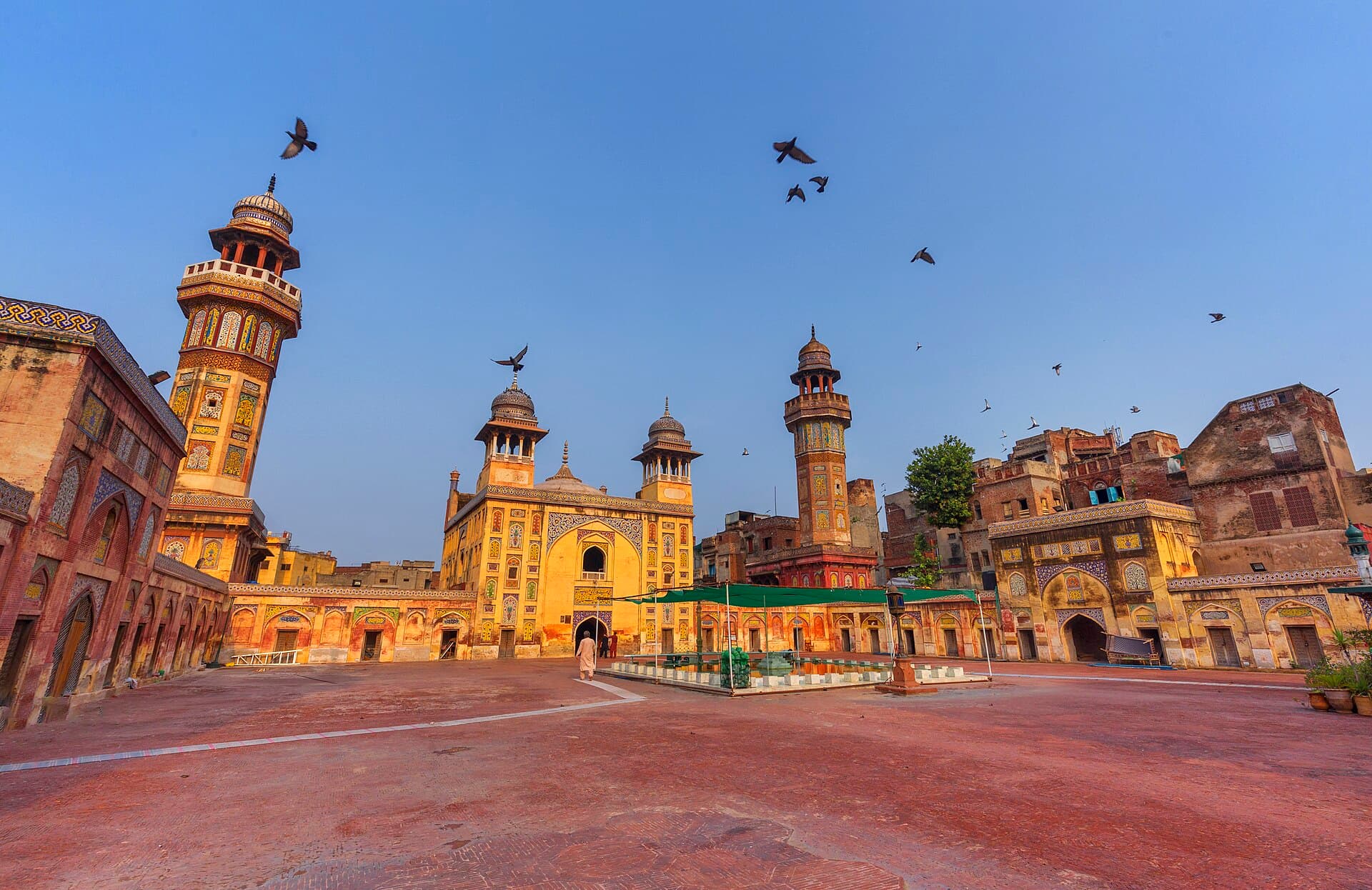
Lahore Fort, also known as the Royal Fort, is a citadel at the northern end of the Walled City of Lahore, spread over more than 20 hectares and holding 21 notable monuments. UNESCO listed it together with Shalimar Gardens as a World Heritage Site in 1981. A visit shows the taste of the Mughal emperors, from solid fortress to palace of mirrors. The site has been inhabited for millennia, with the first record of a fort being an 11th-century mudbrick structure. The foundations of the present fort were laid in 1566 under Akbar, in a style blending Islamic and Hindu motifs. Most of it was rebuilt in the 17th century, as Shah Jahan added marble inlaid with Persian floral designs and Aurangzeb built the Alamgiri Gate. The best-known sight is the Sheesh Mahal, or Palace of Mirrors, with walls and ceilings covered in tiny pieces of mirror, white marble columns and a broad courtyard. From there you walk among courts, pavilions and stone gateways. The grounds are large, so wear comfortable shoes and start in the morning to beat the heat and crowds. It is about 600 m in a straight line from Badshahi Mosque and about 900 m from Wazir Khan Mosque. Tickets are sold at the entrance, and foreigners usually pay more than locals. Spring and autumn suit a visit better than the hot Lahore summer.
Walls covered in mirrors.
White around the court.
Facing Badshahi Mosque.
Northern edge of the Walled City, Lahore, Pakistan
A pavilion of Shah Jahan covered in tiny pieces of mirror, the most famous part of the fort.
Two to three hours, combined with the nearby Badshahi Mosque.