
Siwa horns
Emblems of Swahili culture.
Almaddy2022 — CC BY-SA 4.0 · Krg This photo was taken by Karl Ragnar Gjertsen. Please credit this photo Karl Ragnar Gjertsen in the immediate vicinity of the image. — CC BY-SA 3.0 · Krg This photo was taken by Karl Ragnar Gjertsen. Please credit this photo Karl Ragnar Gjertsen in the immediate vicinity of the image. — CC BY-SA 3.0
A museum in an elegant waterfront building in Lamu that housed consular officials in the late nineteenth century, and today the best introduction to Swahili culture in the archipelago. Its most famous pieces are the siwa horns, two huge ceremonial horns of brass and carved ivory from Pate and Lamu, blown on great occasions and counted among the emblems of Swahili civilisation. The rooms show models of dhows and how they are built, traditional inlaid Lamu furniture, carved doors, jewellery and traditional dress, and scenes of a Swahili wedding, along with a section on the peoples of the interior. The museum is on the combined Lamu ticket and sits on the waterfront near the boat jetty, making it a natural stop on your first day in Lamu.
Emblems of Swahili culture.
And how they are built.
Dress and jewellery.
Waterfront, Lamu Old Town
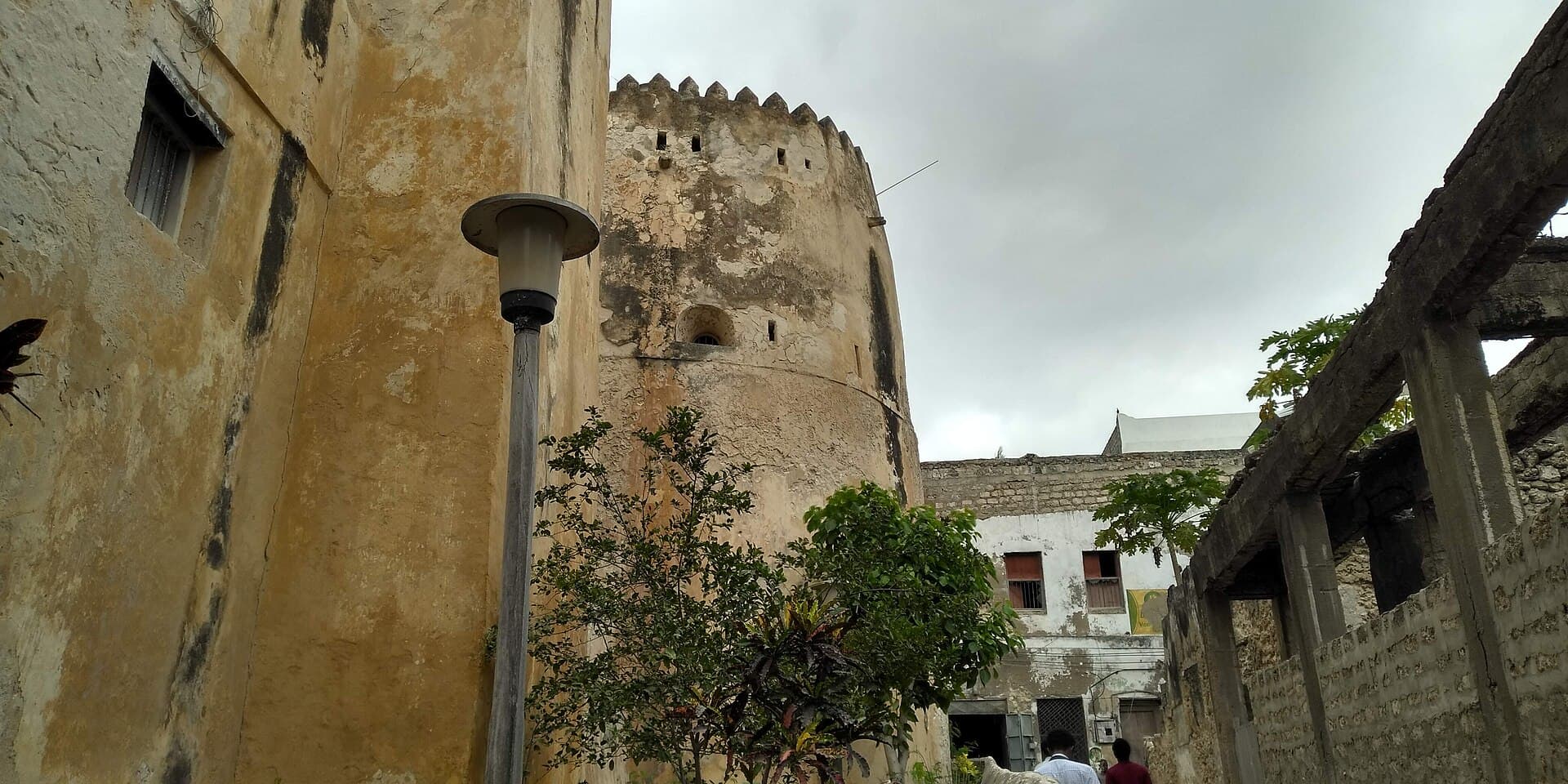 Lamu FortA square fort with high walls and corner towers on the main square of Lamu Old T3 minutes walk4.3
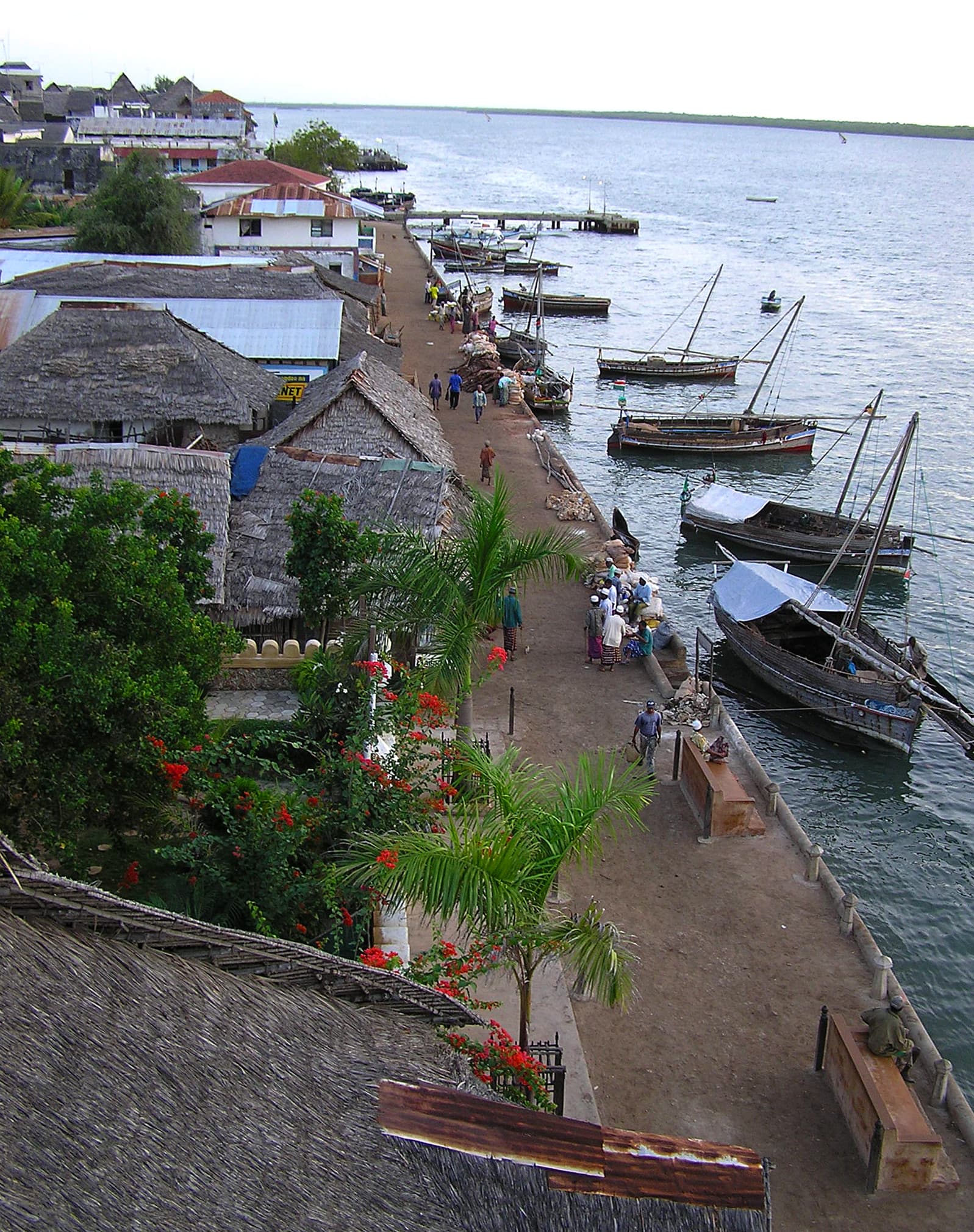 Lamu Old TownThe oldest continuously inhabited and best-preserved Swahili town in East Africa4 minutes walk
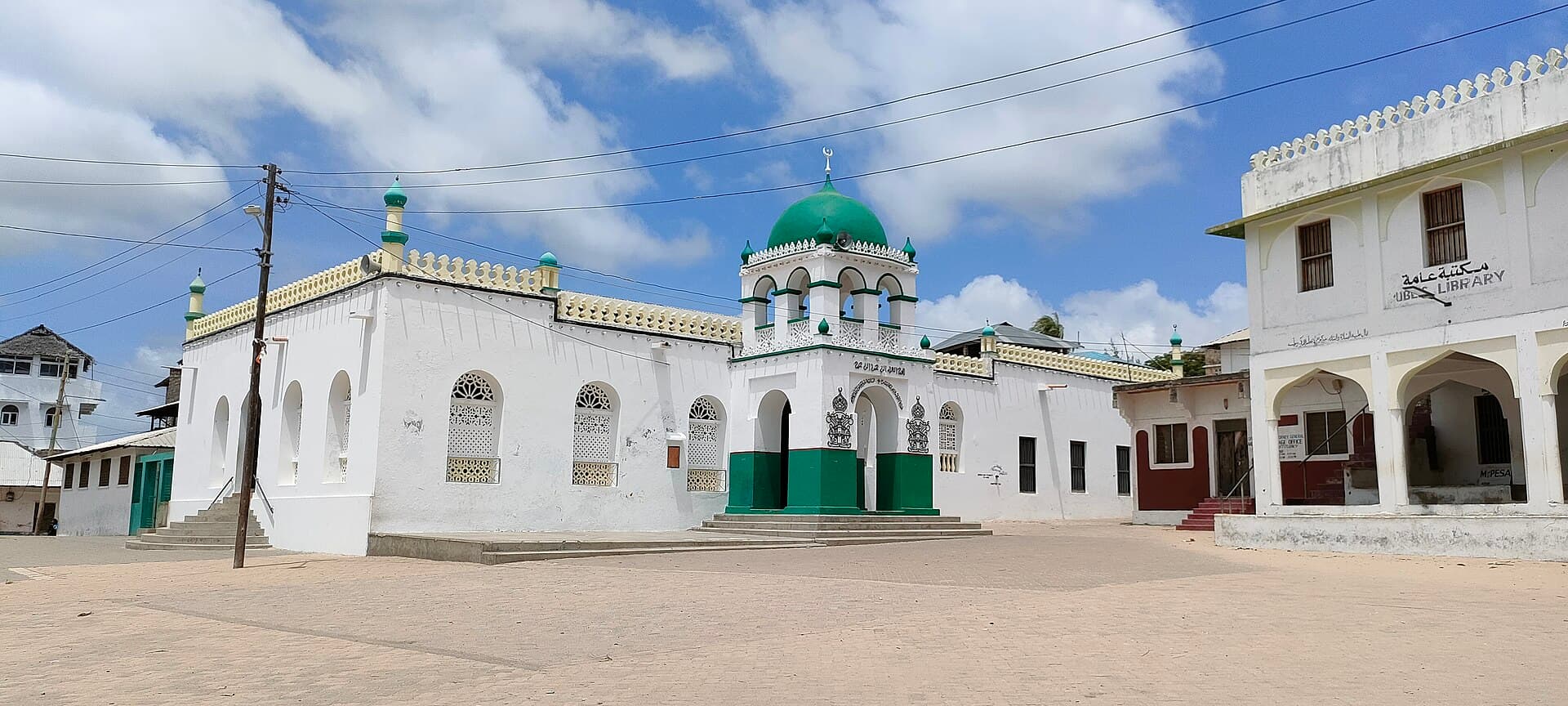 Riyadha Mosque, LamuA mosque and seminary at the southern end of Lamu Old Town, founded in the early5 minutes walk4.5
The siwa horns, two ceremonial horns of brass and carved ivory from Pate and Lamu.