
Coral-stone lanes
Carved doors.
MysteryBee — CC BY-SA 2.0 · Arthur Buliva — CC BY-SA 3.0 · Zei2022 — CC BY-SA 4.0 · Abdulhakim2022 — CC BY-SA 4.0
The oldest continuously inhabited and best-preserved Swahili town in East Africa, founded in the fourteenth century on Lamu Island and listed by UNESCO as a World Heritage Site in 2001. It still lives as it has for centuries, almost without cars, its goods carried by donkeys and boats. Its narrow lanes run between coral-stone and lime houses with carved wooden doors and inner courtyards, dotted with mosques and Quranic schools. Along the waterfront, dhows line up with their white triangular sails. Lamu is a conservative Muslim town and a centre of religious learning for centuries, famous for its celebration of the Prophet's birthday (Maulidi), which draws visitors from across East Africa, and for the Lamu Cultural Festival with its donkey and dhow races. Wandering is free; dress modestly in town out of respect for its people. You reach Lamu by light aircraft to Manda Island airstrip, then by boat, and need at least two days to settle into its slow rhythm.
Carved doors.
On the waterfront.
The town's transport.
Lamu Island, Lamu Archipelago, northern Kenyan coast
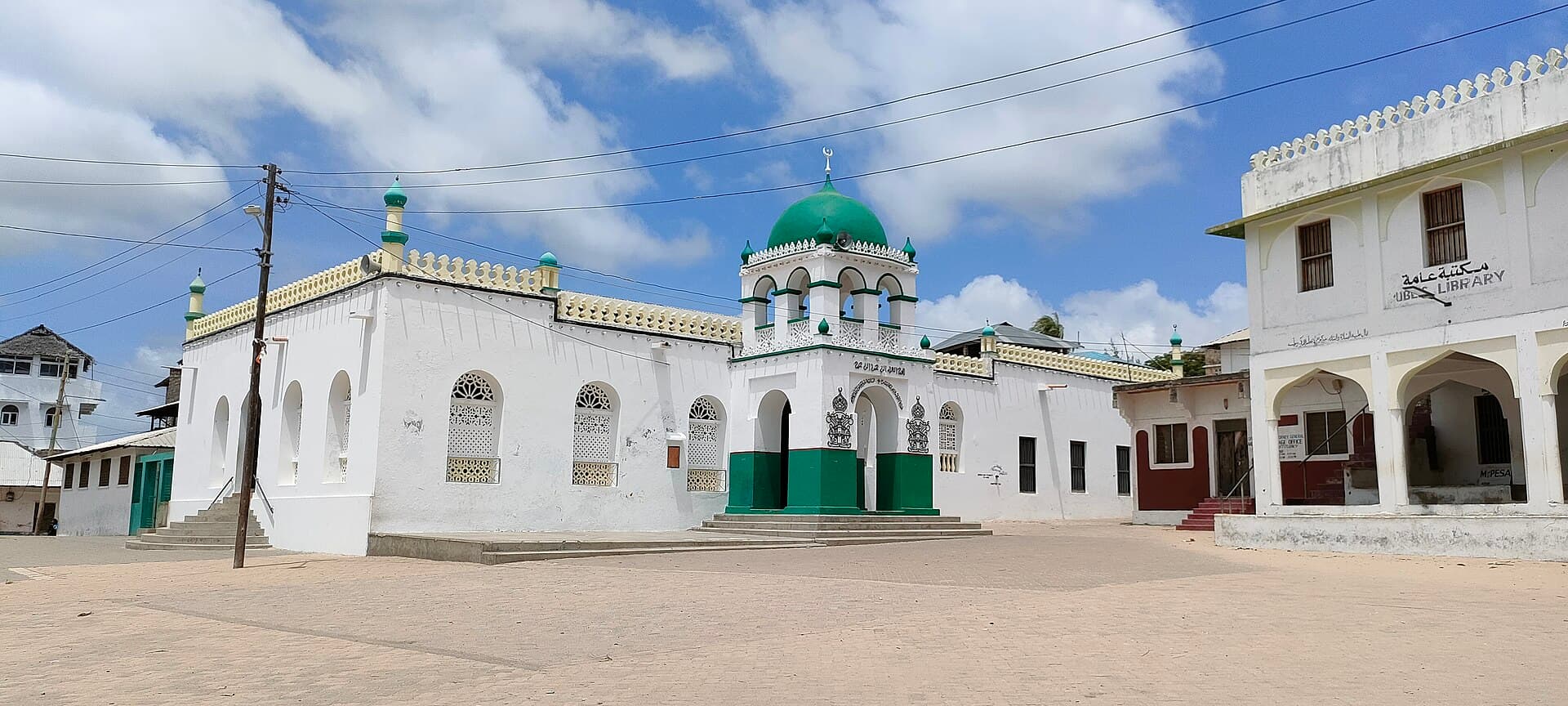 Riyadha Mosque, LamuA mosque and seminary at the southern end of Lamu Old Town, founded in the early2 minutes walk4.5
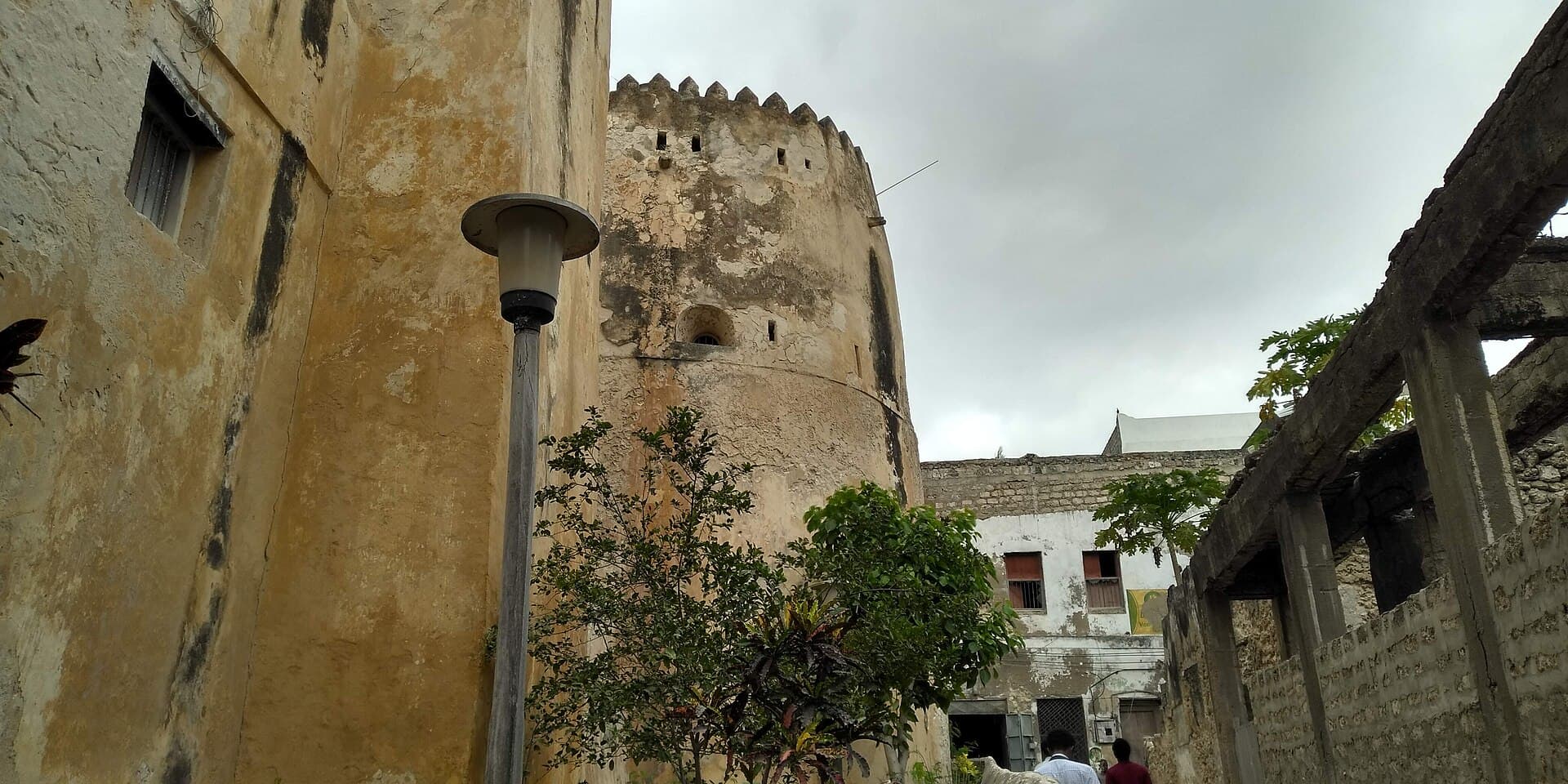 Lamu FortA square fort with high walls and corner towers on the main square of Lamu Old T2 minutes walk4.3
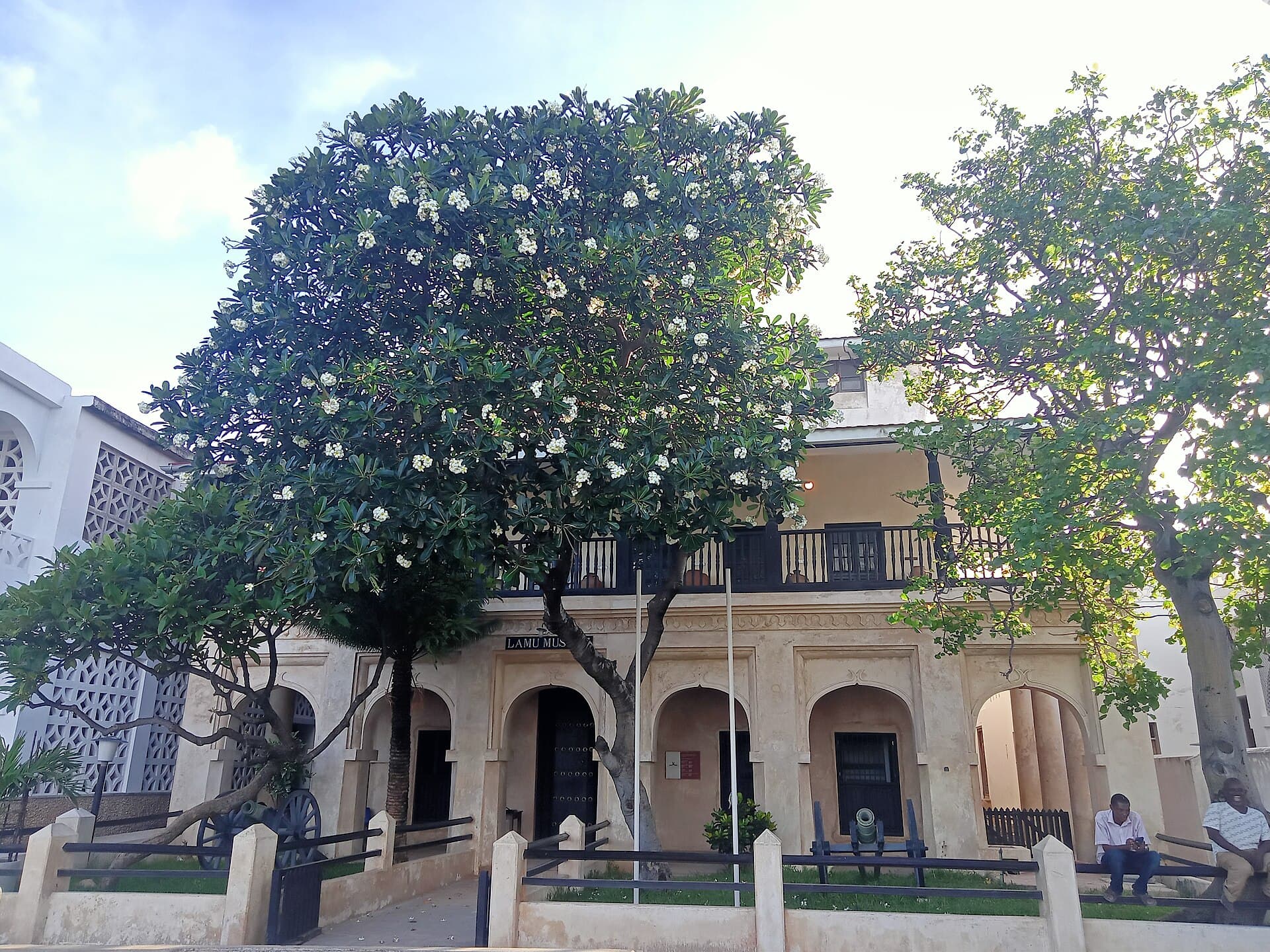 Lamu MuseumA museum in an elegant waterfront building in Lamu that housed consular official4 minutes walk4.1
By light aircraft from Nairobi or Mombasa to Manda Island airstrip, then a few minutes by boat to town.