
Independence monument
The Caboclo.
Paul R. Burley — CC BY-SA 4.0 · Barão de Itararé — CC BY-SA 4.0 · Bryn Pinzgauer — CC BY 2.0 · Paul R. Burley — CC BY-SA 4.0 · Paul R. Burley — CC BY-SA 4.0
Largo do Campo Grande, officially Praça 2 de Julho, is a public square in central Salvador that appeared in the early 19th century and changed many times over its history to become a historic and cultural area and a visitor attraction. It sits on top of the Outeiro Grande hill, where many roads meet, leading to the downtown shopping streets, the Corredor da Vitória and the Canela valley. At its centre stands the 2 de Julho monument, commemorating Bahia's independence from Portugal on 2 July 1823, topped by the figure of the «Caboclo», symbol of the Brazilian people who fought the war of independence. Old trees, gardens, steps and ironwork railings designed by the artist Carybé surround it, making a grand, monumental square. Important venues face it: the Teatro Castro Alves, Bahia's largest theatre, and the Hotel da Bahia, with the Teatro Vila Velha and Casa d'Itália close by. The square is the stage for Bahia's Independence celebration every 2 July and one of the key points of Salvador's Carnival, on the route of the traditional circuit's parades. Visit by day and pair it with a show at the Teatro Castro Alves or a walk along the Corredor da Vitória.
The Caboclo.
Ironwork art.
Traditional parades.
Praça 2 de Julho, central Salvador
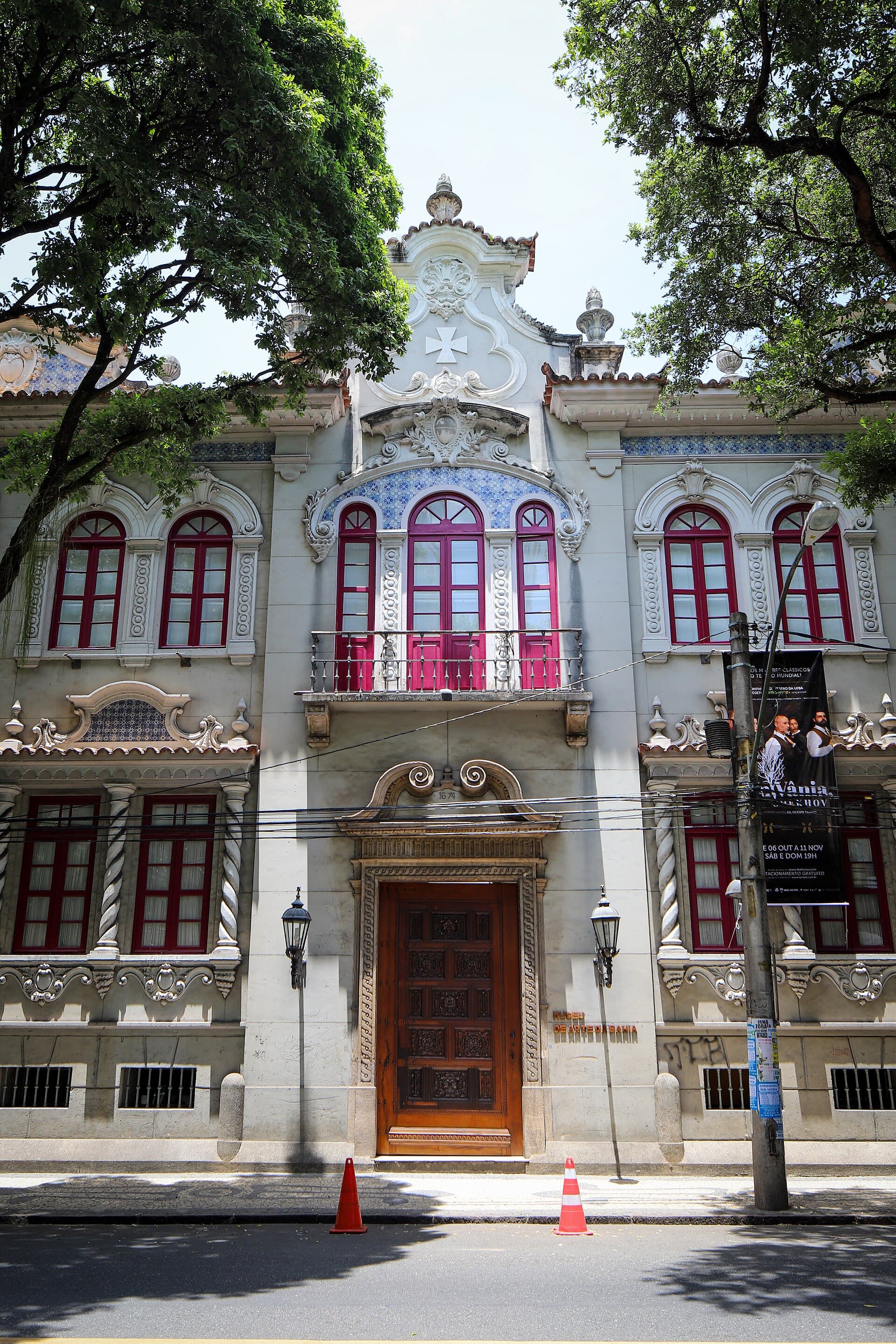 Museu de Arte da BahiaThe Bahia Museum of Art is the oldest museum in the state, founded in 1918 and a8 minutes walk4.8
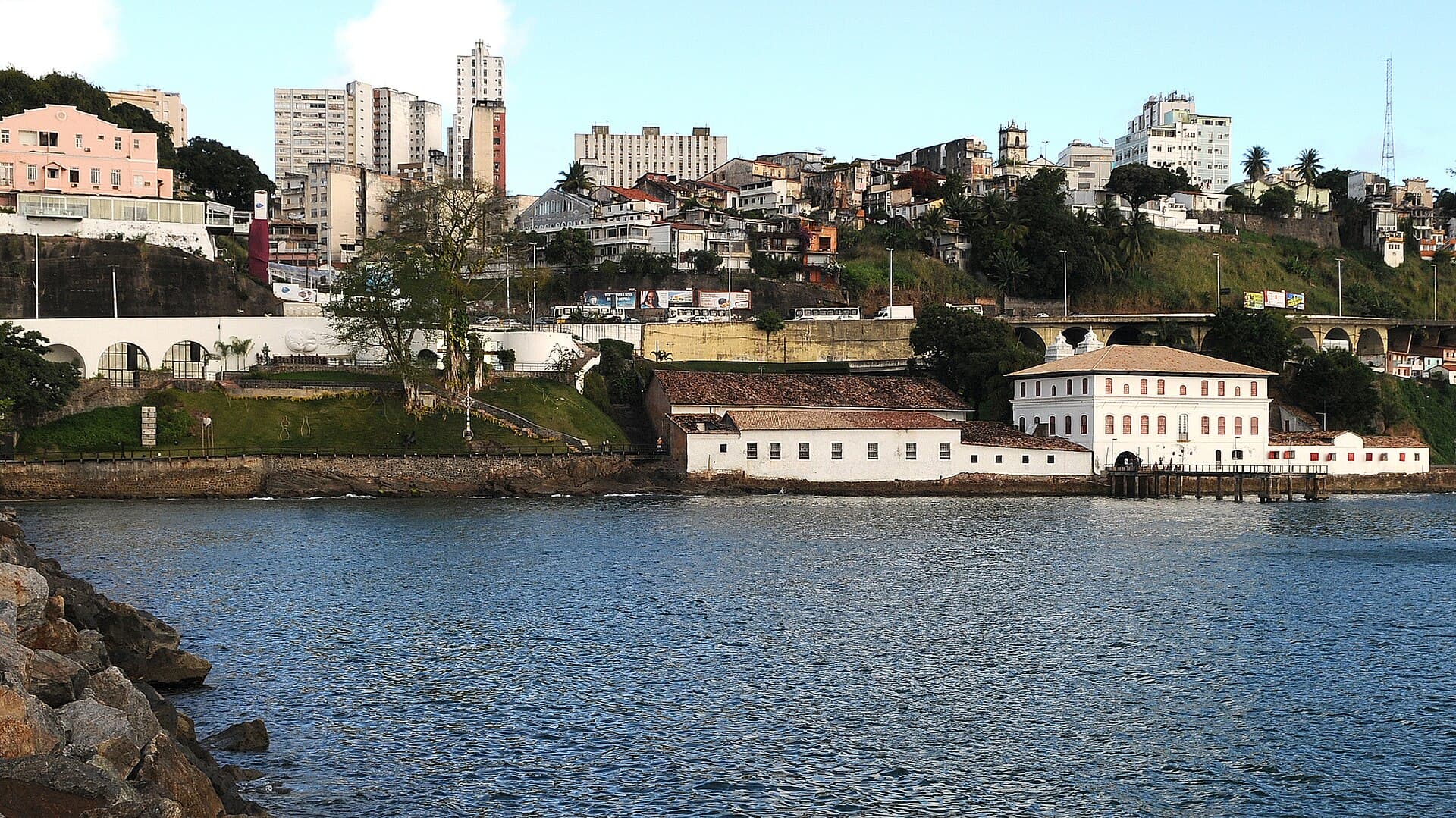 Solar do Unhão and MAM-BASolar do Unhão is a colonial complex on the shore of the Bay of All Saints in Sa11 minutes walk4.8
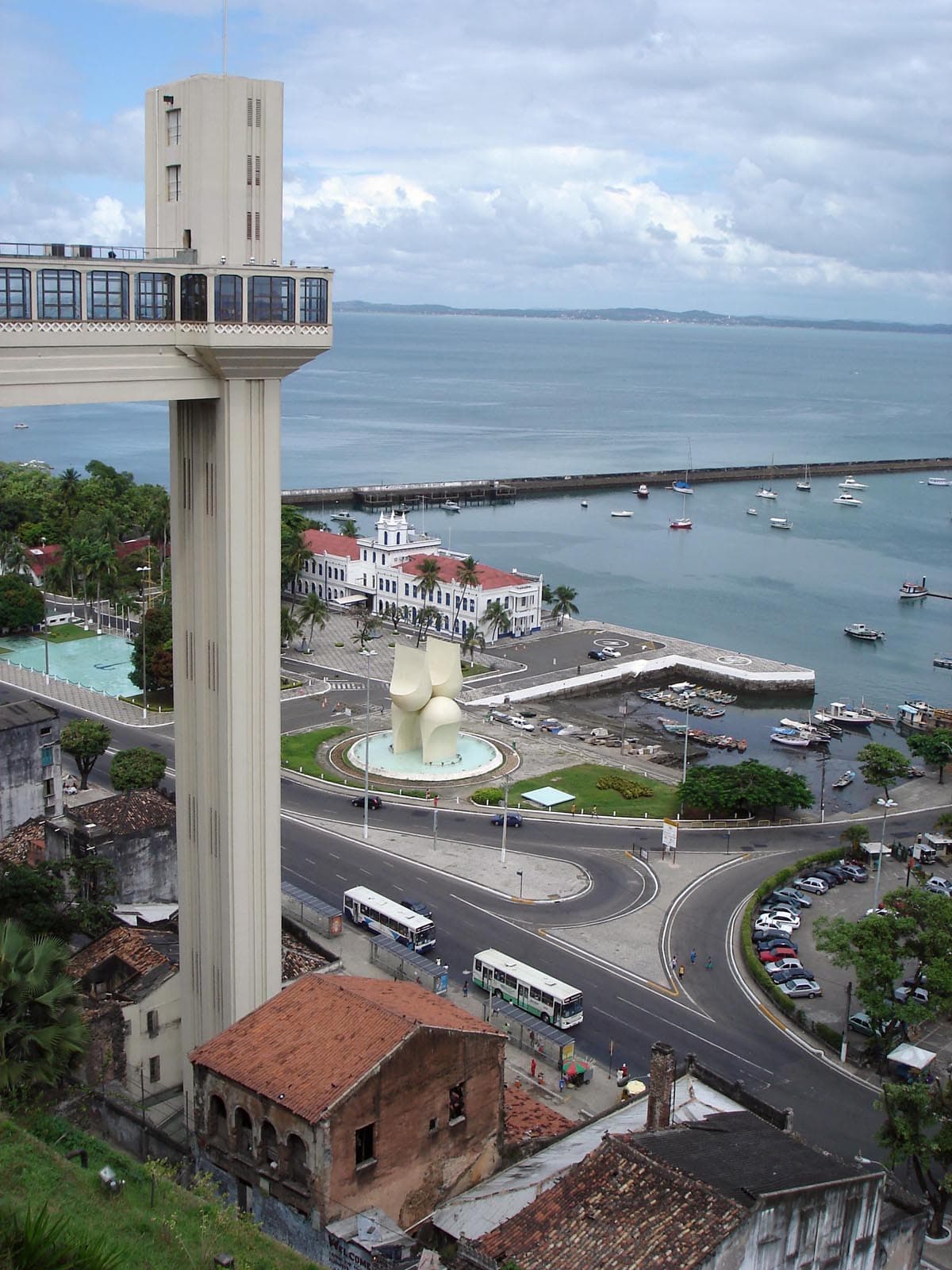 Elevador LacerdaThe Elevador Lacerda is a public lift 72 metres high that links Salvador's Upper24 minutes walk4.4
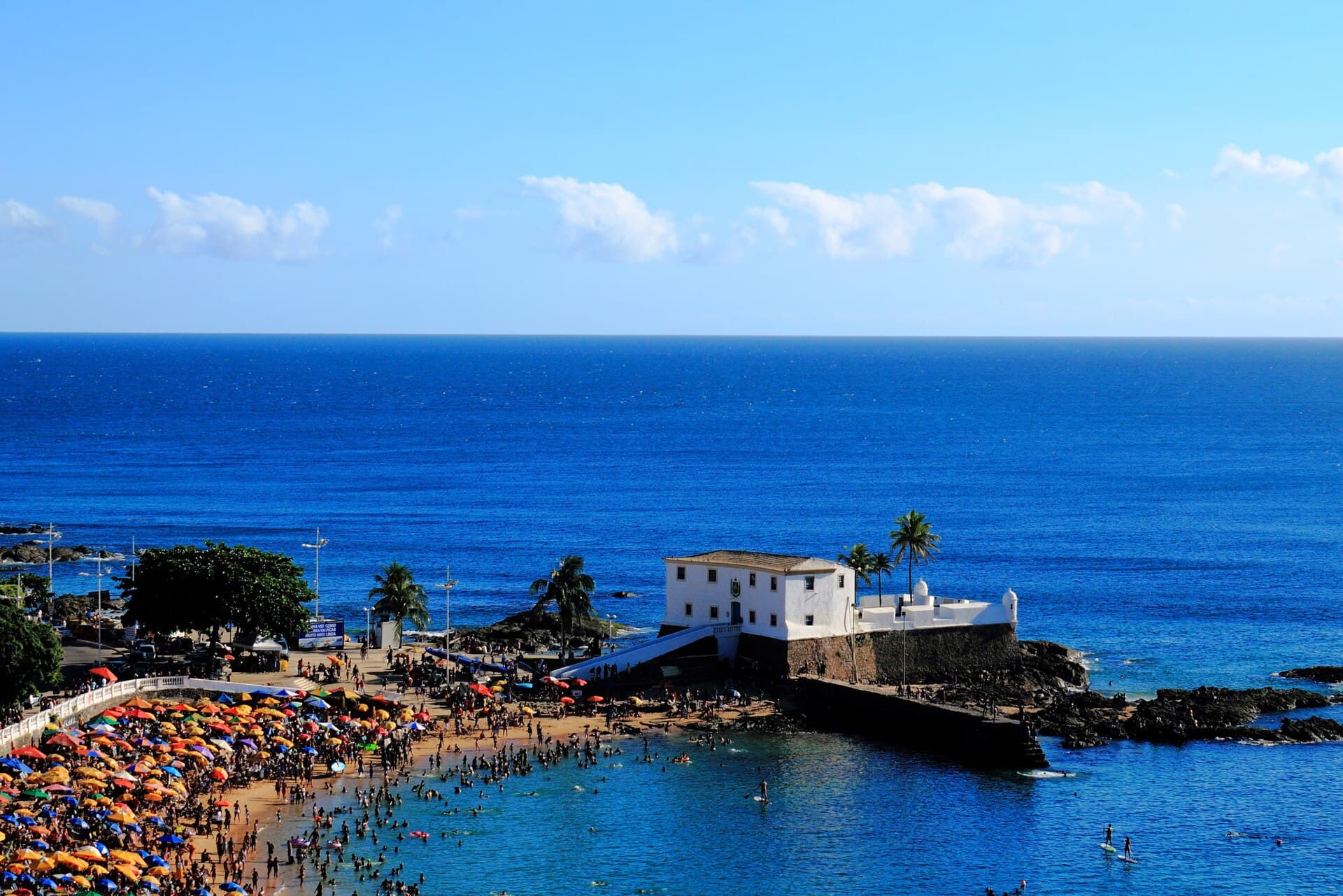 Porto da Barra BeachPorto da Barra is a short beach, about 300 metres, in Salvador's Barra district 24 minutes walk4.5
Bahia's independence from Portugal on 2 July 1823; it is topped by the Caboclo figure.