Napoleon's tomb
Directly beneath the golden dome: the red quartzite sarcophagus ringed by battle names and twelve Victories — an unforgettable solemnity.
Another one of my pictures: This photograph was taken by Medium69 (William Crochot) and released under the license stated below. You are free to use it for any purpose as long as you credit the author — CC BY-SA 4.0 · Dietmar Rabich — CC BY-SA 4.0 · Diliff — CC BY 2.5 · Thesupermat — CC BY-SA 3.0
The gilded dome glinting in every Paris panorama belongs to Les Invalides: the royal complex Louis XIV built in the 1670s as a hospital and home for his veteran soldiers — hence the name — before it became France's greatest military shrine and Napoleon Bonaparte's final resting place. Directly beneath the dome lies the Emperor in a massive red quartzite sarcophagus on a green granite base, ringed by the names of his victories and twelve statues of Victory — a funerary scene of a solemnity unlike anything else in Europe. Around it through the complex runs the Army Museum: from medieval armour and swords to two World War galleries among the richest anywhere. The place is bigger than everyone expects: one ticket covers the tomb and the entire museum, two hours is the minimum, three does it justice. And don't leave without walking the green esplanade stretching from the gate to Pont Alexandre III.
Directly beneath the golden dome: the red quartzite sarcophagus ringed by battle names and twelve Victories — an unforgettable solemnity.
From the artillery of 1914 to the Liberation of 1944 — a rich, balanced telling of Europe's bloodiest century.
One of the world's largest ancient-arms collections: gilded royal helmets and knightly swords in the old royal halls.
The inner courtyard with its bronze cannons, where Napoleon decorated his soldiers, then the green esplanade running to Pont Alexandre III and the river.
Esplanade des Invalides, 75007 Paris
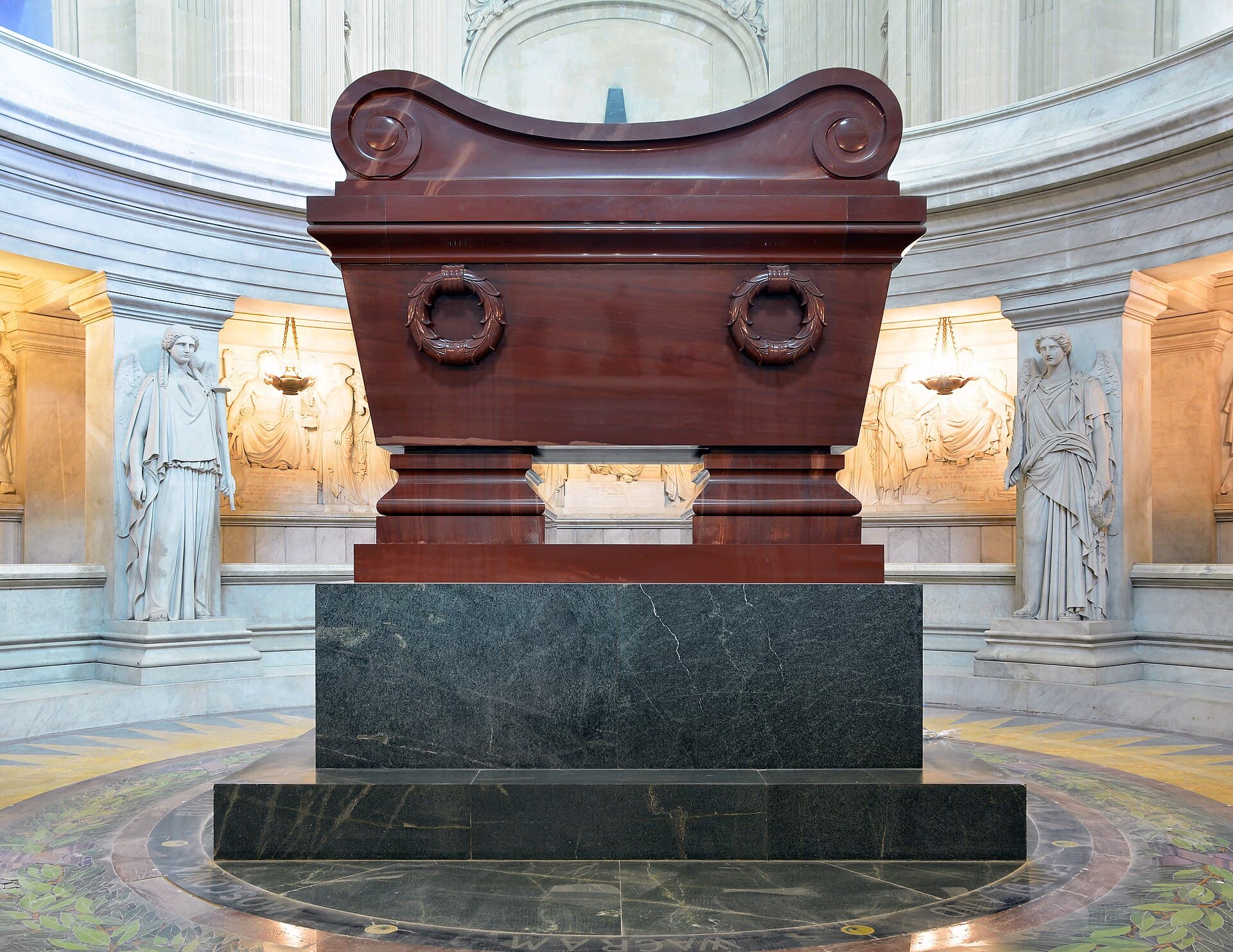 Tomb of NapoleonBeneath the highest golden dome in Paris, in an open circular crypt designed so 1 minute walk4.8
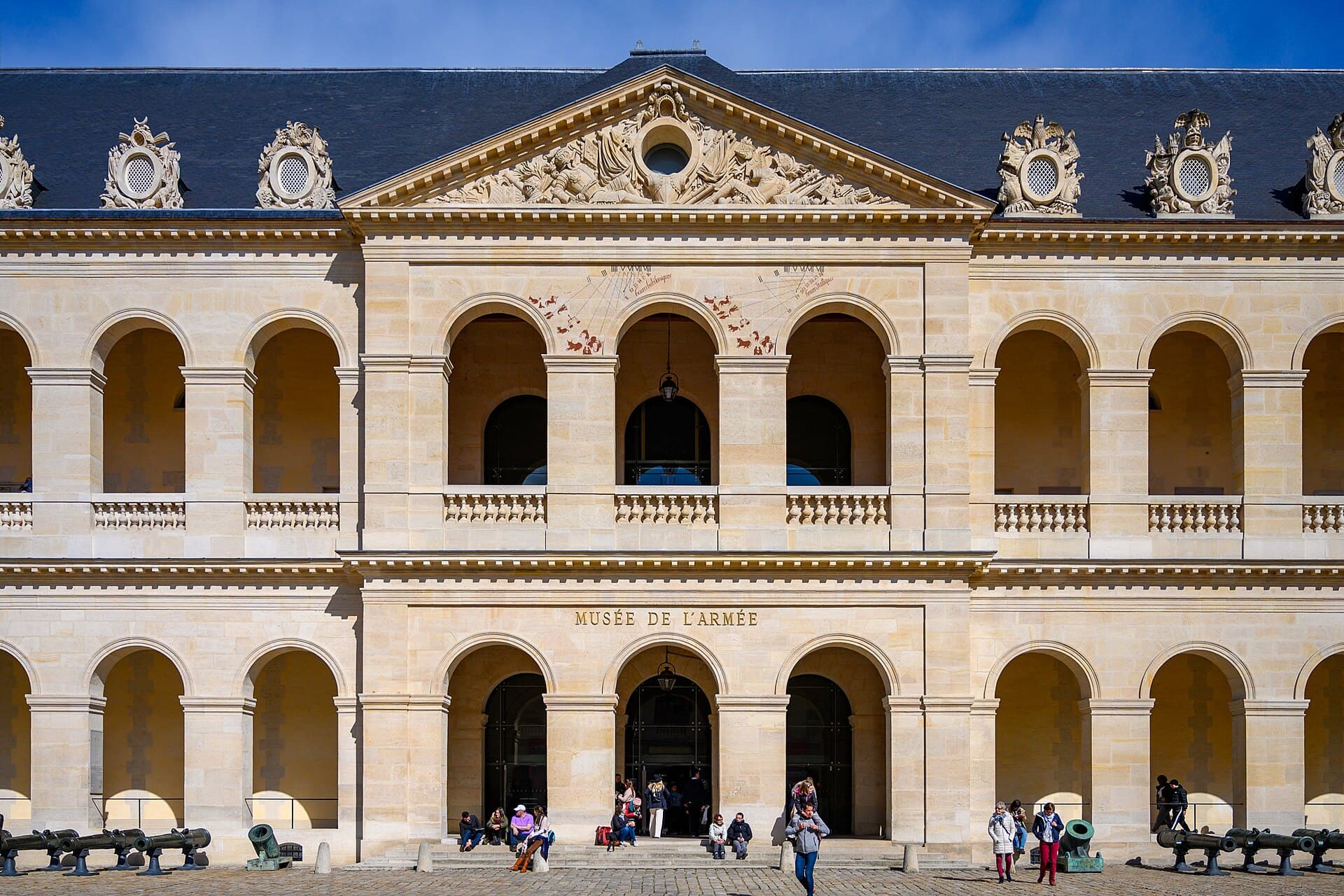 Musée de l'ArméeThrough the wings of Les Invalides runs the French Army Museum — one of the worl3 minutes walk4.5
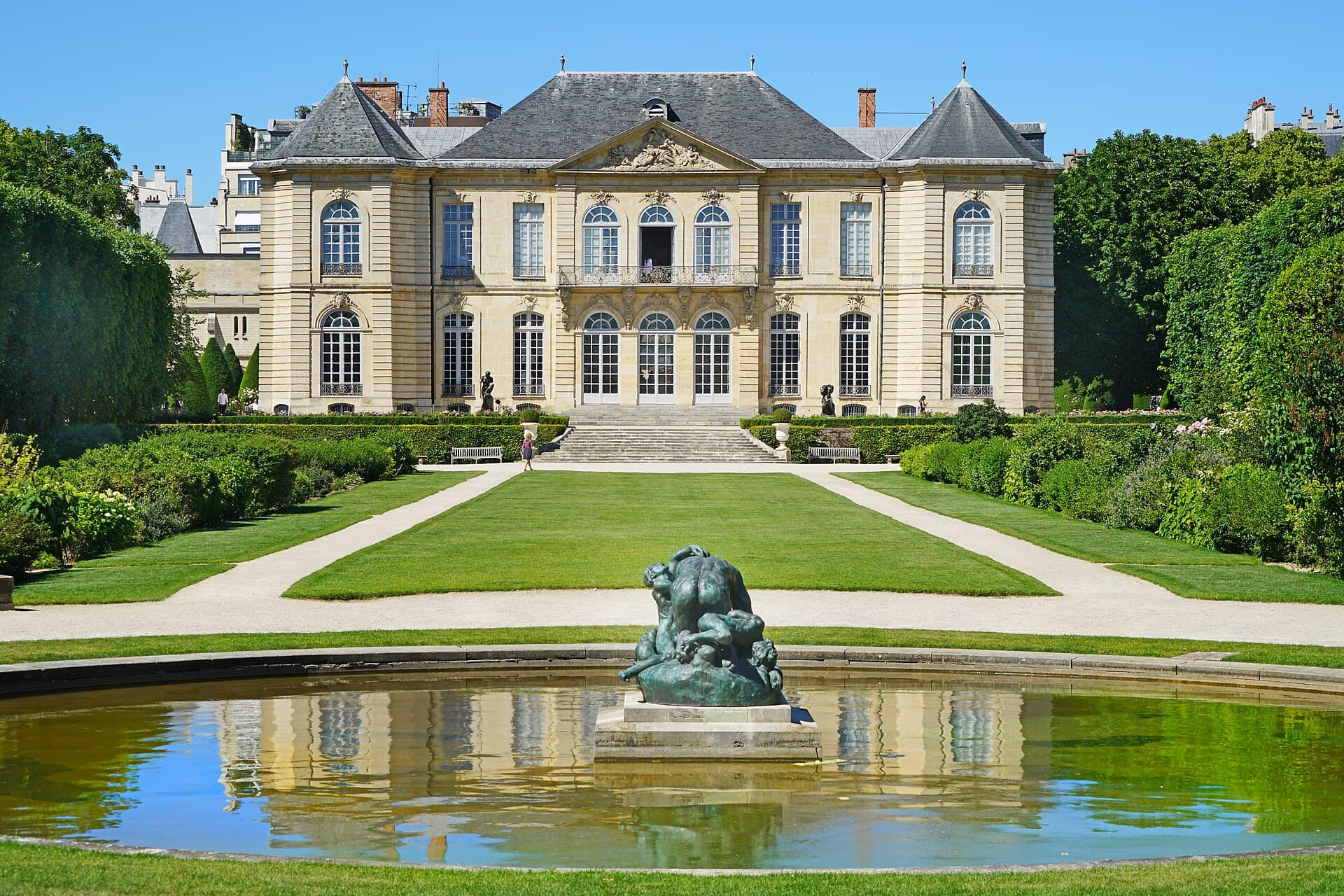 Musée RodinThe loveliest museum in Paris is neither its biggest nor most famous: the countr3 minutes walk4.6
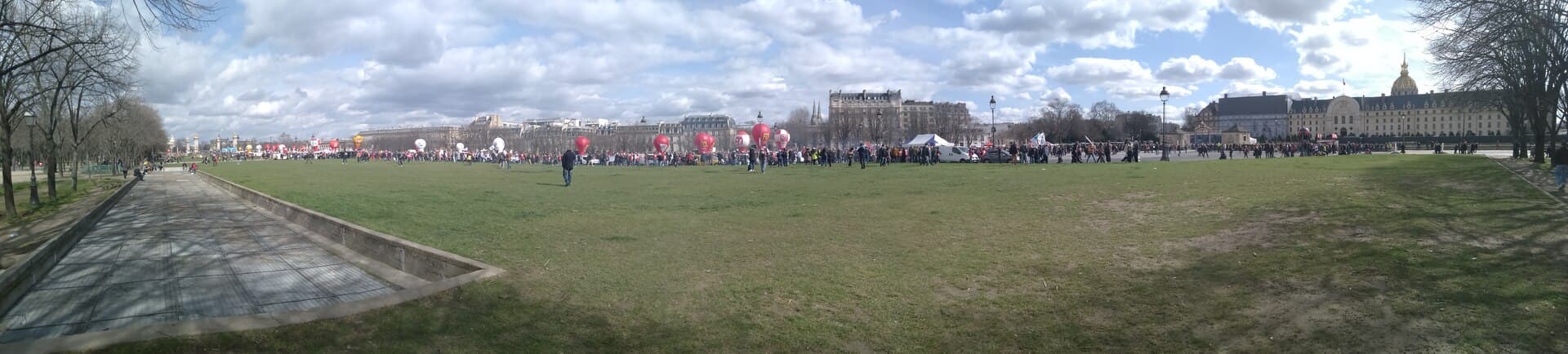 The Esplanade des InvalidesA wide rectangular green space running from the front of the Hôtel des Invalides8 minutes walk4.7
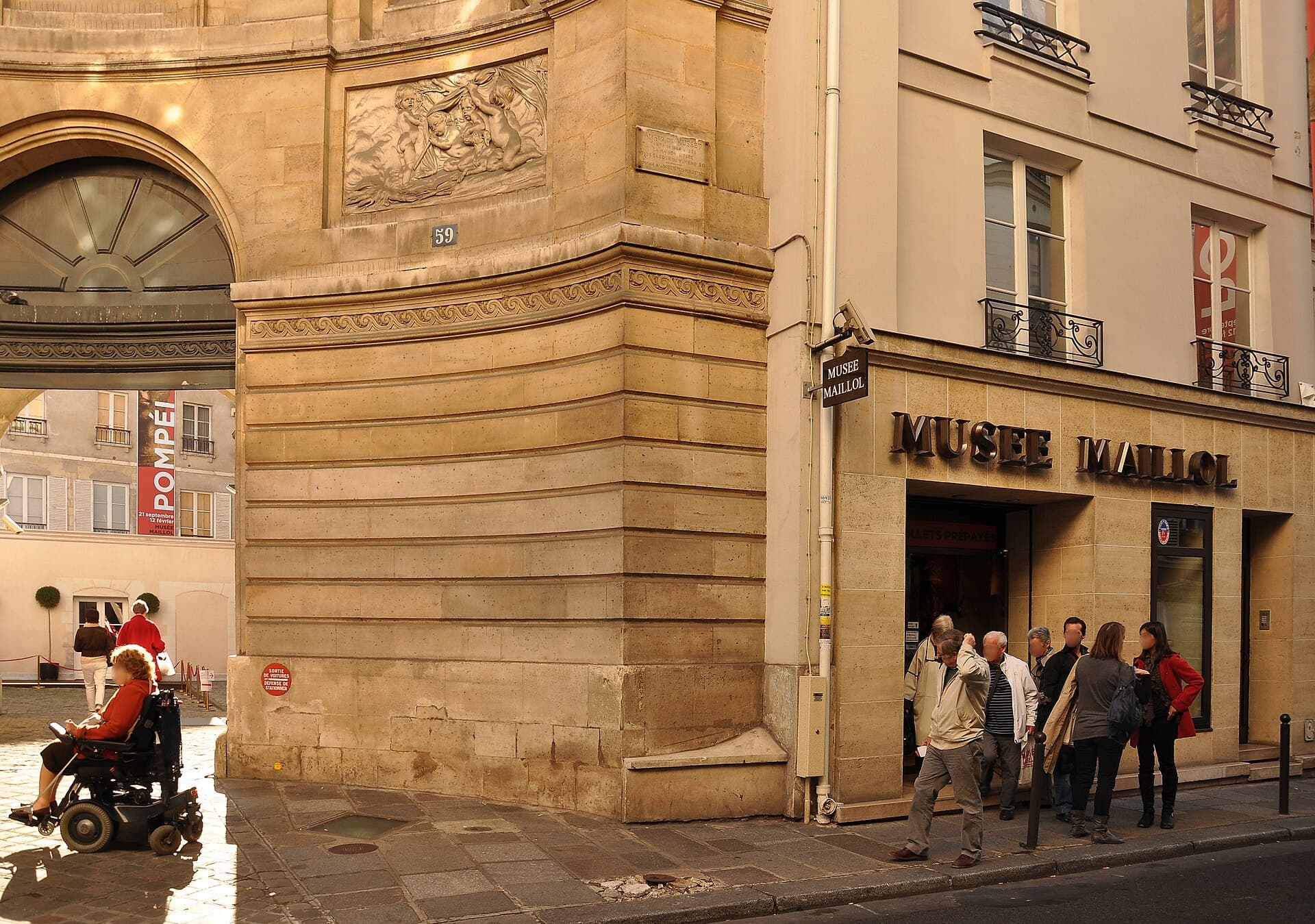 Musée MaillolA private museum in Saint-Germain, built around the work of the French sculptor 11 minutes walk4.6
Looking for halal food near Les Invalides? There are several options nearby, from Moroccan and Indian kitchens to quick casual spots and places with a view. Confirm the halal status and opening hours before you go — these can change.
 New JawadHalalNew Jawad is an Indo-Pakistani restaurant on Avenue Rapp, a short walk from the 13 minutes walk · $$$4.4
 Ministry of SpiceHalalModern halal Indian cooking, the sit-down option for an unhurried dinner. About 5 minutes walk · $$$
 Berkeley GardenHalalHalal Indian cooking that suits families and group dinners, about eight minutes'12 minutes walk · $$$
 Snack&RushHalalHalal fast food at budget prices, about five minutes' walk from the tower. The m16 minutes walk · $
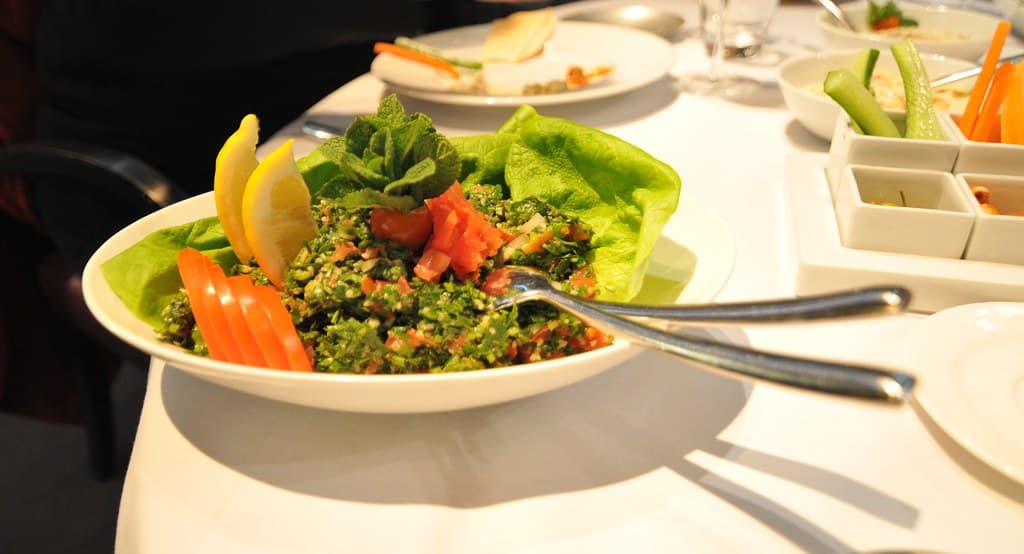 NouraHalalNoura is not a discovery; it is the institution every Arab visitor to Paris has 23 minutes walk · $$$4.5
The tomb and Dôme church alone justify the trip for any visitor — architecture and memory needing no military bent. The museum beyond is optional to taste.
He died in exile on Saint Helena in 1821; twenty years later France brought his remains home in the solemn "Return of the Ashes," burying him as he wished: "on the banks of the Seine, among the French people I so loved."
Ninety minutes for the essence, three hours for the full round. Pair it with the neighbouring Rodin Museum, or cross Pont Alexandre III to the Grand and Petit Palais — it's all one walkable block.