
The five-bridge view
The park's southern edge: five bridges crossing the Vltava in one frame — a picture available nowhere else in Prague.
I would appreciate being notified if you use my work outside Wikimedia. More of my work can be found in my personal gallery. — CC BY-SA 3.0 · Jacek Halicki — CC BY-SA 3.0 · Ray Swi-hymn from Sijhih-Taipei, Taiwan — CC BY-SA 2.0 · Ray Swi-hymn from Sijhih-Taipei, Taiwan — CC BY-SA 2.0
Letná is a broad green plateau directly above the bend of the Vltava, north of the Old Town, and from its edge Prague lays itself out for you: five bridges crossing the river in a single frame, the castle to the left, the Old Town roofs to the right. That edge is the most famous free viewpoint in the city, and it is where you find residents rather than tour groups. The park carries heavy political history. On its raised terrace stood the largest statue of Stalin in the world, from 1955 until it was dynamited in 1962 during de-Stalinisation. Its place is now held by the Prague Metronome, a giant metal arm swinging above the city. And in November 1989, hundreds of thousands gathered on the Letná plain for the demonstrations that ended communist rule. Today it is an everyday park in the best sense: running and cycling paths, playgrounds, and an open-air beer garden right on the edge with the finest sunset in Prague. It is free and always open. Climb up from Čech Bridge by the spiral stairway, or take a tram to Letenské náměstí and walk in from the top with no climb at all.
The park's southern edge: five bridges crossing the Vltava in one frame — a picture available nowhere else in Prague.
An open-air café of wooden tables looking straight down the river — Prague's best-known spot for a summer sunset.
The huge stone terrace that once carried the world's largest Stalin statue before it was blown up — history you feel underfoot.
An ornate cast-iron pavilion from the 1891 exhibition, moved here — and its terrace is one of Prague's most elegant viewpoints.
Letenské sady, Prague 7 — Holešovice
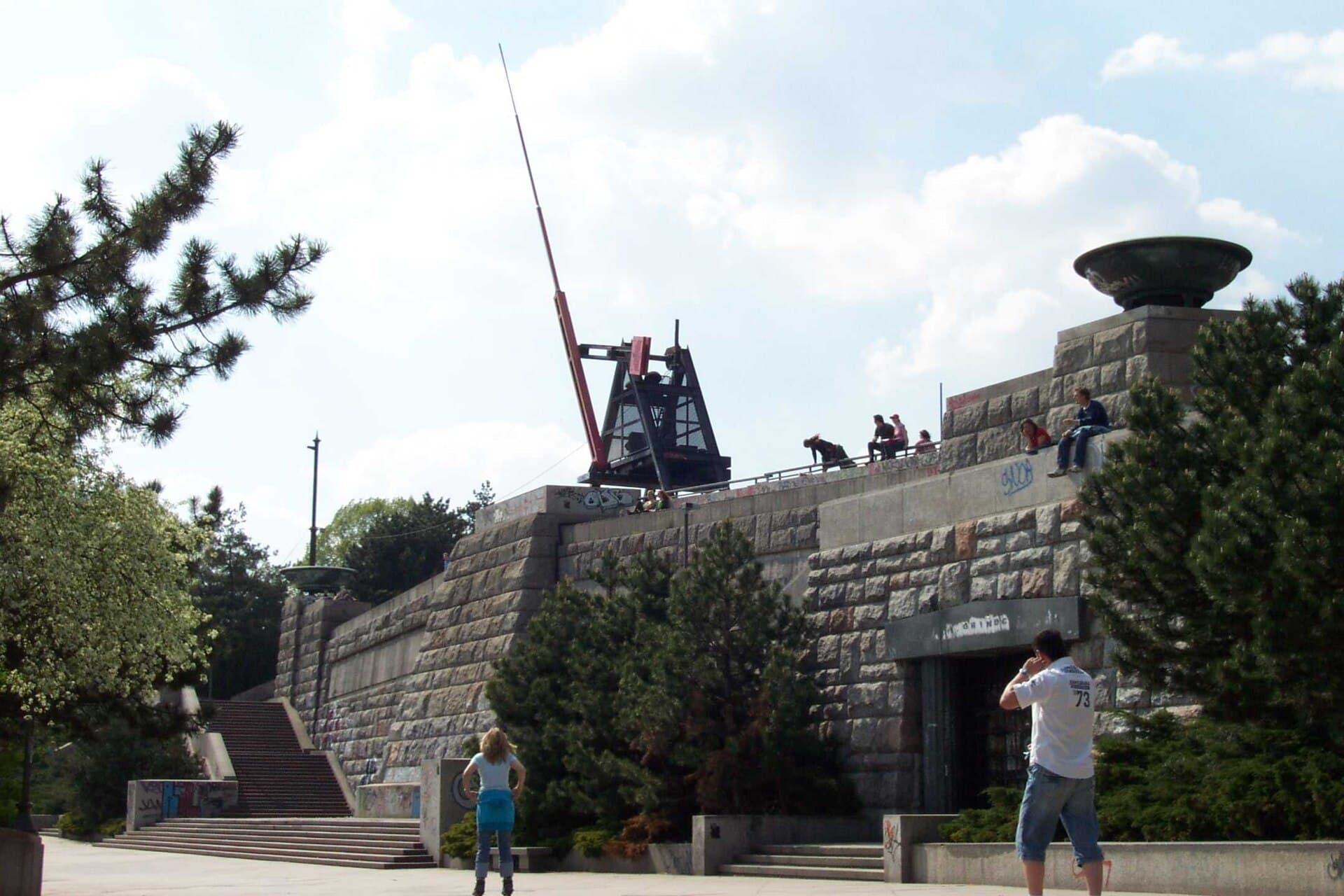 Prague MetronomeOn a massive stone terrace overlooking the Vltava, a red metal arm some 23 metre3 minutes walk4.2
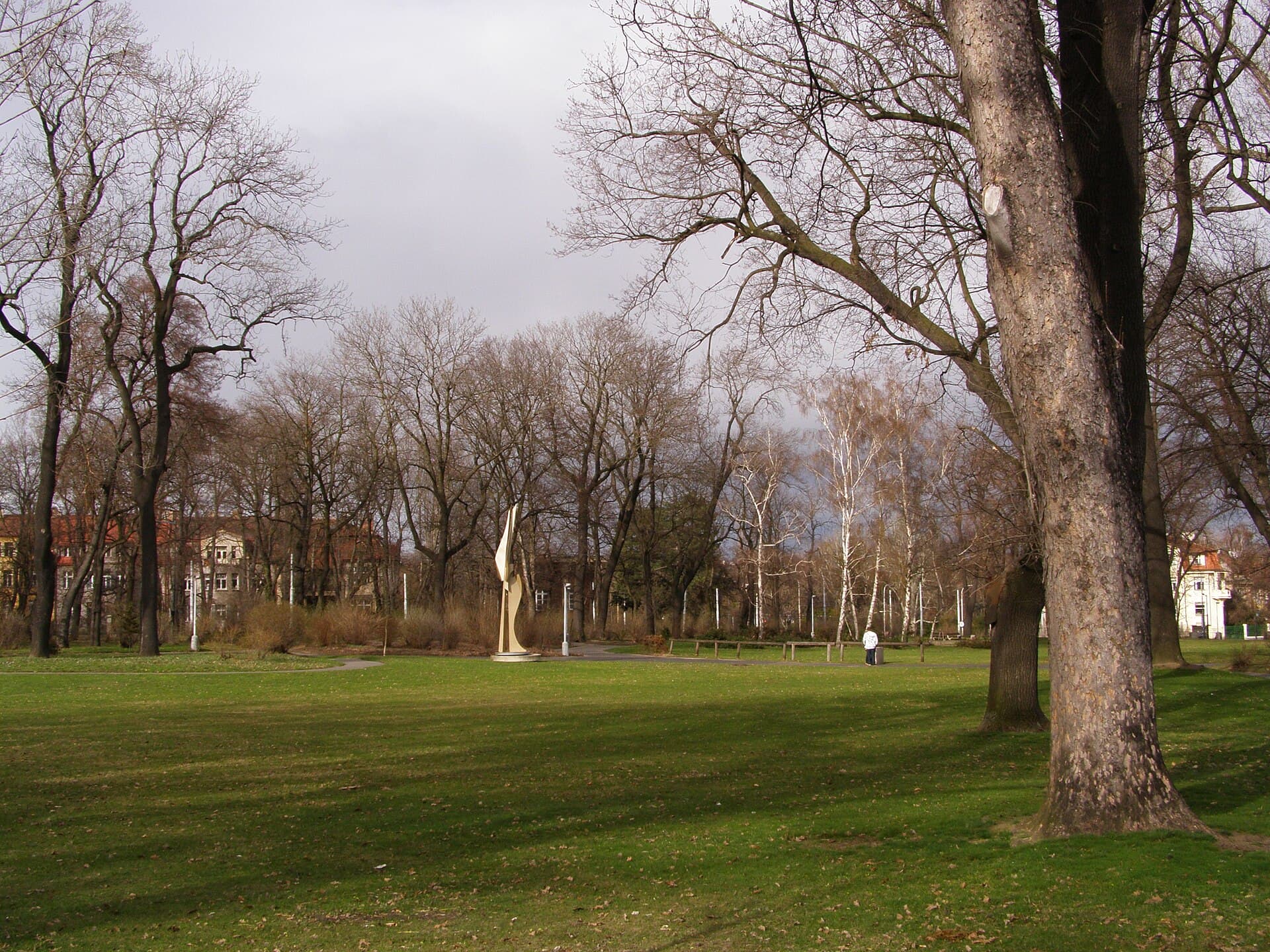 Chotek GardensPrague's first public park, opened in 1833 on the orders of the governor Karl Ch4 minutes walk4.7
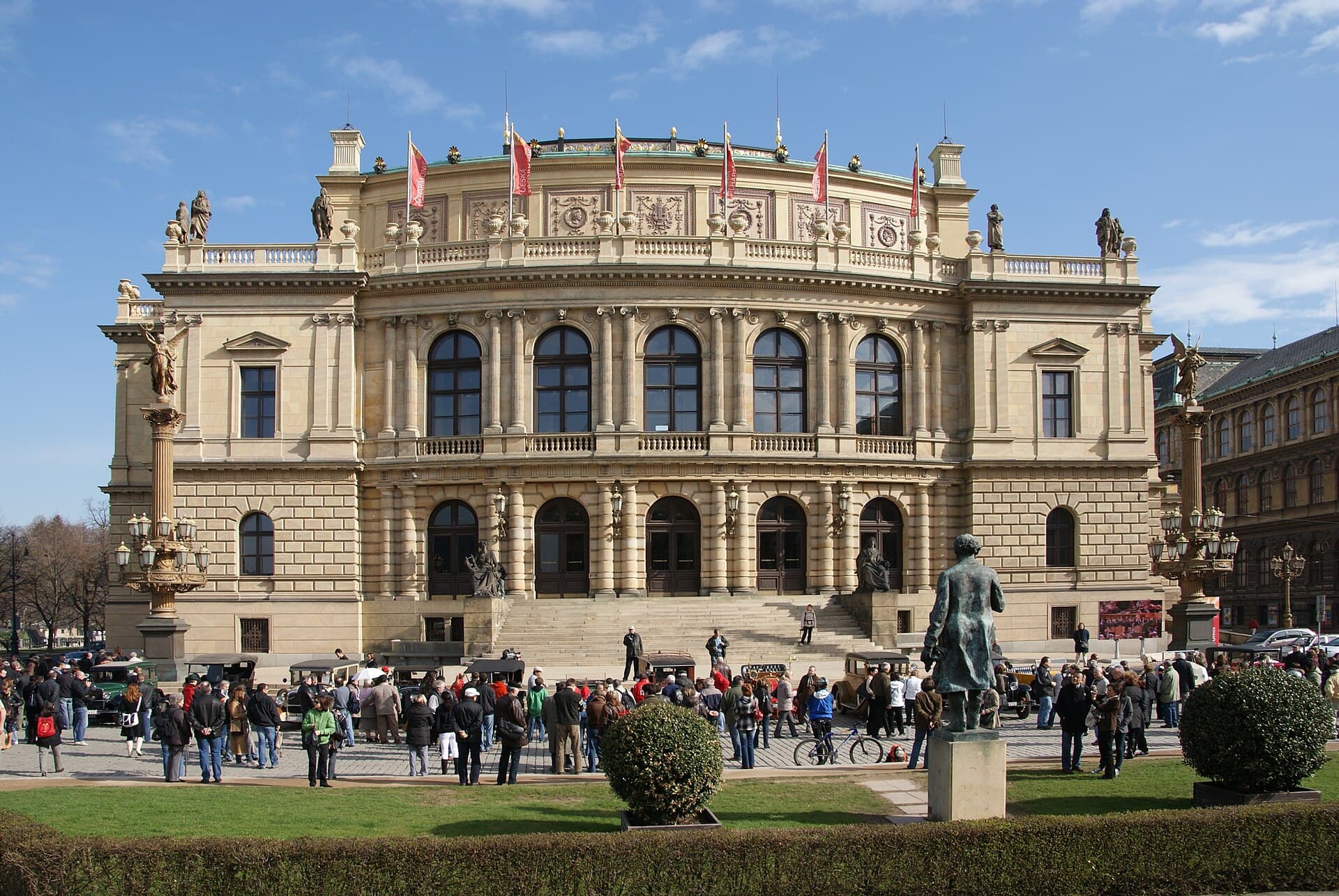 RudolfinumThe Rudolfinum is a large neo-Renaissance building on the Vltava embankment nort6 minutes walk4.8
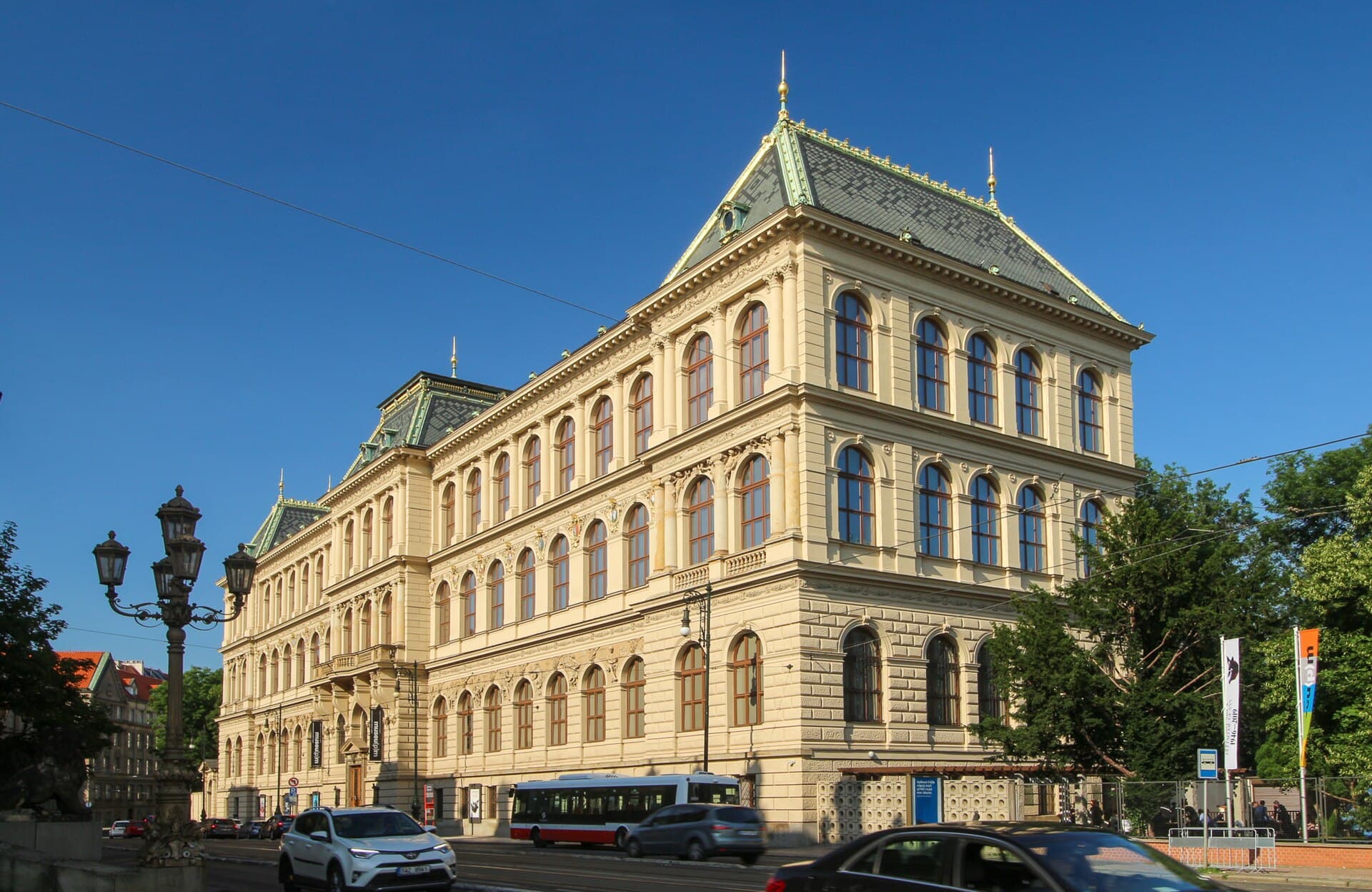 Museum of Decorative ArtsPrague's museum of applied arts, in a late nineteenth-century building at the ed7 minutes walk4.7
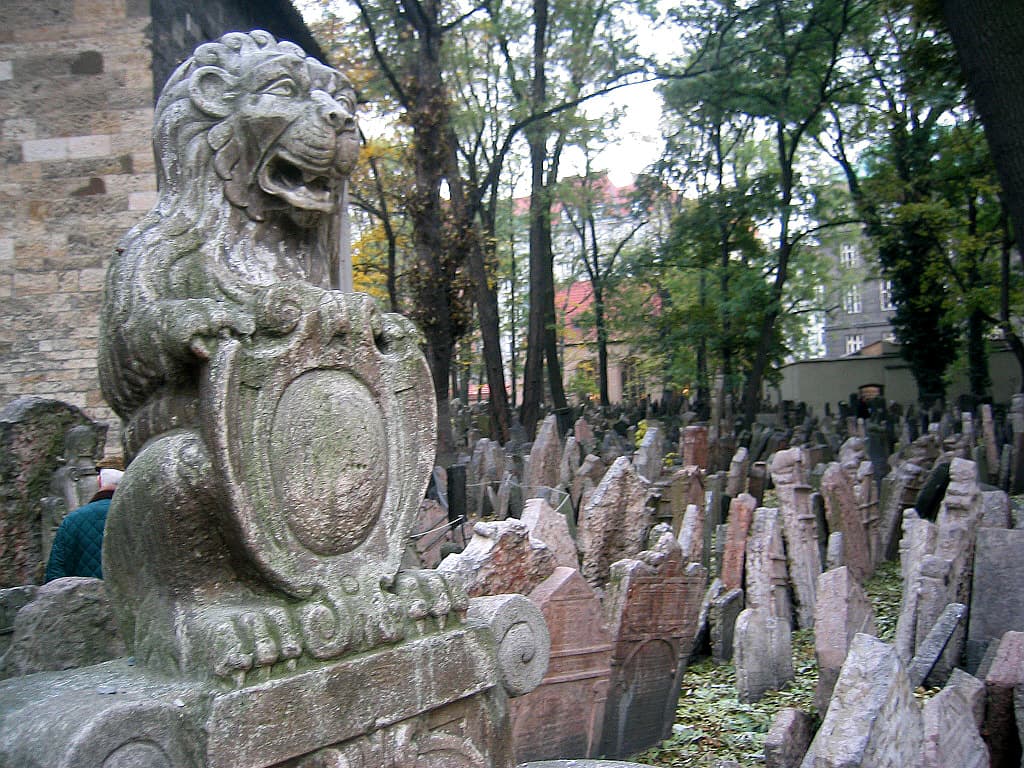 Old Jewish CemeteryThe Old Jewish Cemetery in Prague is among the strangest and most affecting plac7 minutes walk4.3
It is the best for the river and bridges; Vyšehrad is better for quiet and the southern bend; Petřín is the widest but is ticketed. If you have one sunset in Prague, spend it at Letná.
Take a tram to Letenské náměstí and walk in at the top level with no steps at all. The spiral stairway from Čech Bridge is handsome but a hot climb in summer.
Very much so: open lawns, playgrounds and level stroller paths. It is one of Prague's best family afternoons, with no tickets and no queues.
The Prague Metronome is inside the park itself, the Trade Fair Palace (National Gallery) is ten minutes' walk, and the National Technical Museum is close too — an easy day in the Holešovice district.