
Bohemian glass
Centuries of Czech glassmaking — a field where the country genuinely leads.
VitVit — CC BY-SA 4.0 · Unknown authorUnknown author — CC BY-SA 4.0 · Dobroš — CC BY-SA 4.0 · Dobroš — CC BY-SA 4.0
Prague's museum of applied arts, in a late nineteenth-century building at the edge of the Jewish Quarter, with a collection among the strongest in central Europe in its field. The subject here is not painting but what is made and used: glass, ceramics, furniture, dress, jewellery, bookbinding and clocks. That makes it different in nature from a picture gallery, closer to a history of taste and manufacture than a history of art. Its outstanding section is Bohemian glass, a field in which the Czech lands genuinely lead the world rather than merely claiming to: centuries of blown, cut and coloured glass, displayed in a sequence that explains how the craft developed. The building itself is worth looking at: a marble staircase, decorated ceilings and halls from the era when Europe built its great museums. Its location is excellent — minutes from the Jewish Quarter and the Old Town Square, so it folds into a day in the centre with no detour. From its windows there is a view over the old Jewish cemetery.
Centuries of Czech glassmaking — a field where the country genuinely leads.
A marble staircase and decorated ceilings from the age of Europe's great museums.
The old Jewish cemetery next door is visible from the museum's windows.
17. listopadu street, by the Jewish Quarter
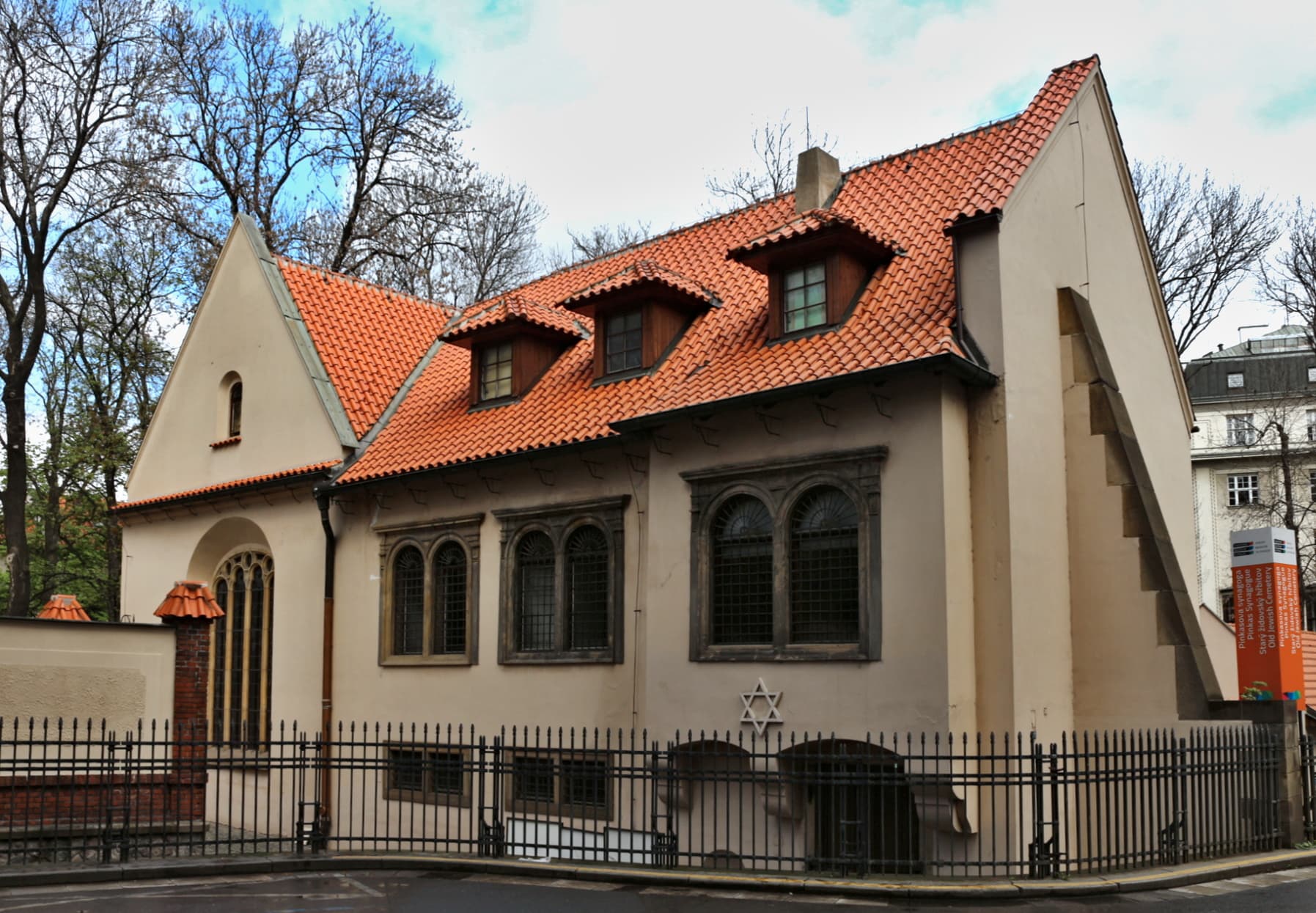 Pinkas SynagogueFrom outside, the Pinkas Synagogue is a small, quiet 16th-century building besid1 minute walk4.4
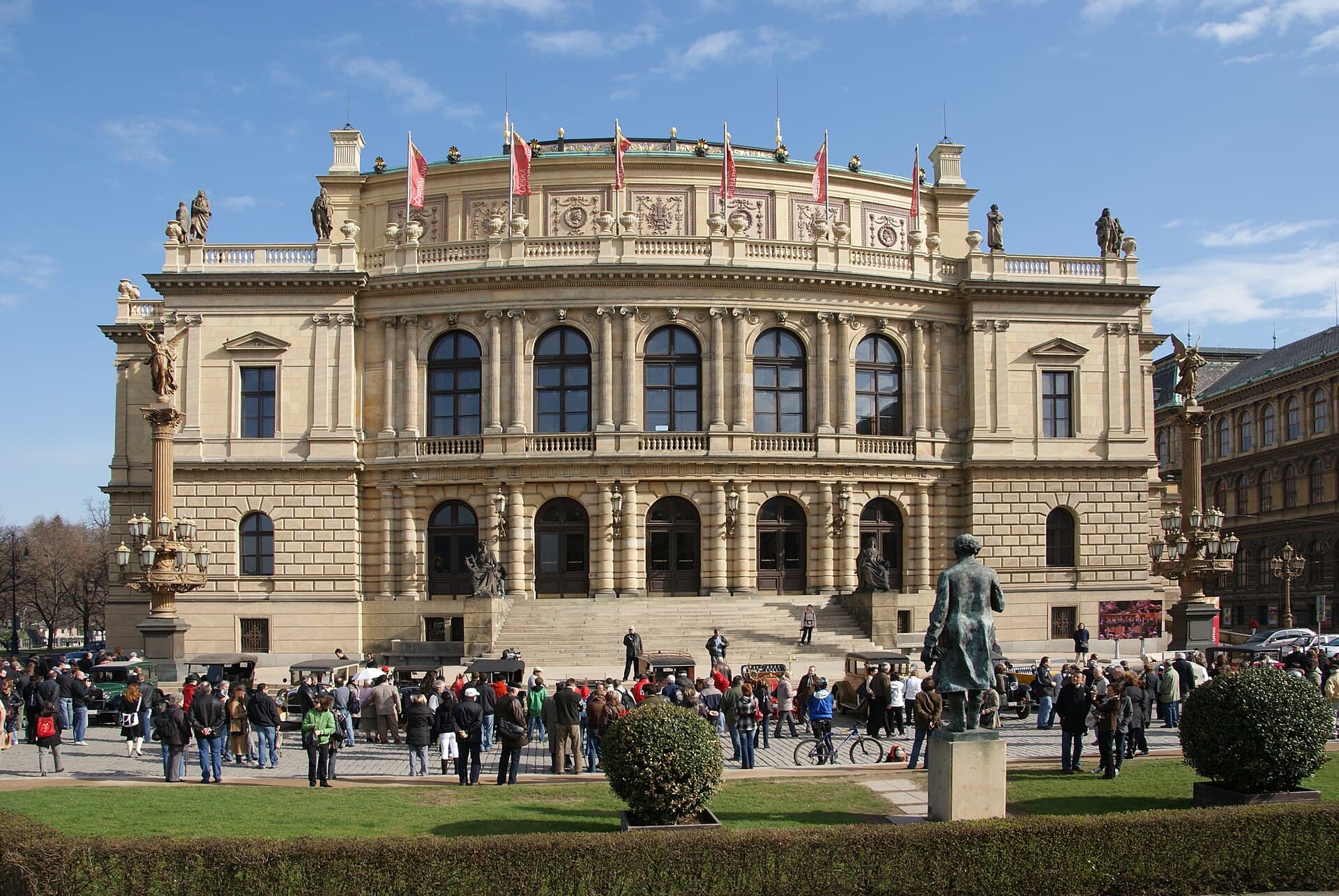 RudolfinumThe Rudolfinum is a large neo-Renaissance building on the Vltava embankment nort1 minute walk4.8
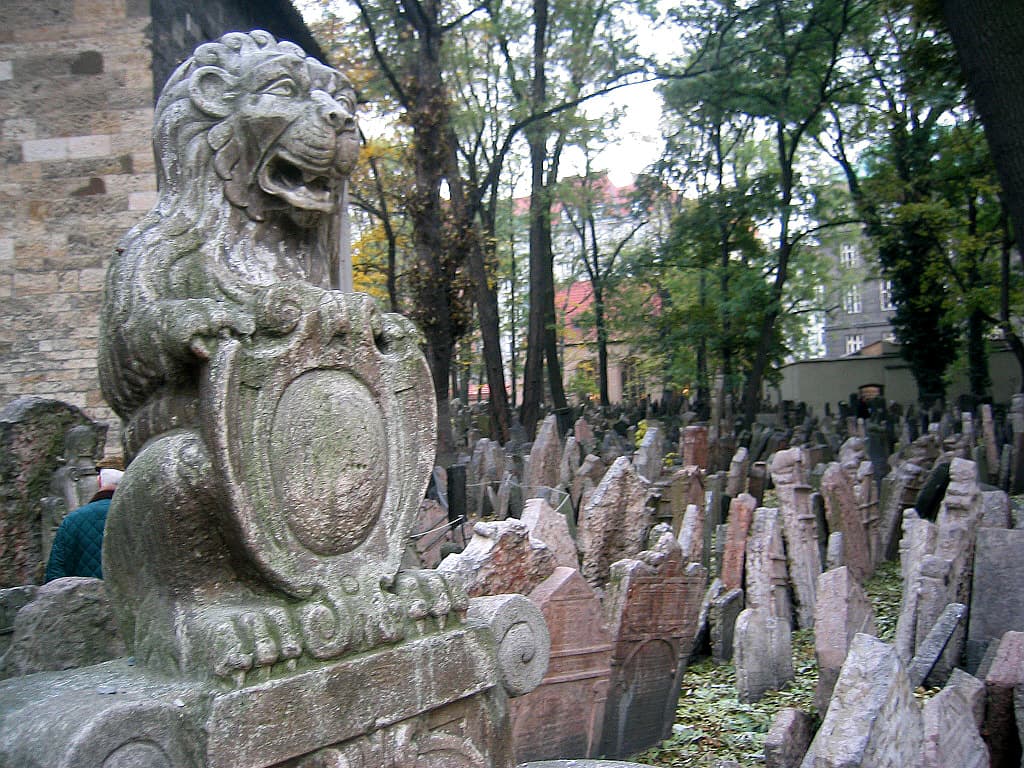 Old Jewish CemeteryThe Old Jewish Cemetery in Prague is among the strangest and most affecting plac1 minute walk4.3
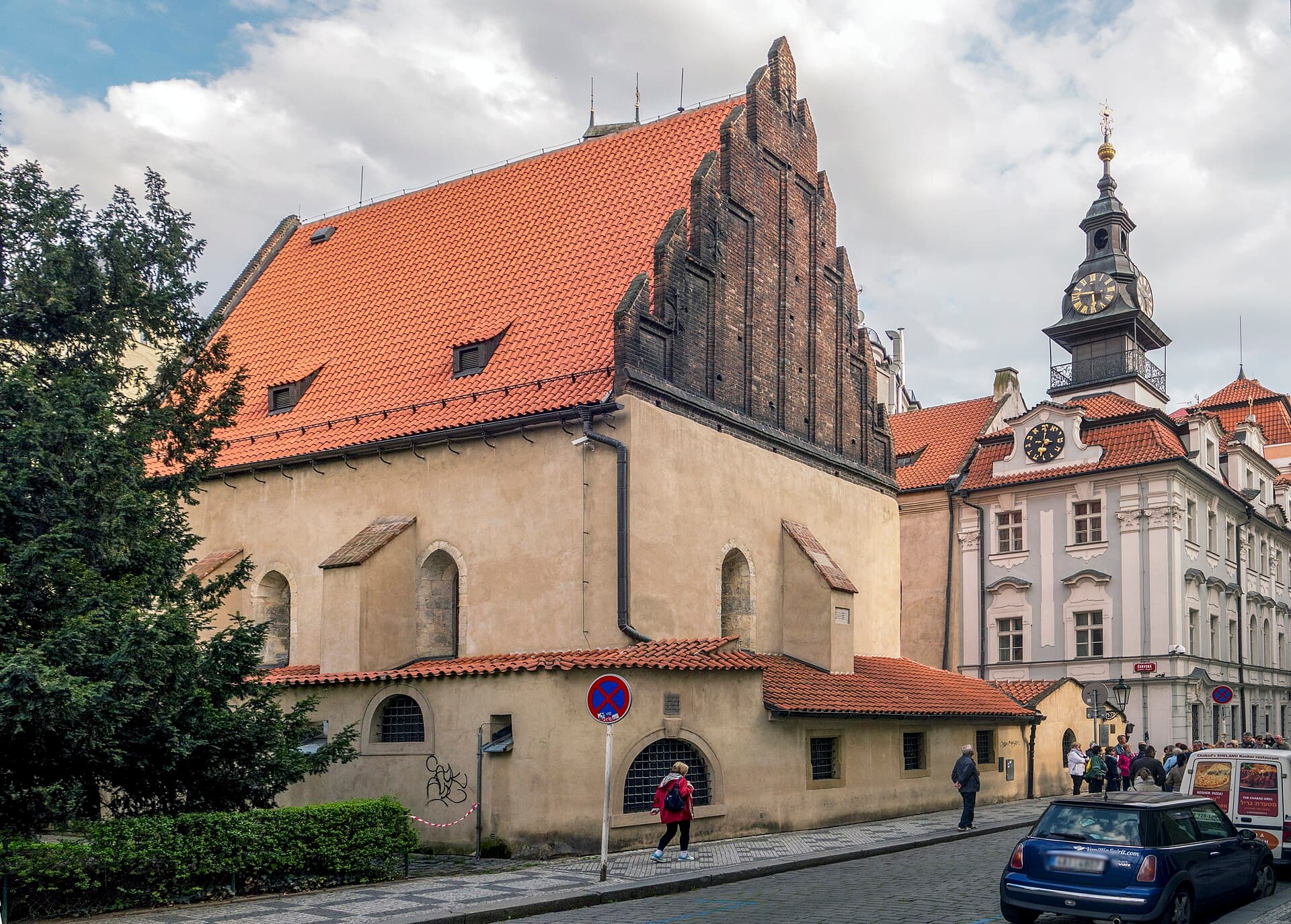 Old New SynagogueThe Old-New Synagogue is the oldest synagogue in Europe still in use for prayer,3 minutes walk4.4
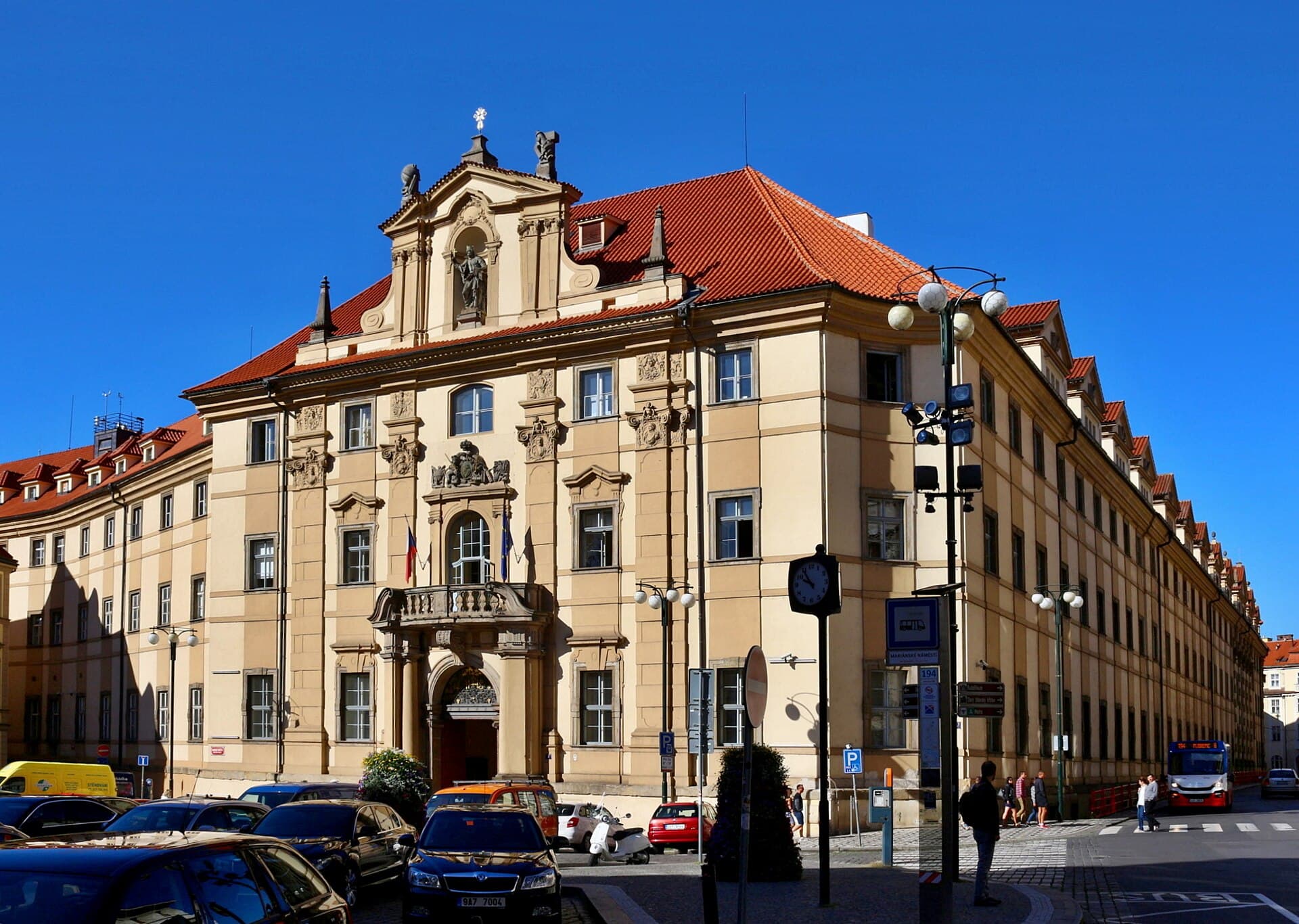 ClementinumThe Clementinum is a vast complex filling an entire block between Charles Bridge4 minutes walk4.4
More than you'd expect. The subject is things people used rather than abstract works, and the glass in particular is immediately visual and appeals to nearly every visitor. An hour and a half is enough, and the building compensates if the collection does not appeal.
The museum sits directly at the quarter's edge, so the natural order is to see the synagogues and the old cemetery on their combined ticket, then come into the museum afterwards. The two together make a comfortable half day in this part of Prague.