
Why the principality exists
An Austrian family bought two lordships to win an imperial seat.
Rafael P. D. Suppmann — CC BY-SA 4.0 · Wikiolo — CC BY-SA 3.0 · Wikiolo — CC BY-SA 3.0 · Wikiolo — CC BY-SA 3.0
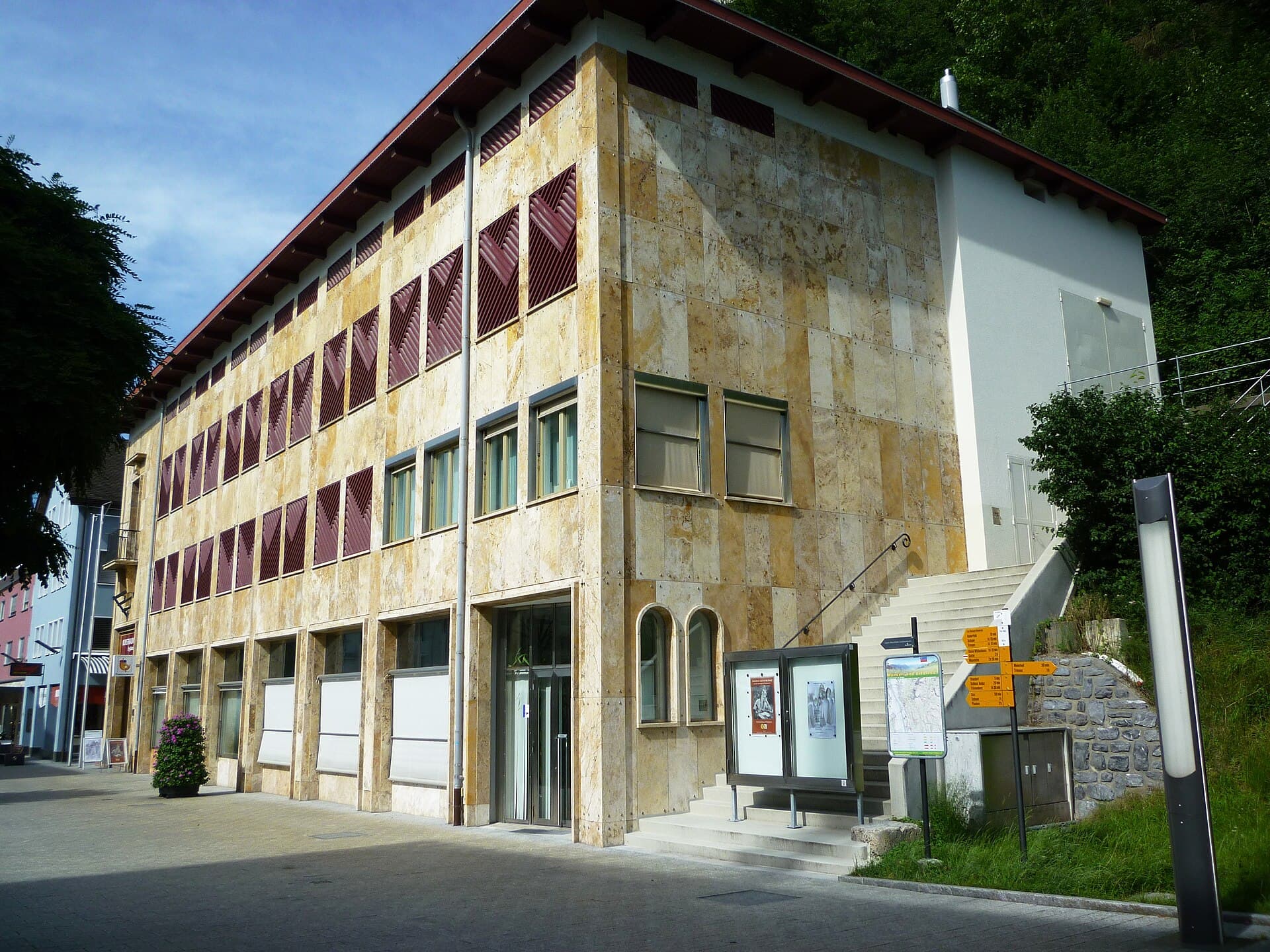
The National Museum (Landesmuseum) tells Liechtenstein's whole story in a building joining a fifteenth-century inn and the old customs house with a modern wing: from the Stone Age and Roman remains in the valley, through the Middle Ages and the castles, to the Austrian House of Liechtenstein's purchase of the lordships of Vaduz and Schellenberg (1699 and 1712) — bought precisely in order to make a principality of them and win a seat in the imperial diet. The most engaging story is the modern one: how one of nineteenth-century Europe's poorest corners (a peasant country whose young emigrated) became one of the world's richest per head within two generations — through the customs union with Switzerland (1923), precision industry, financial services and postage stamps. Sections on Alpine nature and rural life, and a large relief model of the country. On the Städtle beside the Kunstmuseum — the best place to understand why this small state exists at all, and one to two hours well spent before exploring the rest.
An Austrian family bought two lordships to win an imperial seat.
How a peasant country changed in two generations.
All Liechtenstein in one large model.
Städtle 43, 9490 Vaduz
 Postal MuseumThe Postal Museum sounds like a marginal subject until you learn that **postage 1 minute walk4.3
 Treasure Chamber of LiechtensteinThe Treasure Chamber (Schatzkammer) is a small, concentrated museum showing the 1 minute walk3.8
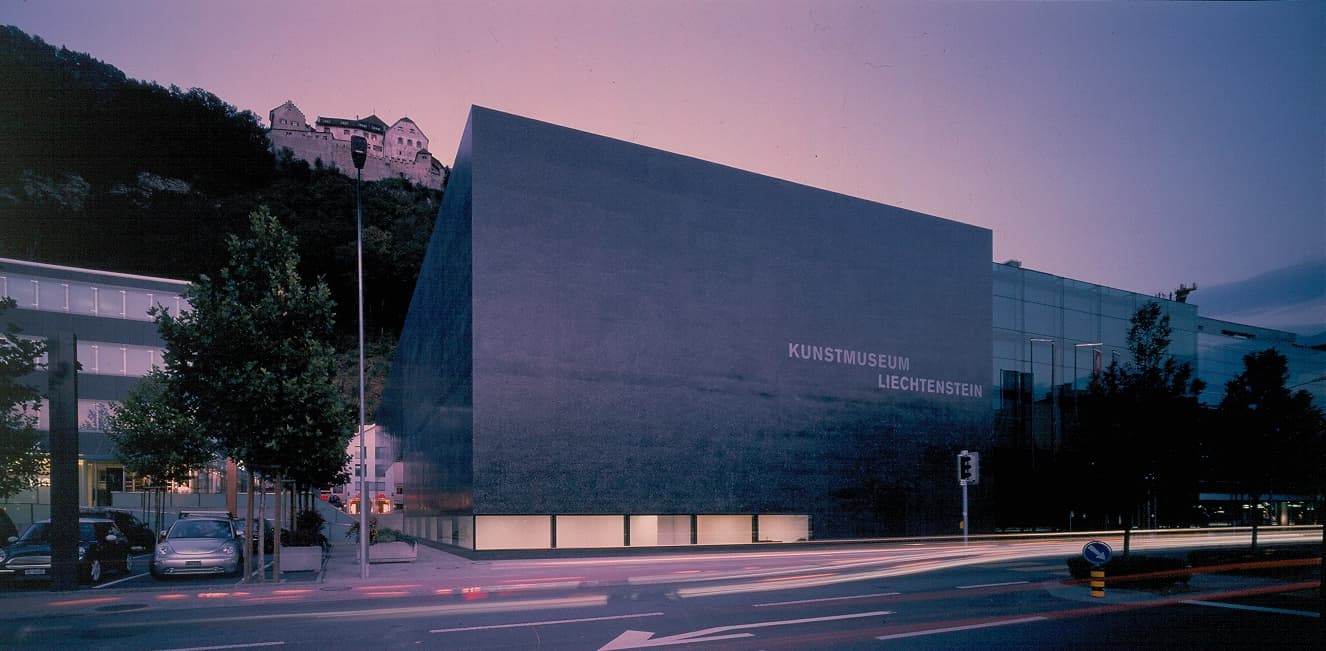 Kunstmuseum LiechtensteinThe Kunstmuseum Liechtenstein is the national museum of modern and contemporary 1 minute walk4.4
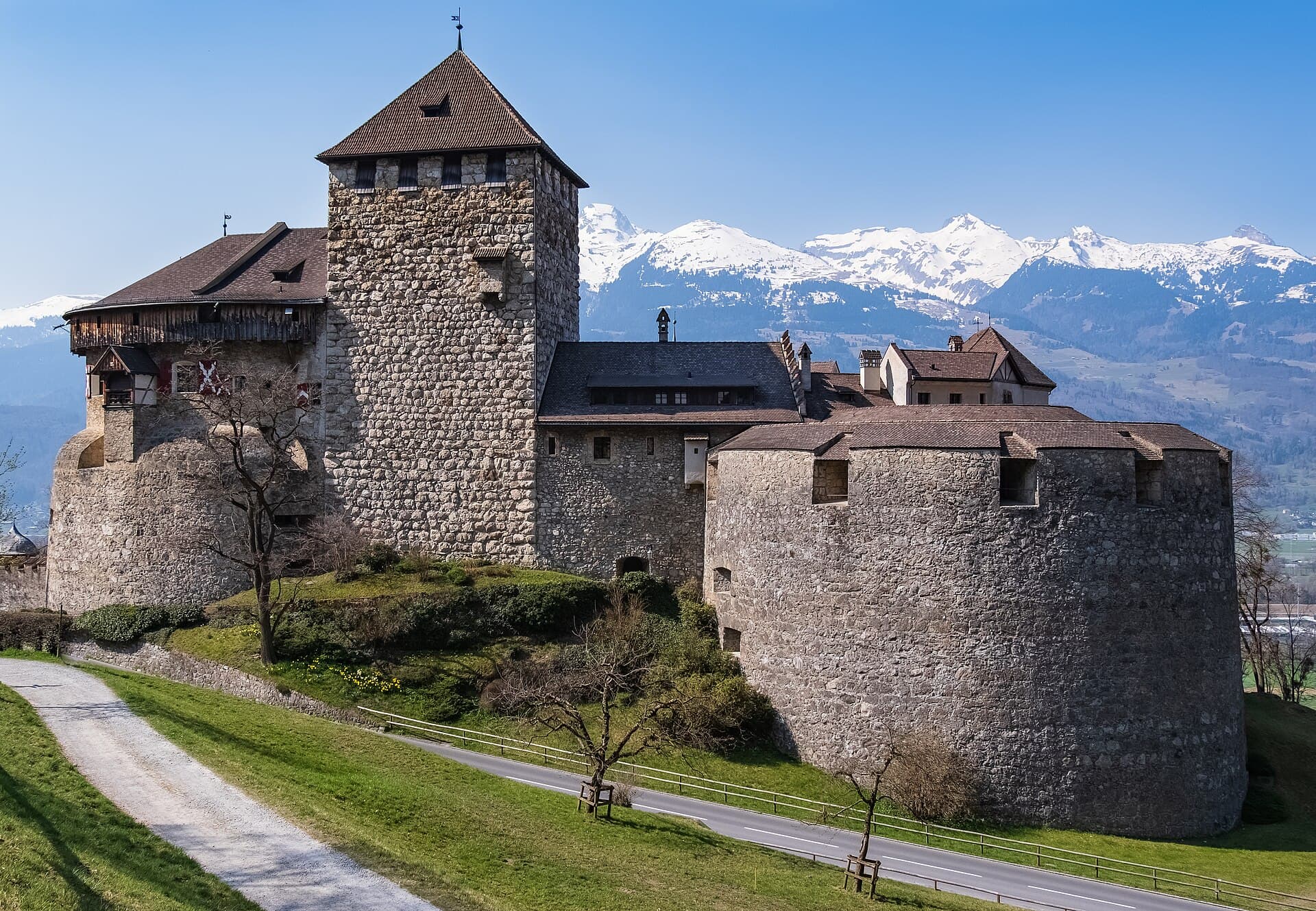 Vaduz CastleVaduz Castle is Liechtenstein's symbol and its image on every postcard: a white 2 minutes walk4.2
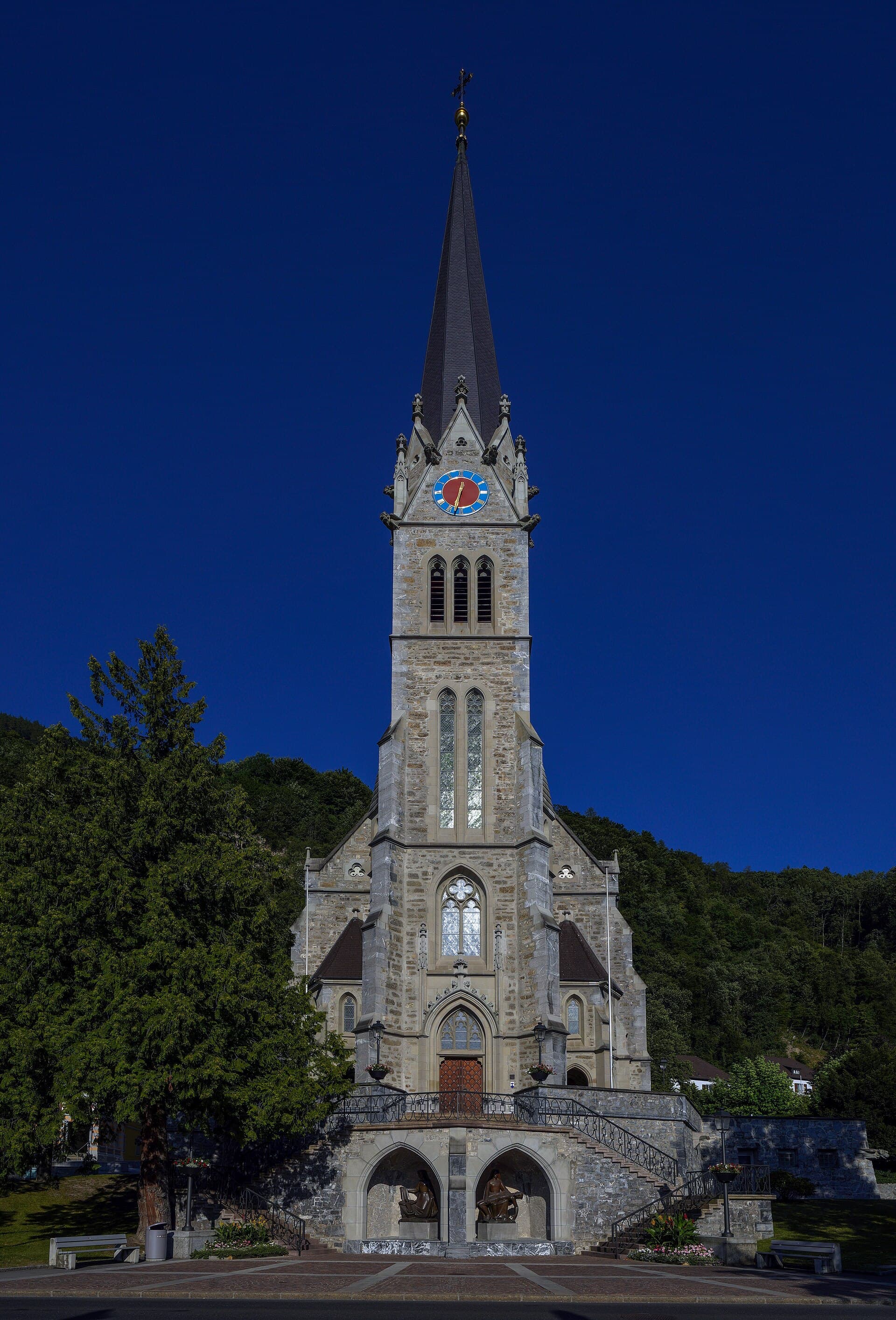 St Florin CathedralSt Florin's is Vaduz's principal church and the seat of Liechtenstein's archbish3 minutes walk4.5
Because the Austrian House of Liechtenstein was immensely rich and owned vast lands in Bohemia and Austria — but all of it was held under other lords, so it had no seat in the imperial diet. So in 1699 and 1712 it bought two small poor lordships on the Rhine that answered to no one but the emperor directly, and in 1719 they were merged into the "Principality of Liechtenstein". Its prince did not set foot in it for over a century. That historical accident is why the country exists.