
The house without eyebrows
A nickname the Viennese gave it because its windows lack lintels.
Thomas Ledl — CC BY-SA 4.0 · Hubertl — CC BY-SA 4.0 · Hubertl — CC BY-SA 4.0 · Hubertl — CC BY-SA 4.0
A building of 1911 designed by the architect Adolf Loos on Michaelerplatz, directly opposite the entrance to the imperial Hofburg palace. It is among the most controversial buildings in architectural history. The reason is simple: the upper floors carry no ornament at all — a smooth wall with square windows and no surrounds — at a time when Vienna's facades were covered in detail. Only the ground floor is faced in costly green marble. The contrast is deliberate and was an argument: Loos wrote a famous essay called Ornament and Crime, holding that decoration was waste. Vienna reacted furiously. The building was nicknamed the house without eyebrows because its windows lack lintels, and the emperor Franz Joseph is said to have hated the sight of it from the palace opposite. Construction was briefly halted over municipal objections. Today it is a bank and offices, and the ground floor can be entered in business hours to see the marble and the interior. The main value is standing in front of it and comparing it with the Hofburg opposite — two centuries of argument in one view.
A nickname the Viennese gave it because its windows lack lintels.
The ground floor is costly and the upper floors bare — the contrast is deliberate.
Stand between it and the Hofburg and the argument needs no explaining.
Michaelerplatz, opposite the Hofburg, Vienna
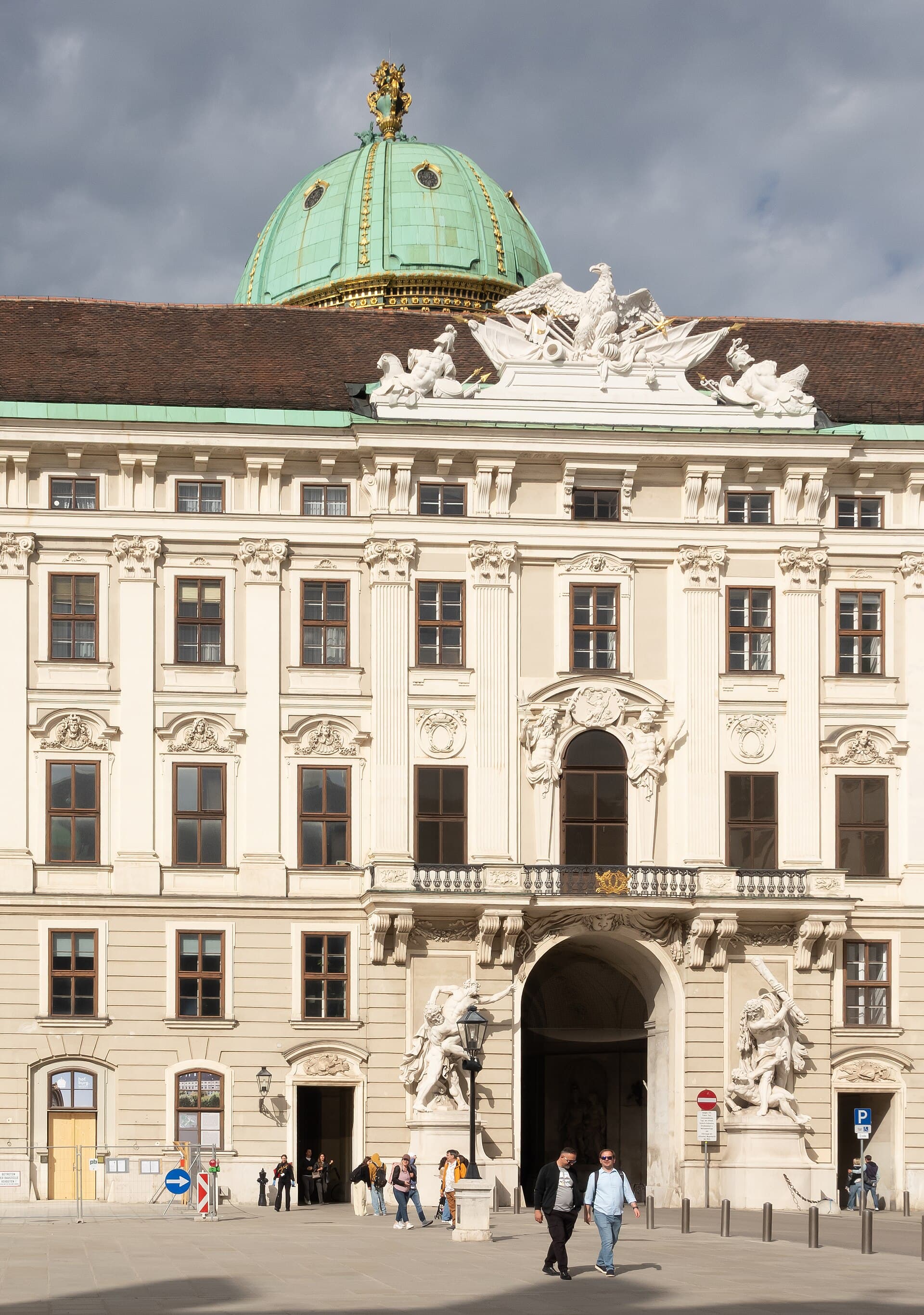 Sisi MuseumA museum about Elisabeth, empress of Austria, known as Sisi — built deliberately1 minute walk4.3
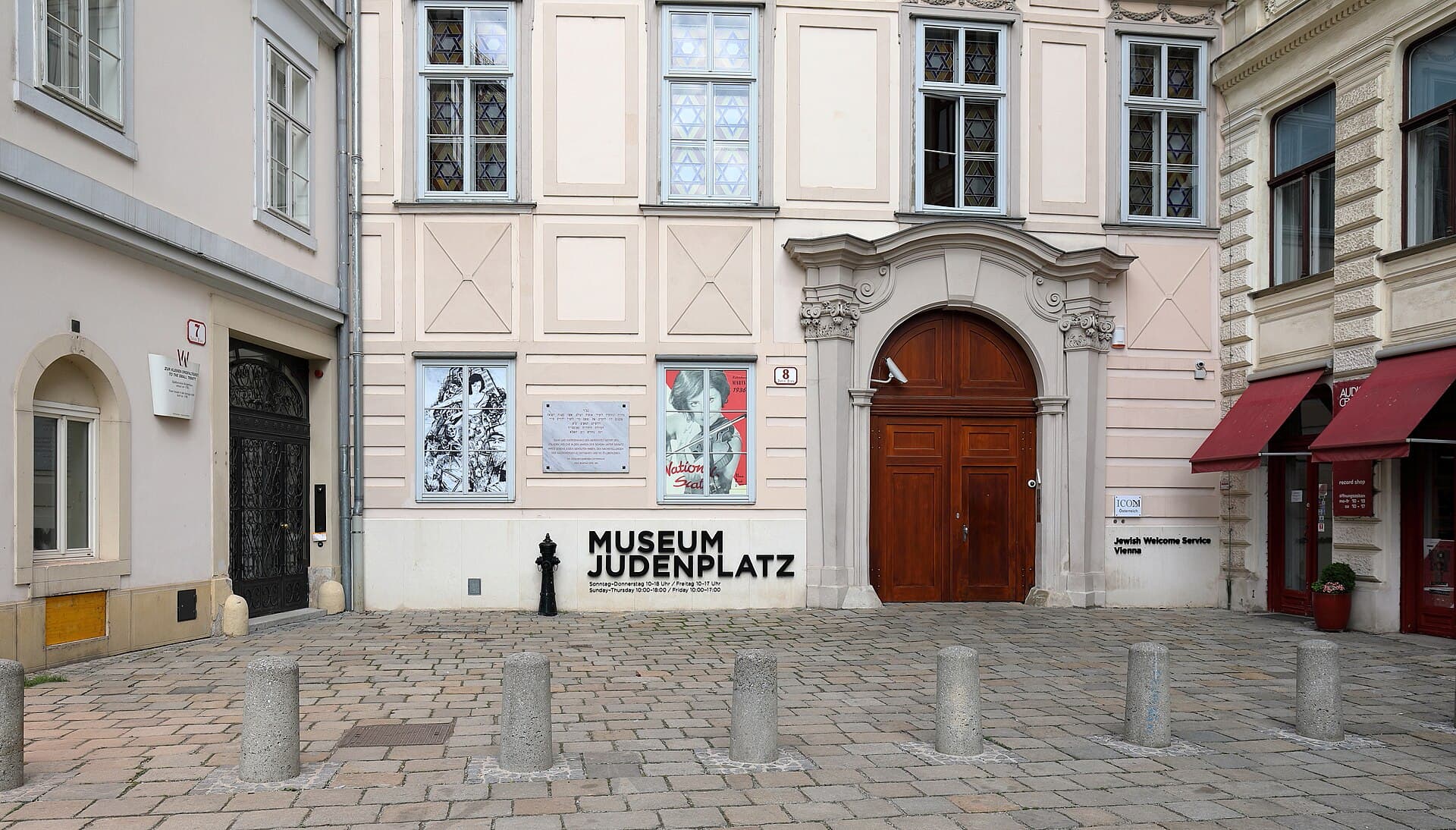 Jewish Museum ViennaVienna's Jewish Museum occupies two complementary sites on one ticket: a buildin3 minutes walk4.5
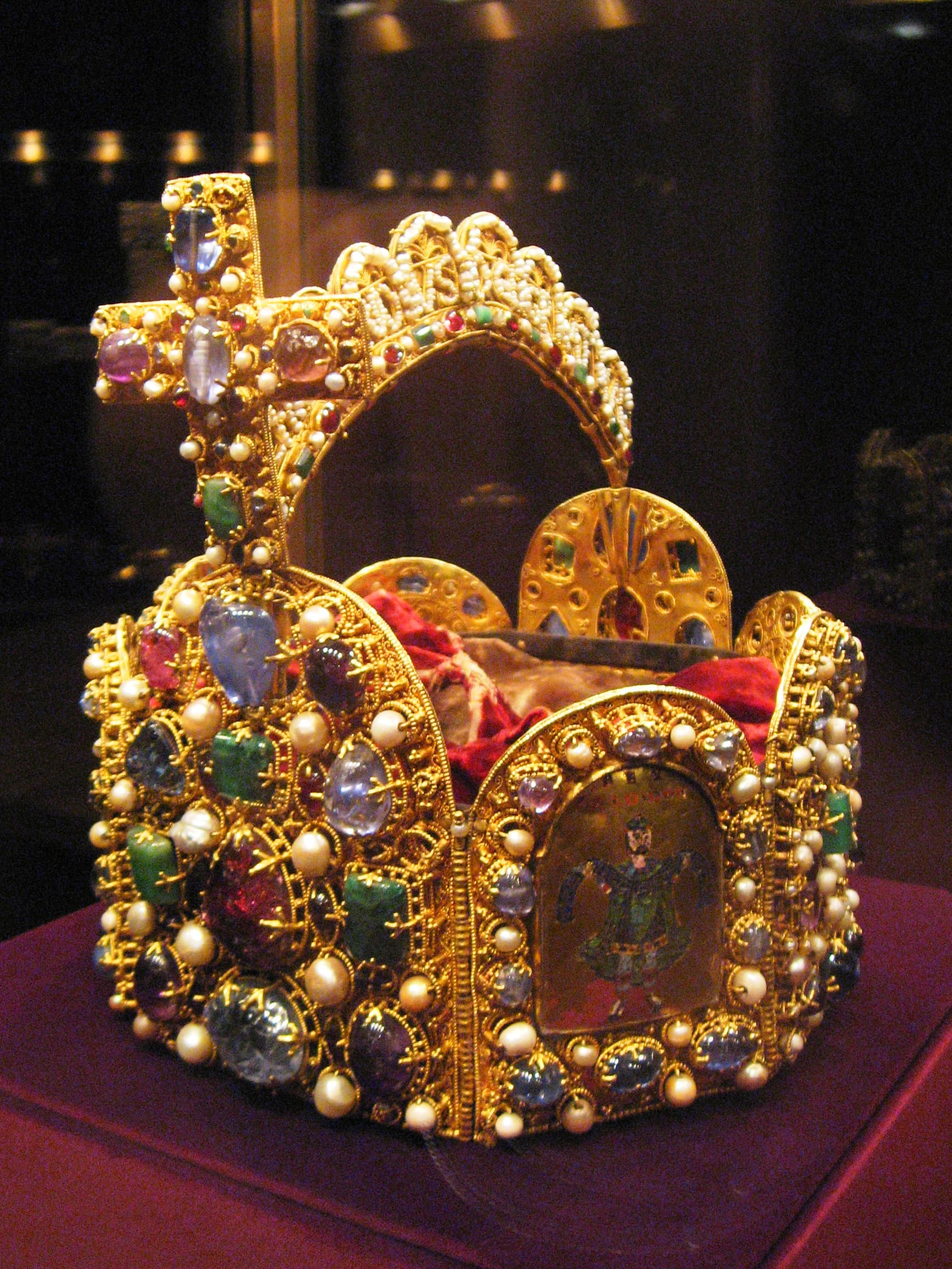 Imperial TreasuryEurope's most important treasury, hidden in the oldest part of the Hofburg: dim 3 minutes walk4.5
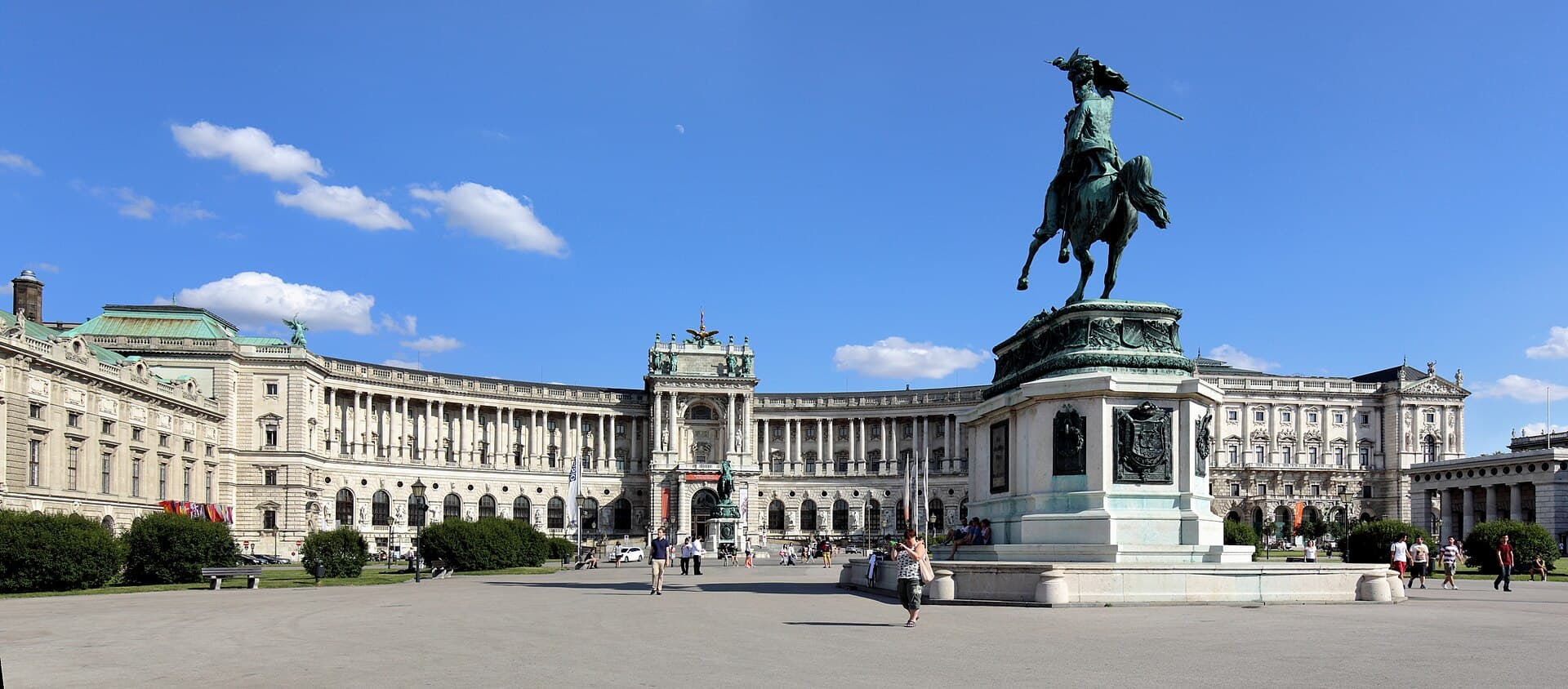 Hofburg PalaceThe Habsburgs' winter residence in the heart of Vienna — not one building but a 3 minutes walk4.6
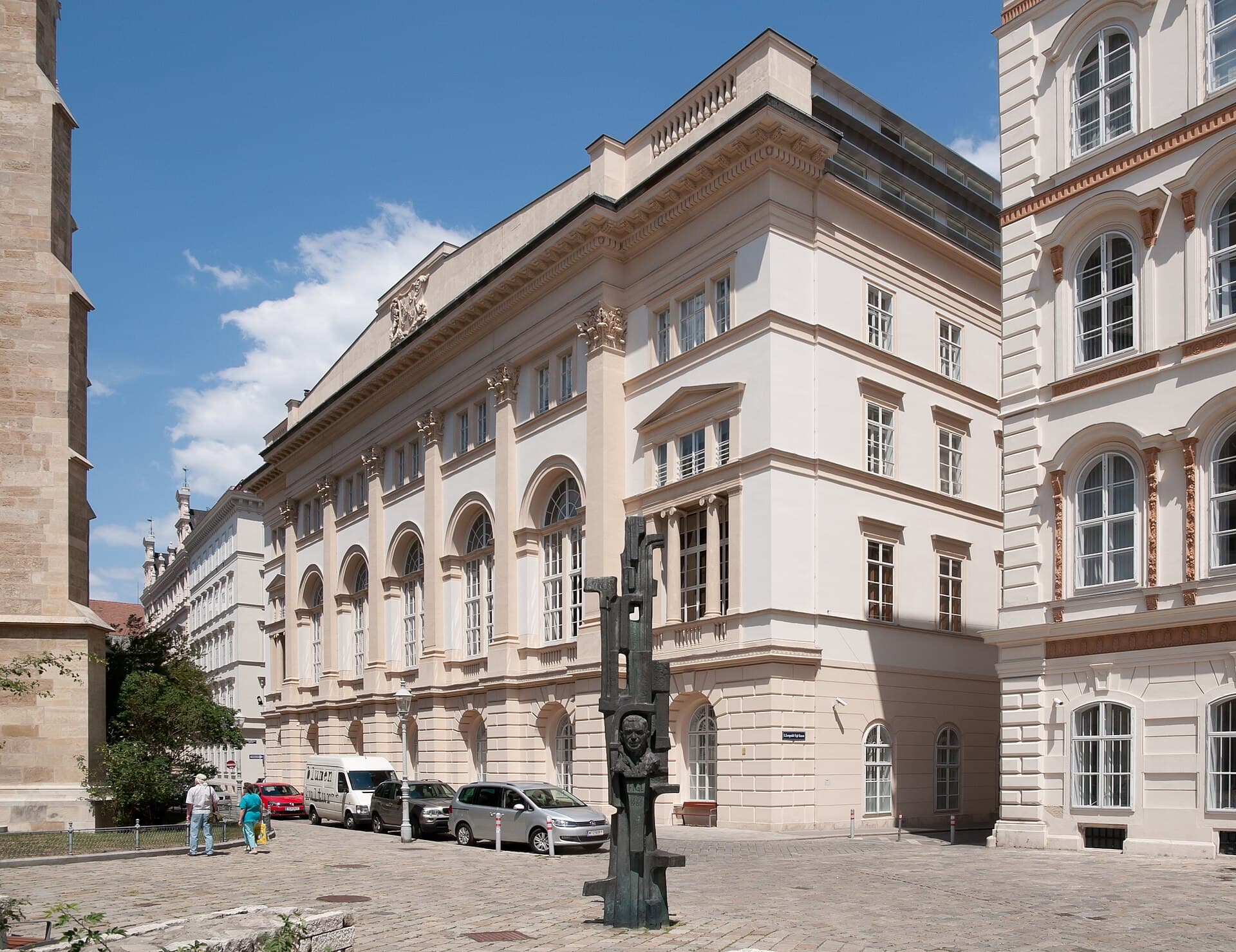 Palais NiederösterreichA historic palace on Herrengasse in central Vienna, for centuries the seat of th3 minutes walk4.8
The ground floor operates as a bank and can usually be entered in business hours to see the marble, the columns and the interior, but it is a workplace rather than a museum — go in quietly and do not photograph staff or customers. The upper floors are private offices and cannot be visited.
Because it was among the first to reject ornament as a principle rather than as an economy, and that idea shaped modern architecture worldwide. Standing in front of it opposite the ornamented Hofburg makes the argument visible without explanation, which is reason enough for a ten-minute stop as you pass.