
The Imperial Crown
A tenth-century crown that crowned Europe's emperors for eight hundred years — the continent's most politically valuable object.
MyName (Gryffindor) — Public domain · bradhostetler — CC BY 2.0 · bradhostetler — CC BY 2.0 · bradhostetler — CC BY 2.0
Europe's most important treasury, hidden in the oldest part of the Hofburg: dim vaulted rooms where only the objects are lit. What they hold is not merely jewellery but the working instruments of a state that lasted a thousand years. The central object is the crown of the Holy Roman Empire: an eight-sided gold crown made in the tenth century and set on the heads of Europe's emperors for eight hundred years. Beside it are sceptres, coronation swords, embroidered mantles, the Austrian imperial crown, and the largest known carved emerald. The ecclesiastical section holds objects believed to be sacred relics — among them what is called the Holy Lance — alongside vestments in minutely worked gold thread. The museum is relatively small but dense: an hour at speed, two if you read. It is calmer and far less crowded than the Ring museums.
A tenth-century crown that crowned Europe's emperors for eight hundred years — the continent's most politically valuable object.
A twelfth-century Sicilian coronation robe worked with Arabic inscriptions — material proof of civilisations meeting.
Religious objects gathered by emperors over centuries — presented as history rather than claim, with measured labelling.
The largest known carved emerald, hollowed from a single stone into a vessel — years of work that could not be repeated.
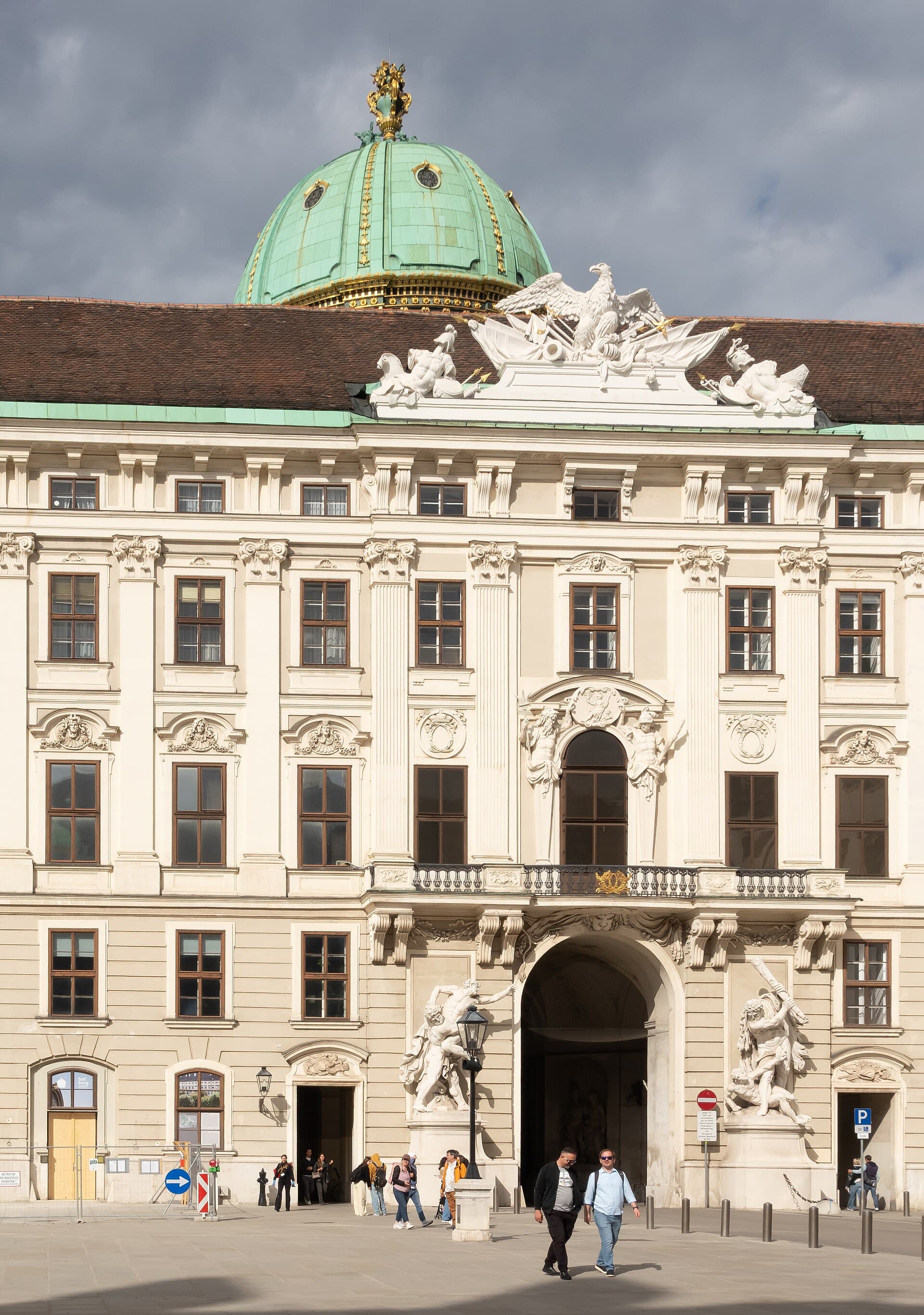
Schweizerhof, Hofburg, Vienna
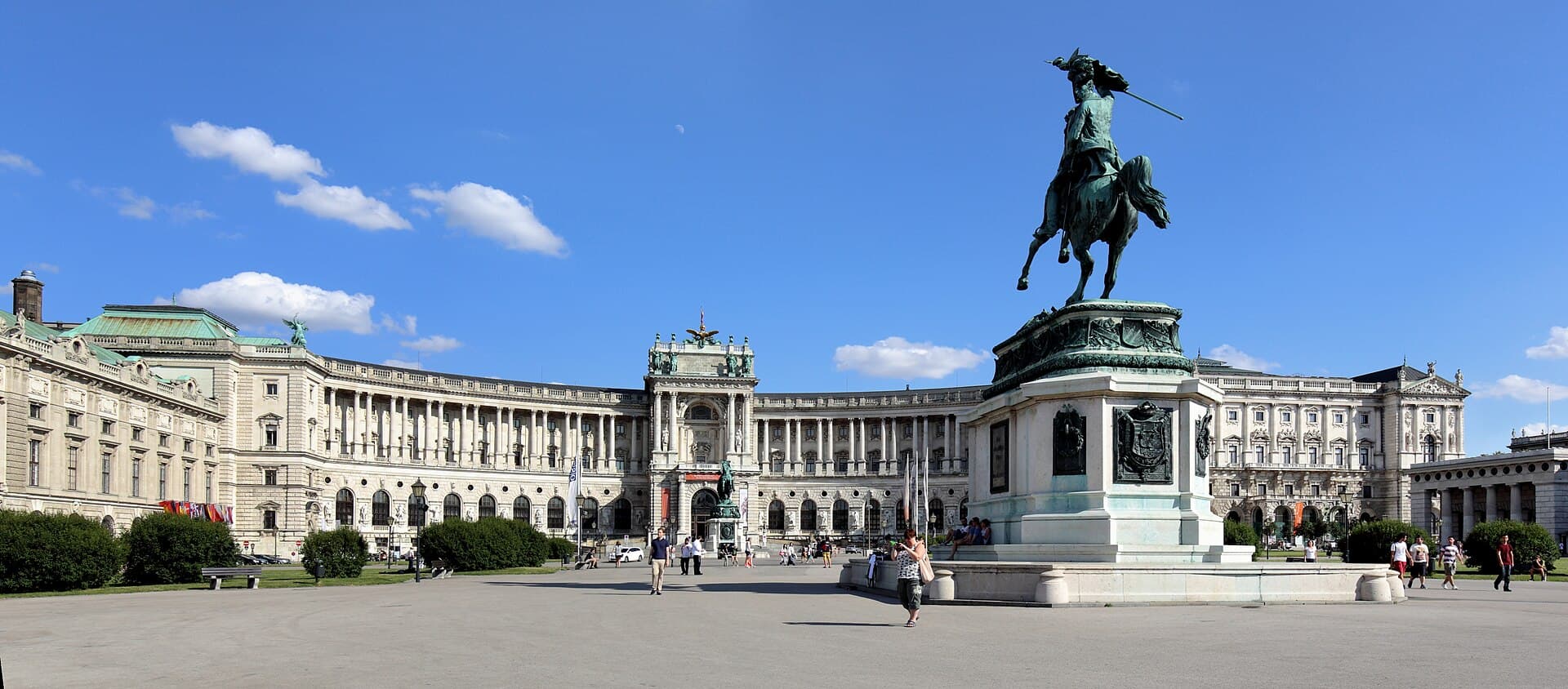 Hofburg PalaceThe Habsburgs' winter residence in the heart of Vienna — not one building but a 1 minute walk4.6
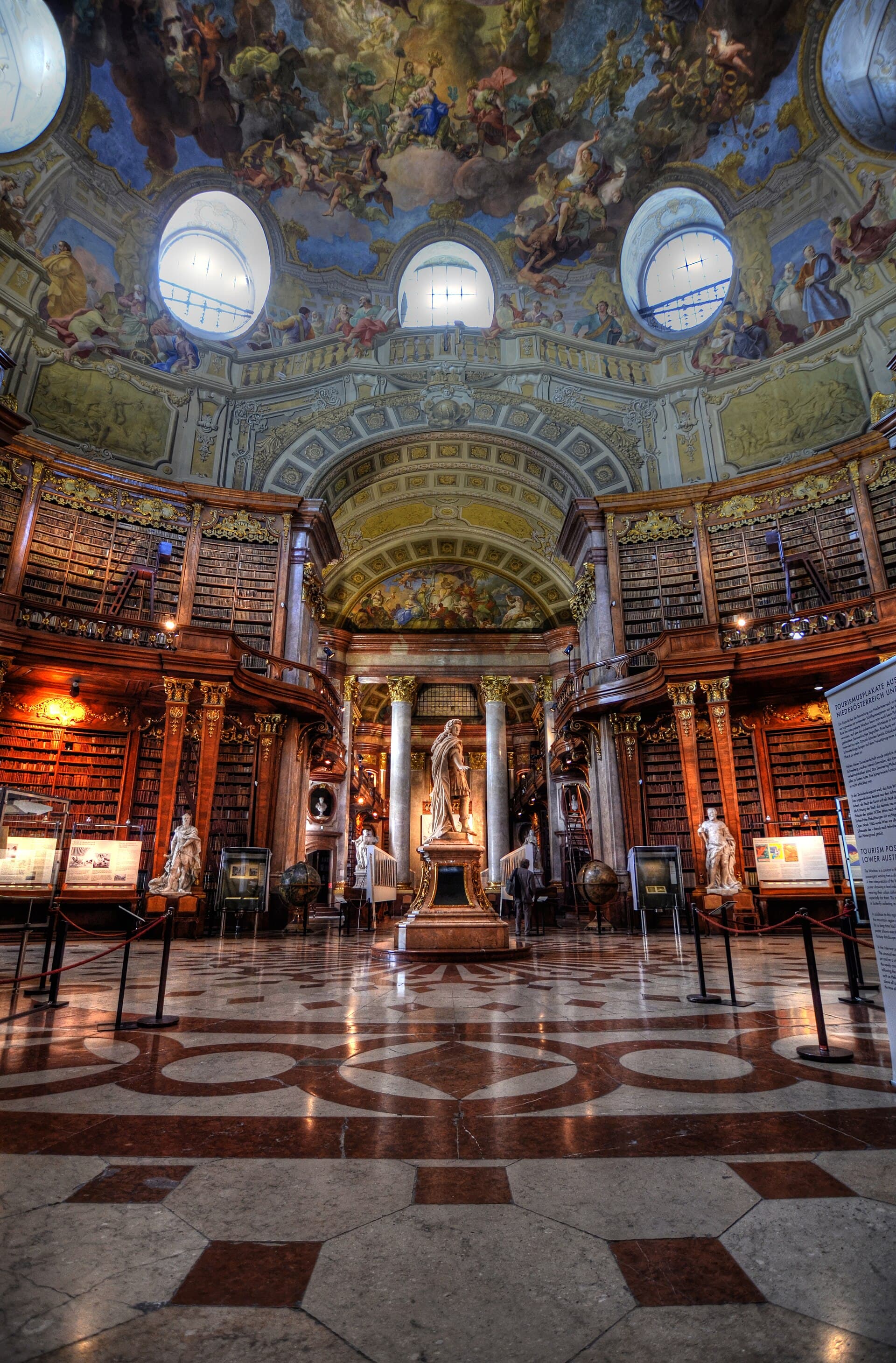 Austrian National LibraryOne room justifies the whole visit: the State Hall of the Austrian National Libr1 minute walk4.7
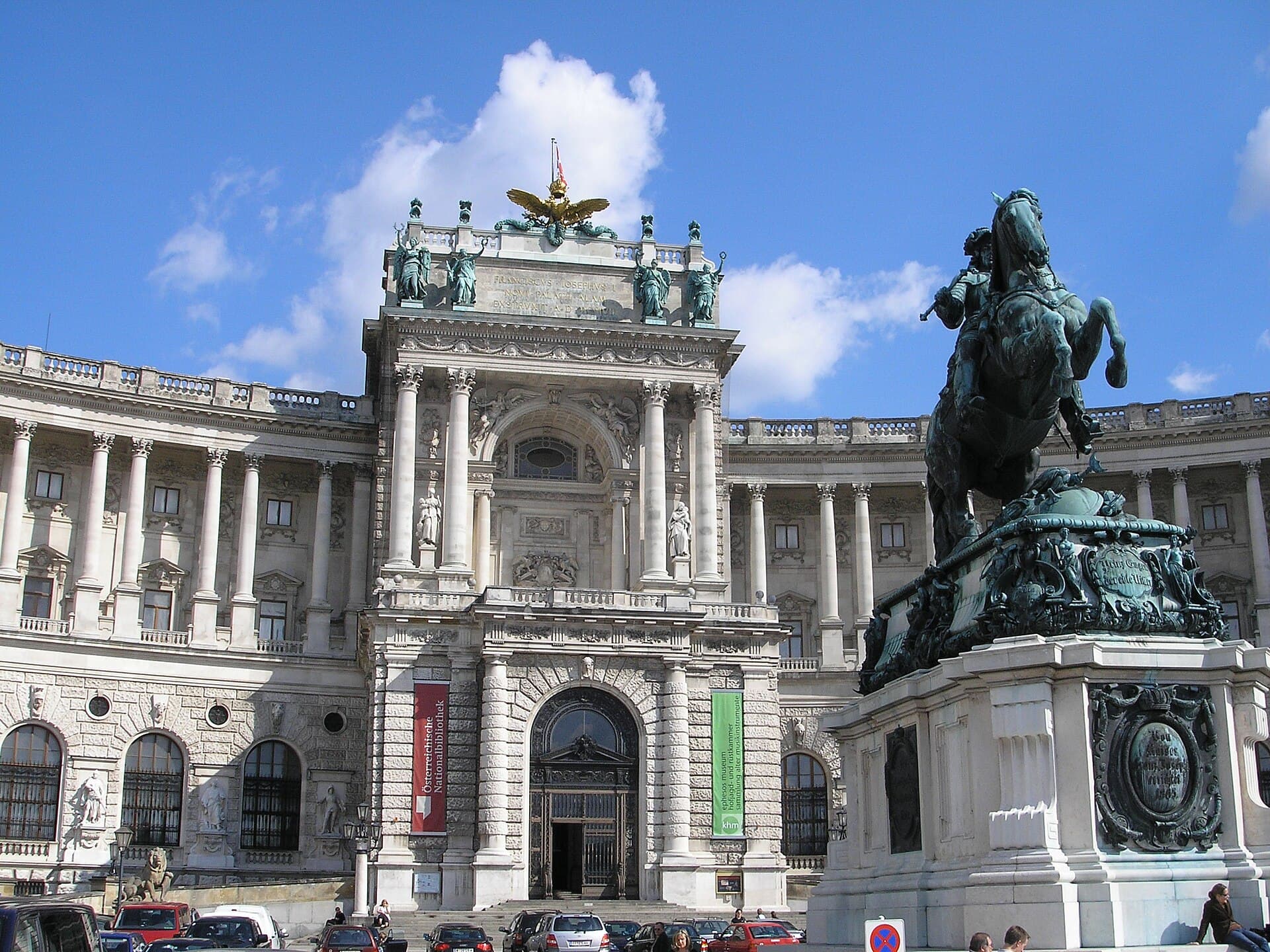 Ephesos MuseumA small museum inside the Hofburg's Neue Burg showing what Austrian expeditions 2 minutes walk4.5
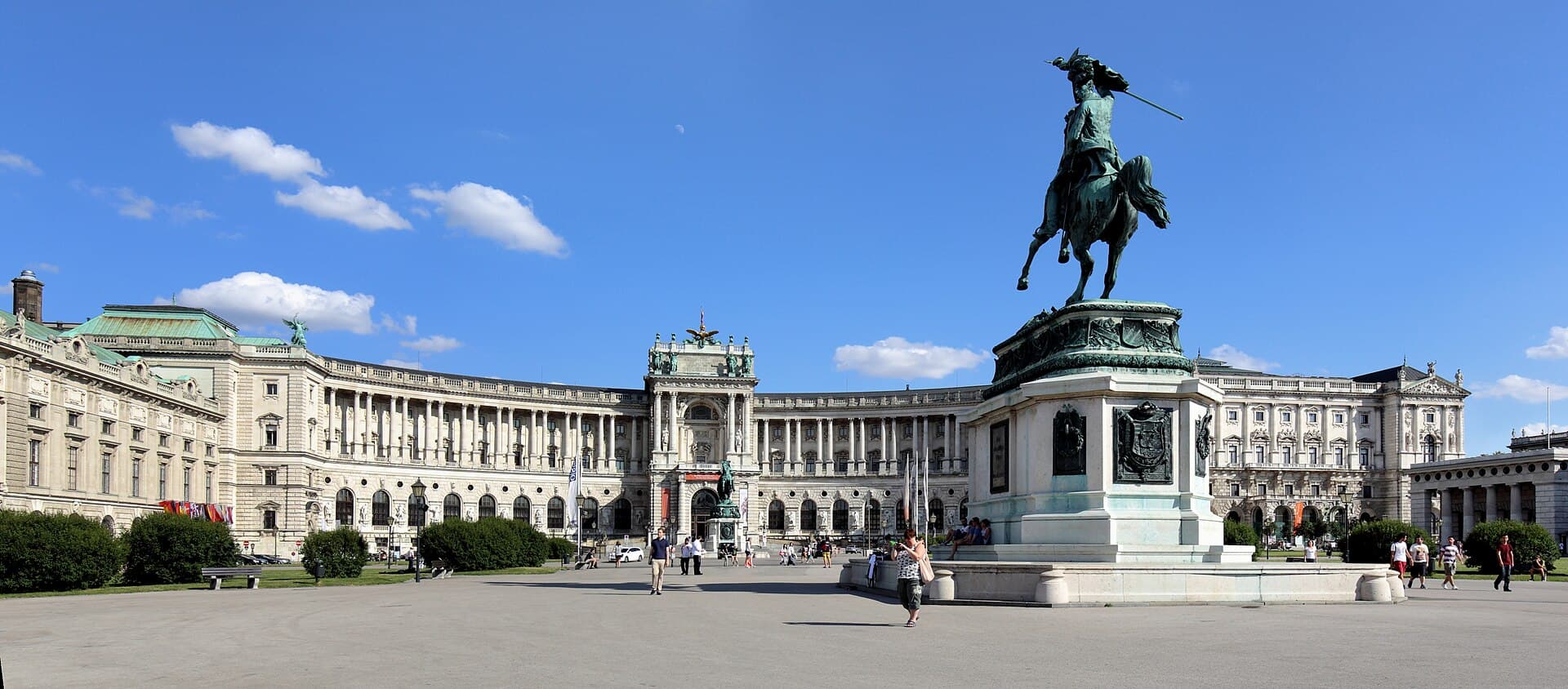 HeldenplatzThe vast open square before the Hofburg, and historically the heaviest public sp2 minutes walk4.8
 Sisi MuseumA museum about Elisabeth, empress of Austria, known as Sisi — built deliberately2 minutes walk4.3
If you love history this is the strongest collection in the whole complex, and the calmest. If your interest is the personal story of Sisi and Franz Joseph, the Apartments and Sisi Museum fit better.
An hour covers the key objects, two if you read the labels. The space isn't large but the information density is high.