
Half a token
The museum's sharpest thing: a deferred hope of return, kept in a scrap of card.
Dosseman — CC BY-SA 4.0 · FrDr — CC BY-SA 4.0 · Jack de Nijs for Anefo — CC0 · Jack de Nijs for Anefo — CC0
A sixteenth-century building that served as an orphanage for girls in Antwerp and continued in that role for centuries, now a small museum on the history of social care in the city. What stays with visitors is not the paintings but the foundling tokens: an abandoned child was left with half a playing card or a torn piece of cloth, the parents keeping the other half, in the hope of returning one day and proving the child was theirs by matching the two pieces. The museum displays a collection of them. Alongside that is a serious art collection built up over centuries of donations, including works by Rubens and van Dyck and others of the Flemish school, and ceramic bowls once used to feed the children. The inner courtyard is quiet and the building is small. The visit runs forty-five minutes to an hour and a quarter, and it is among the more affecting visits in Antwerp despite its size.
The museum's sharpest thing: a deferred hope of return, kept in a scrap of card.
An art collection built over centuries of donations to the institution.
Not a museum but a real orphanage that ran for hundreds of years.
Lange Gasthuisstraat, central Antwerp
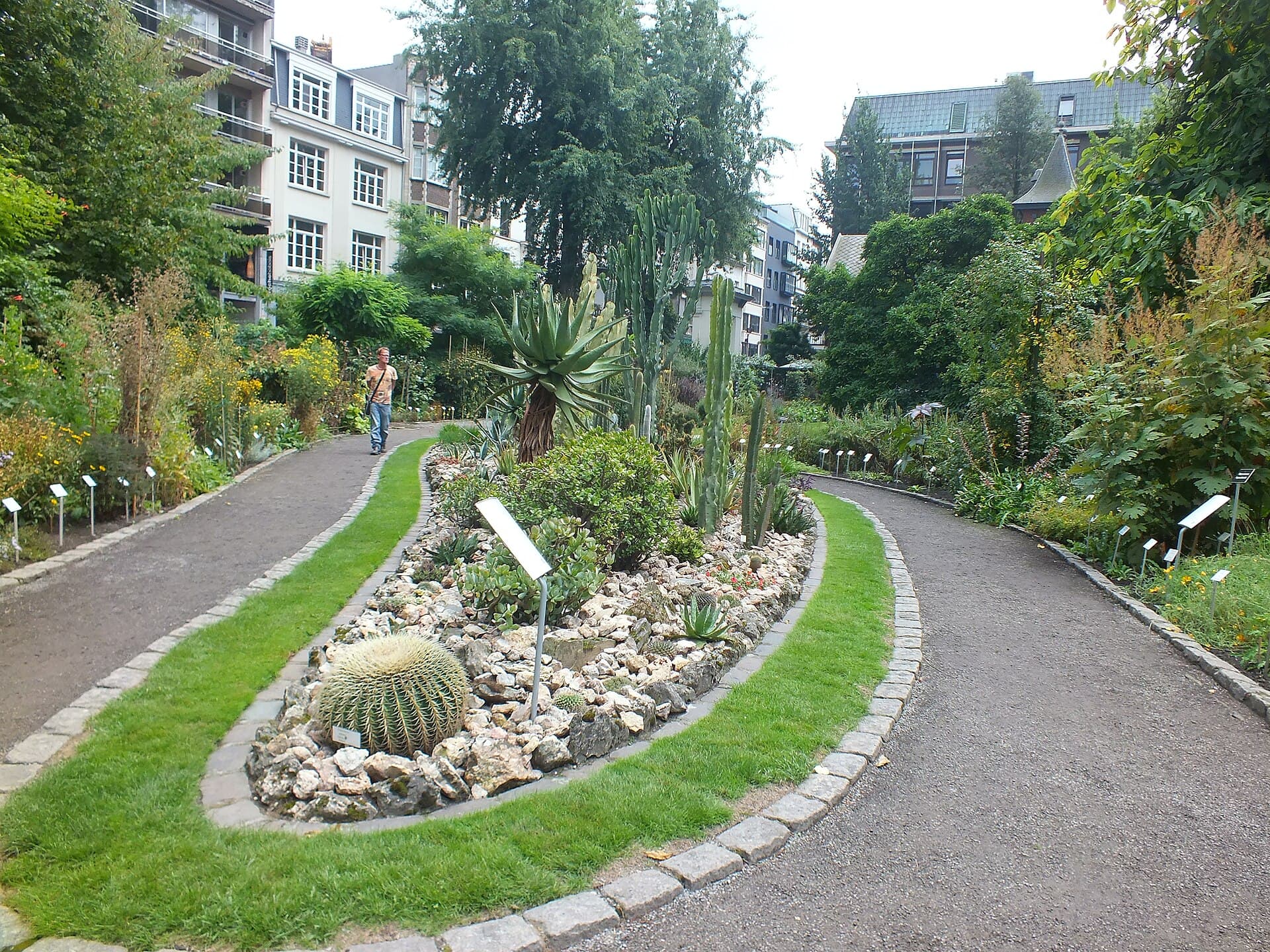 Botanical Garden (Den Botaniek)Antwerp's botanical garden ("Den Botaniek") is a small enchanting garden in the 1 minute walk4.5
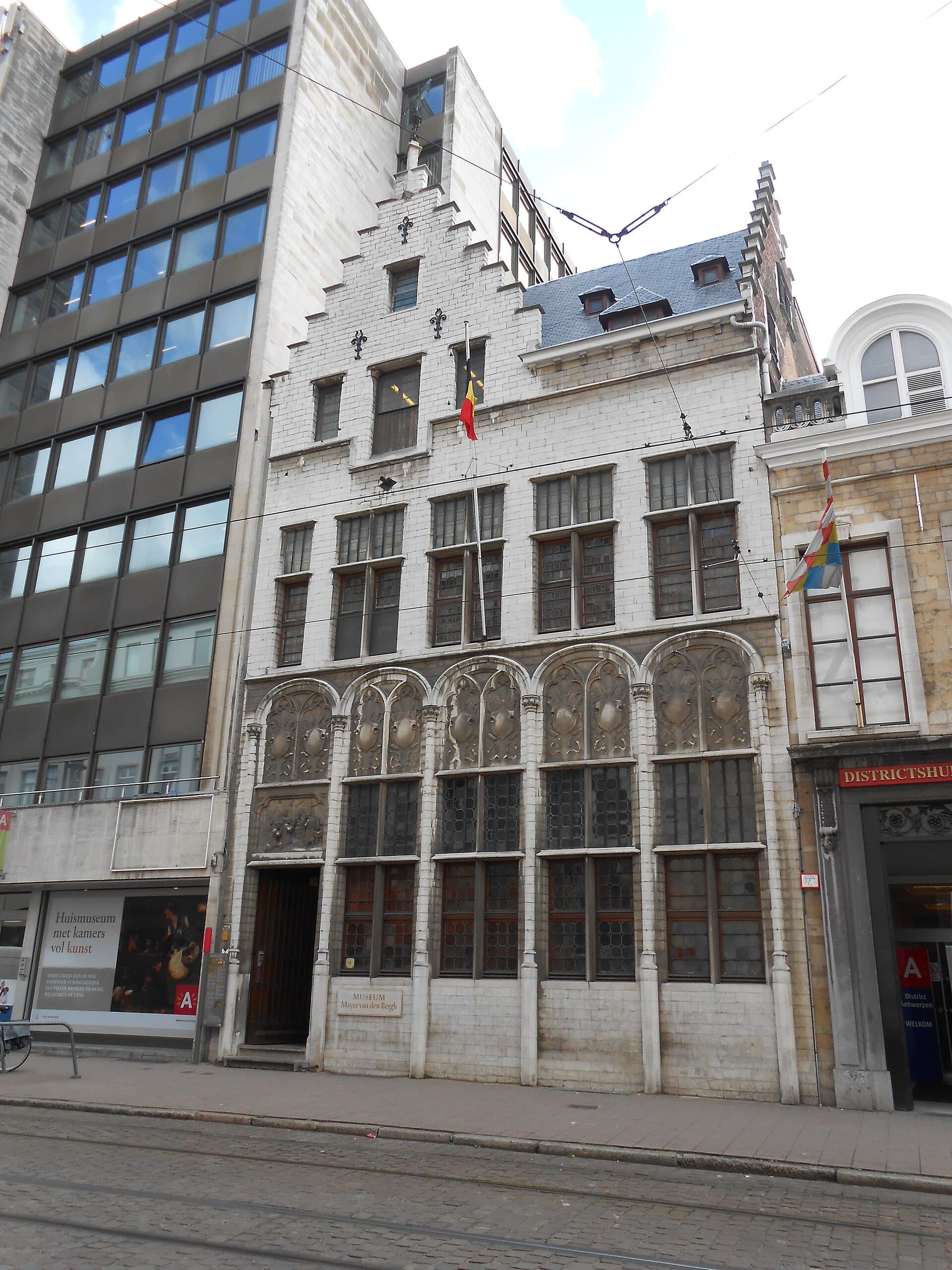 Museum Mayer van den BerghThe Museum Mayer van den Bergh is a small museum of the first rank: a neo-Gothic2 minutes walk4.7
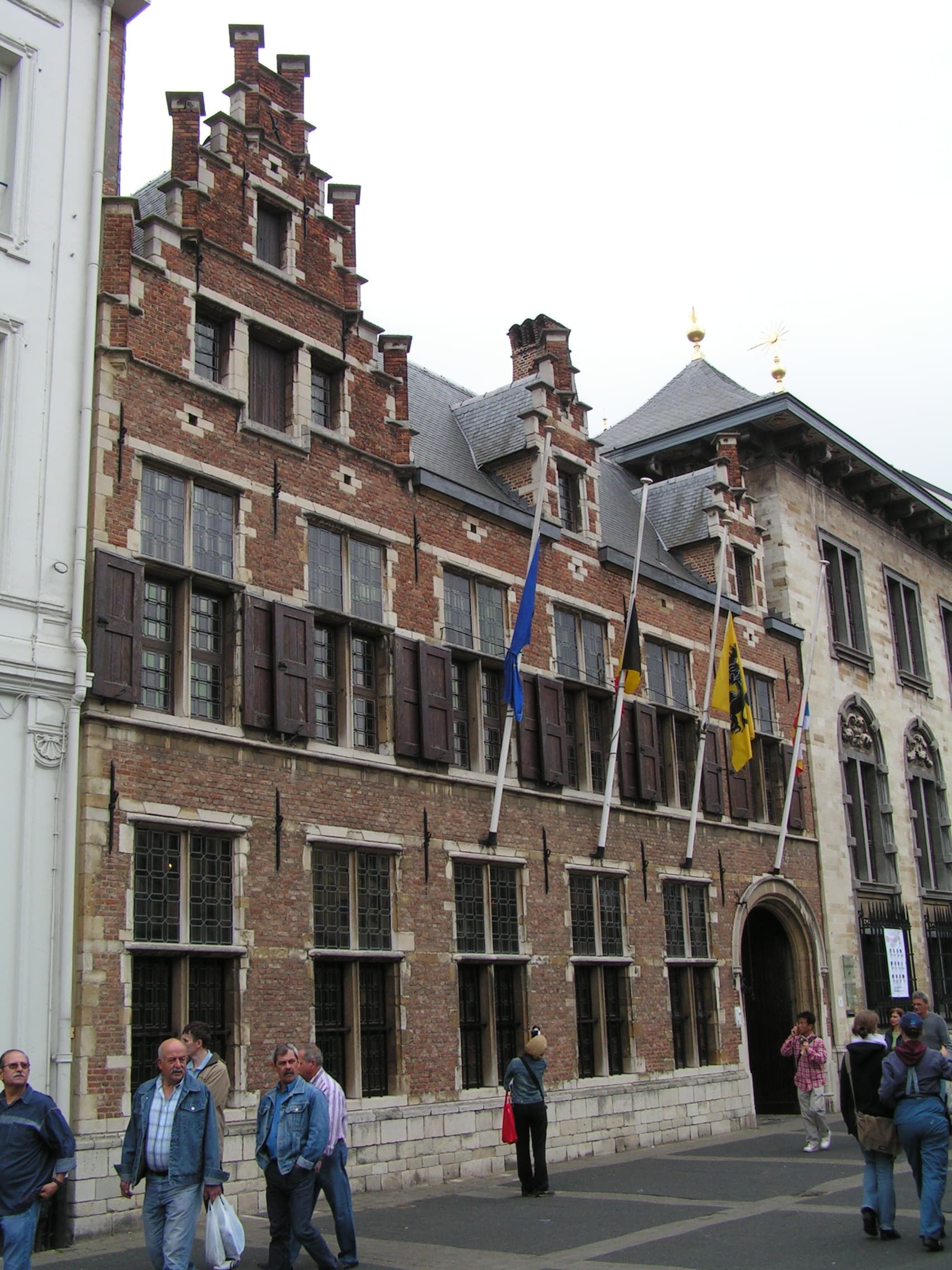 Rubens HouseThe Rubens House is the palace Peter Paul Rubens built for himself in 1610 on re6 minutes walk4.3
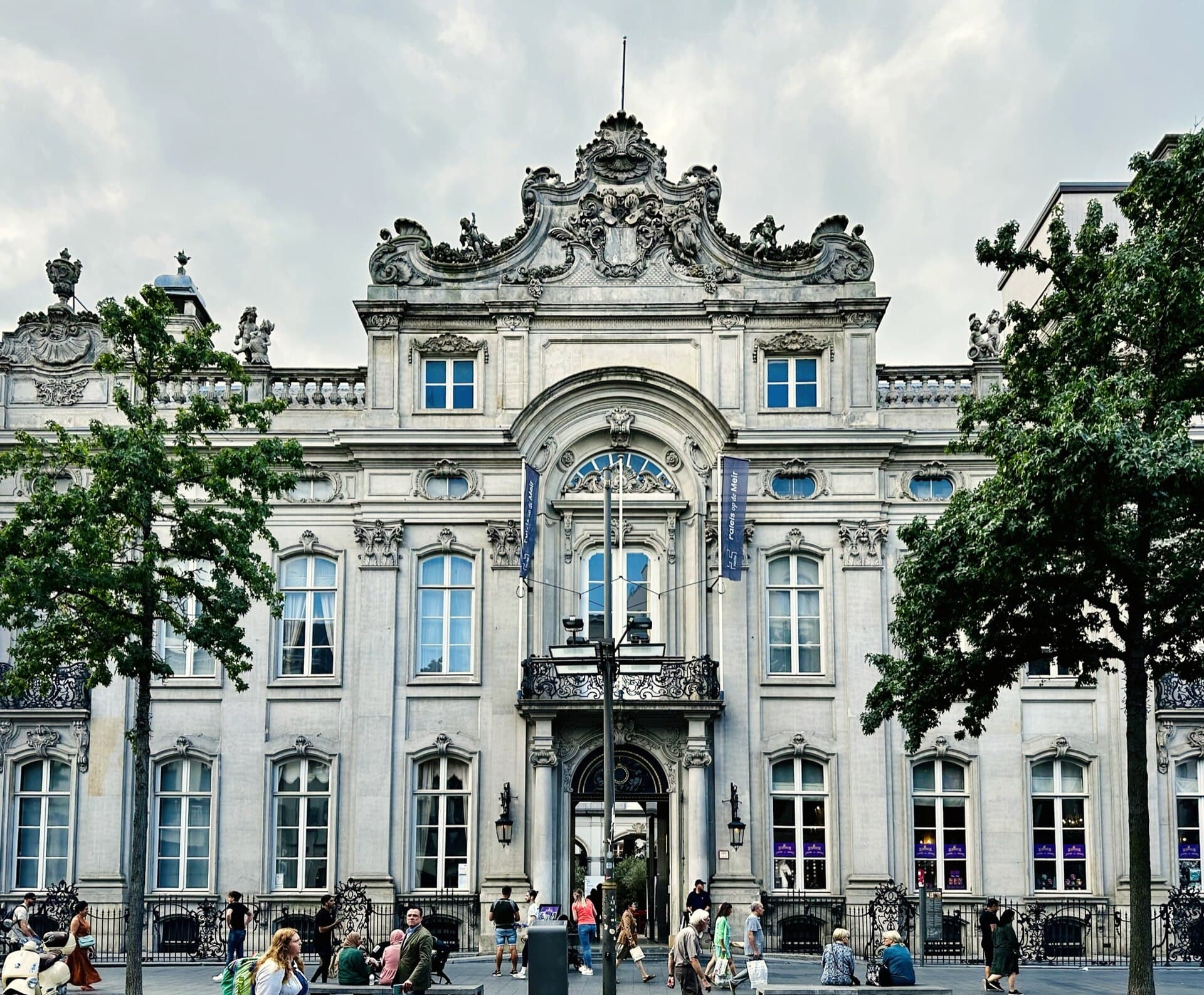 Palace on the MeirThe Palace on the Meir is a rococo palace of 1745 in the heart of Antwerp's most6 minutes walk4.2
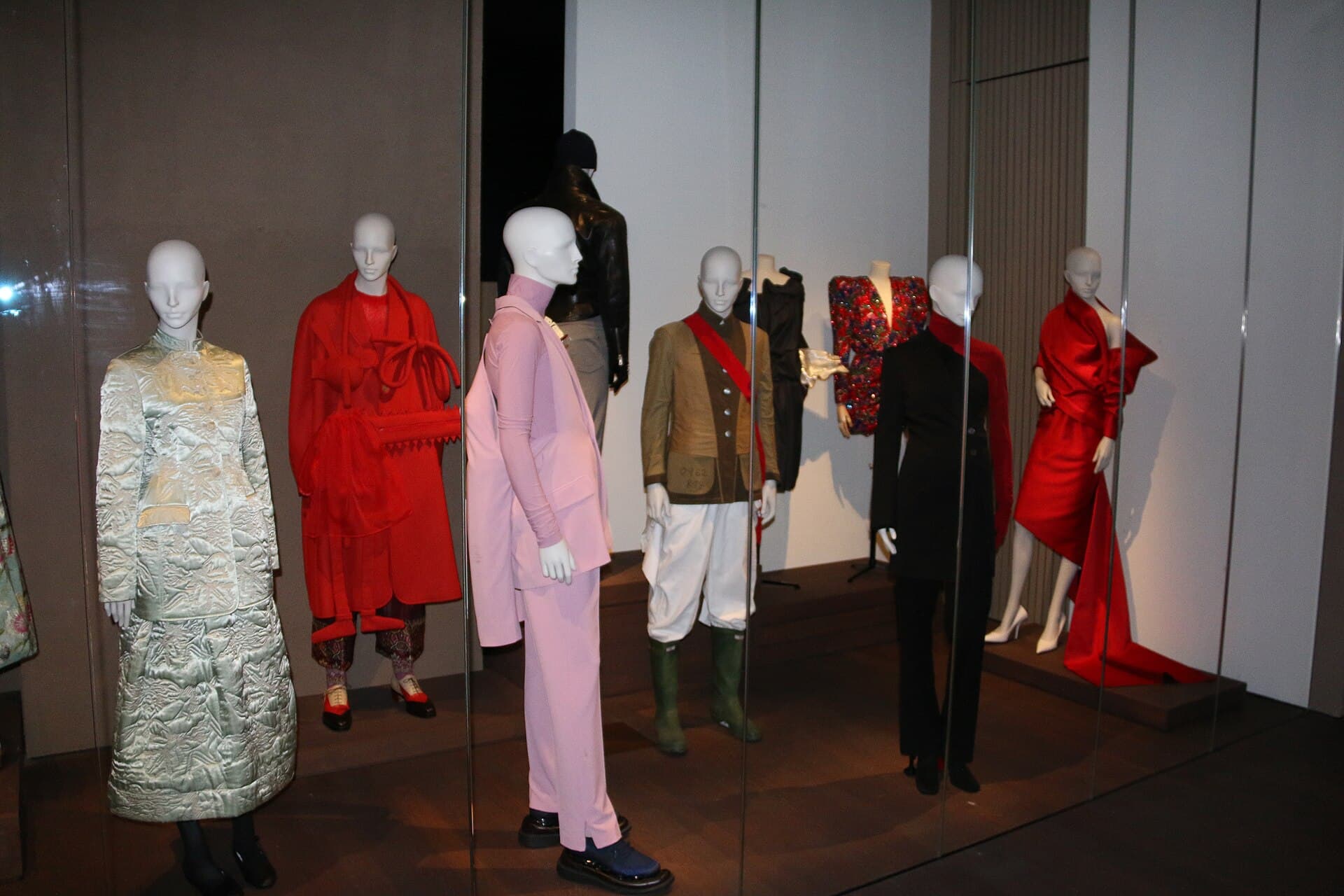 MoMu Fashion MuseumMoMu is Antwerp's fashion museum — in Europe's unexpected fashion capital: from 7 minutes walk4.1
When a family had to leave a child at the institution, they left half of something small with it — a cut playing card, a torn piece of cloth, a pierced coin — and kept the other half. If their circumstances improved and they came back for the child, the two halves would be matched to prove kinship. The museum shows dozens of them, and most were never claimed.
The subject is sad but not graphically presented, and the building is small and easy. Older children may find the token story affecting and comprehensible. For very young ones the visit will mean little.