
Mad Meg
An armoured woman storming hell — beautifully restored 2019.
Berthgmn — CC BY-SA 3.0 · Ricardalovesmonuments — CC BY-SA 4.0 · Ricardalovesmonuments — CC BY-SA 4.0 · Ricardalovesmonuments — CC BY-SA 4.0
The Museum Mayer van den Bergh is a small museum of the first rank: a neo-Gothic house built by a wealthy mother in 1904 to preserve the collection of her son Fritz Mayer van den Bergh, the brilliant collector who died young (1901) after gathering in two decades three thousand pieces of medieval and Renaissance art with taste ahead of his time — shown as he left it: a collector's house, not a museum. Its most famous treasure is "Dulle Griet" (Mad Meg, 1563) by Pieter Bruegel the Elder — an armoured woman storming the mouth of hell at the head of an army of women, Bruegel's strangest and boldest painting — which Fritz bought for a pittance in 1894 when no one understood it, beautifully restored (2019). With it Bruegel's "Twelve Proverbs", medieval sculpture, illuminated manuscripts, and rare Dutch and German religious art. Five minutes from the Meir, quiet and intimate — for the lover of Bruegel and early art: among Belgium's loveliest small visits. The little botanical garden is next door.
An armoured woman storming hell — beautifully restored 2019.
Three thousand pieces as Fritz left them in 1901.
Bruegel's small satirical panels.
Lange Gasthuisstraat 19, 2000 Antwerp
 Botanical Garden (Den Botaniek)Antwerp's botanical garden ("Den Botaniek") is a small enchanting garden in the 2 minutes walk4.5
 MaagdenhuisA sixteenth-century building that served as an orphanage for girls in Antwerp an2 minutes walk4.3
 Palace on the MeirThe Palace on the Meir is a rococo palace of 1745 in the heart of Antwerp's most4 minutes walk4.2
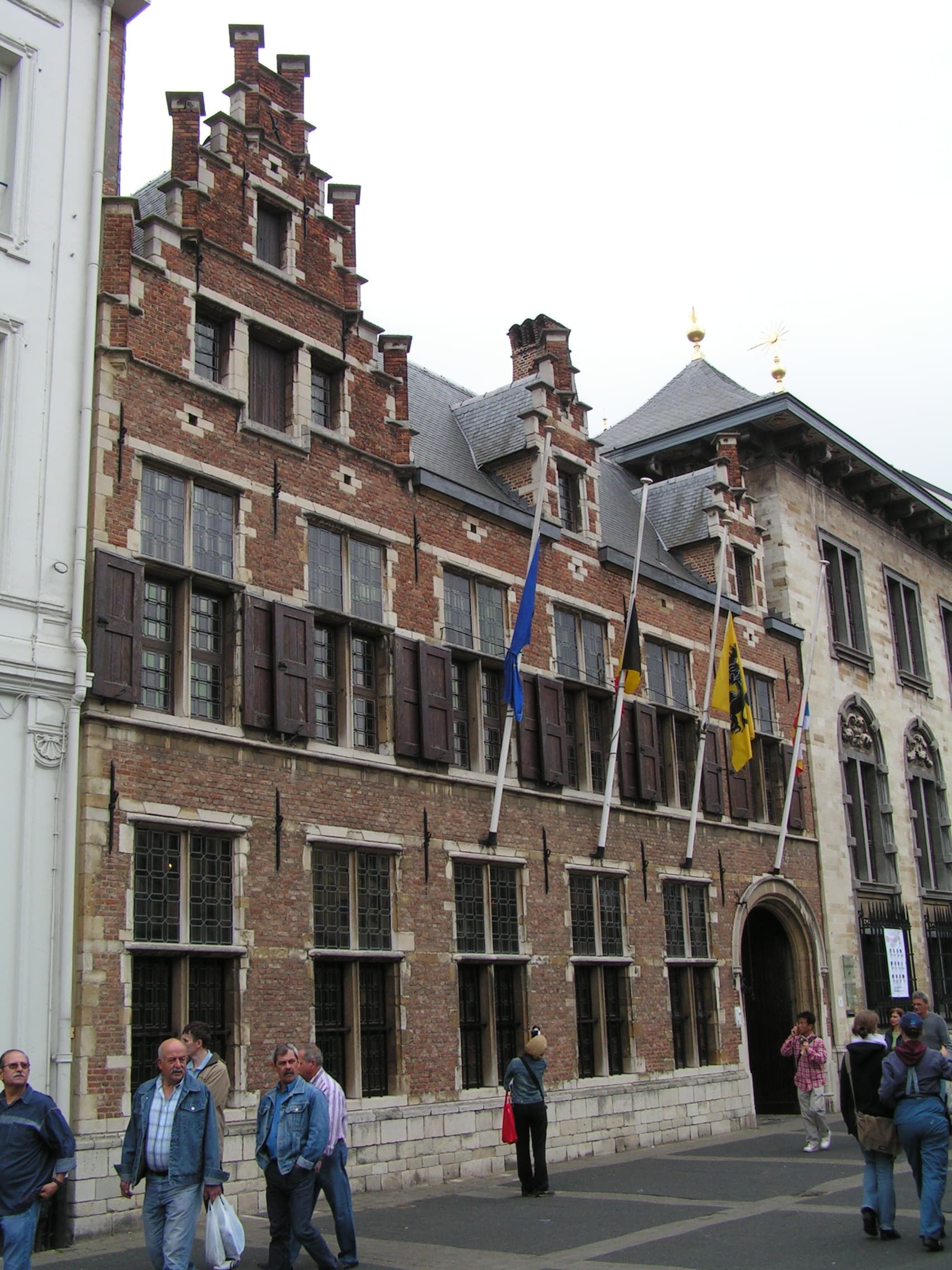 Rubens HouseThe Rubens House is the palace Peter Paul Rubens built for himself in 1610 on re4 minutes walk4.3
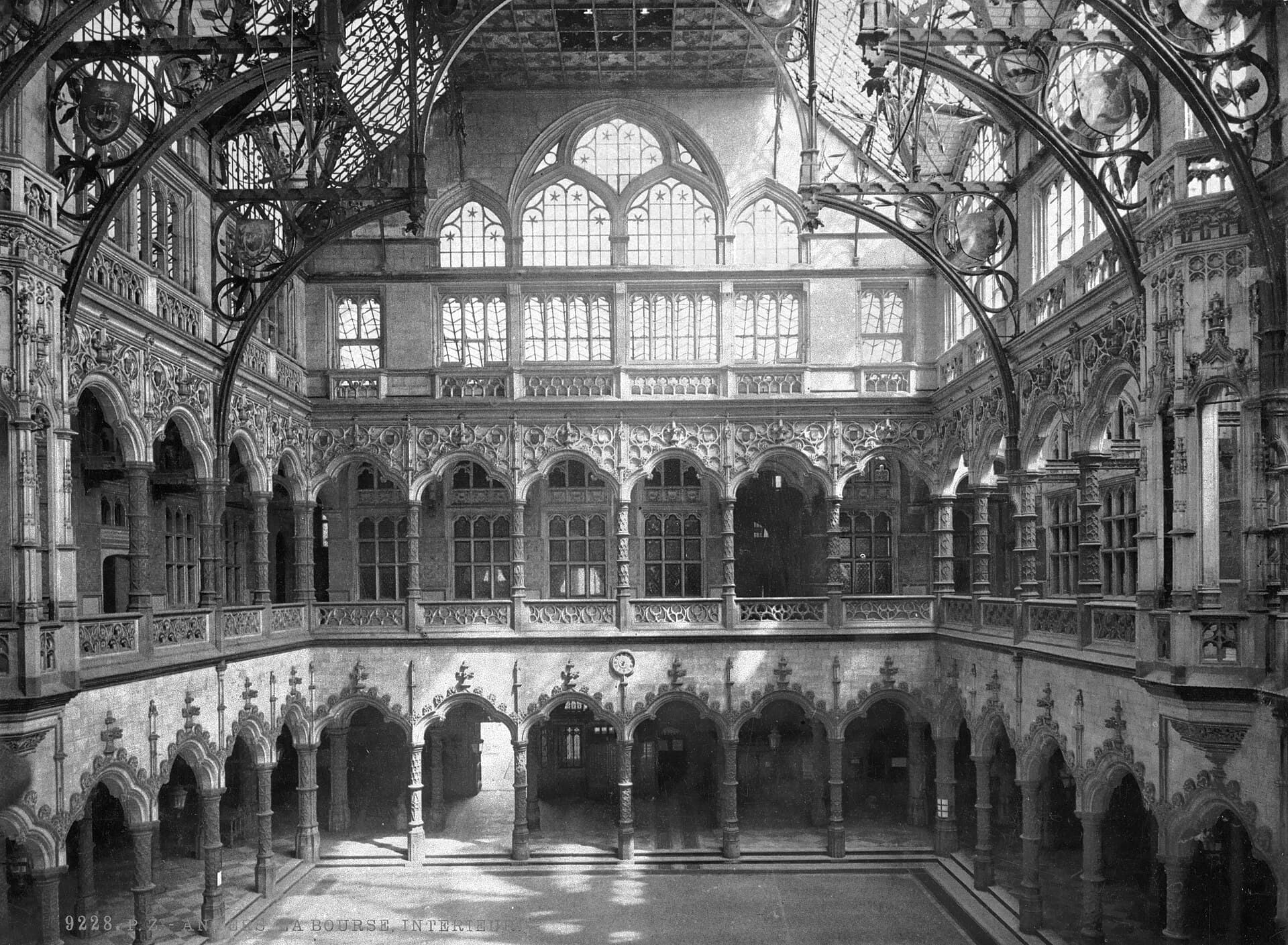 Antwerp Stock Exchange (Handelsbeurs)The historic exchange building in central Antwerp, among the first buildings any5 minutes walk4.6
Bruegel's greatest riddle: Griet — a Flemish folk figure of the fierce woman — leads an army of plundering women before the mouth of hell, amid Bosch-like demonic scenes. Read as satire of greed, of war, of domineering women, or of human madness in general. No consensus, which is why it captivates. The restoration restored its blazing reds — stand before it a long while.