
Sgraffito
Scratching through layers of coloured plaster — and Cauchie was among Europe's finest at it.
CC BY-SA 3.0 · Trougnouf (Benoit Brummer) — CC BY 4.0 · Trougnouf (Benoit Brummer) — CC BY 4.0 · Fred Romero from Paris, France — CC BY 2.0
A house of 1905 built by the painter and architect Paul Cauchie to serve at once as his home, his studio and an advertisement for his skill. The facade is the exhibit: entirely covered in sgraffito, a decorative technique worked by scratching through layers of coloured plaster to reveal what lies beneath. Cauchie was among the finest practitioners in Europe, and his own facade functioned as a portfolio hung in the street to attract clients. The composition shows female figures representing the arts, in gold and brown against a pale ground, and it was restored after the house came close to demolition in the 1970s. One decisive practical point: the house is privately owned and opens only on very limited days each month at set times. The facade can be seen free from the street at any hour, and it is genuinely the more important part. Check the opening days before making any trip aimed at the interior.
Scratching through layers of coloured plaster — and Cauchie was among Europe's finest at it.
The house came close to being pulled down in the 1970s before it was saved and restored.
The facade was designed deliberately as publicity for its owner's skill, not mere decoration.
Near the Cinquantenaire park, Etterbeek, Brussels
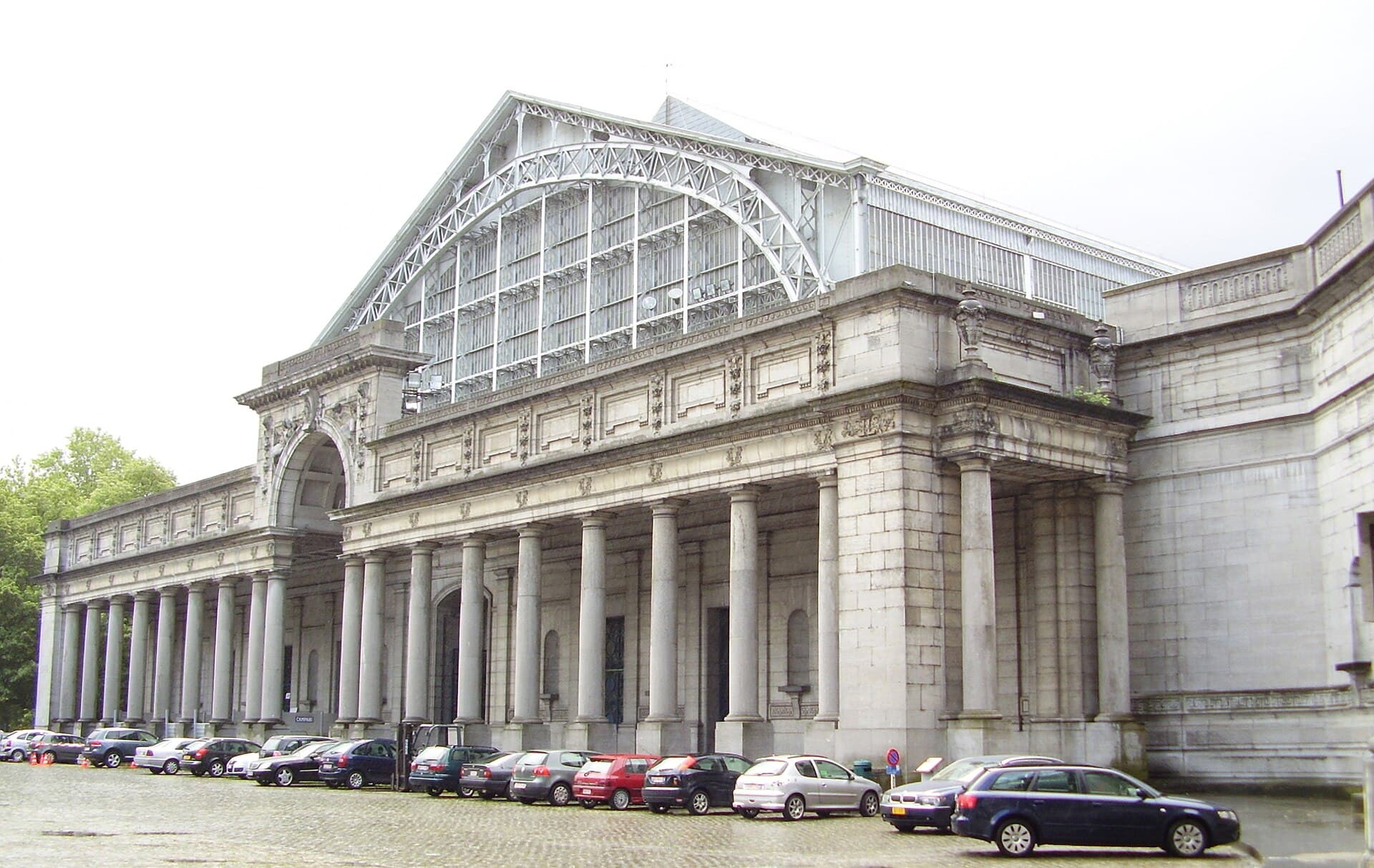 AutoworldAutoworld is among Europe's most beautiful car museums, in the huge south hall o2 minutes walk4.5
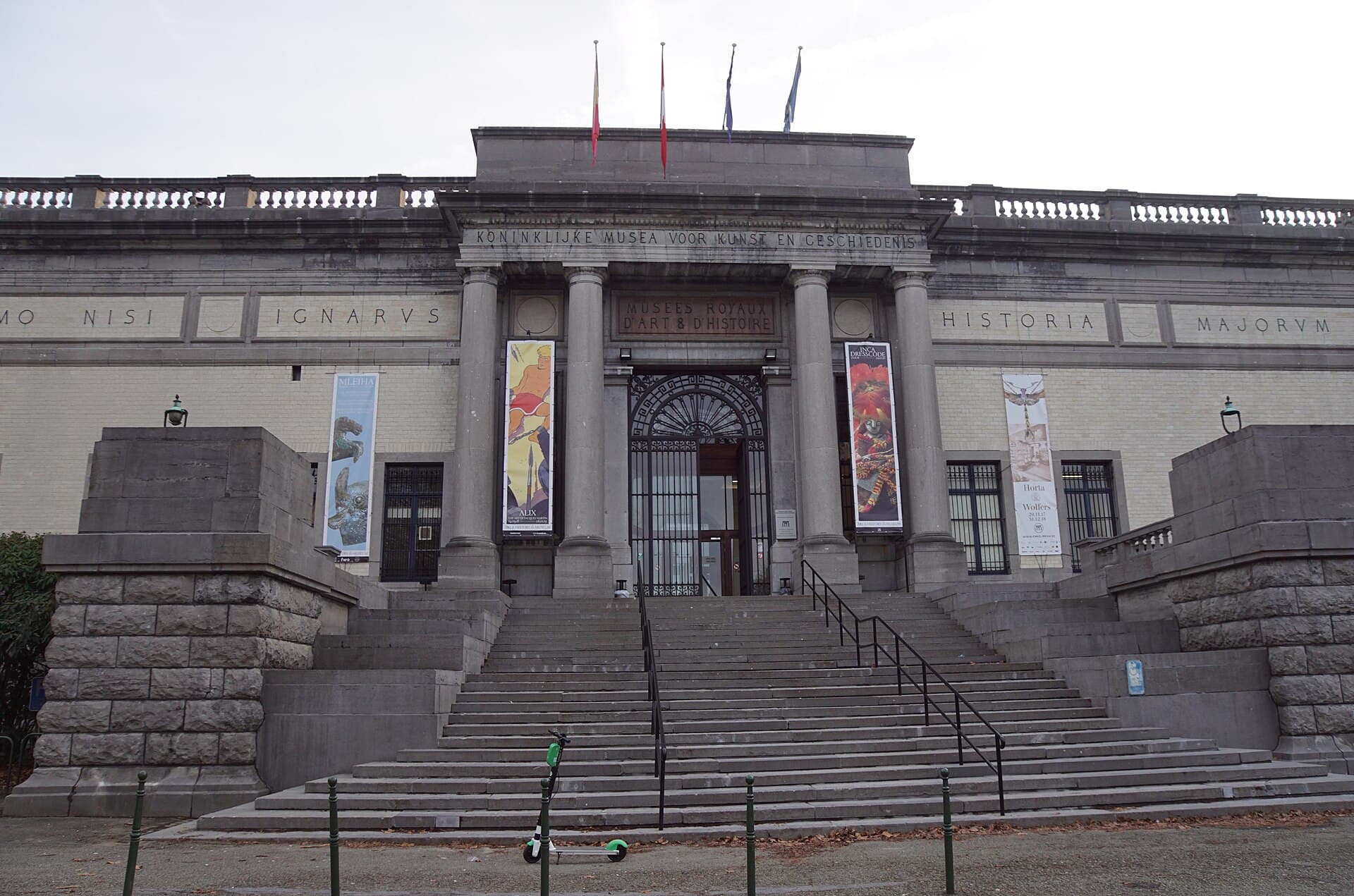 Art & History MuseumThe Art & History Museum is among Europe's largest and most varied museums, in t3 minutes walk4.3
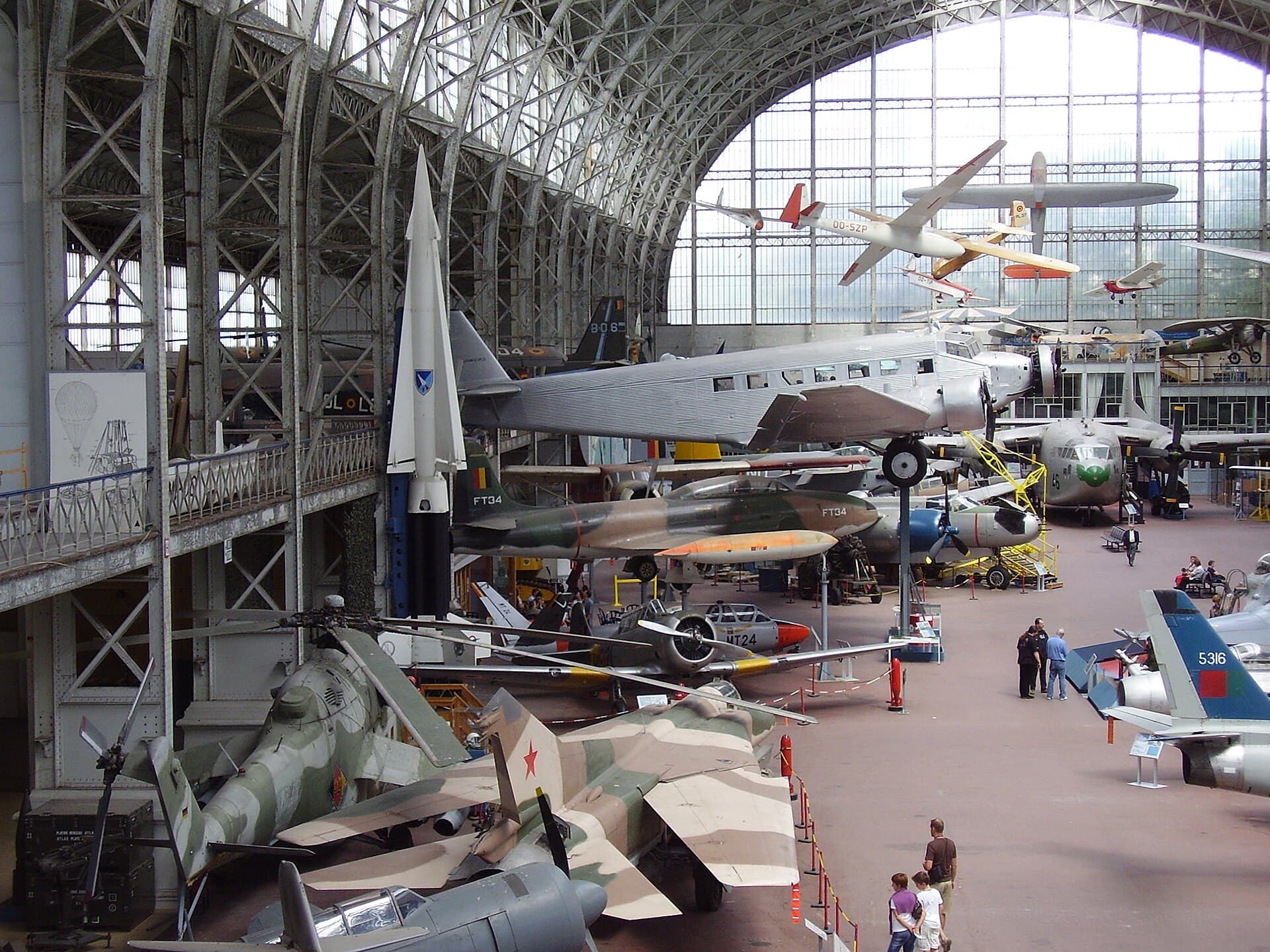 Royal Museum of the Armed Forces and Military HistoryA vast military museum inside the arcades of the Cinquantenaire park, covering t4 minutes walk4.4
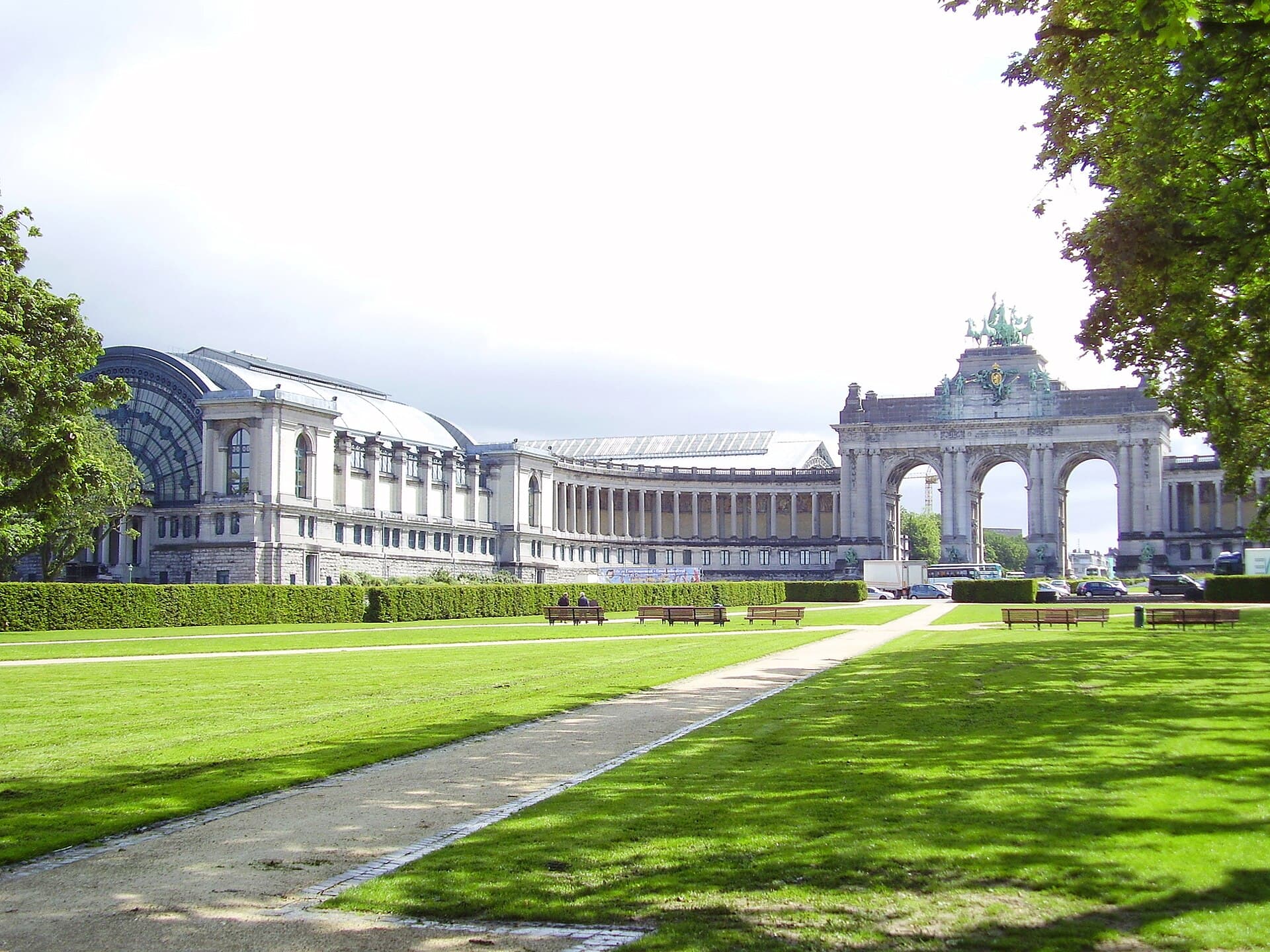 Cinquantenaire Park and Triumphal ArchCinquantenaire Park (the "Fiftieth") was created in 1880 to celebrate fifty year4 minutes walk4.5
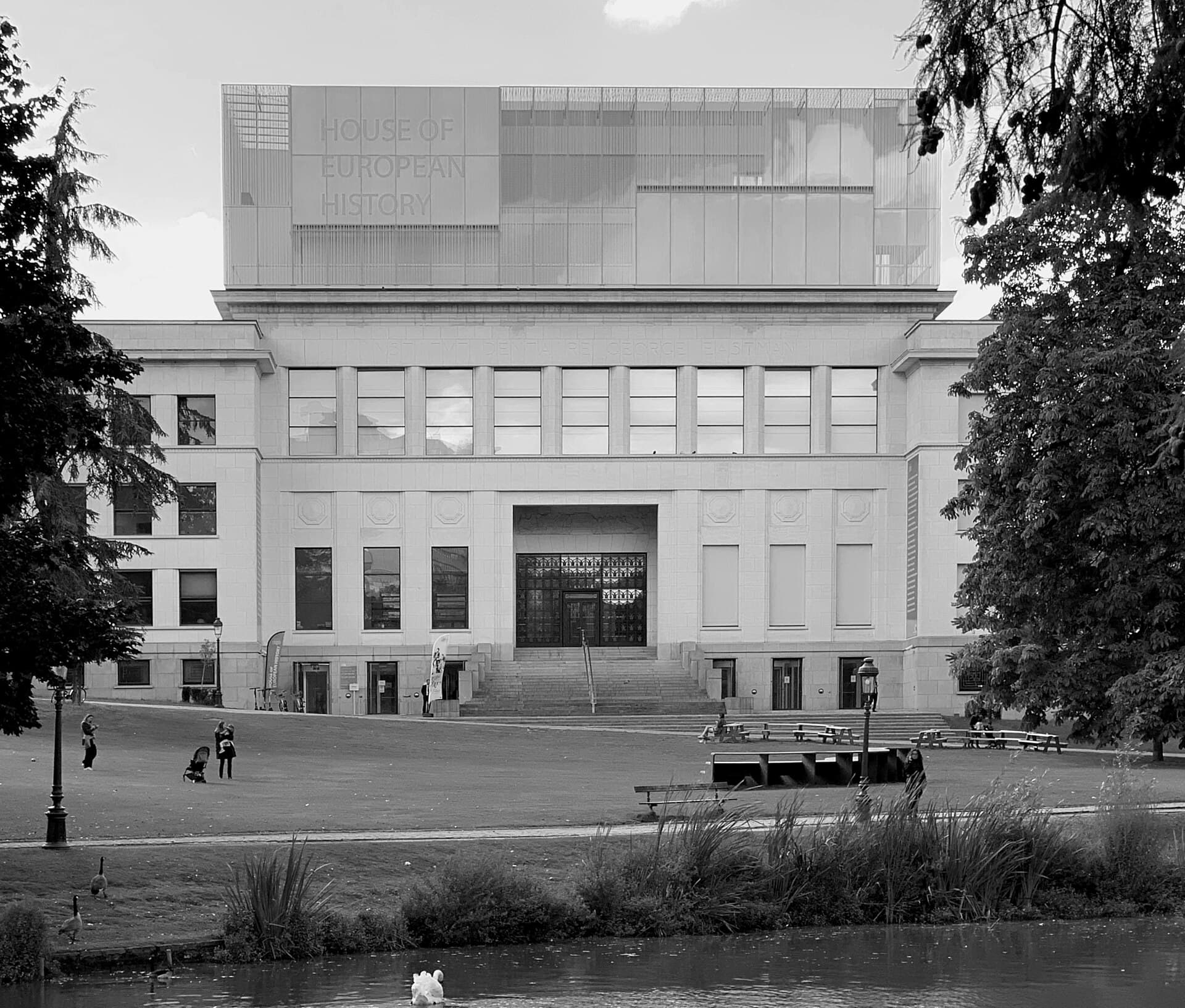 House of European HistoryThe House of European History is a free museum opened by the European Parliament15 minutes walk4.4
Probably not. The house is privately owned and opens only on very limited days each month. Do not plan a trip aimed at the interior without checking the opening calendar first. But the facade, which is the real point, is free to see at any hour from the pavement opposite.
The Cinquantenaire park is minutes on foot, holding the army museum, Autoworld and the art and history museums. The Etterbeek district around it has other Art Nouveau examples worth walking between.