
Granite arches
Single blocks.
Kavali Chandrakanth KCK — CC BY-SA 4.0 · Ritwik Mohapatra — CC BY-SA 4.0 · Sailko — CC BY 3.0 · Rashid Jorvee — CC BY-SA 4.0 · Negikun — CC BY-SA 3.0 · Anuradha Ratnaweera from Sri Lanka — CC BY-SA 2.0 · Rajashree Talukdar — CC BY-SA 4.0 · Rashid Jorvee — CC BY-SA 4.0
Hyderabad's largest mosque and one of the largest in India, holding about 10,000 worshippers, a short walk from the Charminar in the heart of the Old City and the main mosque of its people. It was begun by Muhammad Qutb Shah, the sixth Qutb Shahi sultan, who according to tradition had bricks made from soil brought from Mecca for its central arch, hence its name; the Mughal emperor Aurangzeb completed it in 1694. Its façade has huge arches cut from single blocks of granite, and the prayer hall faces a wide courtyard alive with pigeons; to one side are the marble tombs of Hyderabad's Asaf Jahi rulers. Entry is free; visitors are welcome outside prayer times with modest dress and shoes off, and women's access to the prayer hall may be restricted, per visitor guides. It combines easily with the Charminar and Chowmahalla Palace.
Single blocks.
And its pigeons.
Of the Asaf Jahis.
South-west of the Charminar, Old City, Hyderabad
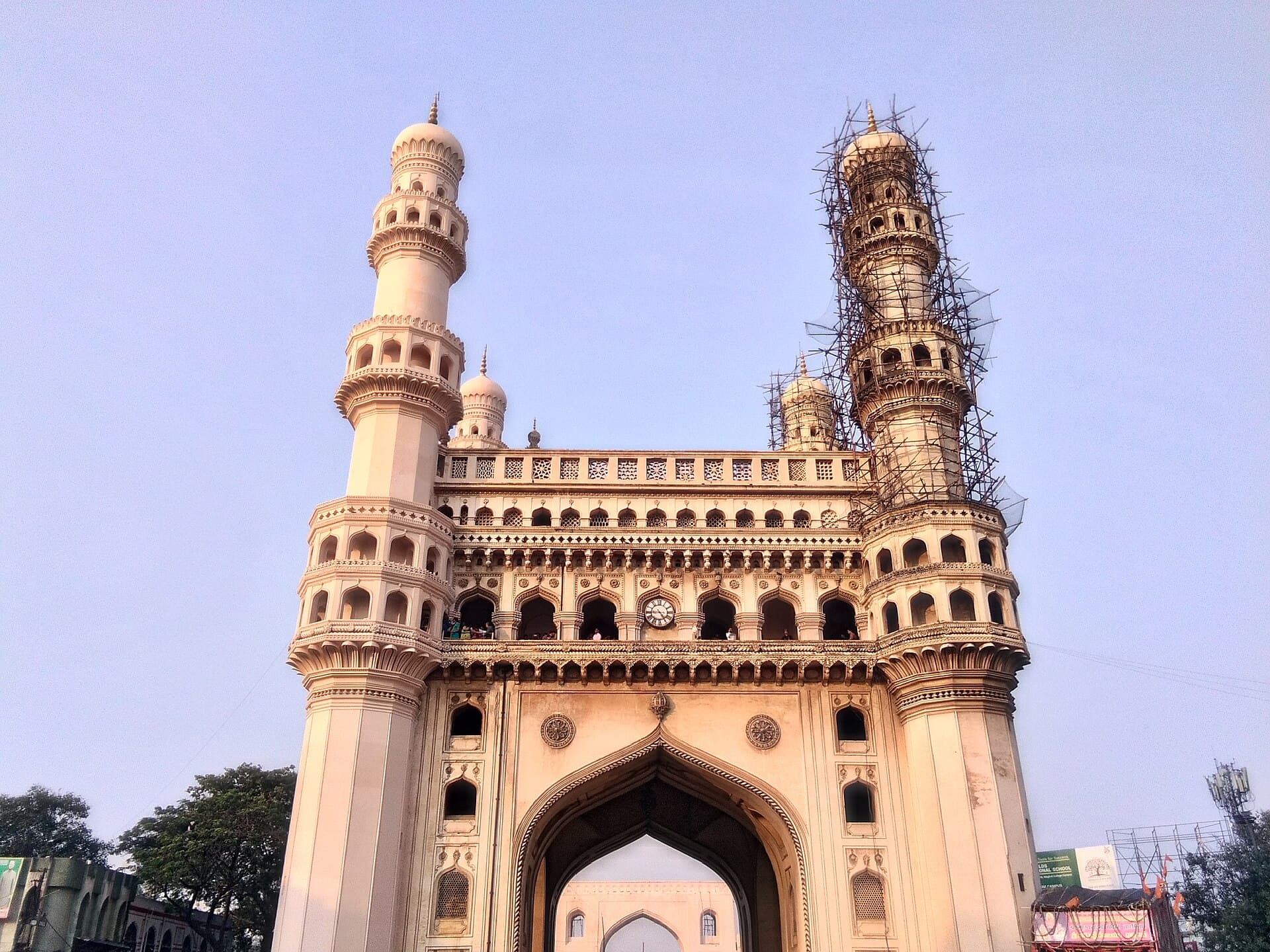 CharminarHyderabad's best-known symbol, a monumental gateway of granite and lime mortar b2 minutes walk4.6
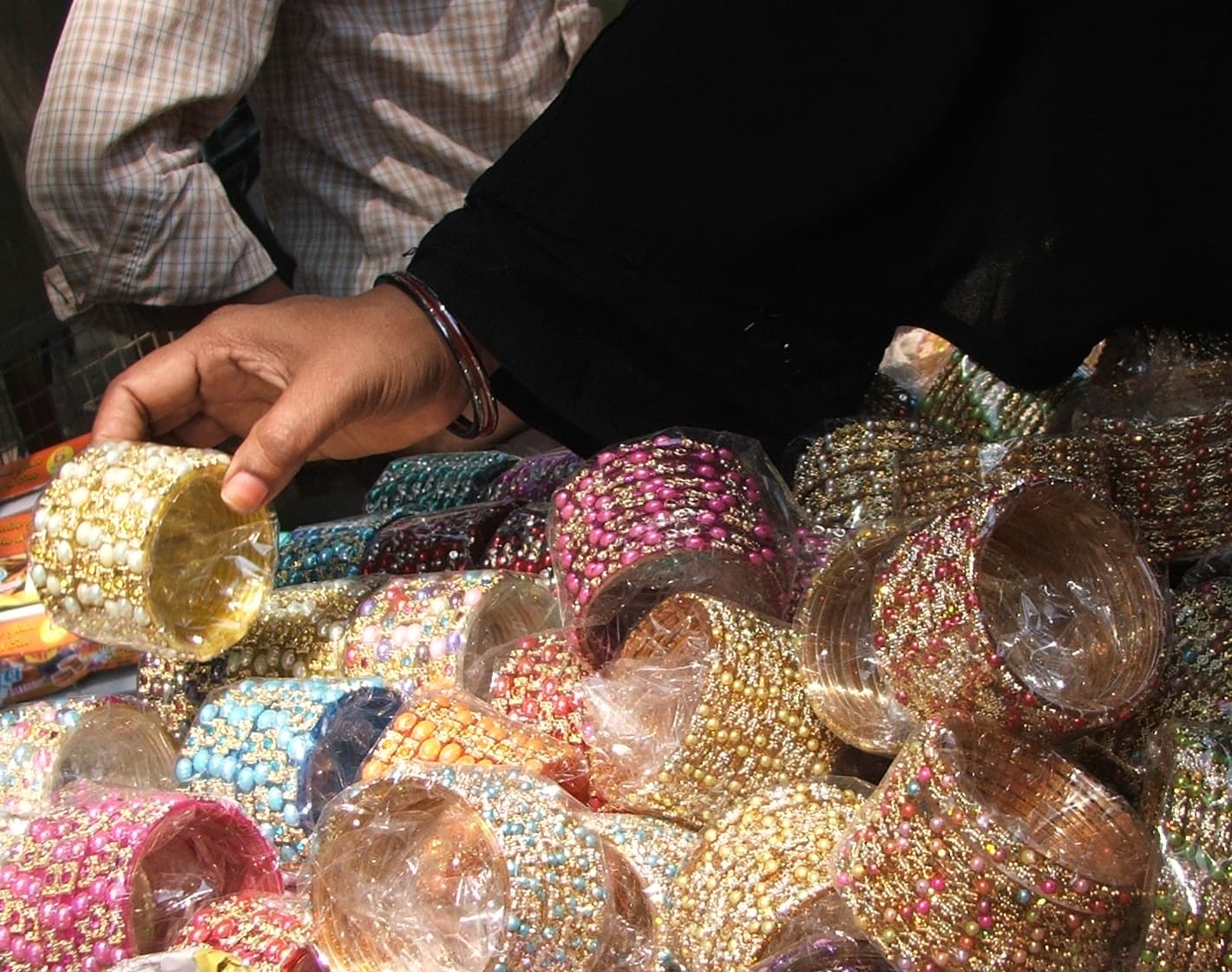 Laad BazaarA historic market on one of the four roads that branch out from the Charminar, t3 minutes walk
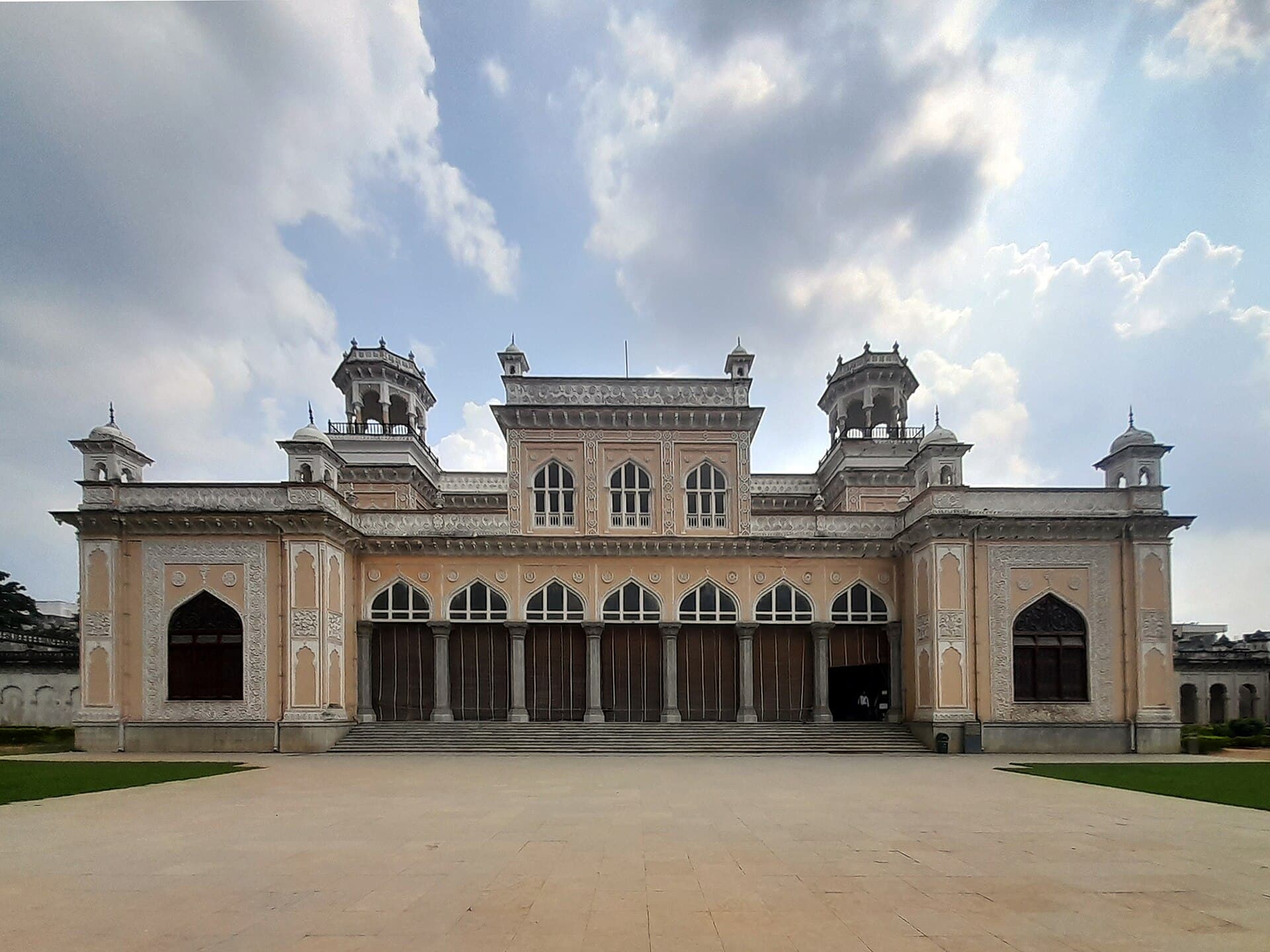 Chowmahalla PalaceThe palace of the Nizams of Hyderabad and seat of the Asaf Jahi dynasty, which r4 minutes walk4.5
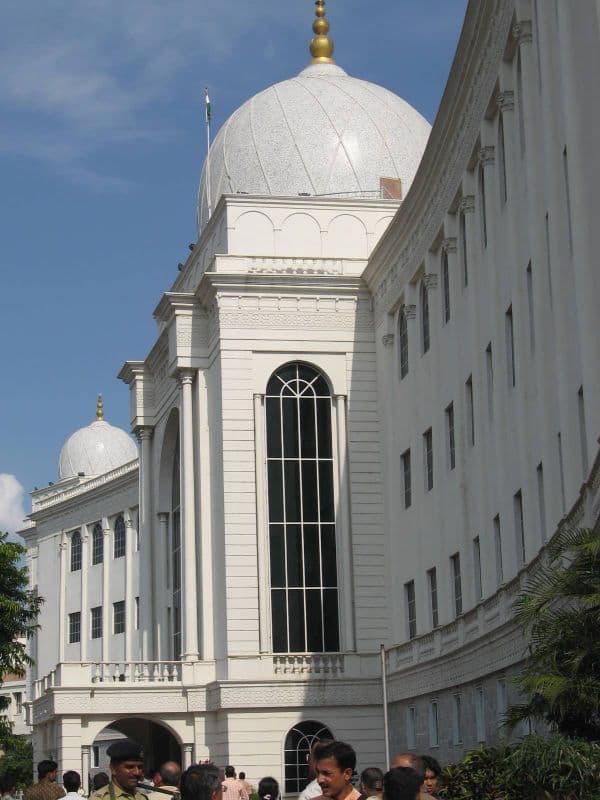 Salar Jung MuseumOne of India's notable national museums, on the south bank of the Musi River in 18 minutes walk4.3
According to tradition, Sultan Muhammad Qutb Shah had the bricks for its central arch made from soil brought from Mecca, hence the name.