
Musical clock
Strikes each hour.
https://www.flickr.com/people/nizharpadam/ - Prankster In Wave Uploaded by Nikkul at en.wikipedia — CC BY-SA 2.0 · Wasiul Bahar — CC BY-SA 4.0 · Rajeshodayanchal — CC BY-SA 4.0 · Aliva Sahoo — CC BY-SA 4.0 · Aliva Sahoo — CC BY-SA 4.0 · Aliva Sahoo — CC BY-SA 4.0 · Aliva Sahoo — CC BY-SA 4.0 · Mitsingh — CC BY 4.0
One of India's notable national museums, on the south bank of the Musi River in Hyderabad; it began as the private collection of the noble Salar Jung family, was given to the nation after the death of Salar Jung III and opened on 16 December 1951. It holds a vast collection gathered from around the world by one man: paintings, sculpture, textiles, manuscripts, ceramics, metalwork, carpets, clocks and furniture from Japan, China, Persia, Egypt, Europe and North America, alongside Indian art. For Arab visitors, there's a gallery of Islamic art with Arabic and Persian manuscripts, illuminated Qur'ans and jewelled daggers. Its most famous exhibit is a British musical clock from which a small figure emerges to strike the bell every hour, drawing a crowd. Foreign visitors pay between about ₹500 and ₹1,000, per visitor guides, which disagree, and it is closed on Fridays. It's large, so allow at least two hours, and arrive before noon to catch the famous clock striking.
Strikes each hour.
Arabic manuscripts.
From one man.
Dar-ul-Shifa, south bank of the Musi, Hyderabad
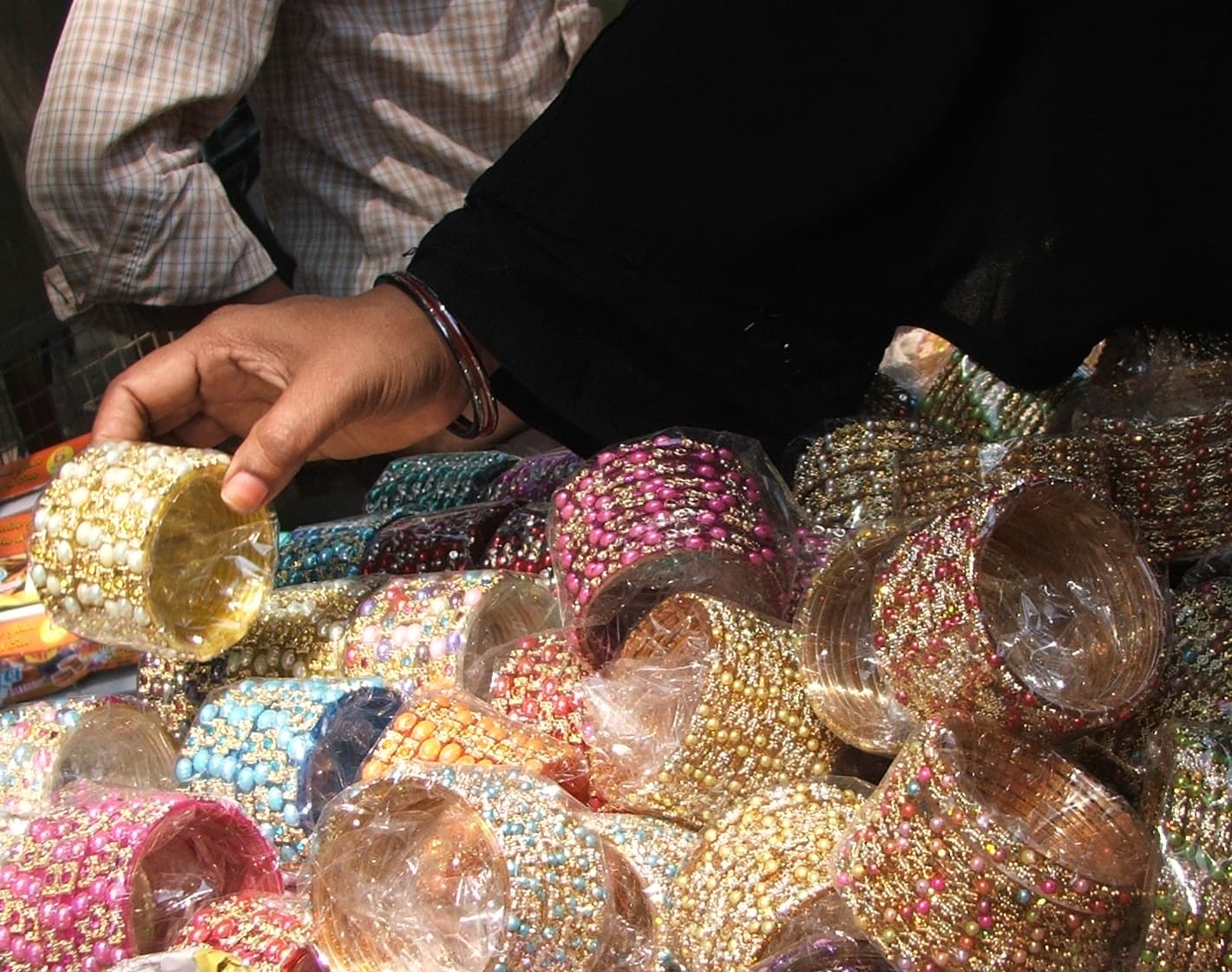 Laad BazaarA historic market on one of the four roads that branch out from the Charminar, t15 minutes walk
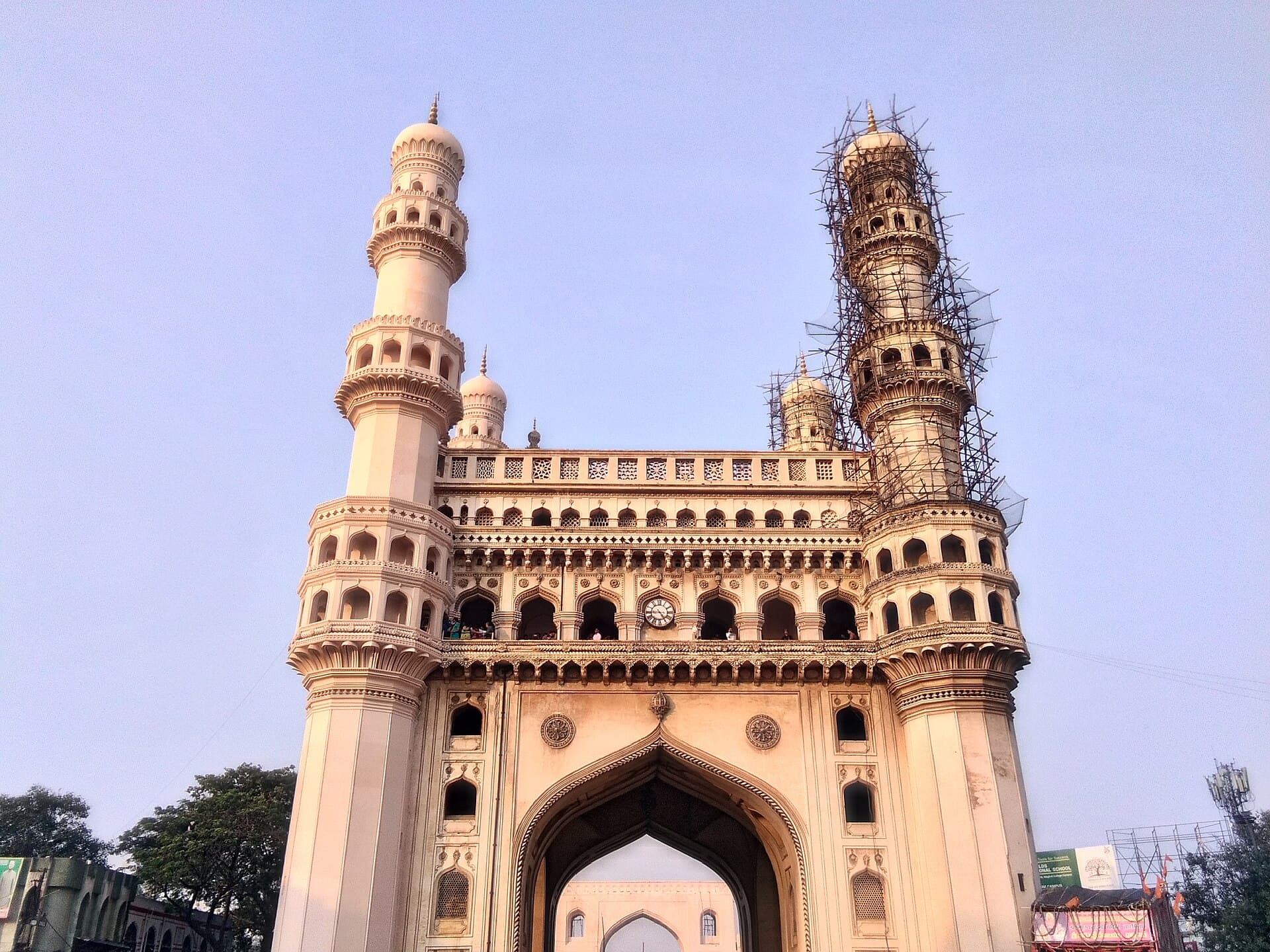 CharminarHyderabad's best-known symbol, a monumental gateway of granite and lime mortar b16 minutes walk4.6
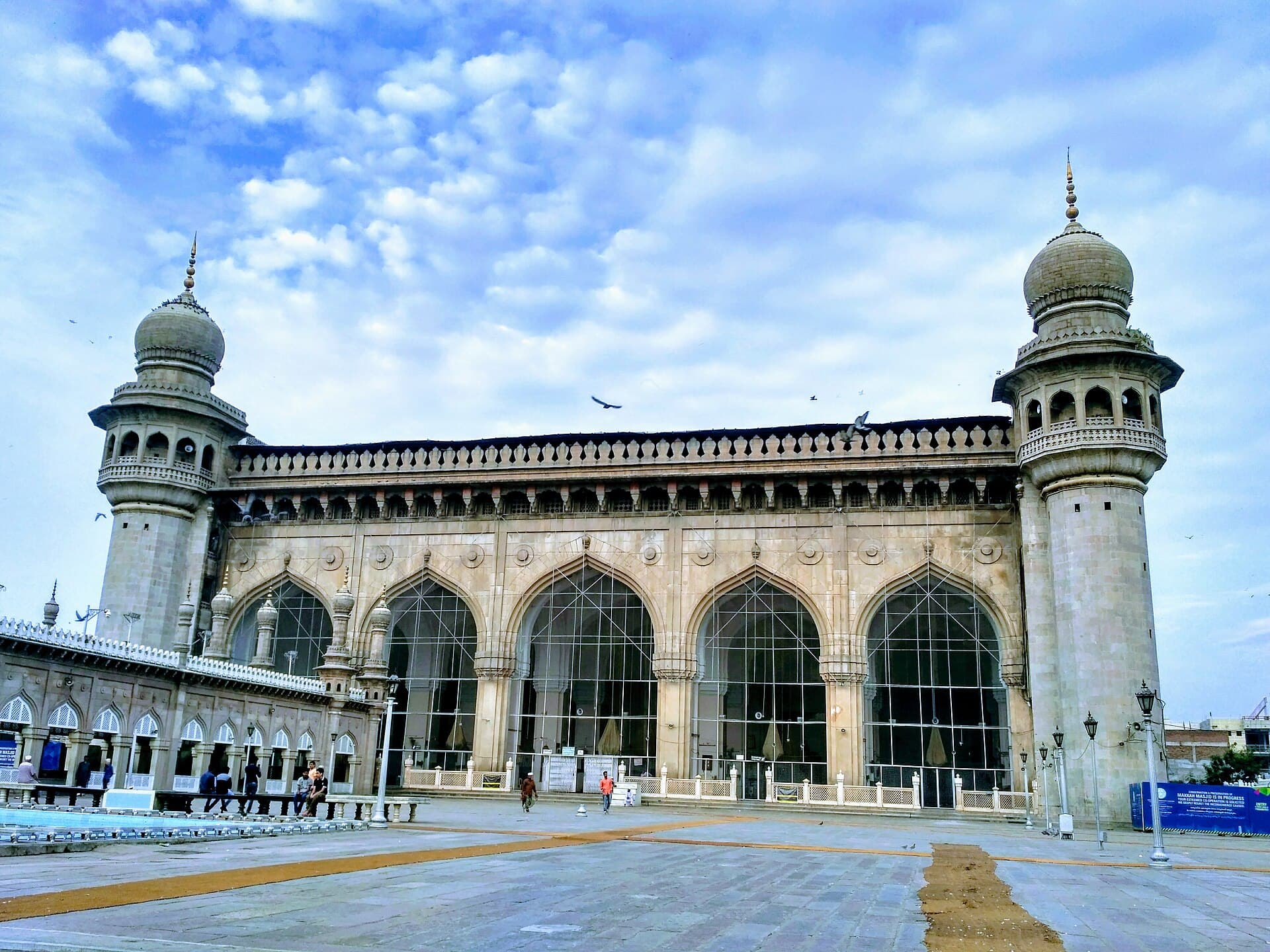 Mecca MasjidHyderabad's largest mosque and one of the largest in India, holding about 10,00018 minutes walk4.6
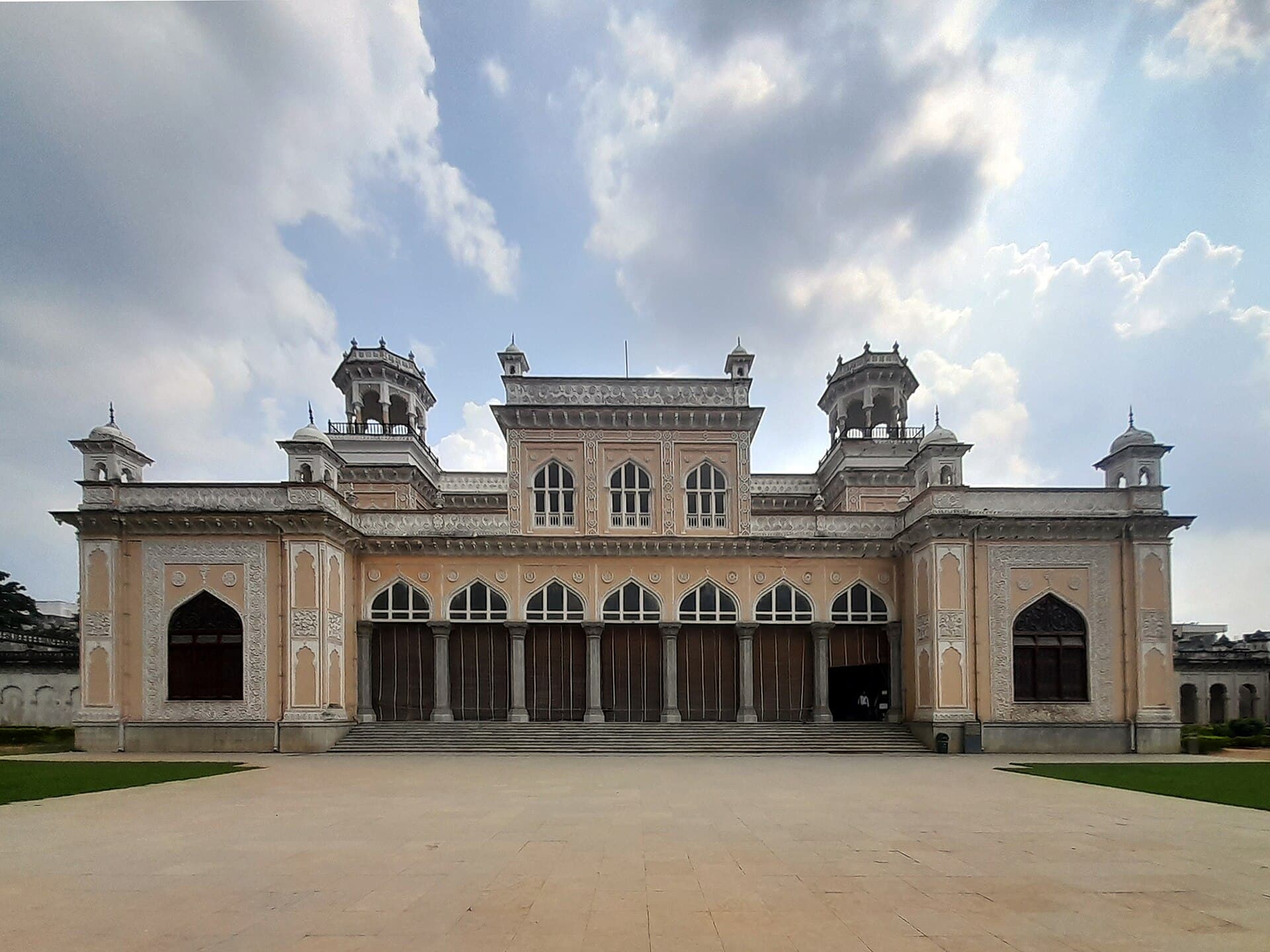 Chowmahalla PalaceThe palace of the Nizams of Hyderabad and seat of the Asaf Jahi dynasty, which r22 minutes walk4.5
On Fridays; foreign visitors pay between about ₹500 and ₹1,000, per visitor guides, so check at the counter.