
The Kranhaus buildings
Three blocks shaped like harbour cranes.
AnitaBeimert — CC BY-SA 3.0 · Braveheart09 — CC BY-SA 3.0 · Johan Bakker — CC BY-SA 3.0 · kaʁstn Disk/Cat — CC BY-SA 3.0 de
The Malakoff Tower is a massive round stone tower standing at the entrance to Cologne's Rheinauhafen, built between 1855 and 1860 as part of the city's Prussian fortifications. Its name comes from the Malakoff redoubt at Sevastopol, which fell in the Crimean War in 1855 and was world news at the time. Its function changed as the city did: built as a defensive tower guarding the harbour entrance, it quickly lost military value as artillery advanced, and was converted into the control room for a swing bridge opening and closing the dock entrance. The bridge mechanism still works. Today the tower stands in the middle of the Rheinauhafen — the old industrial harbour redeveloped over the past two decades into a residential and office quarter on the river, holding the three well-known Kranhaus buildings shaped like harbour cranes. The tower is seen free from outside and is a visual landmark in the modern quarter's skyline.
Three blocks shaped like harbour cranes.
A redeveloped industrial harbour on the Rhine.
Rheinauhafen, 50678 Cologne
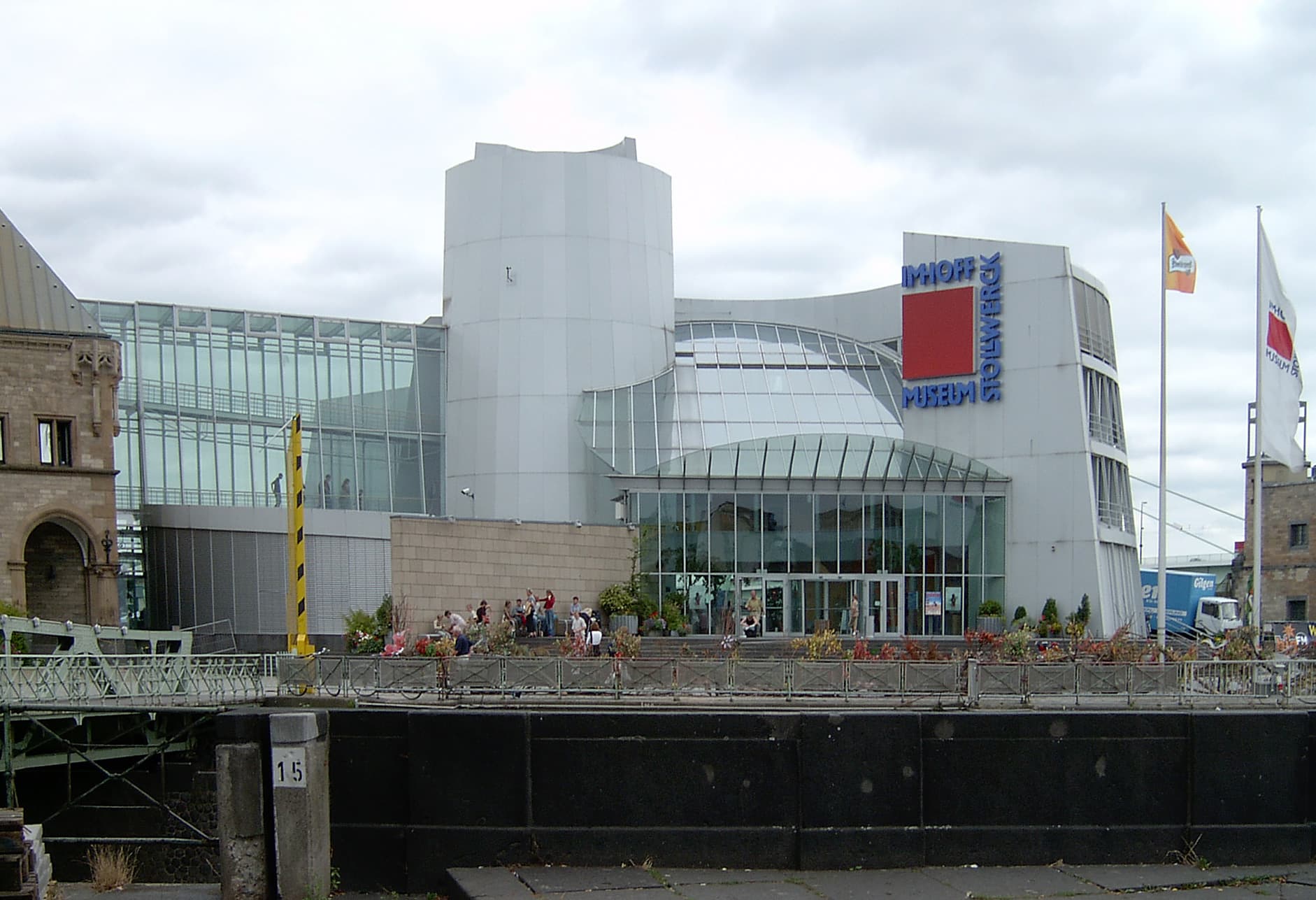 Cologne Chocolate MuseumThe Cologne Chocolate Museum is a glass building on a small peninsula reaching i1 minute walk4.5
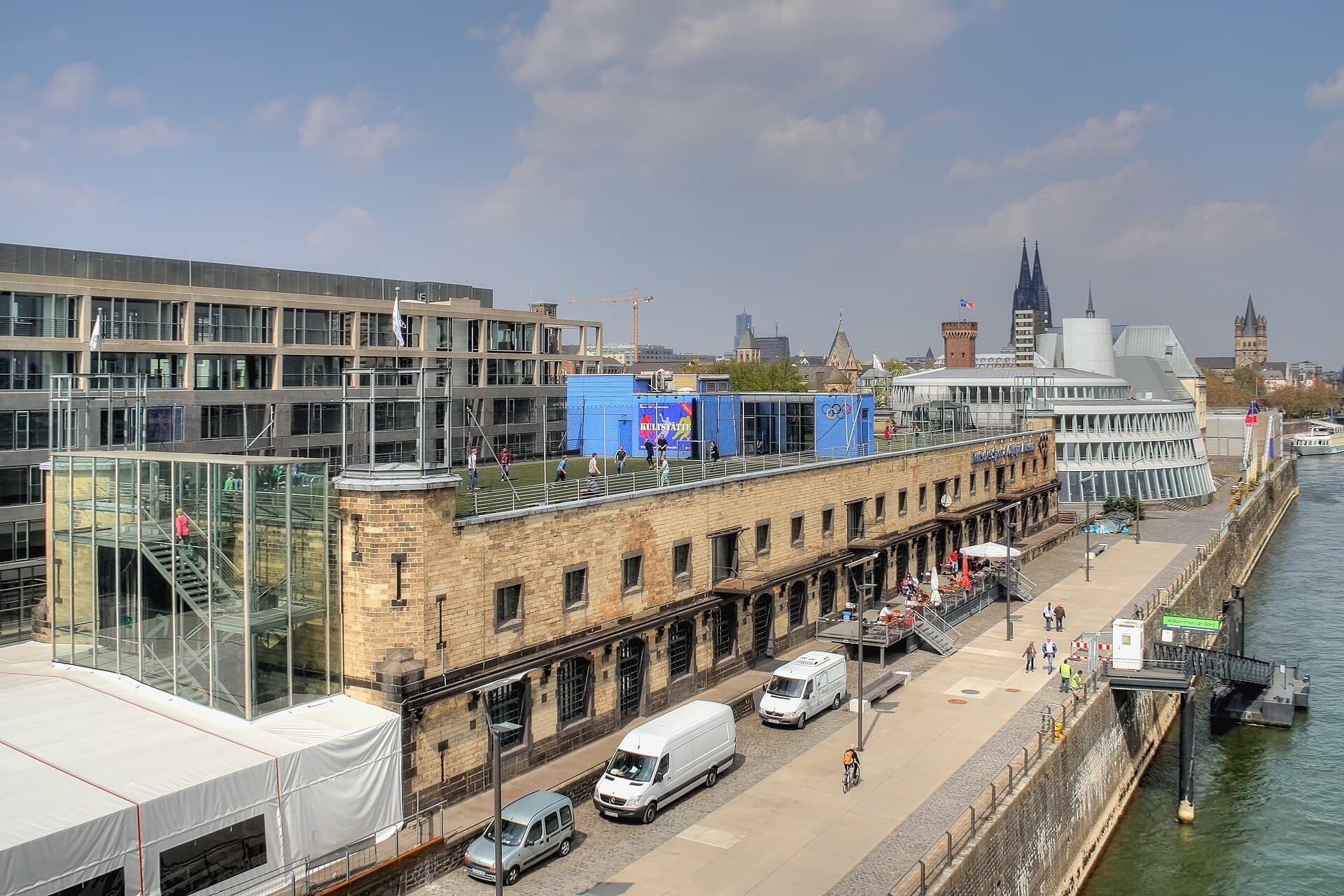 German Sport & Olympic MuseumIn an old customs warehouse on the Rhine lives Germany's national sports museum:2 minutes walk4.4
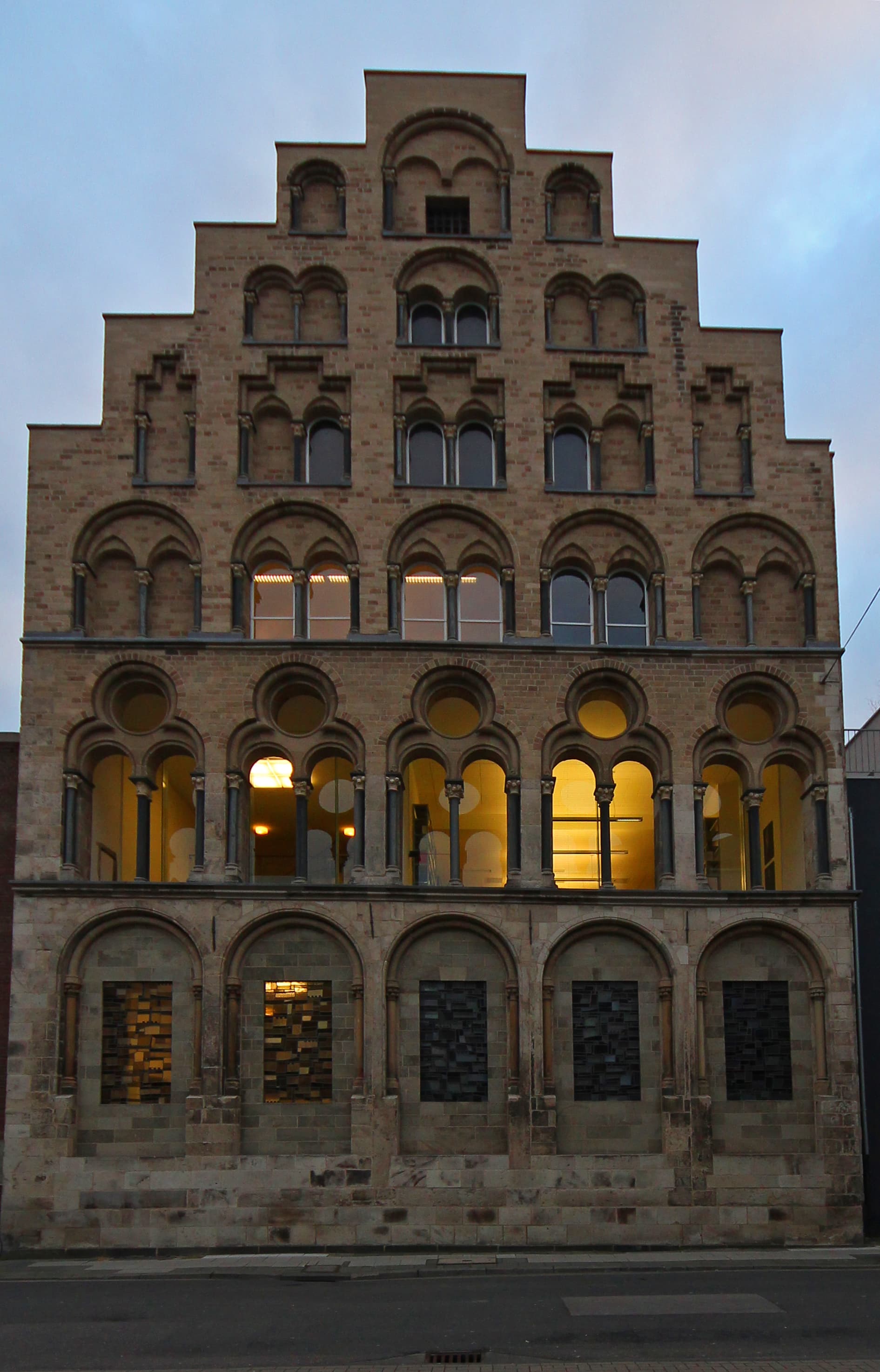 The OverstolzenhausThe Overstolzenhaus is the oldest surviving stone dwelling in Cologne, built aro3 minutes walk4.3
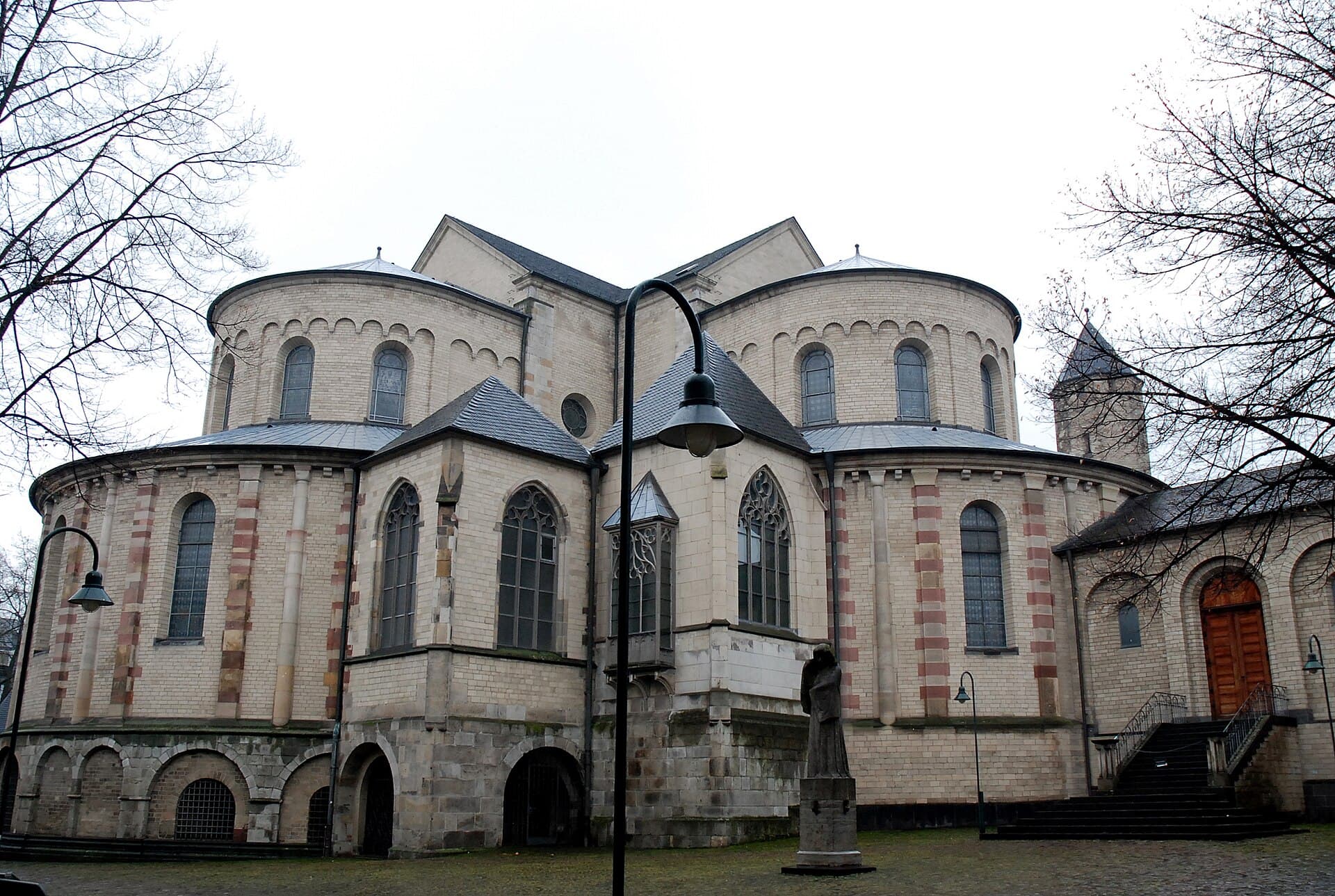 St. Maria im KapitolSt. Maria im Kapitol is among the largest and oldest Romanesque churches in Colo5 minutes walk4.5
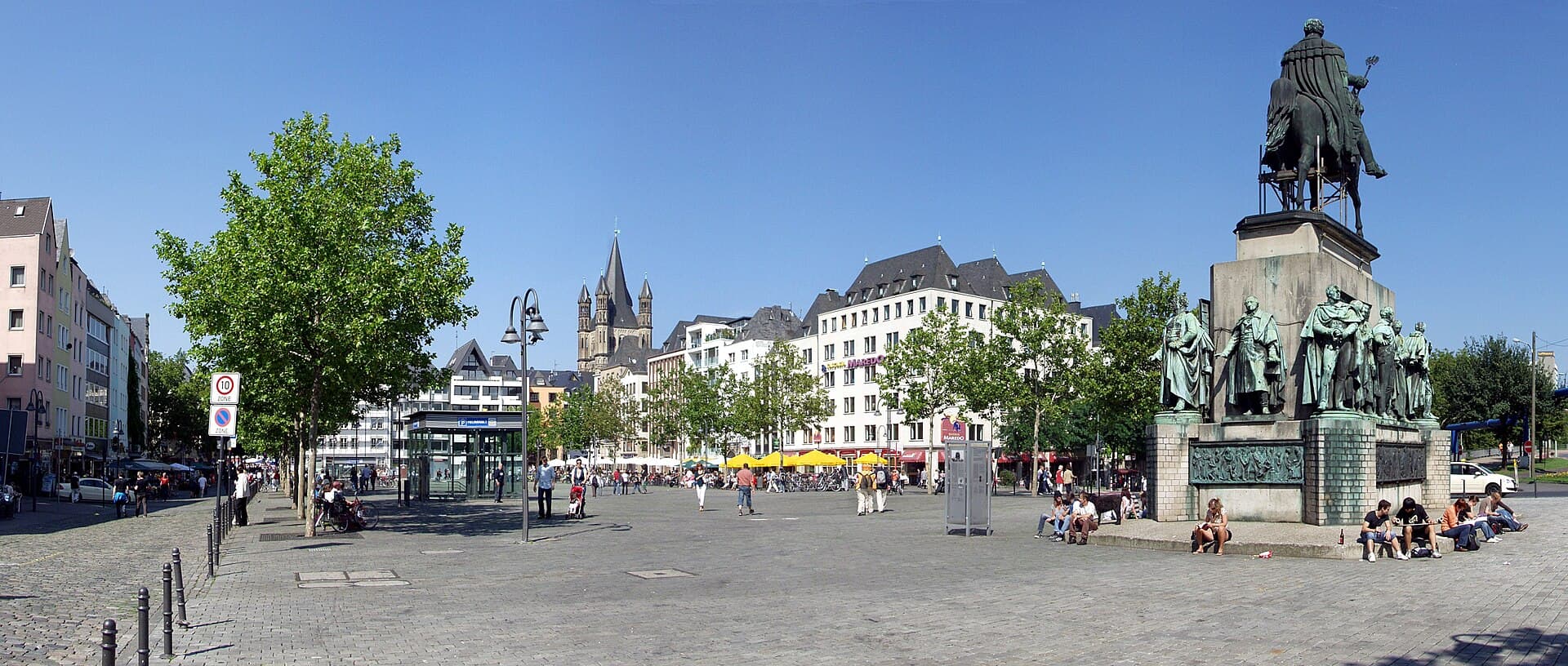 HeumarktHeumarkt is one of Cologne's largest old squares, adjoining the Alter Markt but 5 minutes walk4.7
An inner harbour built at the end of the nineteenth century that lost its industrial function in the 1970s, then lay abandoned for decades before redevelopment from 2002 into a mixed quarter with a riverside frontage some two kilometres long. What distinguishes it is that the old warehouses were restored and reused rather than demolished, so the tower and the brick warehouses stand alongside the modern glass Kranhaus buildings.