
The trefoil east end
Three adjoining semicircles forming a clover shape — a rare design that influenced many European churches.
Paul Hermans — CC BY-SA 3.0 · Paul Clemen, Hugo Rahtgens — Public domain · Paul Clemen, Hugo Rahtgens — Public domain · Paul Clemen, Hugo Rahtgens — Public domain
St. Maria im Kapitol is among the largest and oldest Romanesque churches in Cologne, built in the eleventh century over an old Roman temple — which is where the name Kapitol comes from. Entry is free, and it is far quieter than the cathedral nearby. Its most distinctive feature is the shape of its east end: three adjoining semicircles forming a three-lobed clover, a rare design that influenced many later churches. It also holds a carved wooden door from the eleventh century, among the oldest surviving wooden doors in Europe. The church was badly destroyed in the war and restored afterwards over many years.
Three adjoining semicircles forming a clover shape — a rare design that influenced many European churches.
A carved door from the eleventh century, among the oldest surviving wooden doors in Europe.
The church stands over an old Roman temple, from which it takes its name.
Kasinostraße 6, 50676 Köln
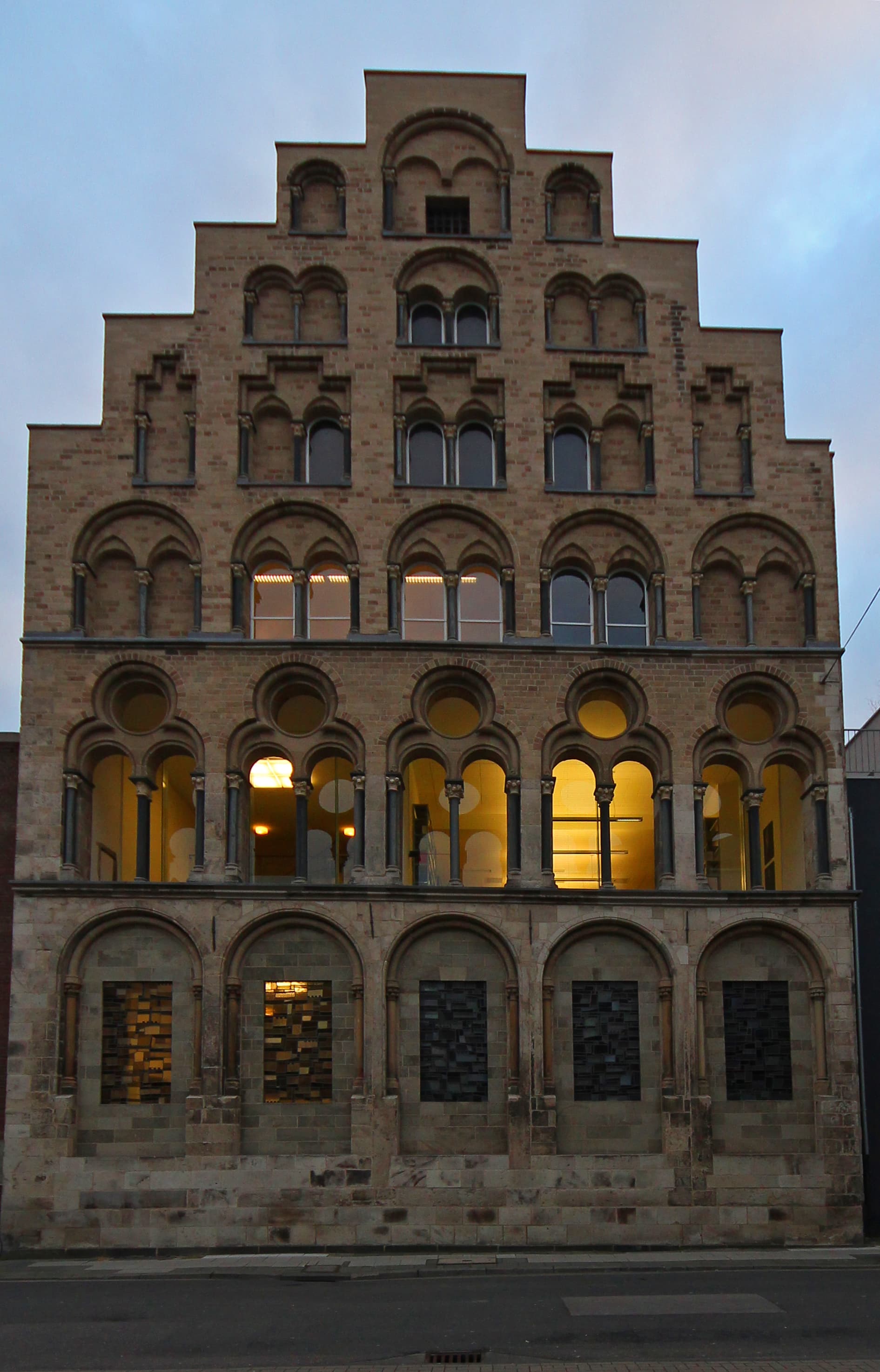 The OverstolzenhausThe Overstolzenhaus is the oldest surviving stone dwelling in Cologne, built aro2 minutes walk4.3
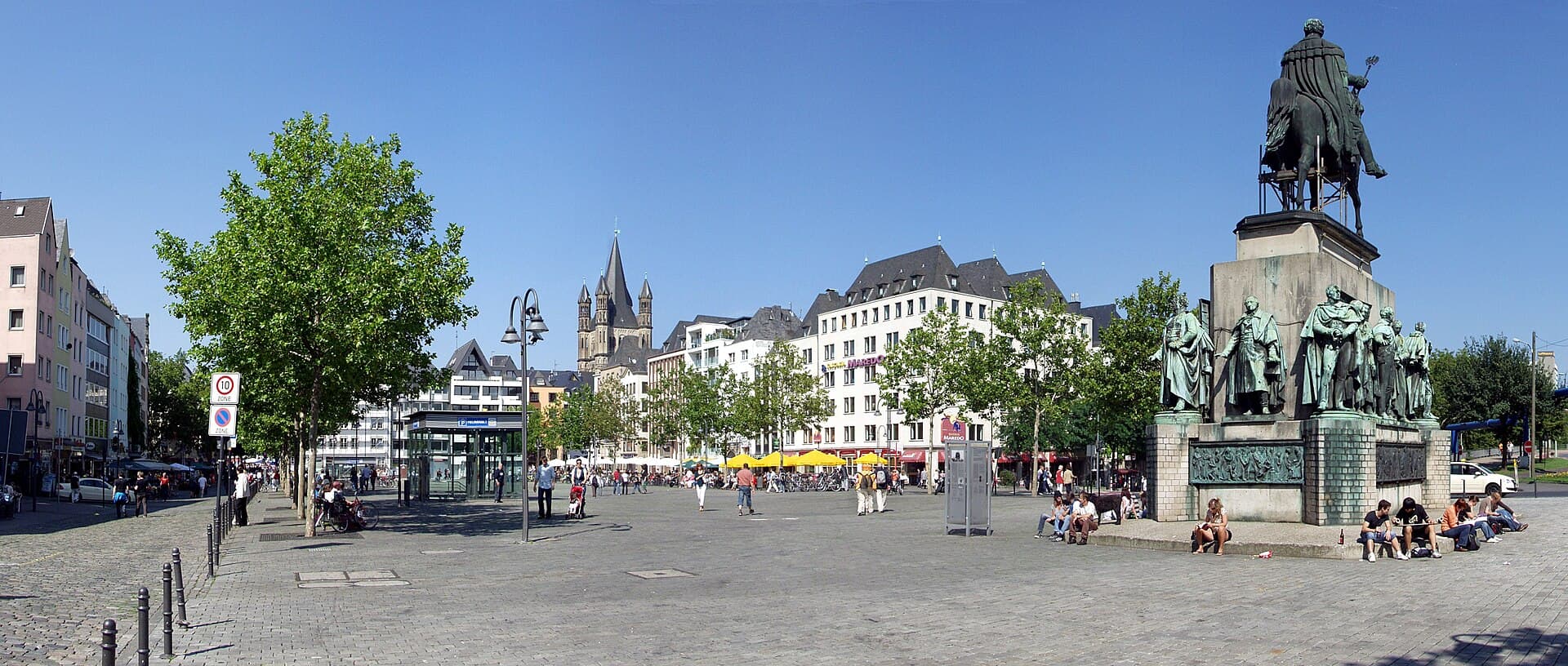 HeumarktHeumarkt is one of Cologne's largest old squares, adjoining the Alter Markt but 3 minutes walk4.7
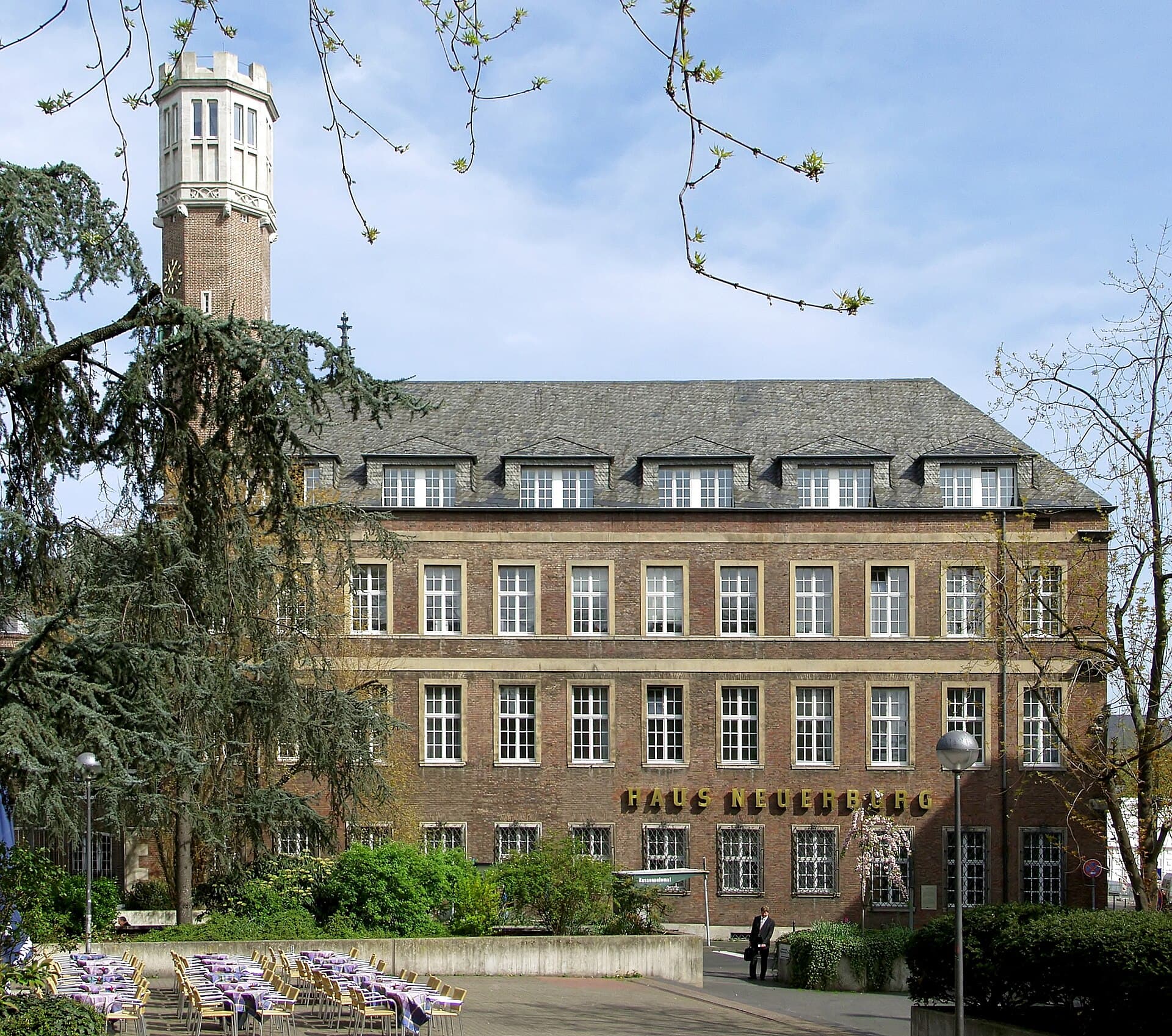 Haus NeuerburgA 1920s office building in central Cologne, built as the headquarters of a tobac4 minutes walk4.5
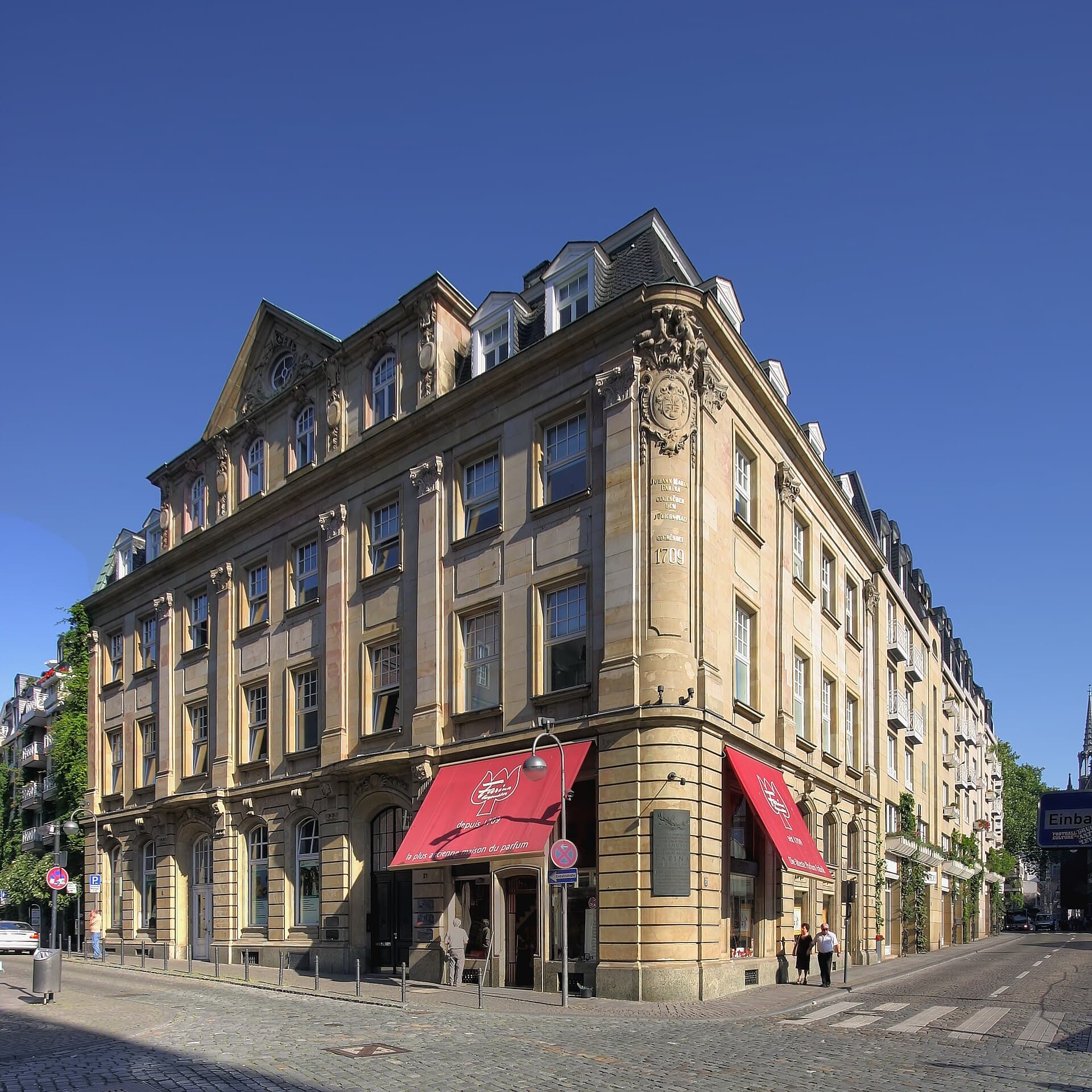 Farina Fragrance MuseumThe Farina Fragrance Museum stands where modern perfume was born. In 1709 the It4 minutes walk4.5
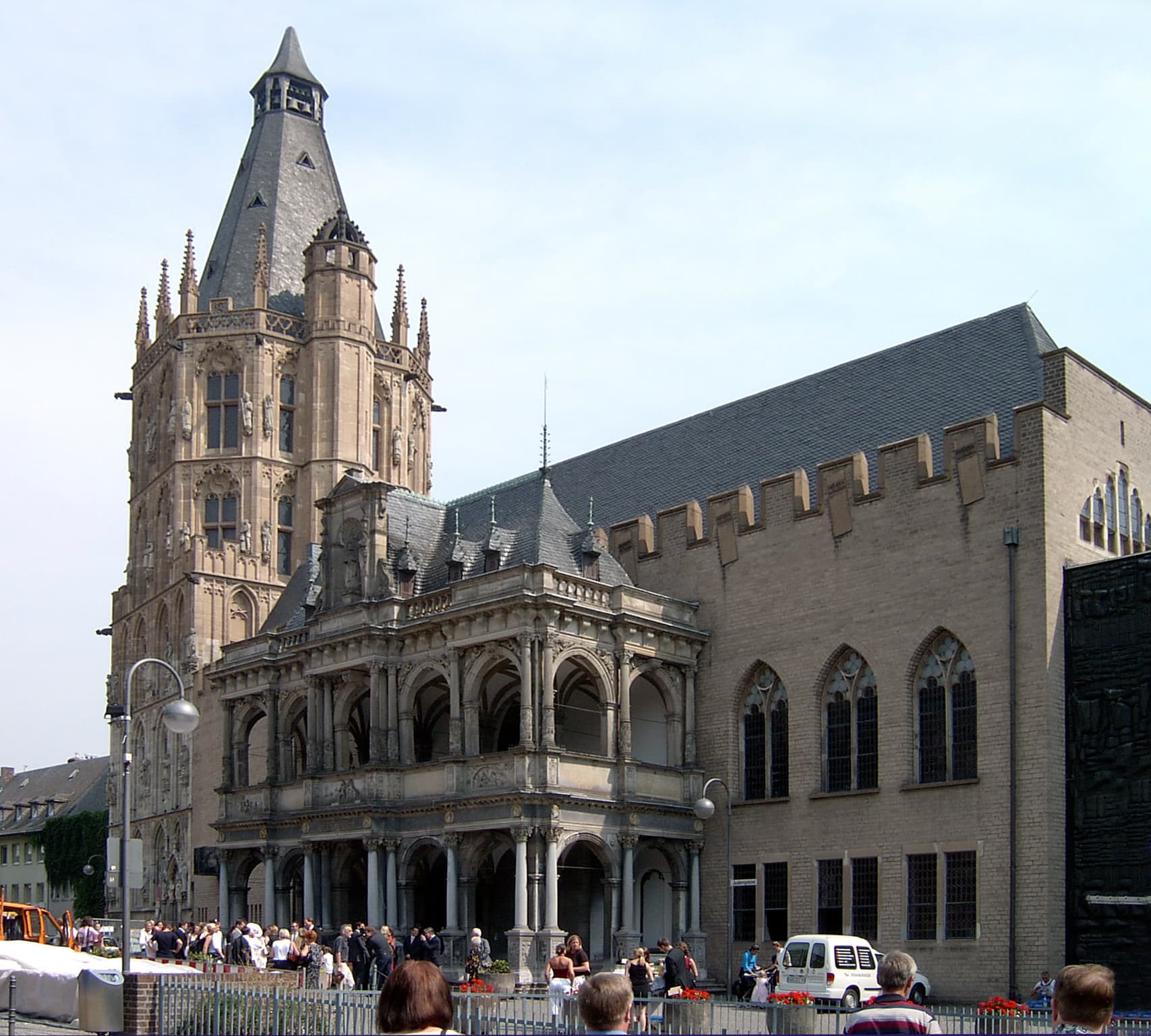 Cologne Historic City HallCologne's Rathaus is Germany's oldest working city hall: documented since 1135, 5 minutes walk4.3
Because it is entirely different: older in style, plainer and quieter. The cathedral is Gothic, enormous and always crowded; this is Romanesque, spacious and almost always calm. Twenty minutes here gives you another picture of old Cologne.
Its core is eleventh-century, but wartime bombing destroyed large parts and restoration went on for many years afterwards. That is true of most of Cologne's twelve Romanesque churches.
Cologne has twelve Romanesque churches within the old town, the best known being this and Great St. Martin near the river. Three or four can be walked between in two hours, and all are free.