
The red brick
Northern Germany's material, neo-Romanesque.
GeoTrinity (shifted by Rabanus Flavus) — CC BY-SA 3.0 · Alchemist-hp (talk) — CC BY-SA 3.0 · Pauli-Pirat — CC BY-SA 4.0 · Pauli-Pirat — CC BY-SA 4.0
St Mary's is Hamburg's Catholic cathedral, and its story reflects the city's religious history: Hamburg was a strict Protestant stronghold from the Reformation onward, and Catholics were barred from building churches inside its walls for centuries. This church was only built in 1893, and only raised to cathedral rank in 1995, when the Catholic archdiocese of Hamburg was re-established. The building is neo-Romanesque in red brick — the characteristic material of northern Germany — with a relatively plain facade and a square tower. The interior was redesigned after war damage in a quiet modern manner: pale walls, contemporary stained glass and simple liturgical furniture, well away from traditional Catholic ornament. Its location is practical: a few minutes' walk from the central station, so it slots easily into any city-centre route. The visit is short and entry is free, and it is an active church with regular services.
Northern Germany's material, neo-Romanesque.
Contemporary glass and simple furnishing.
Am Mariendom 4, 20099 Hamburg
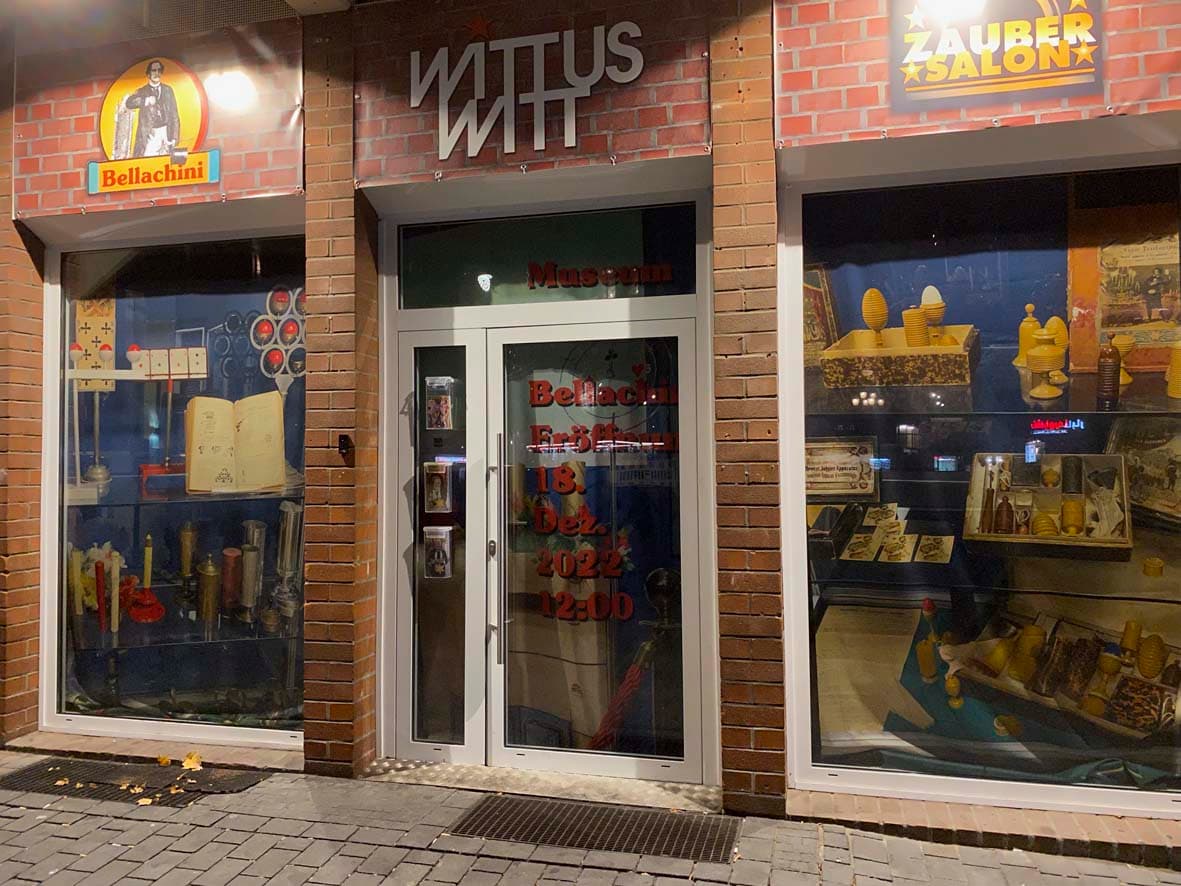 Zaubermuseum BellachiniA small museum of stage magic in Hamburg, named after Bellachini, a German magic4 minutes walk4.4
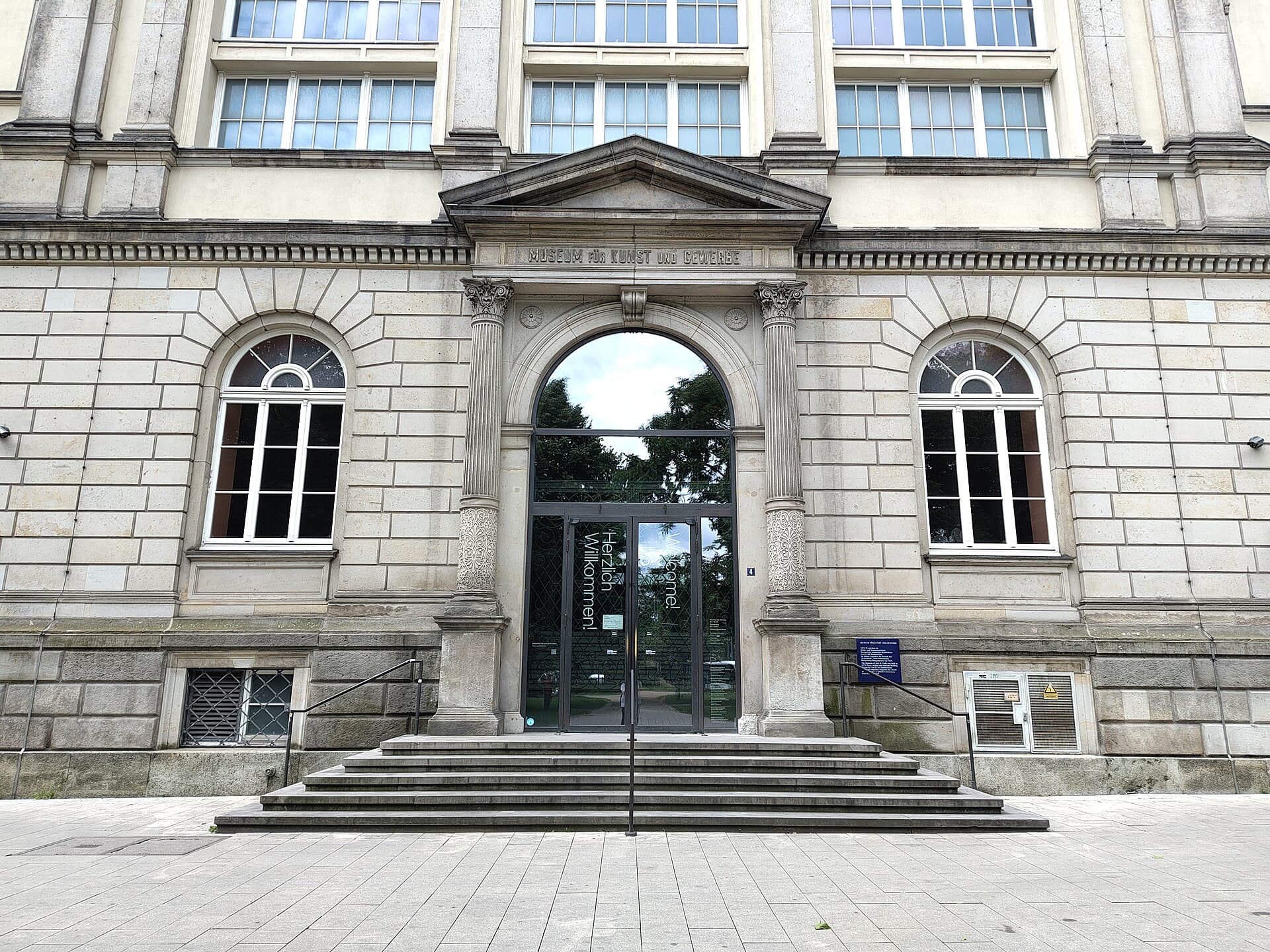 Museum of Art and IndustryHamburg's Museum für Kunst und Gewerbe is a museum of design and applied art, fo8 minutes walk4.4
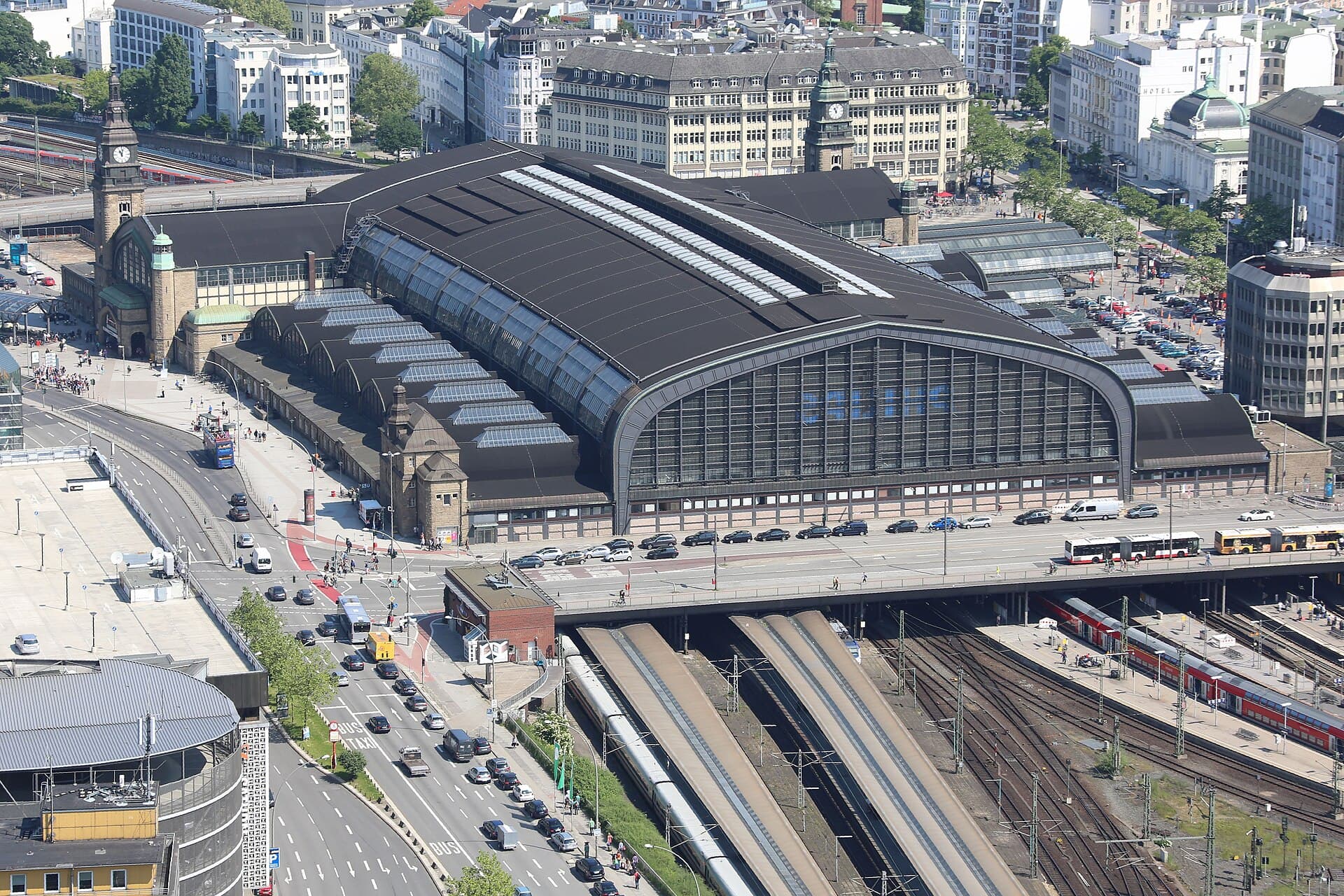 Hamburg Central StationHamburg's central station is the busiest railway station in Germany and the seco9 minutes walk3.8
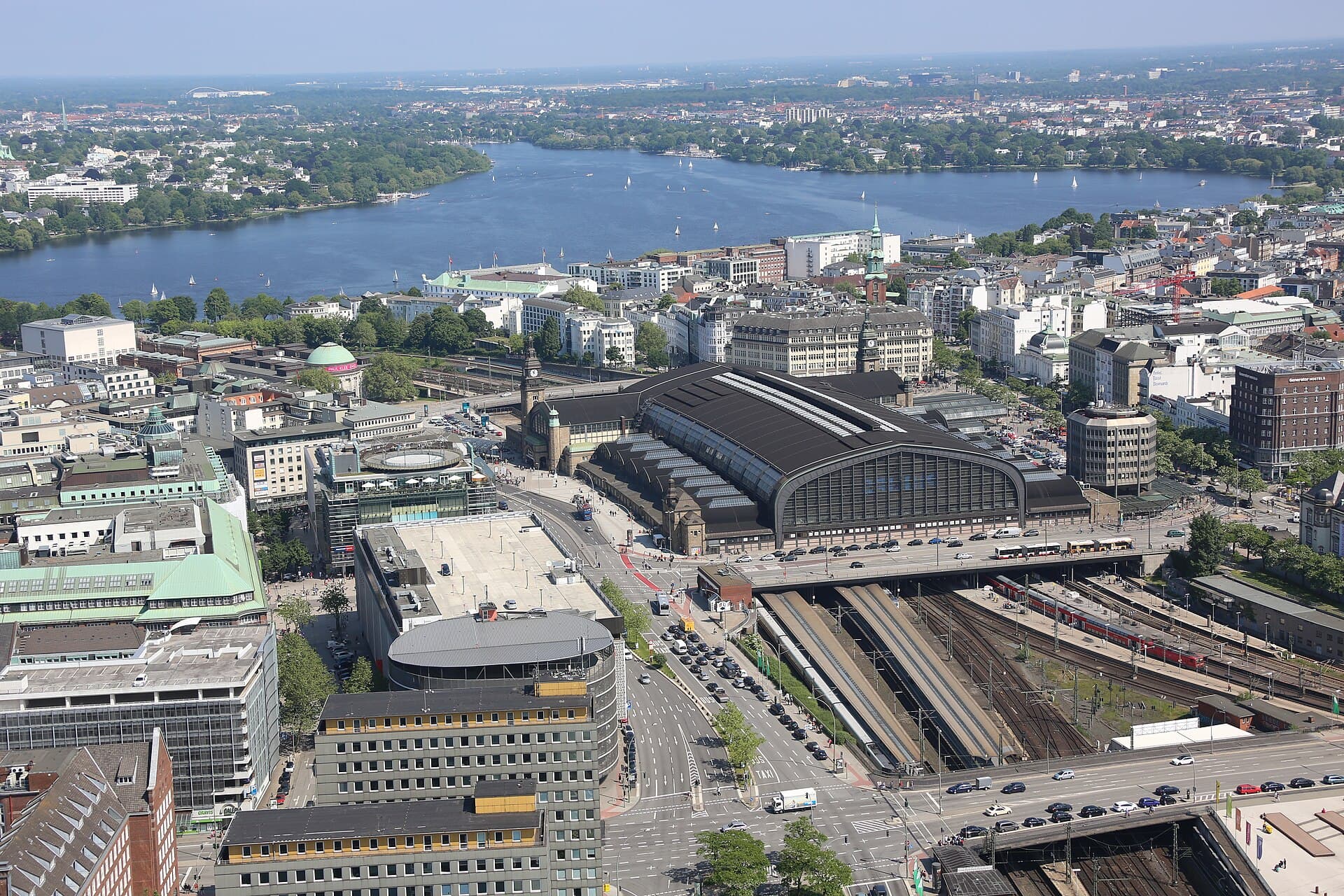 Hamburger KunsthalleThe Kunsthalle is one of Germany's largest art museums, its collection spanning 10 minutes walk4.7
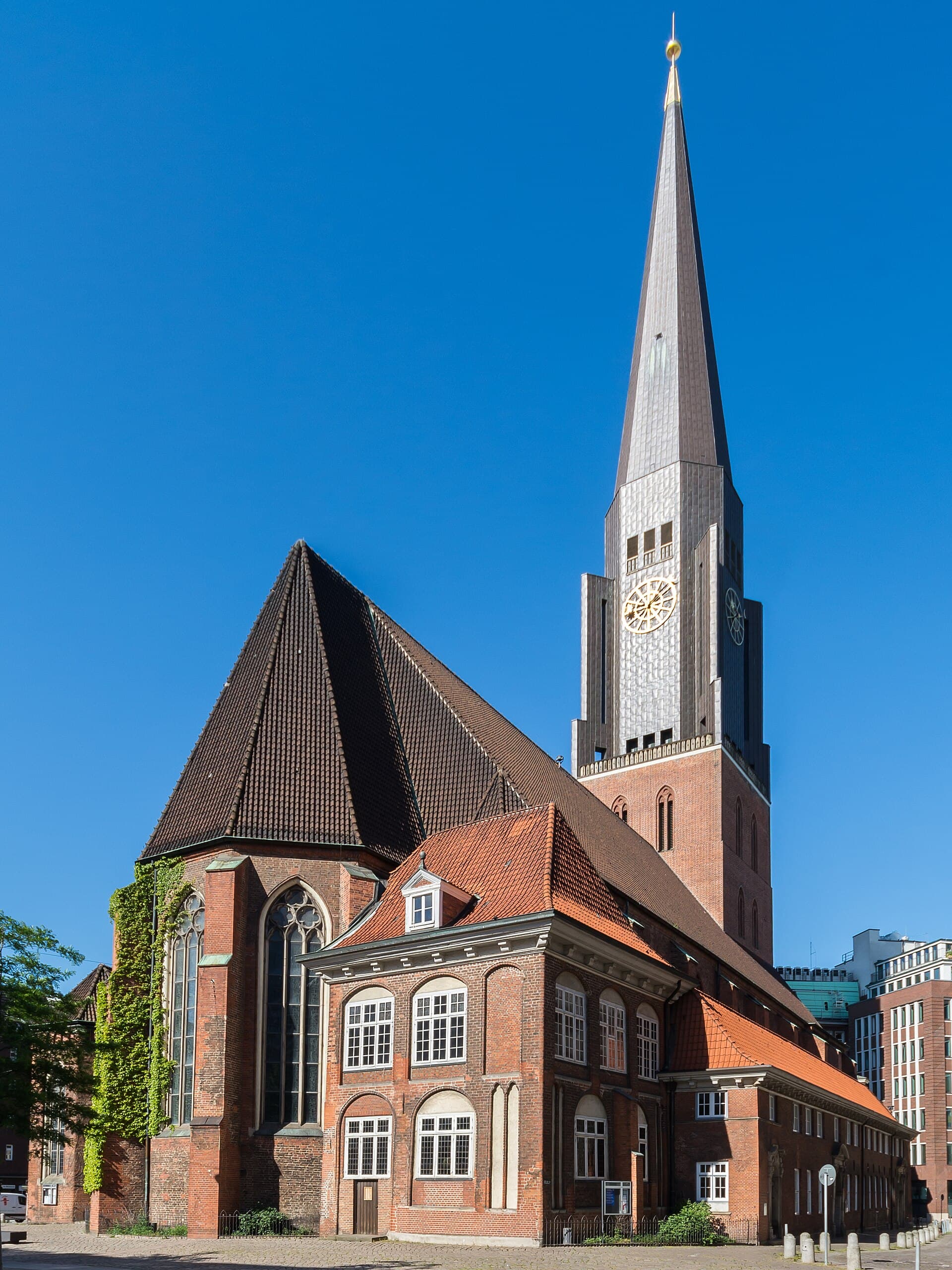 St James' ChurchSt James' is one of Hamburg's five principal churches, its origins reaching back15 minutes walk4.5
Because the city adopted the Reformation early, in the 1520s, and made it part of its identity as a free city, so public Catholic worship was prohibited inside the walls. Catholics went instead to neighbouring Danish-ruled Altona, where religious tolerance was broader — one of the reasons Altona flourished as a commercial rival to Hamburg.