
The reassembled rooms
Complete rooms with original furniture from different periods, walked through like moving between eras.
Daniel Mietchen — CC0 · UweRohwedder — CC BY-SA 4.0 · Flocci Nivis — CC BY 4.0 · Alchemist-hp (talk) — CC BY-SA 3.0
Hamburg's Museum für Kunst und Gewerbe is a museum of design and applied art, founded in 1877 on the idea that everyday things deserve display as much as paintings: furniture, vessels, textiles, posters and musical instruments. The collection is wide in both time and geography: from antiquity to contemporary design, and from Europe to East Asia and the Islamic world. There is a notable Japanese section and another on twentieth-century modern design. Among its best-known features are complete rooms reassembled with their original furniture from different periods, so you walk from hall to hall as though moving between eras. The museum is very close to the main station and makes a comfortable wet-day choice. Displays rotate regularly and the temporary exhibitions are usually strong.
Complete rooms with original furniture from different periods, walked through like moving between eras.
Japanese art and objects — among the museum's strongest and most distinctive holdings.
Twentieth-century furniture and objects showing how everyday things changed shape.
Steintorplatz, 20099 Hamburg
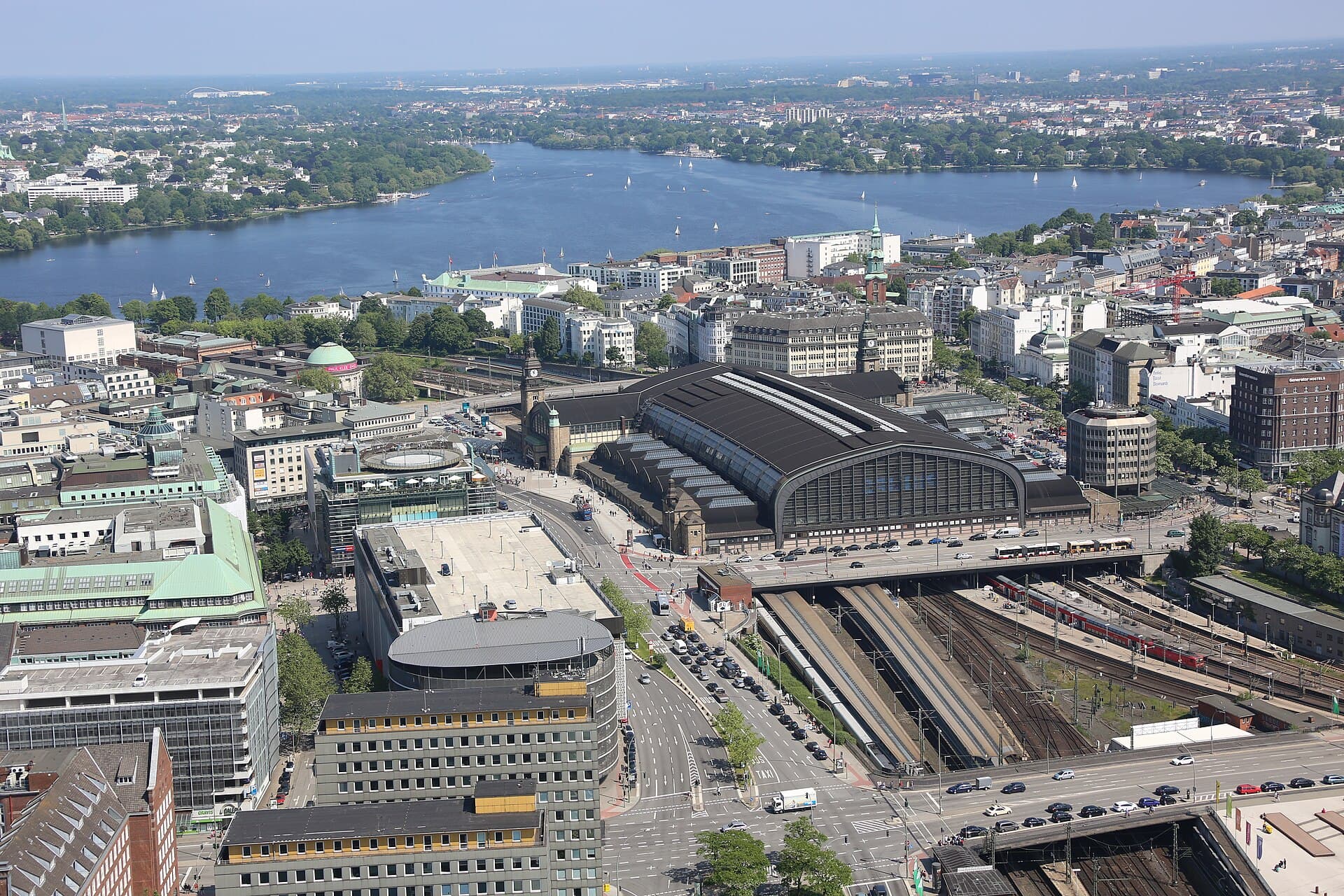
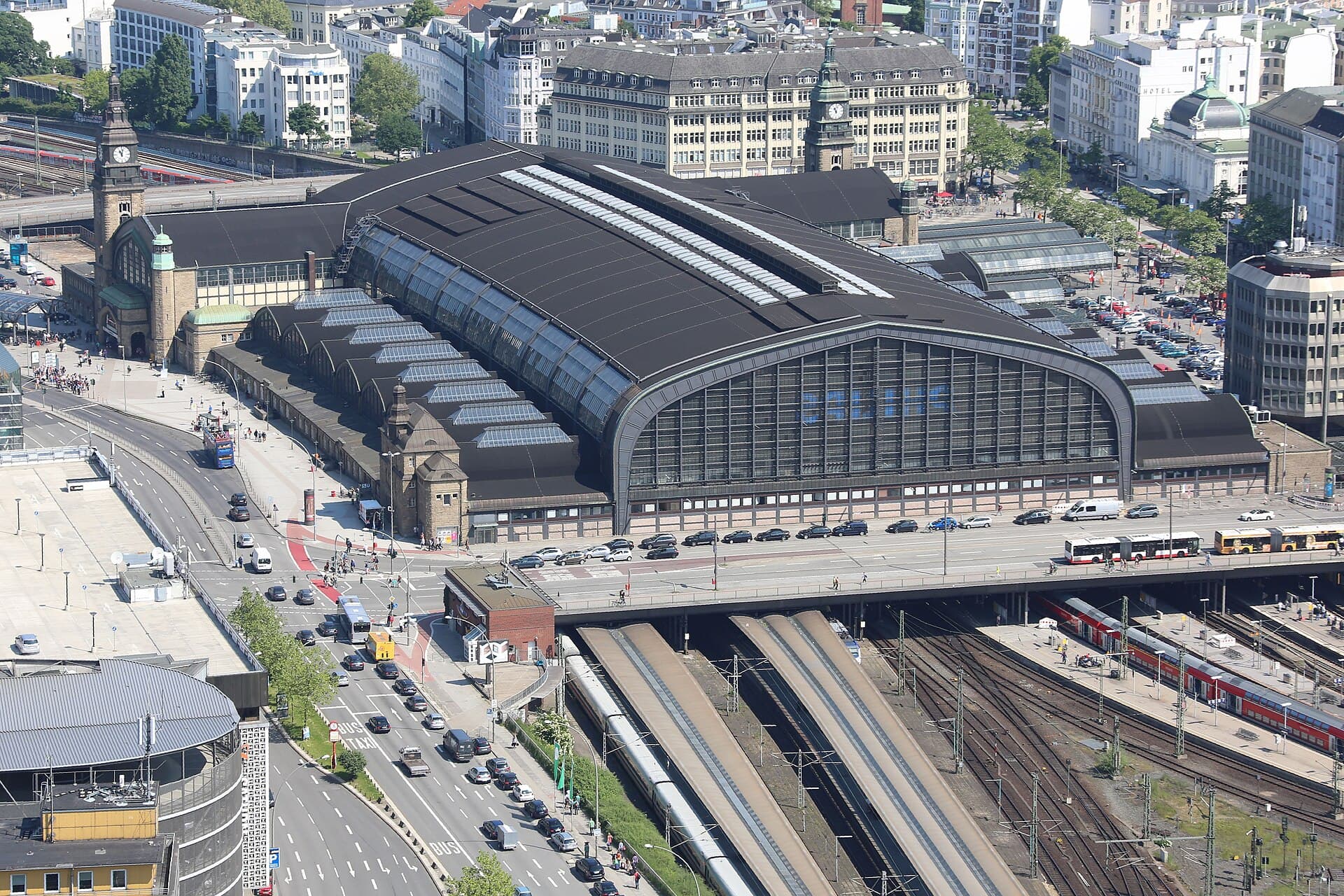 Hamburg Central StationHamburg's central station is the busiest railway station in Germany and the seco2 minutes walk3.8
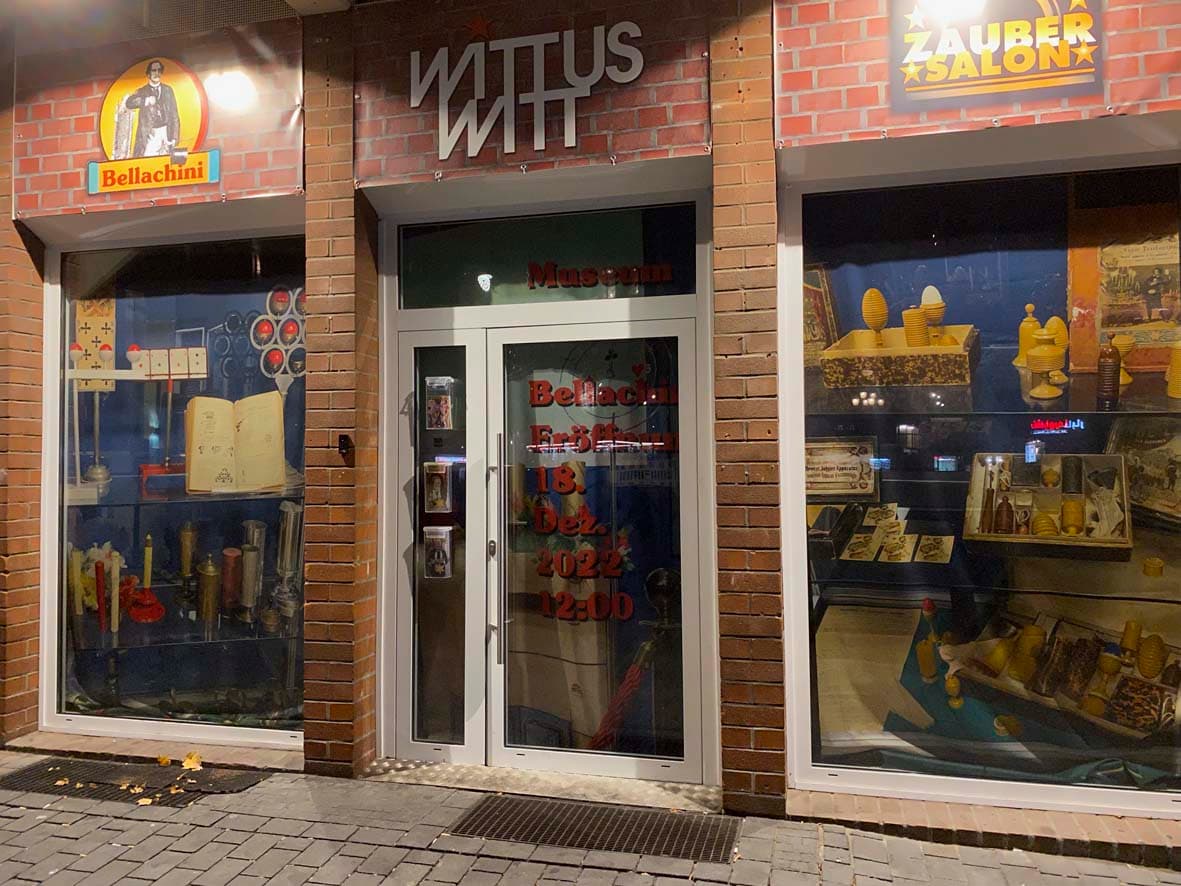 Zaubermuseum BellachiniA small museum of stage magic in Hamburg, named after Bellachini, a German magic4 minutes walk4.4
 Hamburger KunsthalleThe Kunsthalle is one of Germany's largest art museums, its collection spanning 5 minutes walk4.7
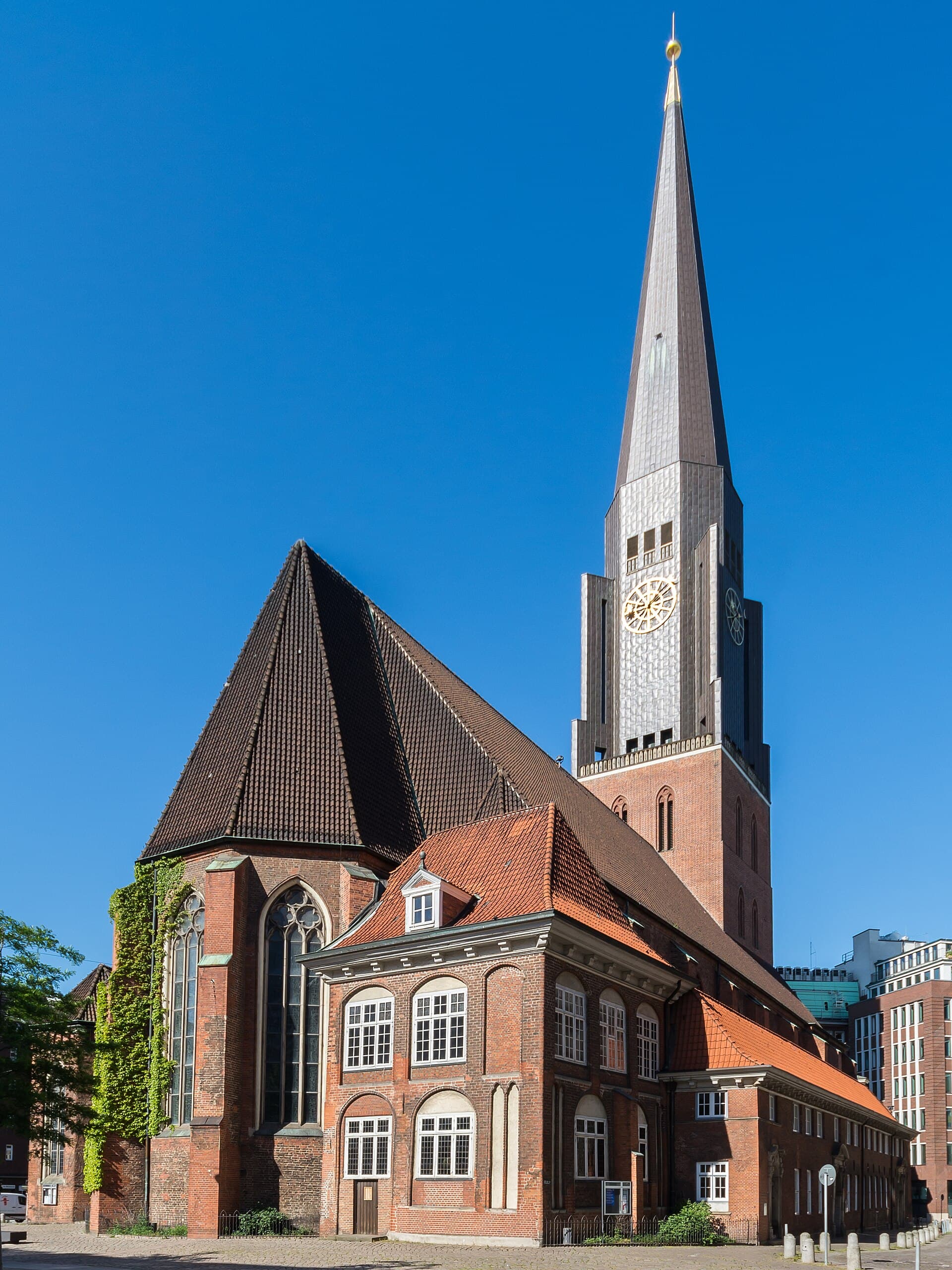 St James' ChurchSt James' is one of Hamburg's five principal churches, its origins reaching back7 minutes walk4.5
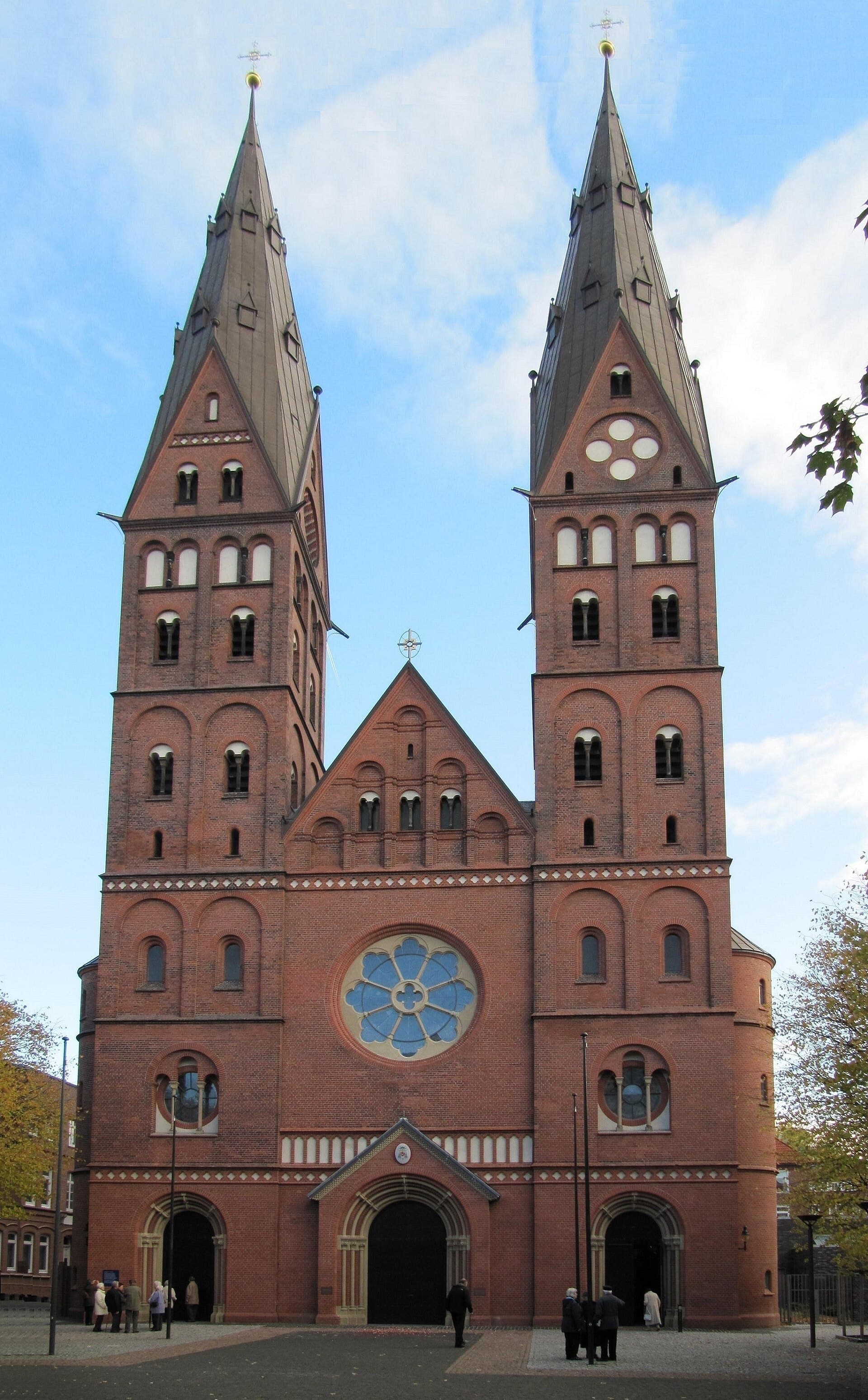 St Mary's CathedralSt Mary's is Hamburg's Catholic cathedral, and its story reflects the city's rel8 minutes walk4.7
This is a museum of objects rather than paintings: furniture, vessels, textiles, posters and design. That makes it more approachable for visitors who are not drawn to painting, because you are looking at things whose use you understand.
Middling to good. The reassembled rooms and musical instruments hold their attention, but the display is traditional and based on looking. Older children get more from it.