Families the size of states
Vast lands, private armies and foreign policy independent of the crown.
Adrian Grycuk — CC BY-SA 3.0 pl · Władysław Marconi — Public domain · PiotrMig — CC BY 4.0 · PiotrMig — CC BY 4.0
A nineteenth-century mausoleum near Wilanów Palace south of Warsaw, raised for the Potocki family, among the greatest aristocratic houses in Polish history. The Potockis are an example of a kind of power that has vanished entirely. In the Polish-Lithuanian Commonwealth a small number of noble families owned land the size of small countries, kept private armies, and elected the king — because the Polish monarchy was elective rather than hereditary. These families sometimes conducted foreign policy independently of the crown. That system is also among the reasons the state collapsed: the nobles' sweeping powers and the individual veto in parliament made governing nearly impossible, leaving the country open to foreign interference until it was partitioned. The mausoleum itself is a small, elegant neo-Gothic building in parkland, designed as a chapel. Practical points: free to see from outside on a walk in the Wilanów grounds; the interior is not normally visitable. Combine it with a visit to Wilanów Palace itself.
Vast lands, private armies and foreign policy independent of the crown.
One deputy could block parliament — which paralysed the state.
A small, elegant building in parkland, designed as a chapel.
Near Wilanów Palace, Warsaw
A rule in the Polish-Lithuanian Commonwealth's parliament allowing any single deputy to annul an entire session and all its resolutions by his objection alone. It arose as a guarantee against majority tyranny and ended in paralysis: whole sessions were voided, and foreign powers came to bribe deputies to use it. It is taught today as a classic example of how a minority protection becomes an instrument for disabling a state.
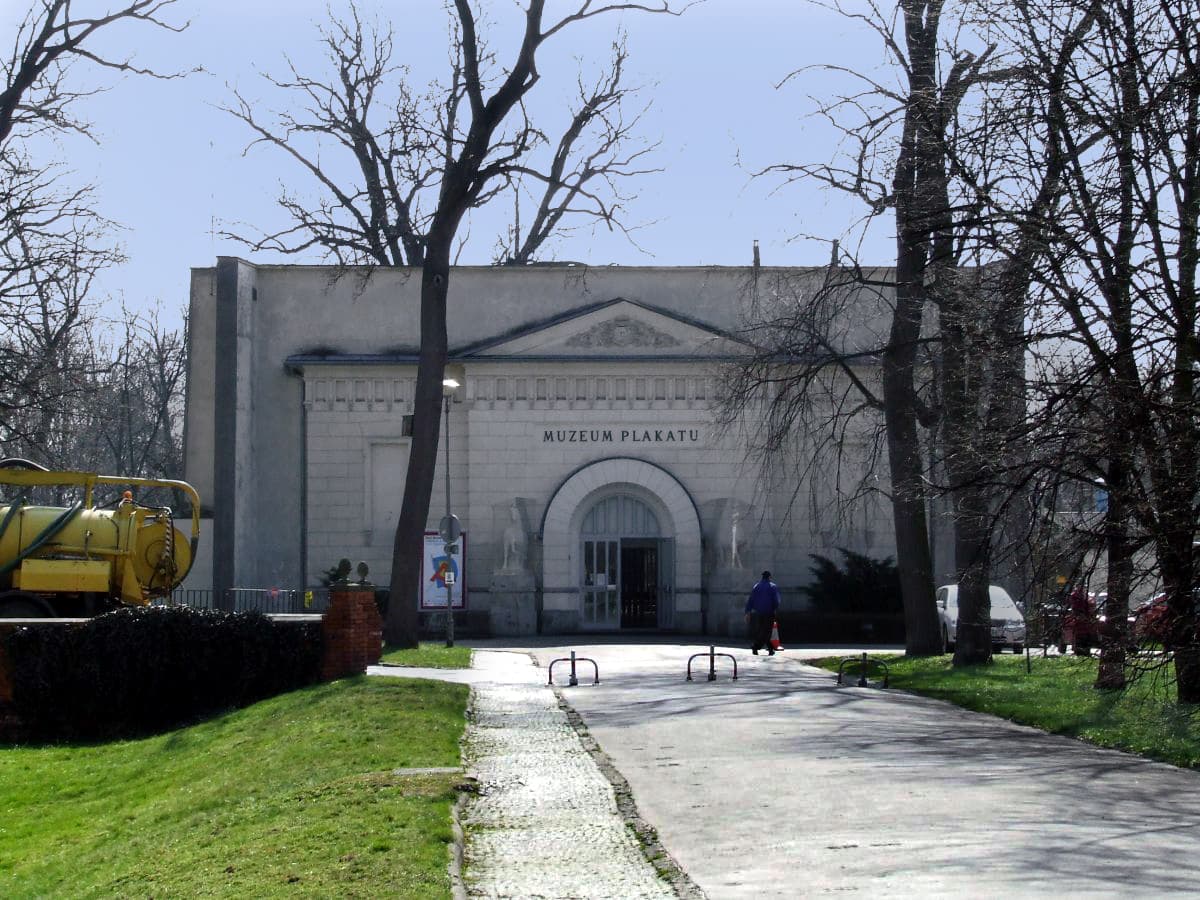
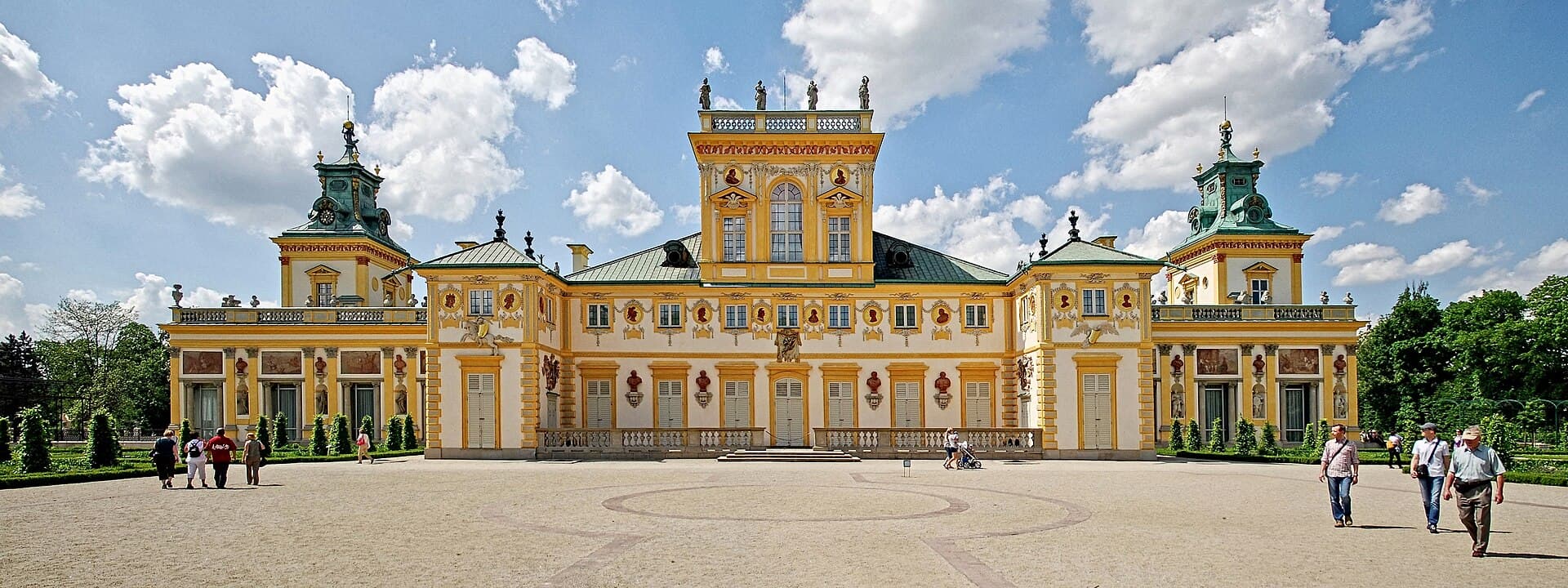
Wilanów Palace itself, a seventeenth-century Baroque residence that survived the destruction of the Second World War — rare in Warsaw, which was around eighty-five per cent destroyed. Its gardens are extensive, and the Polish Poster Museum is there too. Allow half a day for the whole area.