
The specimen hall
Hundreds of preparations behind glass.
dreizung — Public domain · Flocci Nivis — CC BY 4.0 · Anagoria — CC BY-SA 4.0 · Anagoria — CC BY-SA 4.0
The Museum of Medical History at the Charité hospital is built on a collection assembled by Rudolf Virchow, one of the founders of modern pathology, in the late nineteenth century. Virchow gathered thousands of diseased specimens for a teaching purpose: so that students would see illness in the tissue itself rather than in description. Its central specimen hall displays some seven hundred and fifty anatomical preparations preserved in fluid behind glass — organs, foetuses and bones showing diseases and congenital malformations. This is not an easy visit, and the museum says so plainly, posting a warning at the entrance and barring under-sixteens from parts of it. But the museum does not stop at display: a substantial section addresses medical ethics and the history of medicine's misuse, including the role of German doctors in forced sterilisation and medical killing under the Nazis — a direct confrontation with a past many medical museums avoid. The historic nineteenth-century hospital building is itself part of the experience.
Hundreds of preparations behind glass.
A direct confrontation with medicine's misuse.
Charitéplatz 1, 10117 Berlin
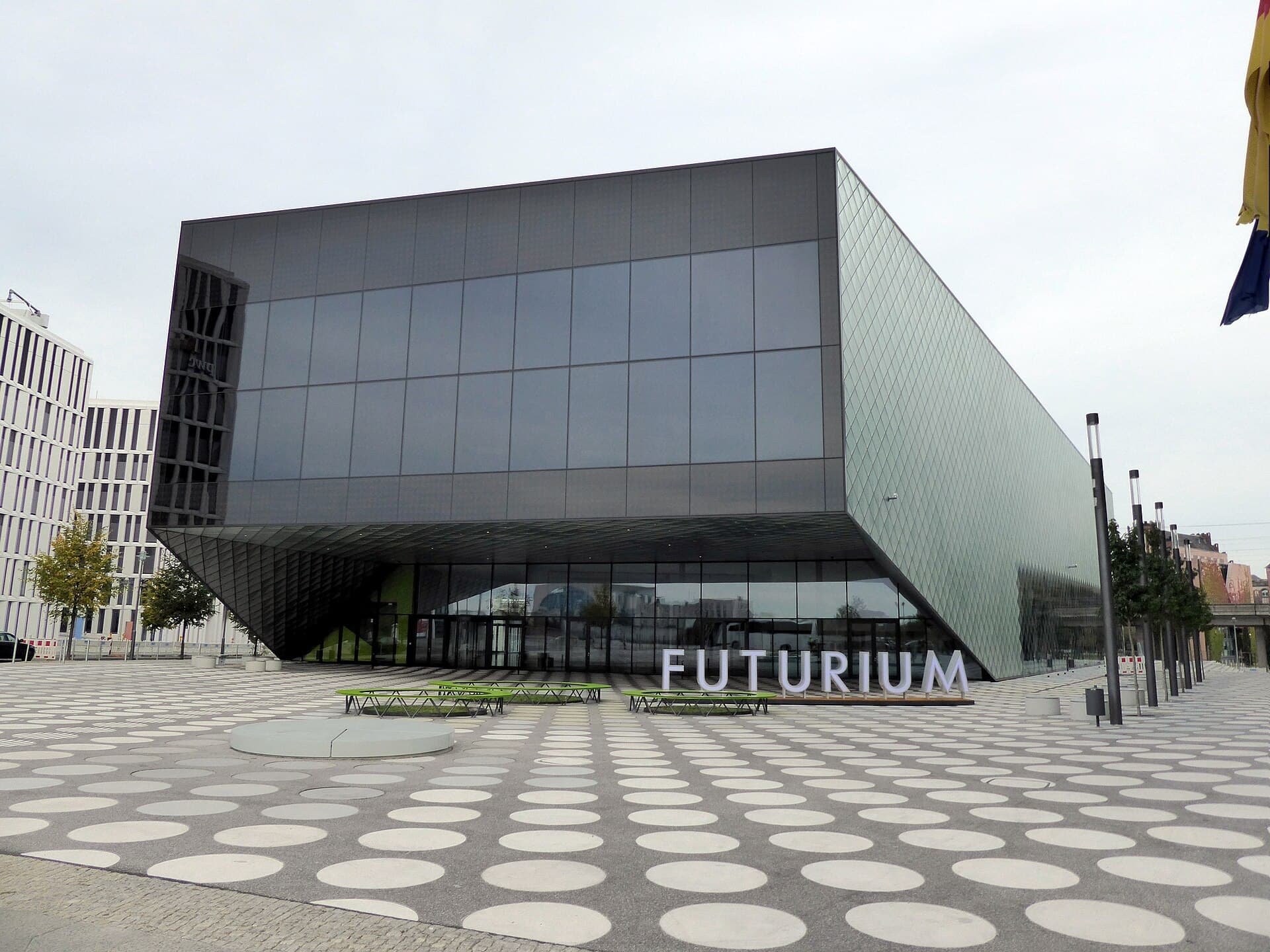 Futurium — House of FuturesThe Futurium is a museum of a single question: how do we want to live? No antiqu4 minutes walk4.5
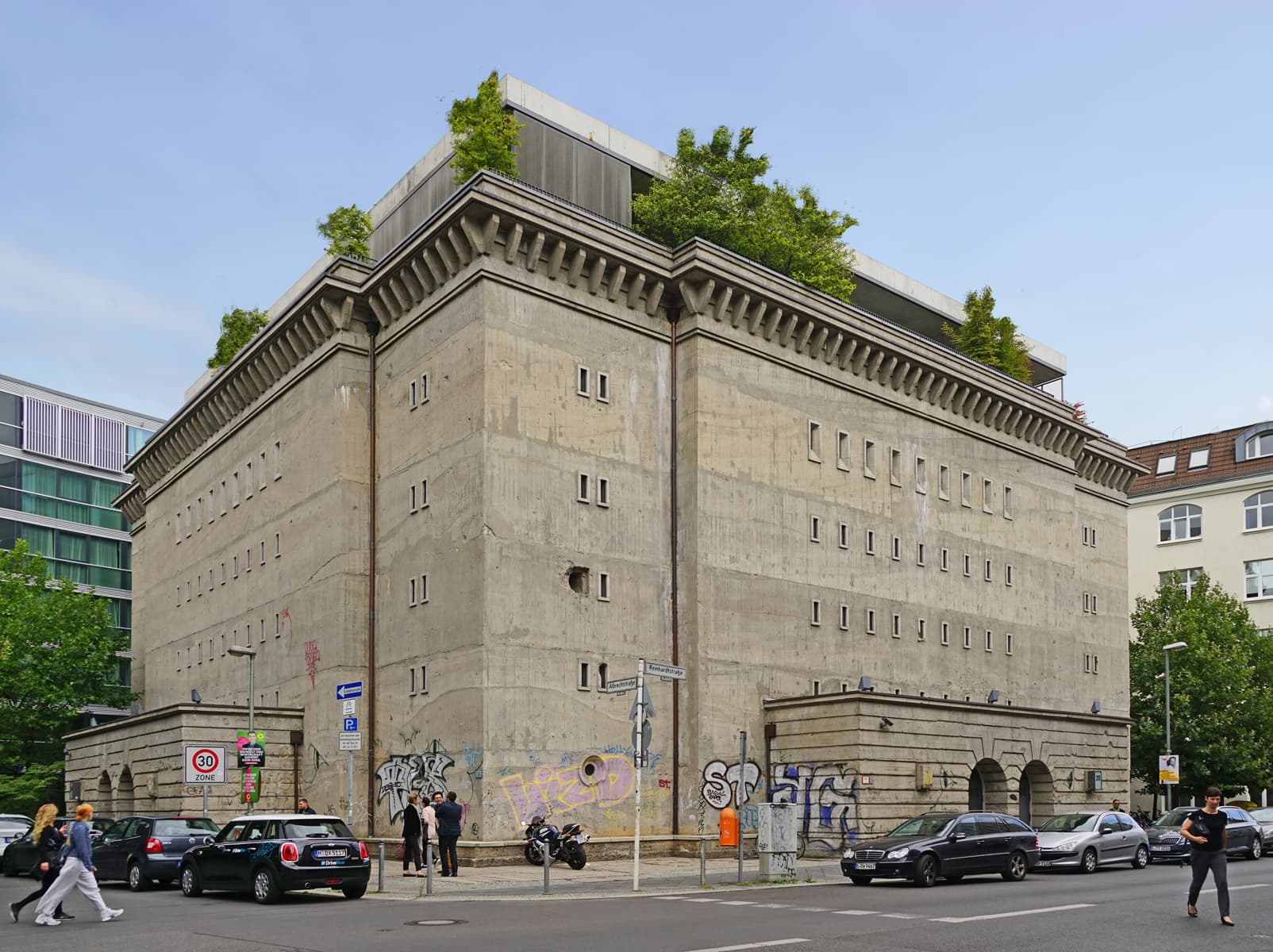 The Boros CollectionThe Boros Collection is contemporary art shown inside a Second World War concret4 minutes walk4.5
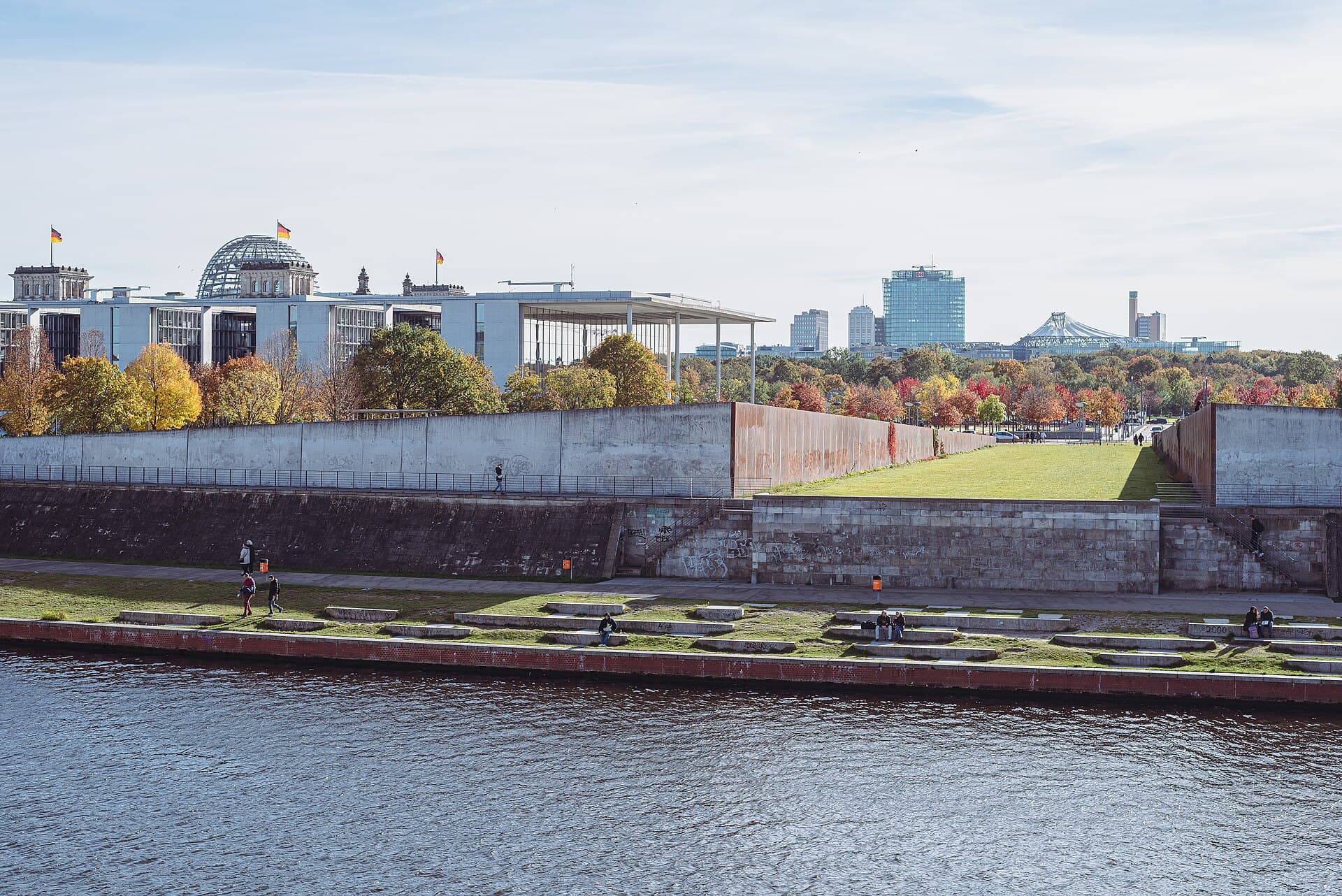 SpreebogenparkA public park on the bend of the Spree directly behind the Reichstag, in the hea6 minutes walk4.4
 Reichstag BuildingThe Reichstag is the seat of the German parliament and one of Berlin's most impo7 minutes walk4.8
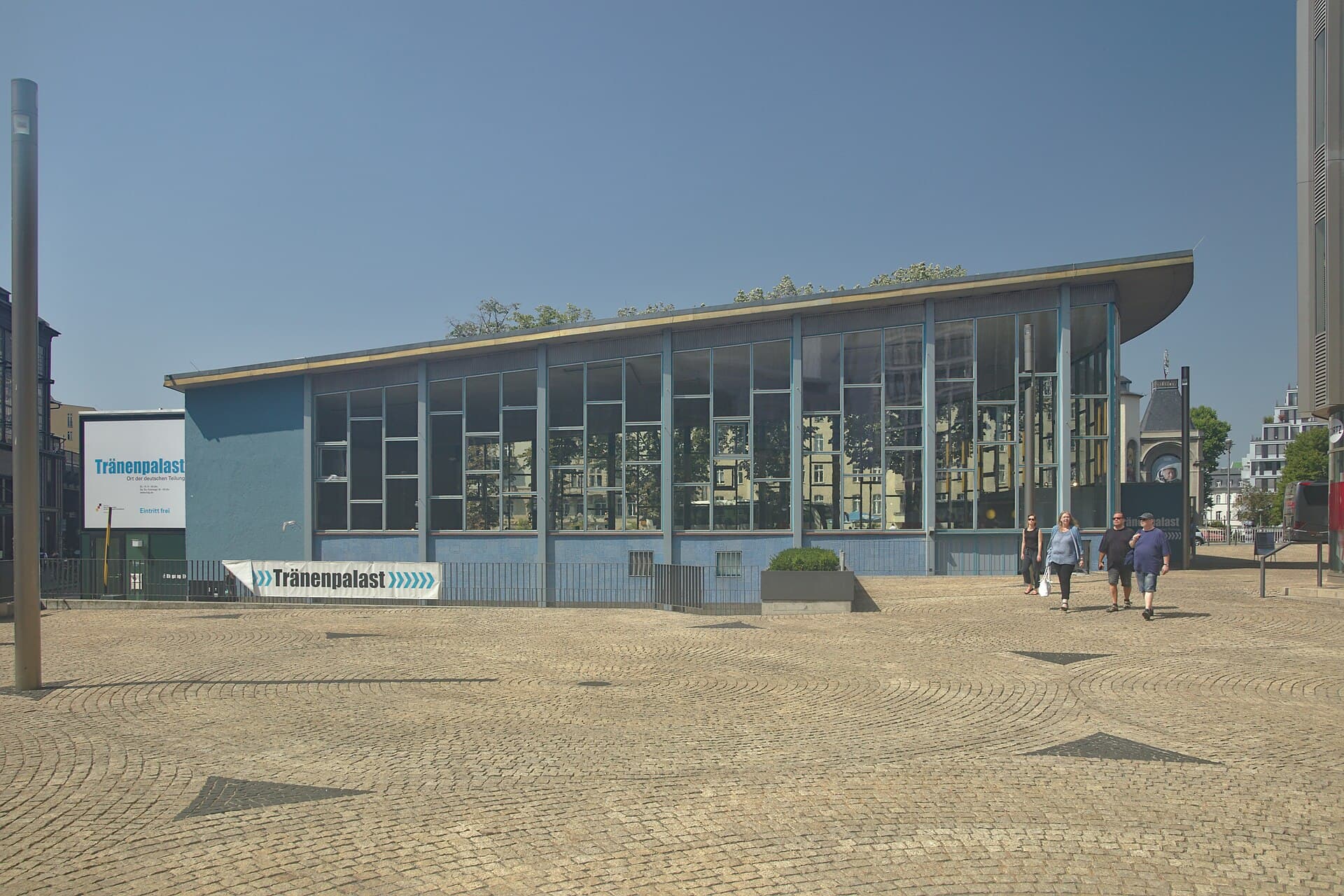 TränenpalastThe name means "Palace of Tears". It is a small glass and steel building beside 8 minutes walk4.5
For some people, yes. The exhibits are real human specimens including foetuses and diseased organs, and the museum posts a clear warning and restricts minors from the specimen hall. Anyone who finds that distressing can visit the historical and ethical sections and skip the central hall — the ticket is the same and the route is not compulsory.