
The passport booths
The original booths, still in place. Stand in front of one and imagine the wait.
Paul Korecky — CC BY-SA 2.0 · Paul Korecky — CC BY-SA 2.0 · Paul Korecky — CC BY-SA 2.0 · Paul Korecky — CC BY-SA 2.0
The name means "Palace of Tears". It is a small glass and steel building beside Friedrichstraße station. This was a border crossing point: the place where East Berliners said goodbye to visitors going back to the West. The farewells happened at the door, which is how it got its name. Inside is much as it was. You will see the original passport booths, the checking barriers, and the suitcases the guards searched. The exhibition explains how crossing worked — who was allowed through, what they were asked, and how long the wait was. Entry is free. The visit is short, about an hour, but it is one of the clearest explanations of what division meant in ordinary daily life. It sits right in the city centre, so it is easy to add to your day.
The original booths, still in place. Stand in front of one and imagine the wait.
Real objects taken from travellers by the guards, each with its story.
Short clips of people describing their own crossings. The strongest part of the exhibition.
Reichstagufer 17, 10117 Berlin
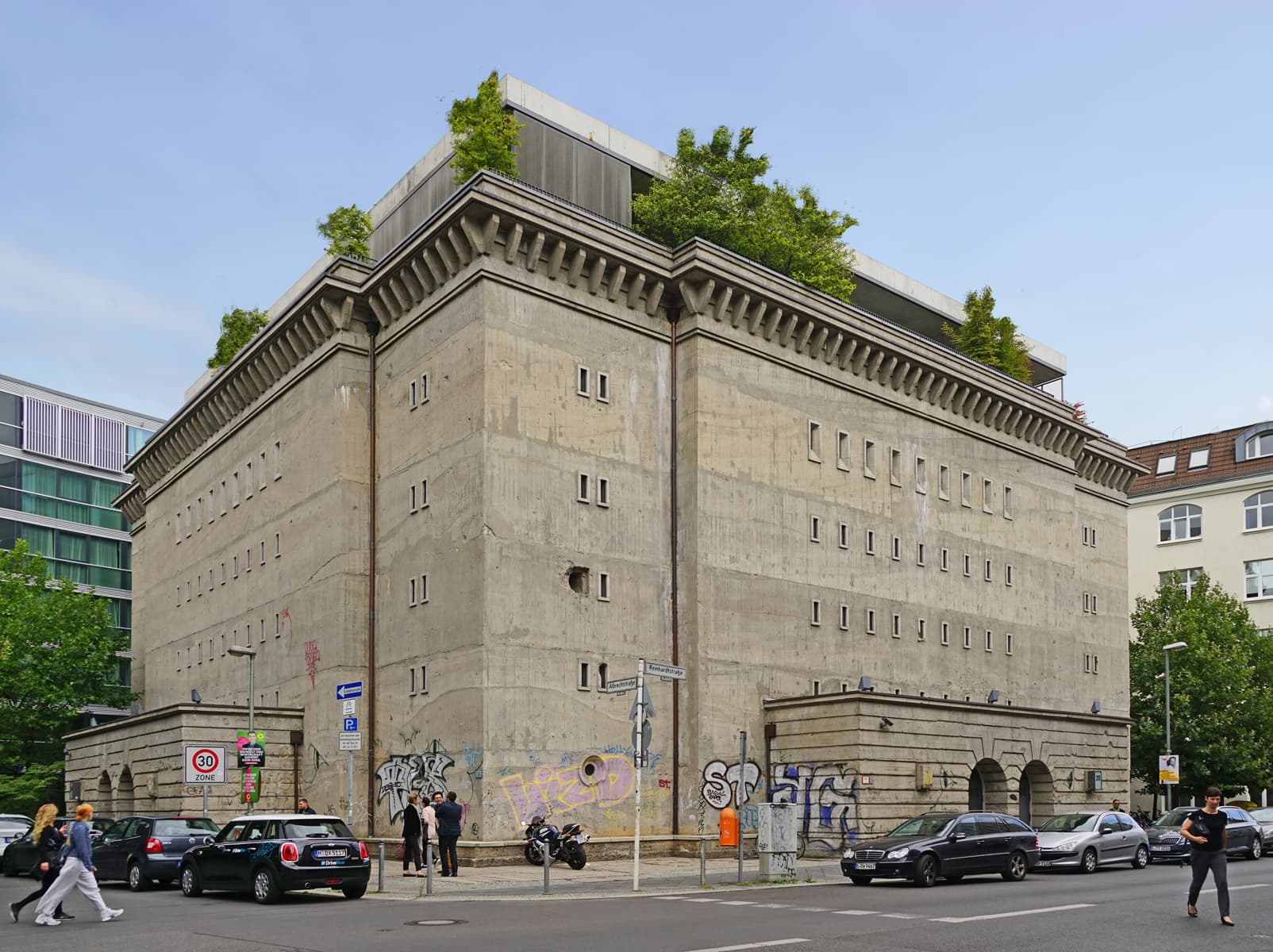 The Boros CollectionThe Boros Collection is contemporary art shown inside a Second World War concret5 minutes walk4.5
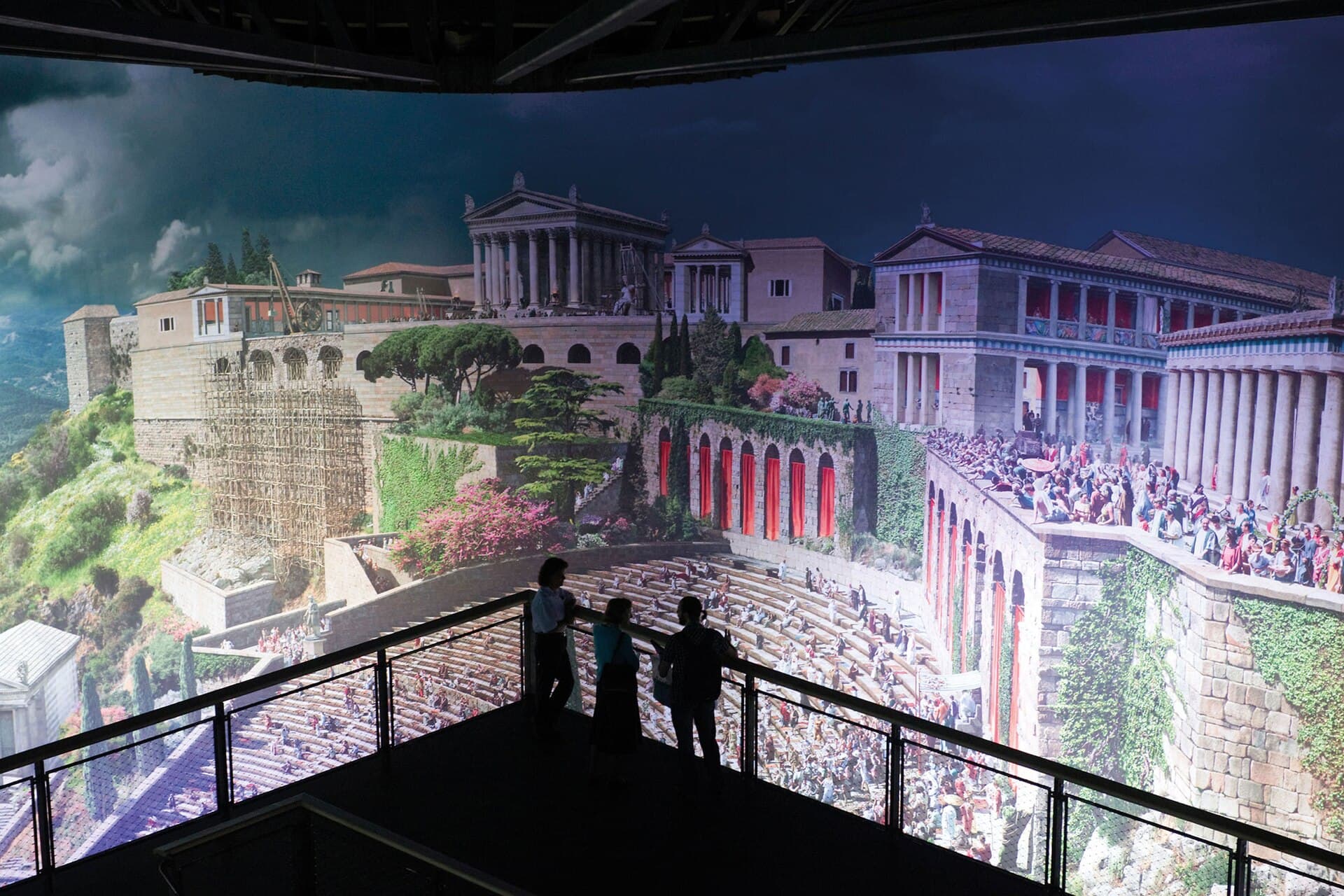 Pergamonmuseum. Das PanoramaThe Pergamon Museum — Berlin's most famous, with its Great Altar and Ishtar Gate5 minutes walk4.6
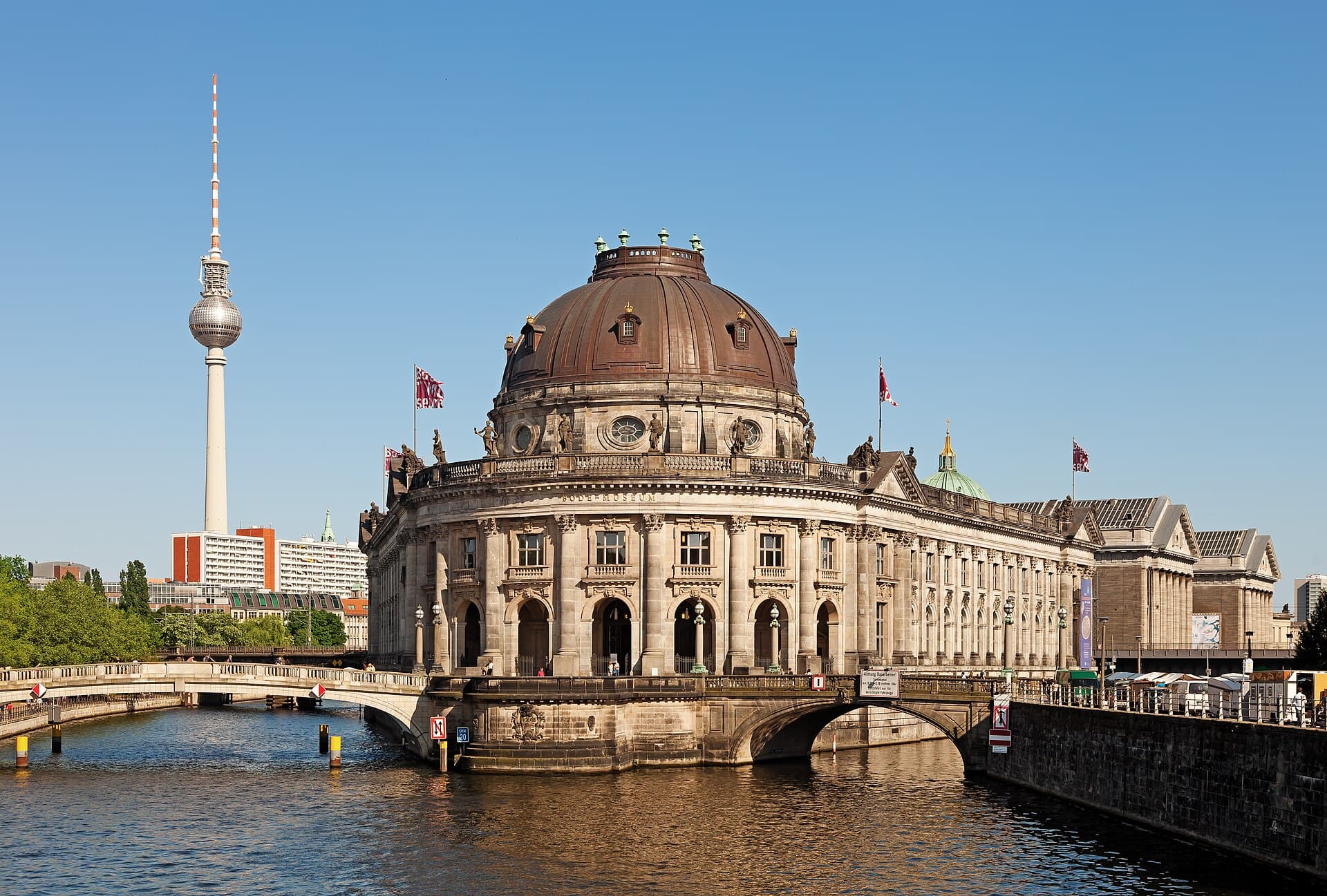 Bode MuseumThe Bode Museum stands at the northern tip of Museum Island where the two arms o7 minutes walk4.4
 Fotografiska BerlinFotografiska Berlin is the German branch of the Swedish contemporary photography7 minutes walk4.5
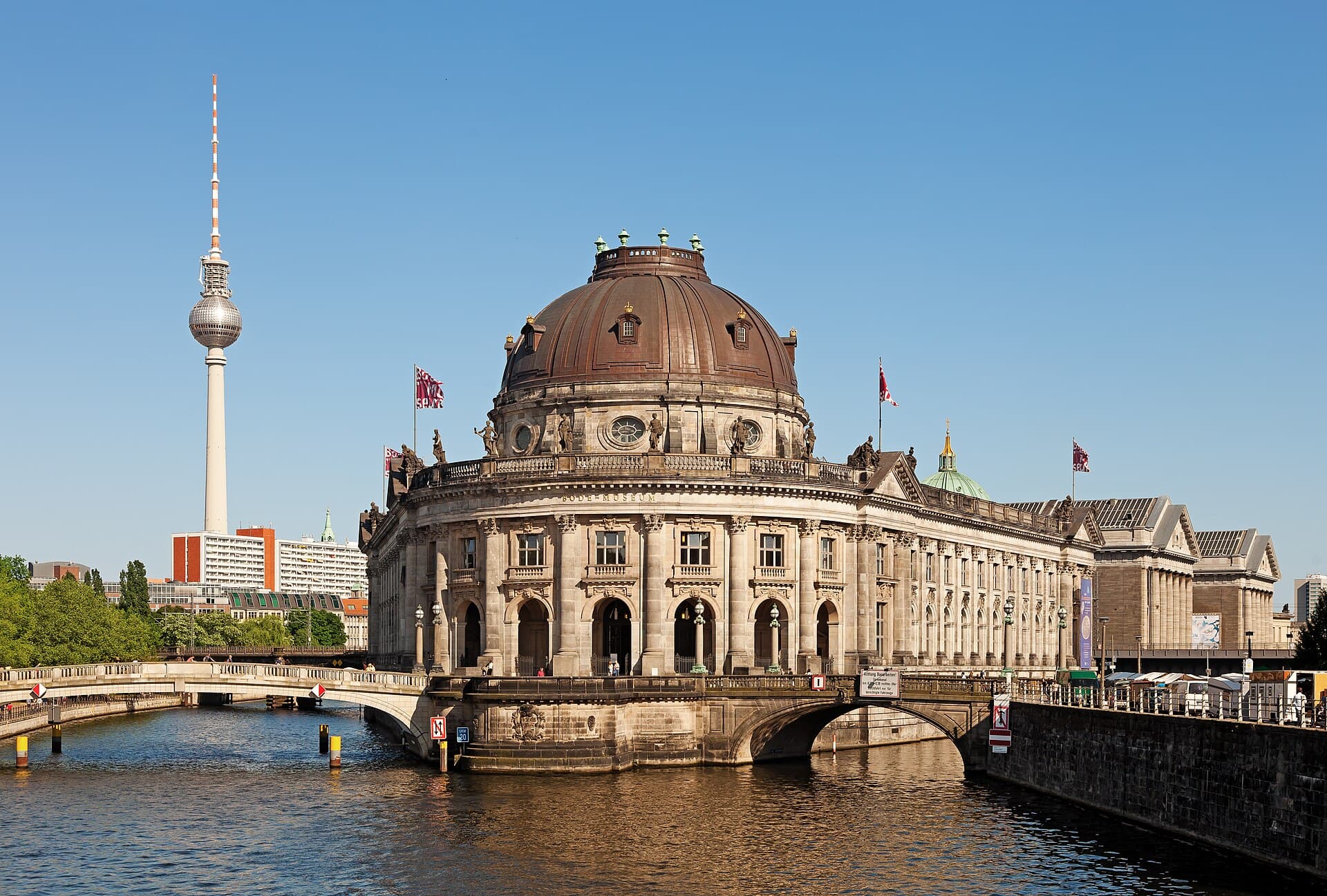 Museum IslandMuseum Island is a small island in the river Spree in central Berlin carrying fi7 minutes walk4.9
Because the goodbyes happened here. East Berliners were not allowed to travel west, so the western visitor left alone. People cried at the door, and Berliners gave the building that name.
The memorial explains the border itself — walls, towers, the empty strip. This explains the human experience: how crossing worked and how it felt. They complement each other, and both are free.
Usually not. Panels are in German and English, and some films carry English subtitles. Much of the display makes sense visually in any case.