
The New Sacristy
Michelangelo as architect and sculptor in one space, his alone.
No machine-readable author provided. Richardfabi~commonswiki assumed (based on copyright claims). — Public domain · Francesco Bini — CC BY-SA 4.0 · Francesco Bini — CC BY-SA 4.0 · C1815 — CC0
The Medici Chapels are the mausoleum of the dynasty that made Florence: behind San Lorenzo lie some fifty Medici in two buildings utterly unlike each other — each breathtaking in its own way. First the Chapel of the Princes: a colossal octagon sheathed entirely in hard coloured marble and semi-precious stone — a dark, unsmiling opulence that consumed two centuries of family fortune, closer to a pharaoh's tomb than a church. Then Michelangelo's New Sacristy: architecture and sculpture from one hand, with his four immortal figures — Dawn and Dusk, Night and Day — reclining on two facing tombs, among the deepest things he ever made. And in a hidden room beneath, charcoal drawings cover the walls, most attributed to Michelangelo from his weeks hiding here from a Pope's anger — visited by limited special booking.
Michelangelo as architect and sculptor in one space, his alone.
Four bodies of time itself — his contemplative summit.
The hard-stone octagon — a dynasty's whole opulence in one hall.
Piazza di Madonna degli Aldobrandini 6, 50123 Florence
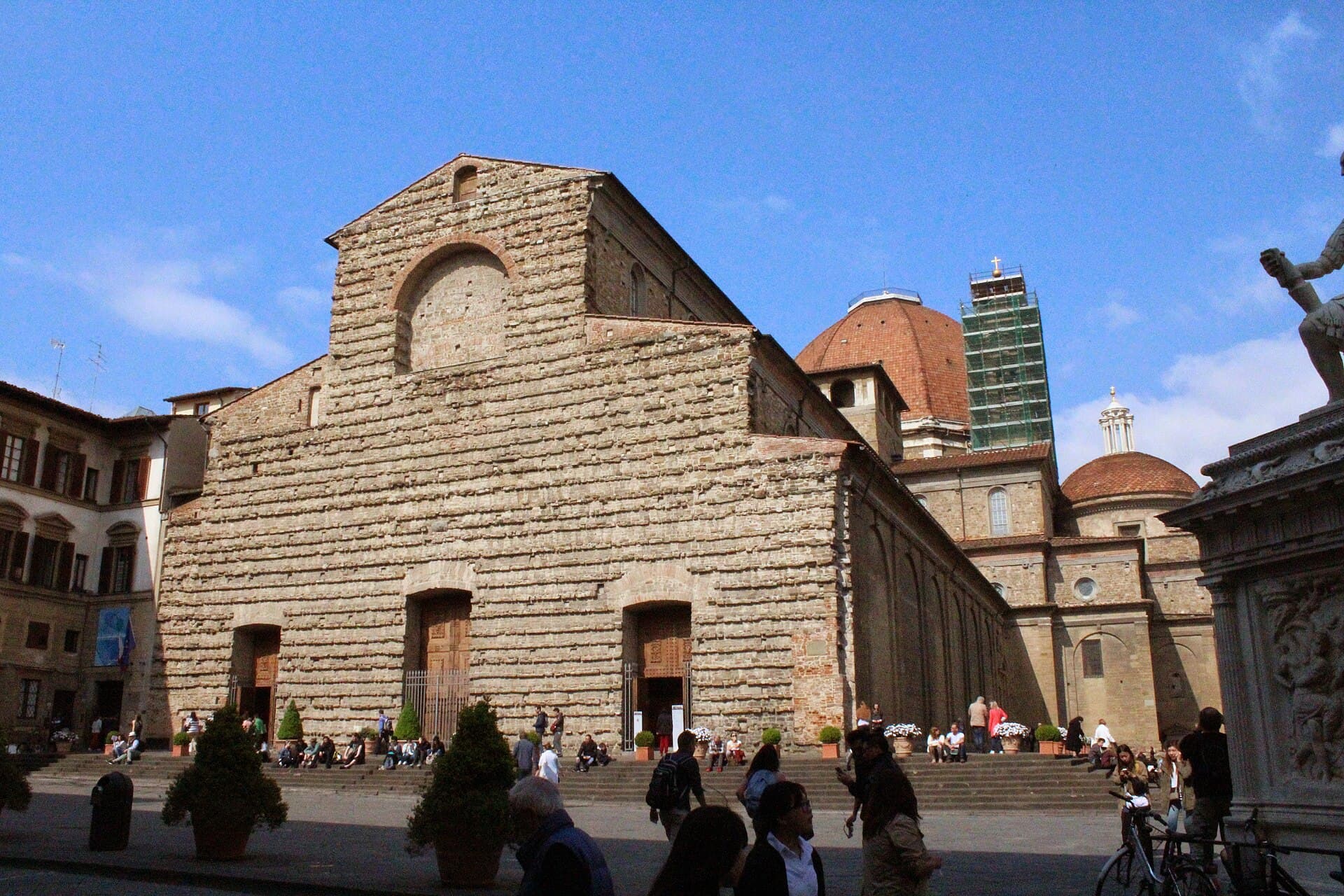 Basilica di San LorenzoSan Lorenzo is the Medici church: their parish, entrusted to Brunelleschi himsel1 minute walk4.7
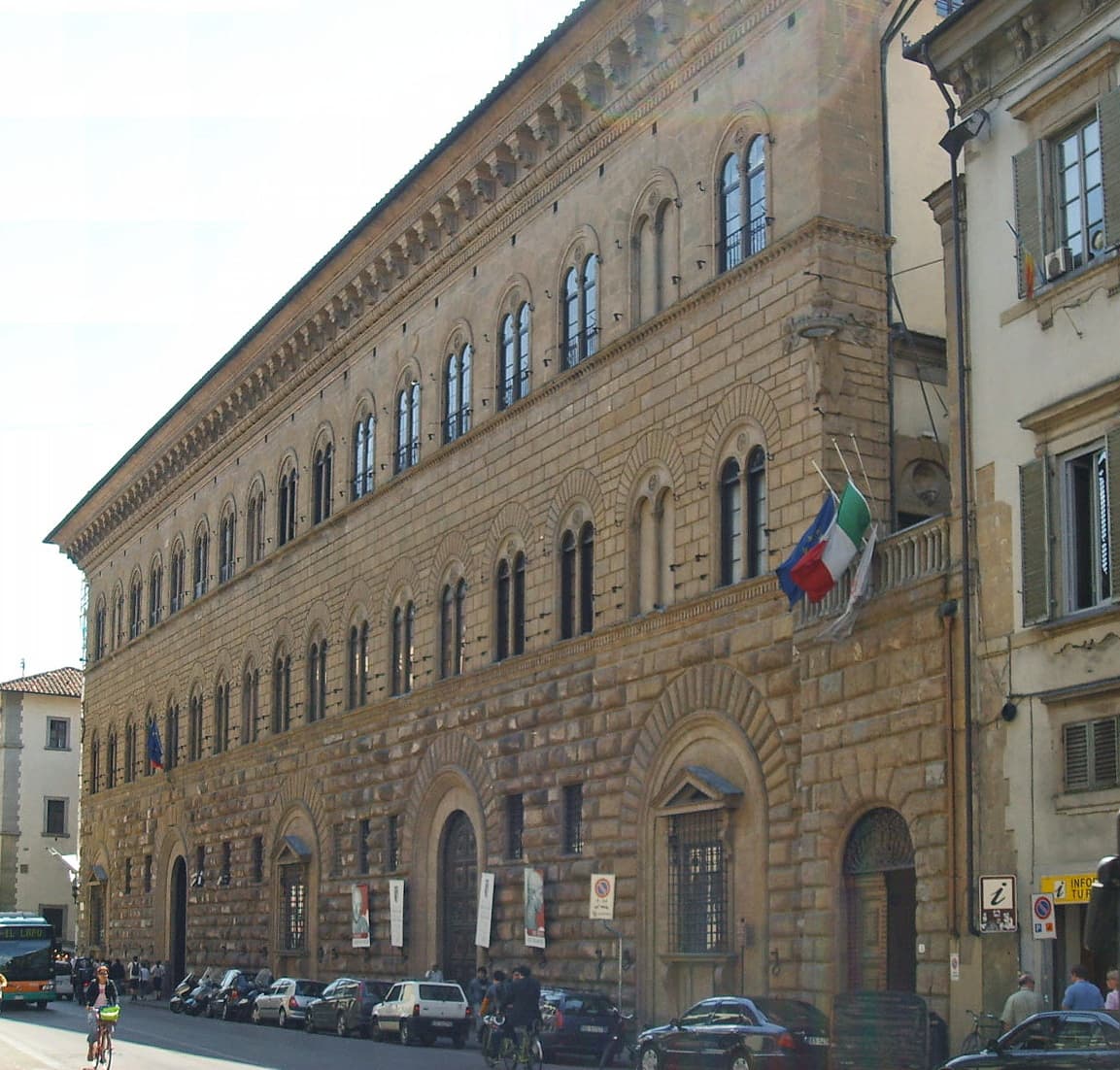 Palazzo Medici RiccardiThis is the first Medici palace — the house that invented the Florentine palazzo3 minutes walk4.6
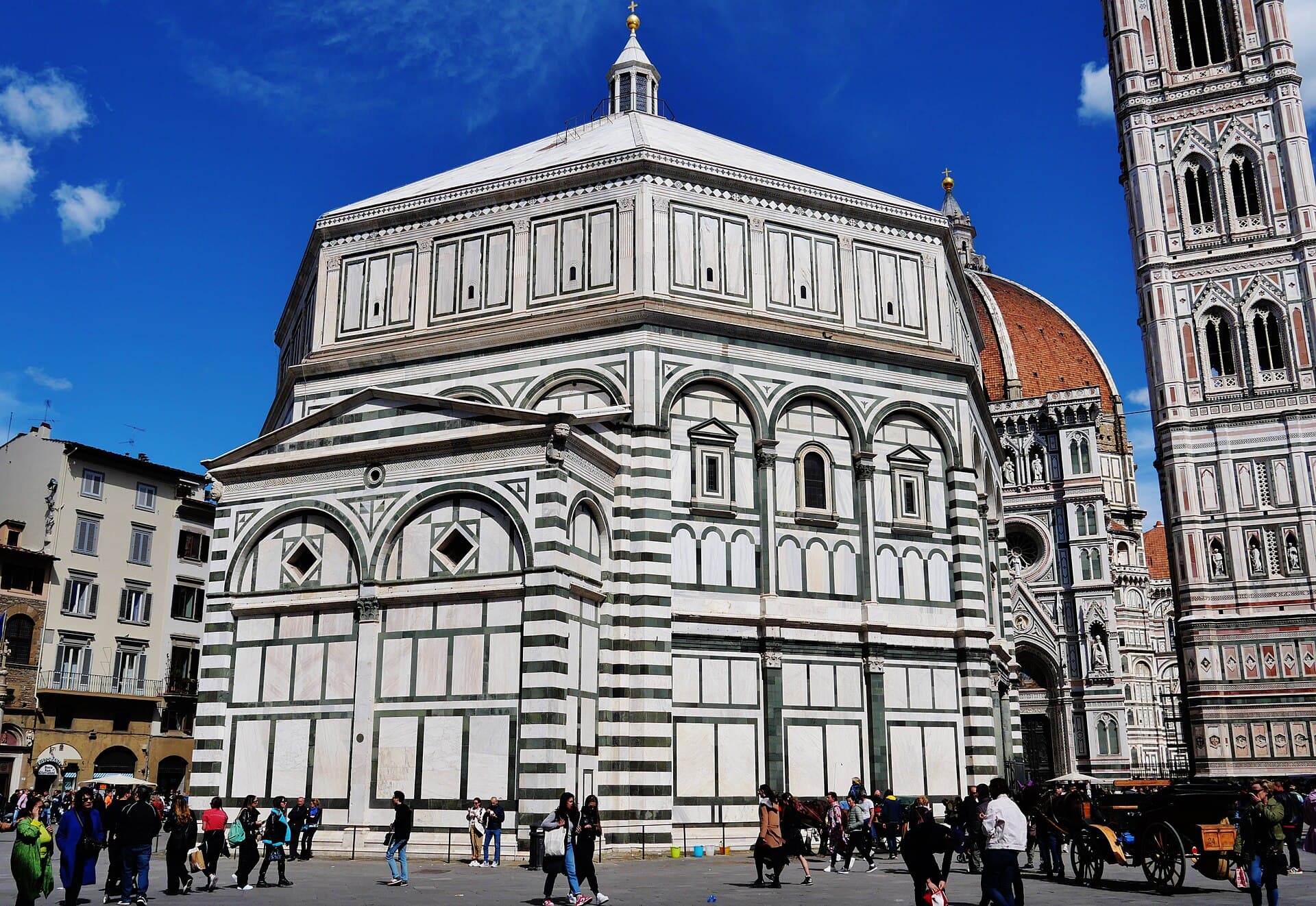 Florence BaptisteryThe Baptistery is the square's oldest building and the one Florentines hold holi4 minutes walk4.5
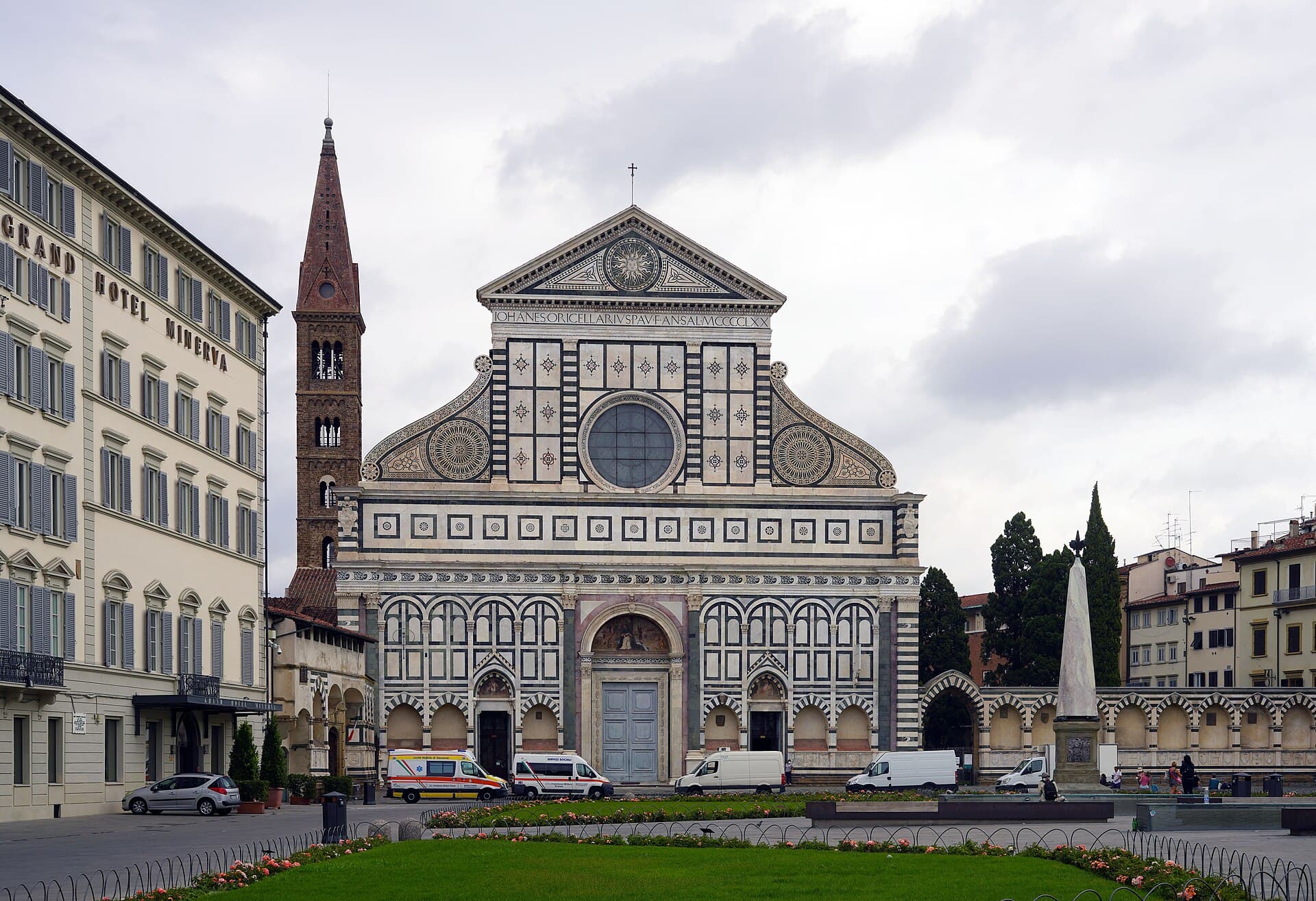 Santa Maria NovellaSanta Maria Novella is your first sight of Florence — facing its main station — 4 minutes walk4.6
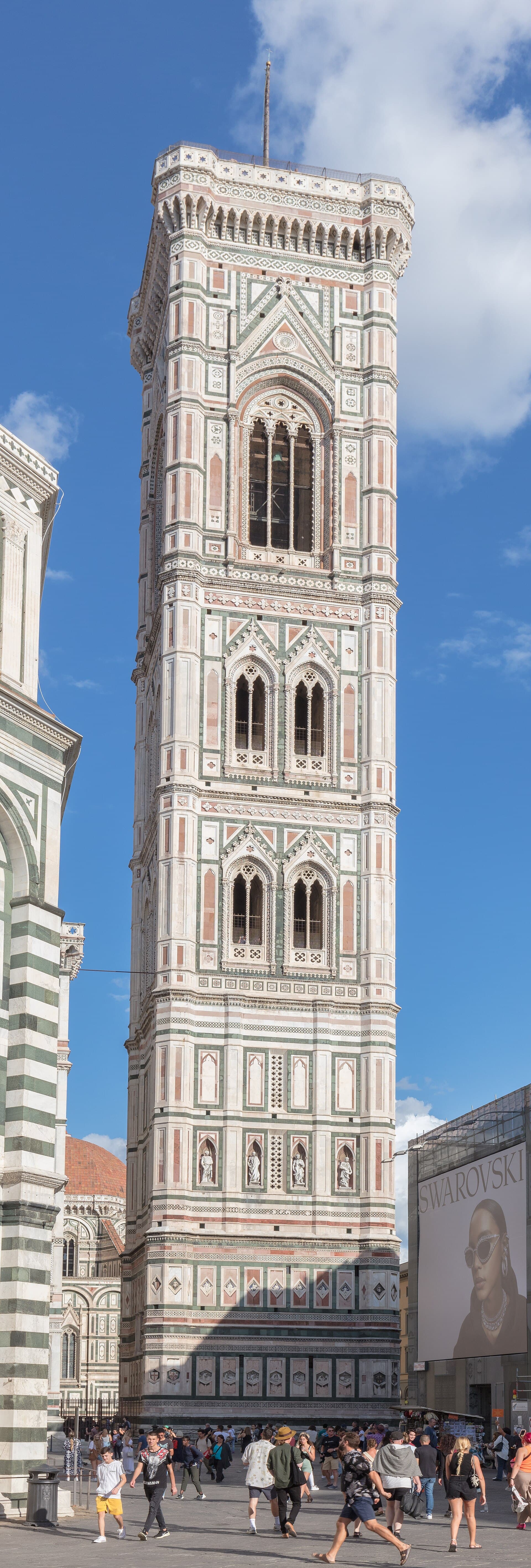 Giotto's CampanileGiotto's Campanile is the cathedral's freestanding bell tower: some eighty-five 4 minutes walk4.9
In 1530 the Medici Pope turned on rebel Florence, whose defences Michelangelo had helped lead — so he hid for weeks in this chamber beneath his own patrons' tombs, drawing in charcoal on its walls. Found in 1975 and kept near-closed, entering it is among Florence's rarest experiences.
David is his triumphant youth; here is his brooding maturity — tombs and bodies of time, not heroes — in a space wholly his design, the complete artist rather than the sculptor alone. Those moved by David seeking the next depth come here.
Forty-five minutes: a third for the Princes' opulence, two for the Sacristy's silence. Crowds run far below the Accademia's — Florence's quiet Michelangelo.