
Brunelleschi's nave
The first complete Renaissance space — geometry as light and calm.
Nelson Pérez — CC BY-SA 3.0 · Alvesgaspar — CC BY-SA 4.0 · DellaGherardesca — CC BY 4.0 · Óðinn — CC BY-SA 2.5 ca
San Lorenzo is the Medici church: their parish, entrusted to Brunelleschi himself, who produced in it the first model of Renaissance architecture — a nave of grey and white in calm mathematical proportion, light and reason after the shadowed Gothic centuries. The "Florentine manner" Europe would copy was born here. Its façade remains raw brick to this day — Michelangelo designed one that was never built, and the roughness became the famous irony: Europe's richest family left their church's face bare. Inside are two bronze pulpits, Donatello's last works — he lies in the crypt near his friend Cosimo de' Medici, "father of the nation". From the same complex opens the Laurentian Library, Michelangelo's, with its celebrated staircase pouring down like lava.
The first complete Renaissance space — geometry as light and calm.
The master's final touch — late bronze, daring in composition.
Raw brick where Michelangelo's unbuilt front should stand.
Piazza di San Lorenzo 9, 50123 Florence
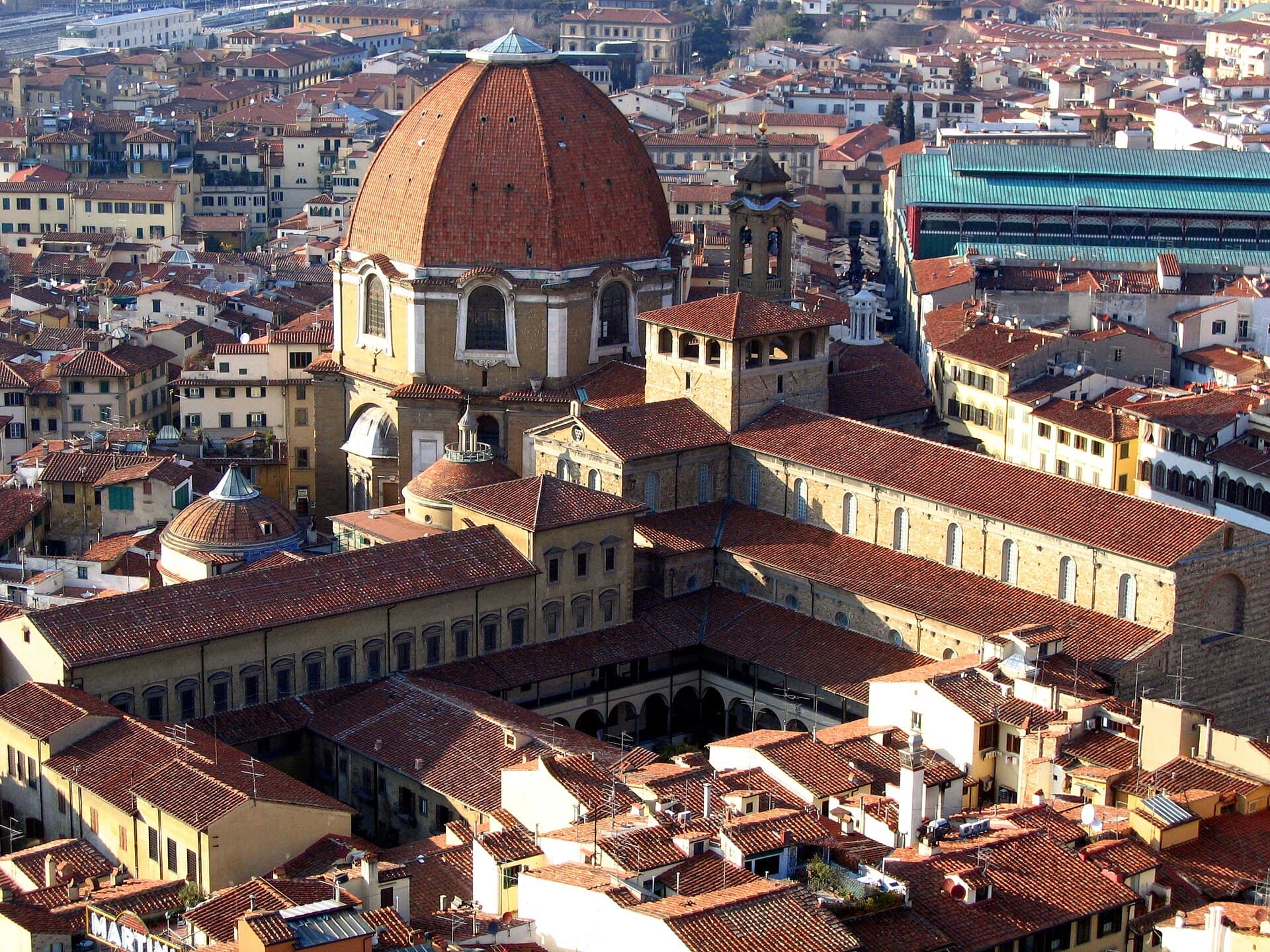 Medici ChapelsThe Medici Chapels are the mausoleum of the dynasty that made Florence: behind S1 minute walk4.6
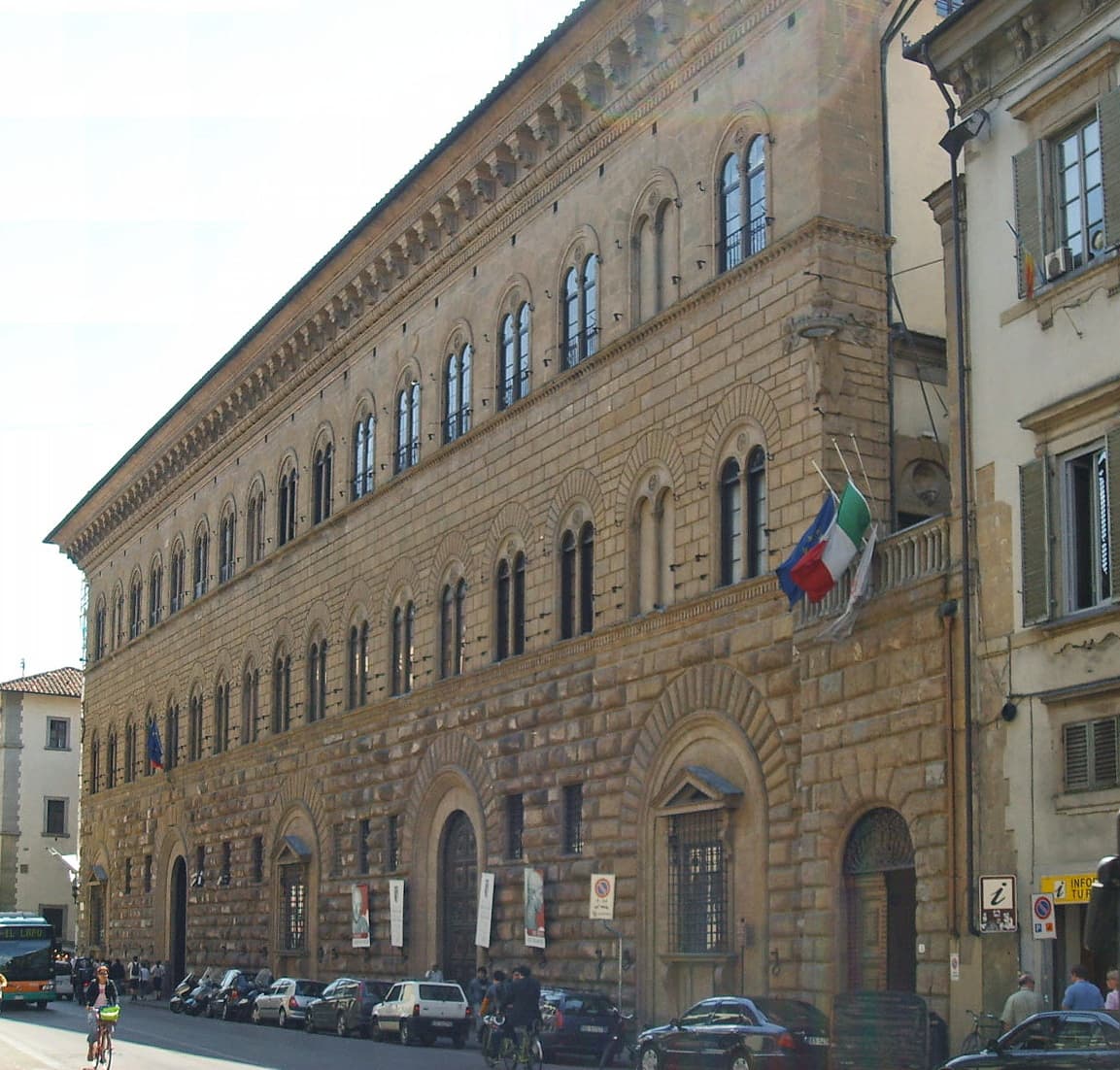 Palazzo Medici RiccardiThis is the first Medici palace — the house that invented the Florentine palazzo2 minutes walk4.6
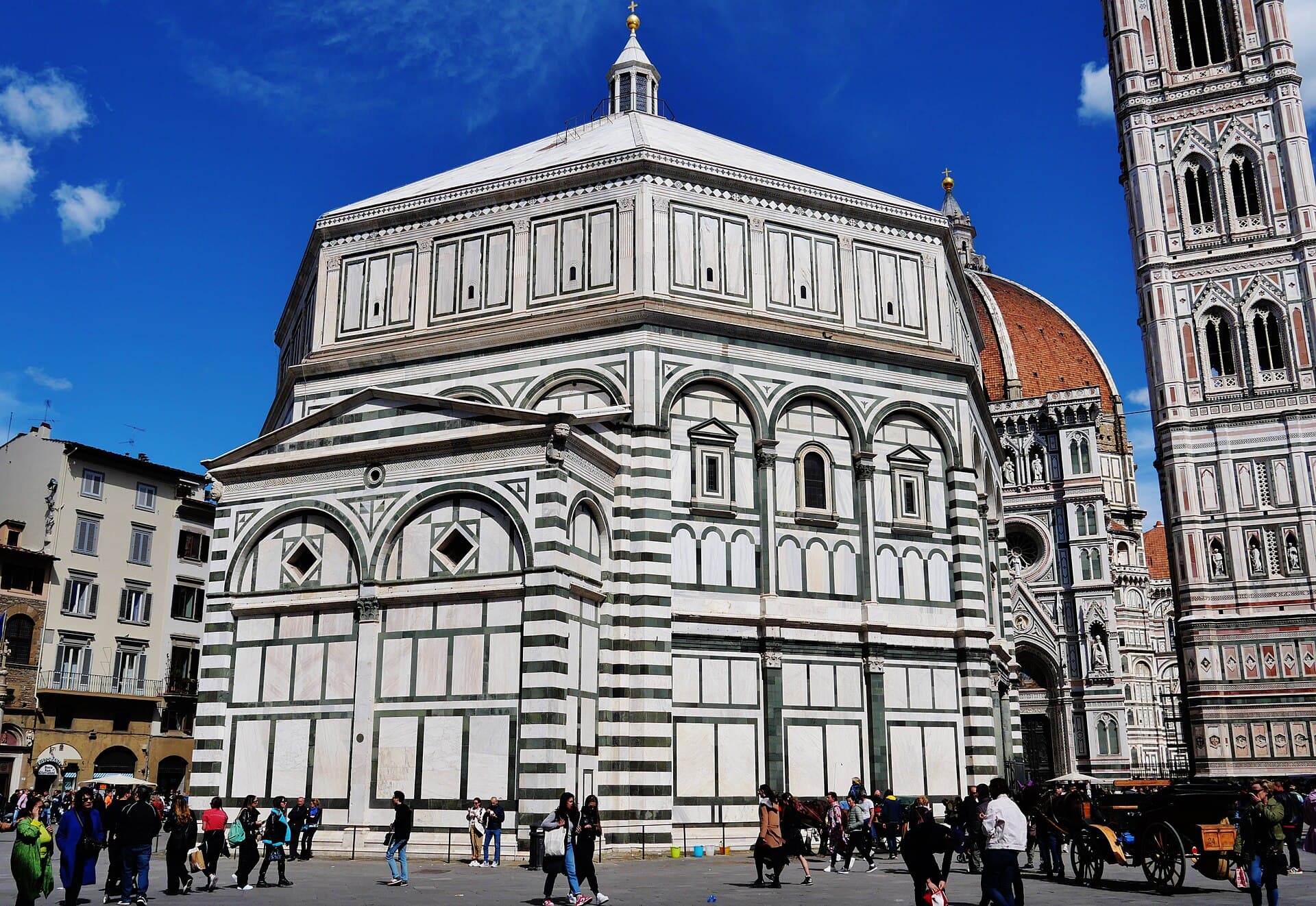 Florence BaptisteryThe Baptistery is the square's oldest building and the one Florentines hold holi3 minutes walk4.5
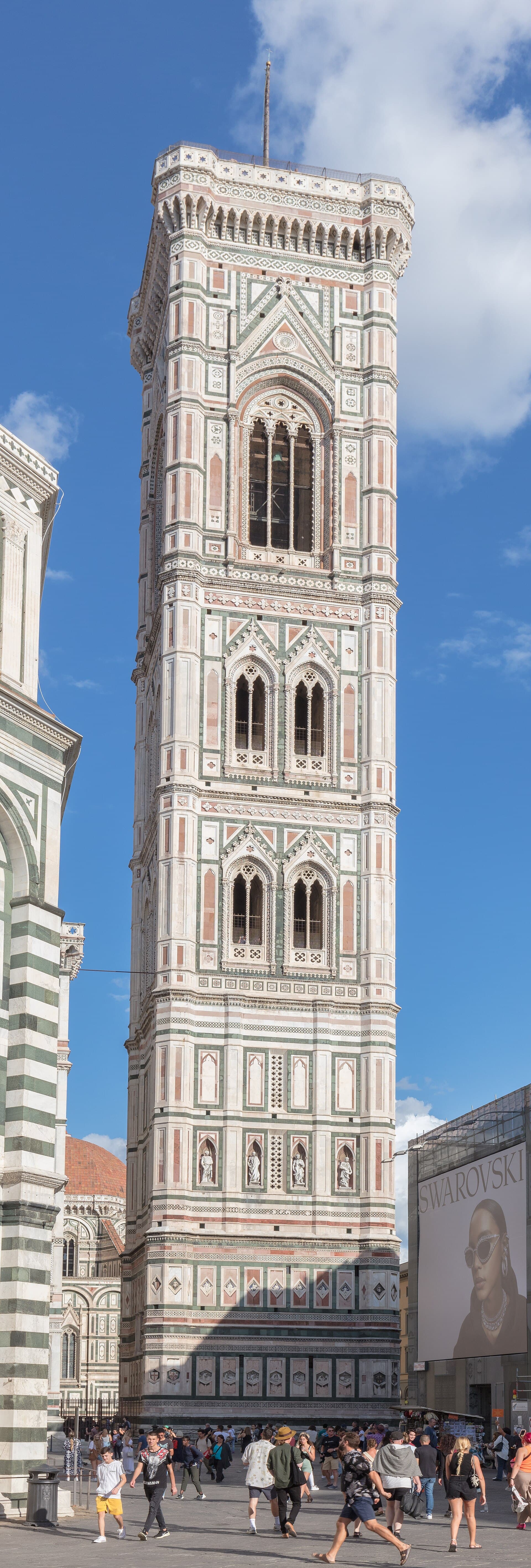 Giotto's CampanileGiotto's Campanile is the cathedral's freestanding bell tower: some eighty-five 4 minutes walk4.9
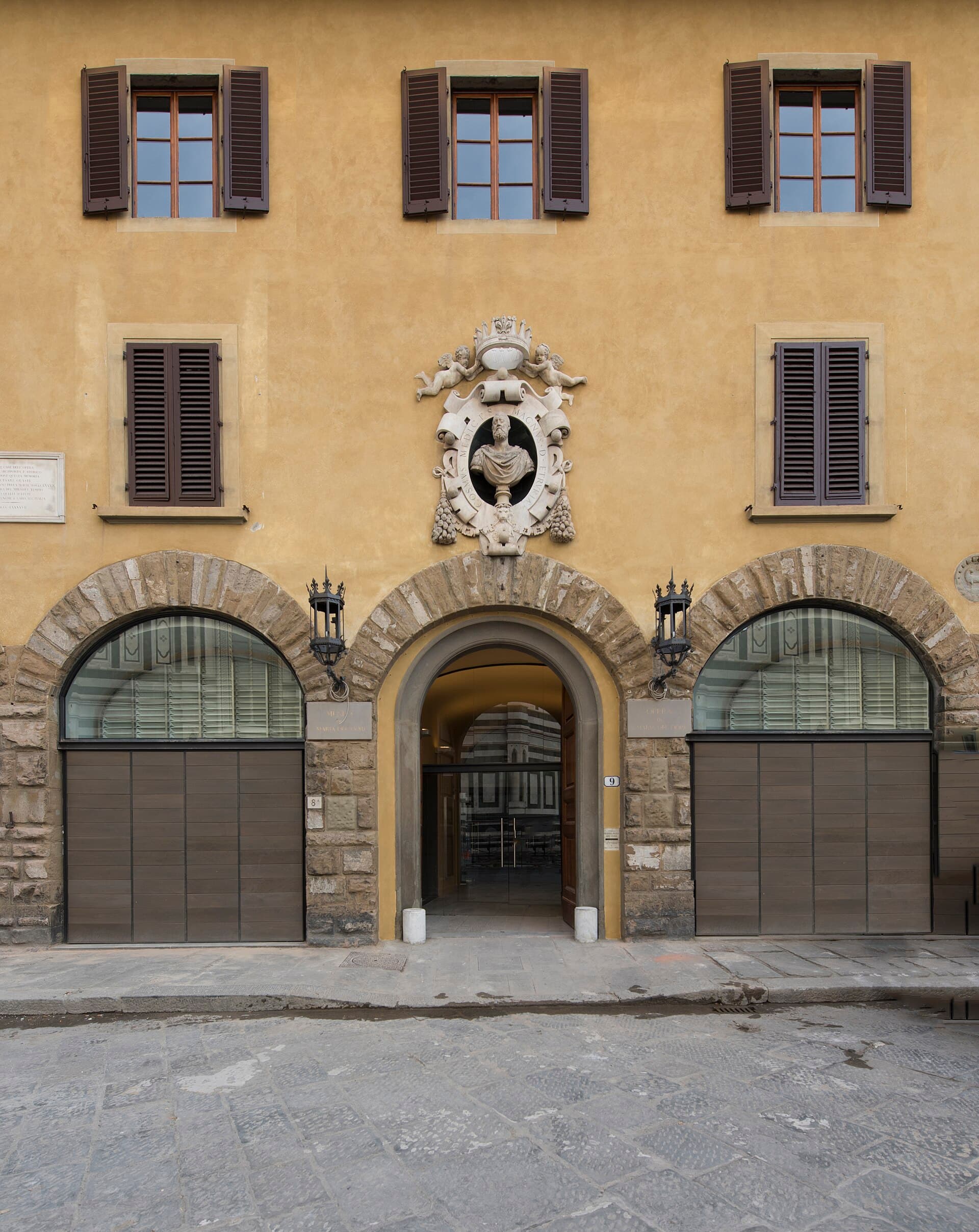 Opera del Duomo MuseumThe Opera museum is the Duomo's treasury: every masterpiece once on the cathedra4 minutes walk4.5
One building, two visits: the church from the front on its ticket; the family mausoleum — marble Chapel of Princes and Michelangelo's room — from the rear on another. Michelangelo-seekers go to the Chapels first; students of Renaissance architecture's birth start here.
A papal competition gave Michelangelo the commission; he spent years in the marble quarries for it — then money and politics killed the contract. His wooden model survives in the Pitti, and the brick stands witness to Florence's greatest unbuilt project.
The leather stalls are tourist-first — fine for gifts with firm haggling (start at half). The real prize neighbours it: the Mercato Centrale, whose upper floor is an excellent Tuscan food hall for a fast, good lunch.