
Kurşunlu complex
A lead-domed mosque of 1525 attributed to Acem Ali, whose complex now holds Turkey's first meerschaum museum, free to enter.
Kadı Kadı — CC BY-SA 2.0 · Canercangul — CC BY-SA 4.0 · Canercangul — CC BY-SA 4.0 · Canercangul — CC BY-SA 4.0
Before Eskişehir became a city of students, trams and riverside cafés, all of it was here: a single hillside of tightly packed Ottoman timber houses, their projecting bay windows (cumba) leaning over cobbled lanes, their facades painted yellow, blue and rose. Odunpazarı, literally 'the firewood market', is the town's original nucleus, and since 2012 it has sat on UNESCO's Tentative List in the same lineage as Safranbolu and Beypazarı. The honest caveat is that not all of it is old. The municipality restored around 300 houses on 30 streets and rebuilt whole rows in concrete to the same pattern, then filled them with its museums: the Wax Museum, the Contemporary Glass Arts Museum and the 'City Museums' complex. You can tell by the too-clean timber and the too-regular bays, but the overall picture is cheerful and true to type, and the side lanes furthest from the main drag are the most genuine and the least crowded. The real historic core is the Kurşunlu complex, finished in 1525 for the vizier Çoban Mustafa Paşa and attributed to Acem Ali, chief architect before Sinan. Its lead-domed mosque is open for prayer; one of its buildings has housed, since 2008, Turkey's first museum of meerschaum, the soft white stone carved into Eskişehir's famous pipes, and entry is free; another wing holds the municipal hot-glass workshop, where you can watch the glass-blowers without a ticket. A few steps away rises OMM, Kengo Kuma's modern-art museum, a stack of interlocking timber boxes that reads like the Ottoman houses reimagined. Wandering is free at any hour and the district is compact: half a day covers it with a museum or two, and Friday and Saturday evenings are the crush, when the whole city comes up for coffee. The slopes are short but the cobbles are cruel to pushchairs, so bring a carrier for toddlers. From the riverside centre it is a ten-minute uphill walk or a stop or two on the tram. It is not a reason to come to Eskişehir on its own, but it is the best thing in town if you are passing between Istanbul and Ankara.
A lead-domed mosque of 1525 attributed to Acem Ali, whose complex now holds Turkey's first meerschaum museum, free to enter.
Kengo Kuma's stack of interlocking timber boxes echoes the Ottoman houses next door and is worth entering for the building alone.
Two streets off the main drag you find the unrestored originals and the quiet the centre of the district lacks.
Paşa Mahallesi, Odunpazarı, Eskişehir
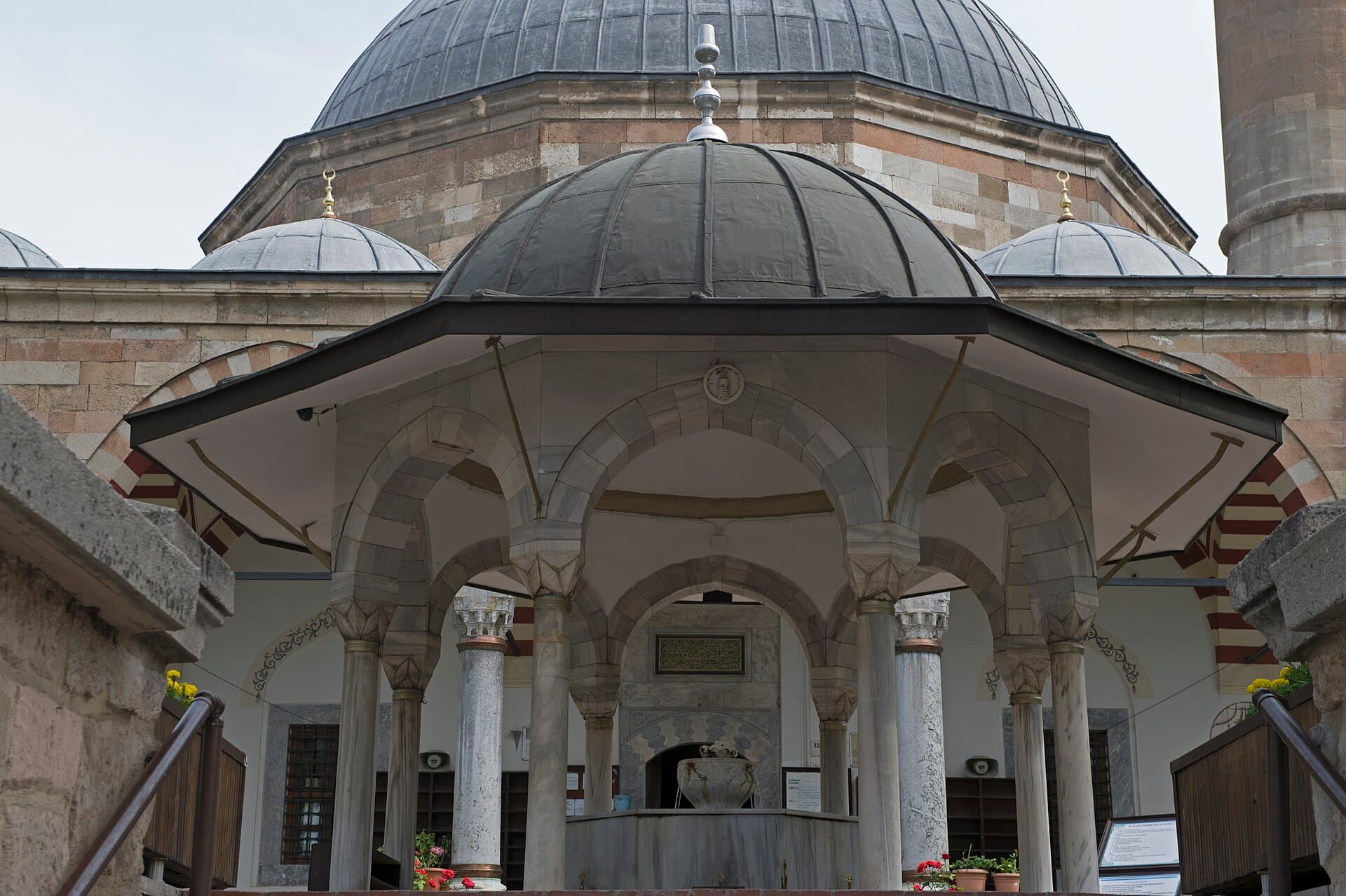 Kurşunlu Mosque and ComplexEskişehir is a city of universities, trams and cafés, and it has strikingly litt1 minute walk4.8
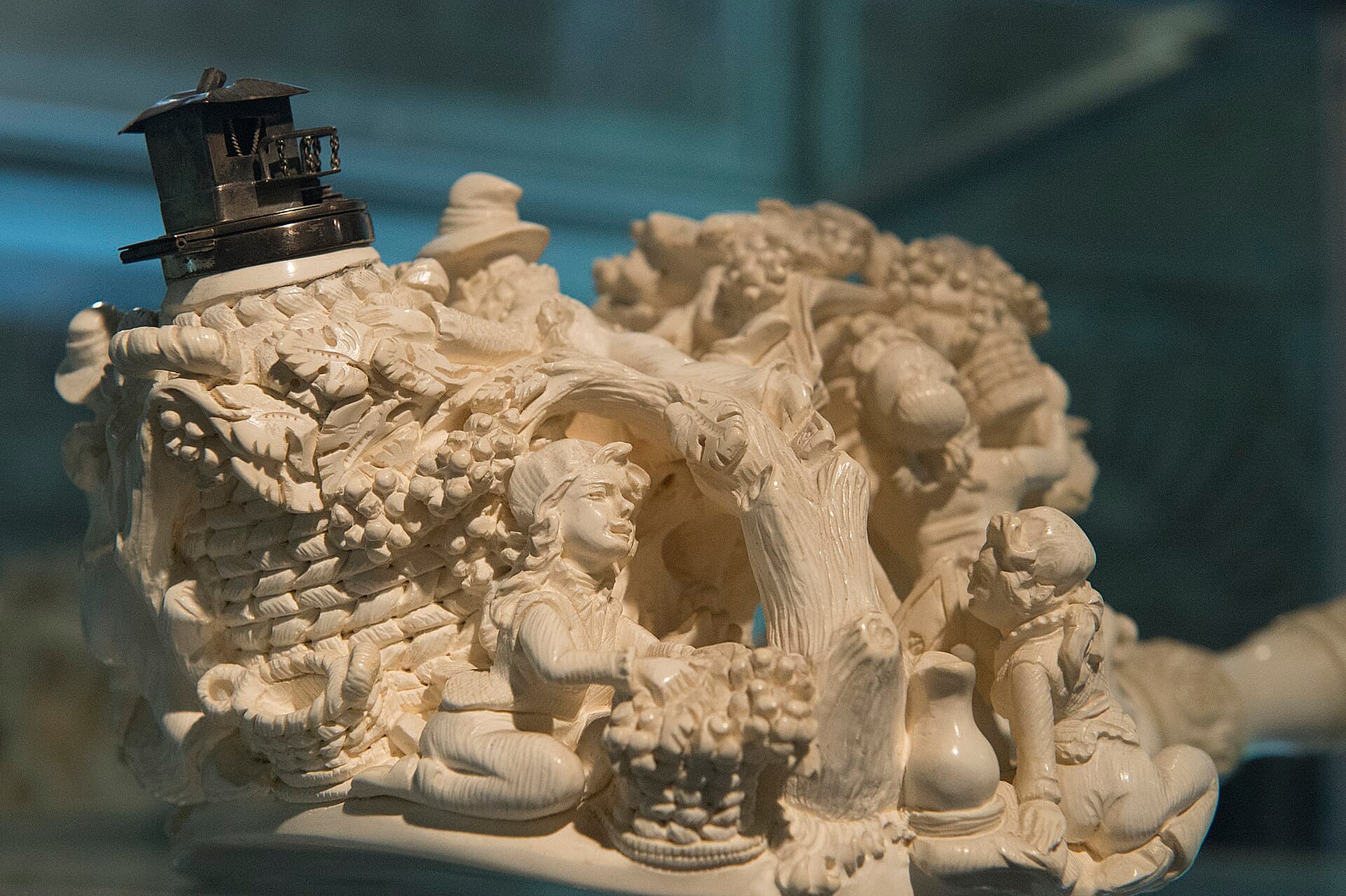 Eskişehir Meerschaum MuseumA soft white stone that comes out of the ground in high-grade blocks almost nowh2 minutes walk4.3
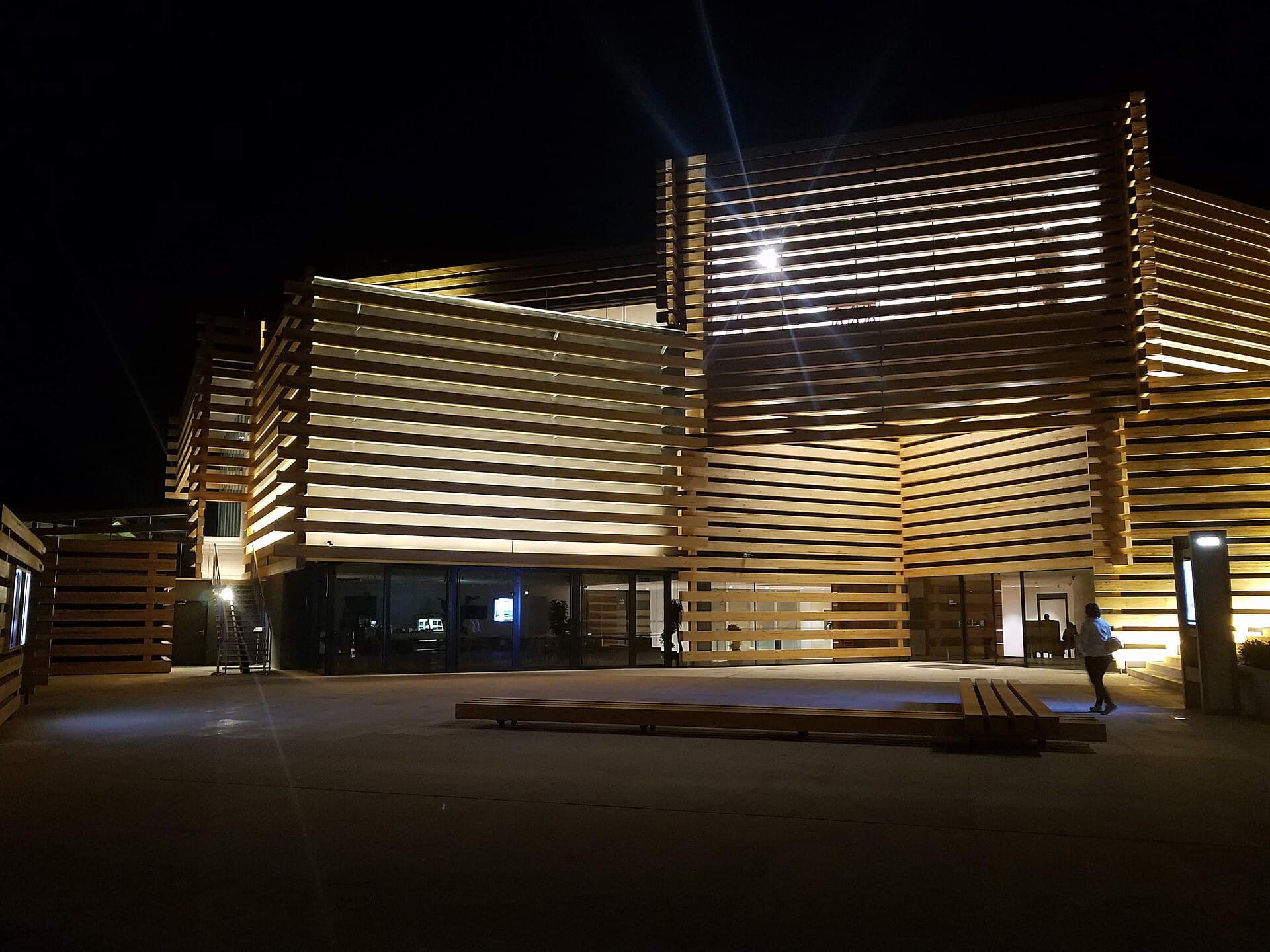 Odunpazarı Modern Museum (OMM)Odunpazarı means 'wood market', and when the Japanese architect Kengo Kuma was a4 minutes walk4.1
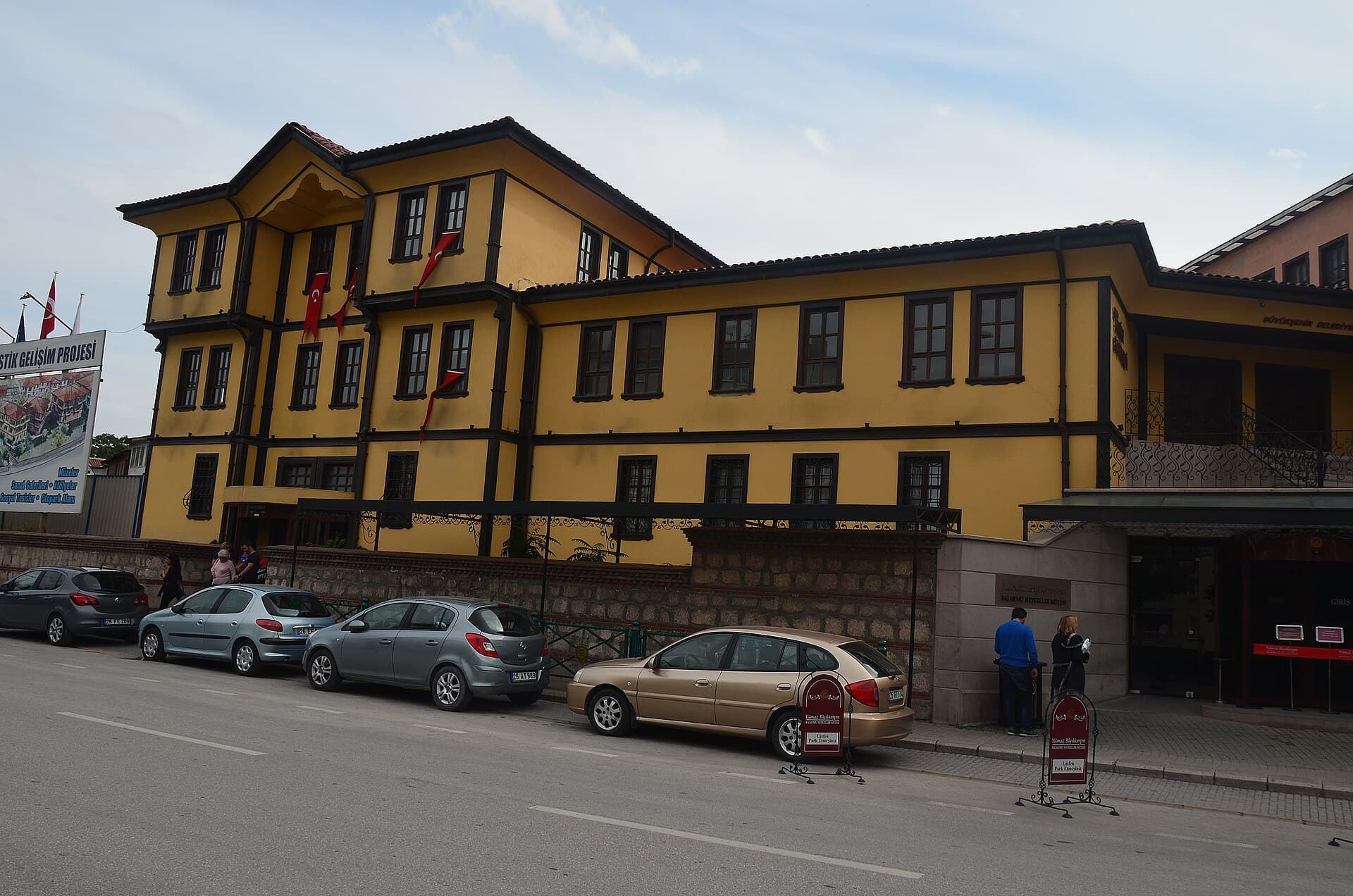 Yılmaz Büyükerşen Wax MuseumSome 229 wax figures by the municipality's count, every one of them sculpted by 4 minutes walk4.5
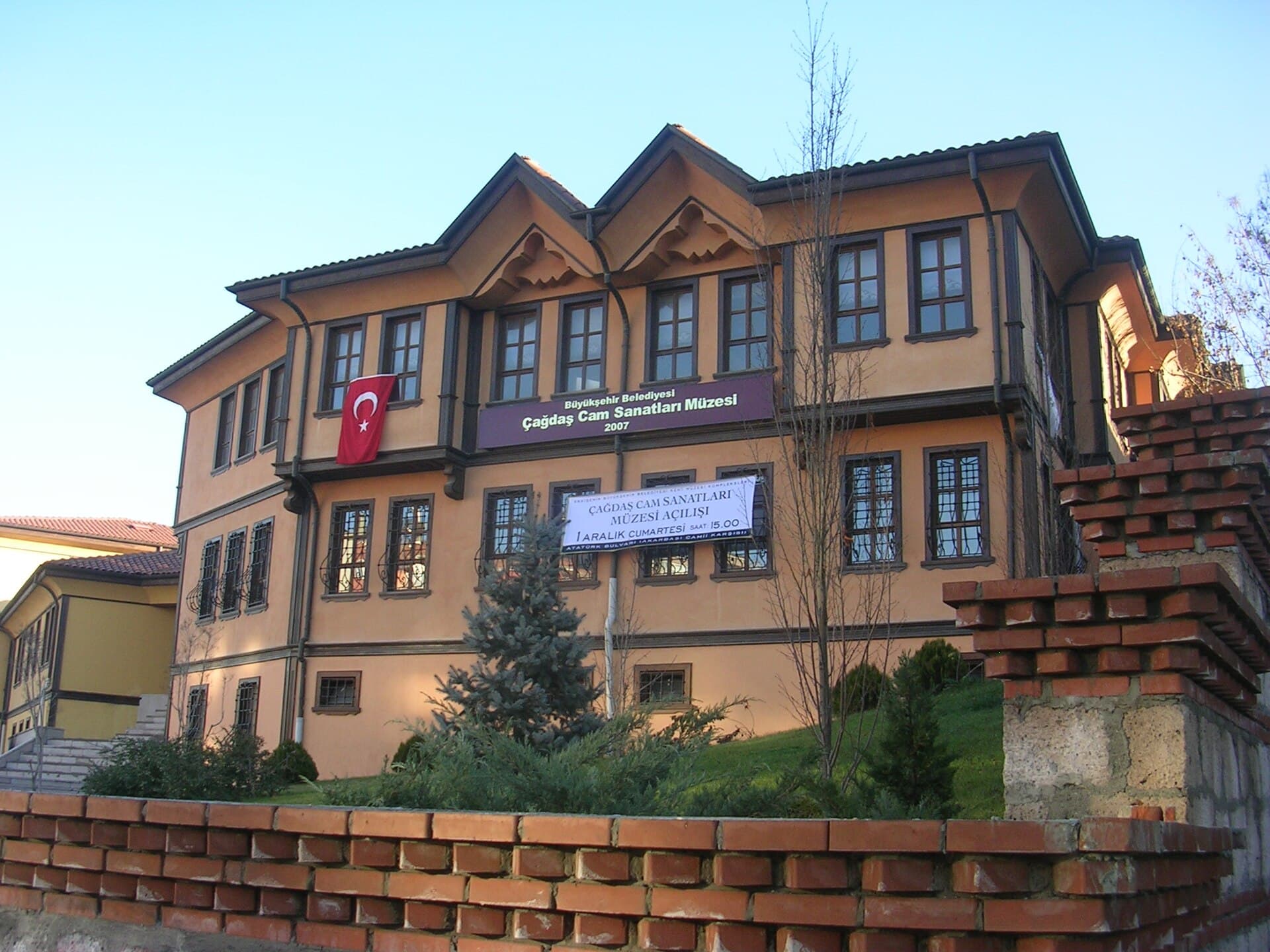 Contemporary Glass Art MuseumA hundred and twenty-five pieces of blown and cold-worked glass fill three rooms5 minutes walk4.4
On its own, no. It is a compact quarter done in half a day, and much of its street front is restored or rebuilt. It does justify a day's stop in Eskişehir if you are on the high-speed train between Istanbul and Ankara, paired with OMM and an evening on the Porsuk riverside.
Family-friendly, yes: distances are short, cafés are everywhere and the Wax Museum amuses children. But cobbles and slopes make a pushchair a burden; a carrier works far better for toddlers.