
The torii gates
Huge wood in the forest.
Mustang Joe — CC0 · Kakidai — CC BY-SA 4.0 · Tissa Florika — CC BY-SA 3.0 · Asanagi — CC0 · Unknown — Public domain · Silex on french wikipedia — CC BY-SA 2.0 fr · Guilhem Vellut from Annecy, France — CC BY 2.0 · pohjolanpoluilla — CC BY-SA 2.0
A Shinto shrine in Shibuya dedicated to Emperor Meiji and his wife, Empress Shōken; it does not hold their graves. Work began in 1915 in a traditional Japanese style using Japanese cypress and copper, and it was formally dedicated on 3 November 1920, built with volunteers and donations from across Japan. The shrine stands in a dense forest of about 70 hectares, with some 120,000 trees of 365 species donated by people from all over the country when it was founded, now a quiet oasis in the heart of the busy city. Visitors walk along wide gravel paths under tall trees, through huge wooden torii gates, to the broad courtyard in front of the main building, where two great trees stand facing each other. Entry is free every day of the year. It opens at sunrise and closes at sunset, so hours change by month, from about 5:00 to 18:30 in summer and 6:40 to 16:00 in winter, according to its official site. The south entrance is near Harajuku Station and Takeshita Street.
Huge wood in the forest.
Calm amid the city.
And its two great trees.
Between Harajuku and Yoyogi, Shibuya ward
 Takeshita Street, HarajukuA narrow pedestrian street in Harajuku, starting opposite Harajuku Station, at t10 minutes walk
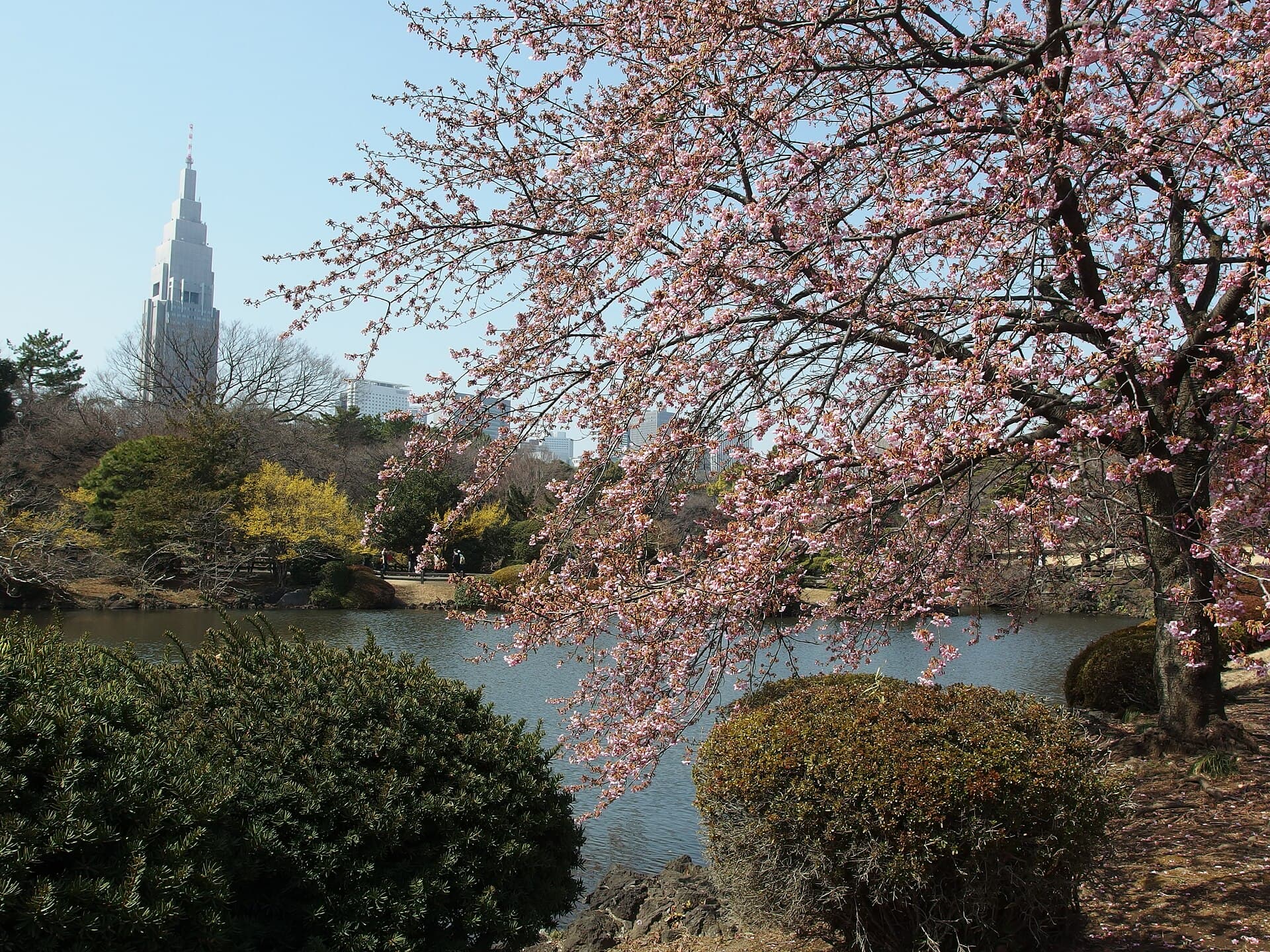 Shinjuku Gyoen National GardenA large public garden between Shinjuku and Shibuya. In the Edo period it was the17 minutes walk4.5
 Shibuya CrossingA famous pedestrian crossing in front of Shibuya Station, described as the busie24 minutes walk4.6
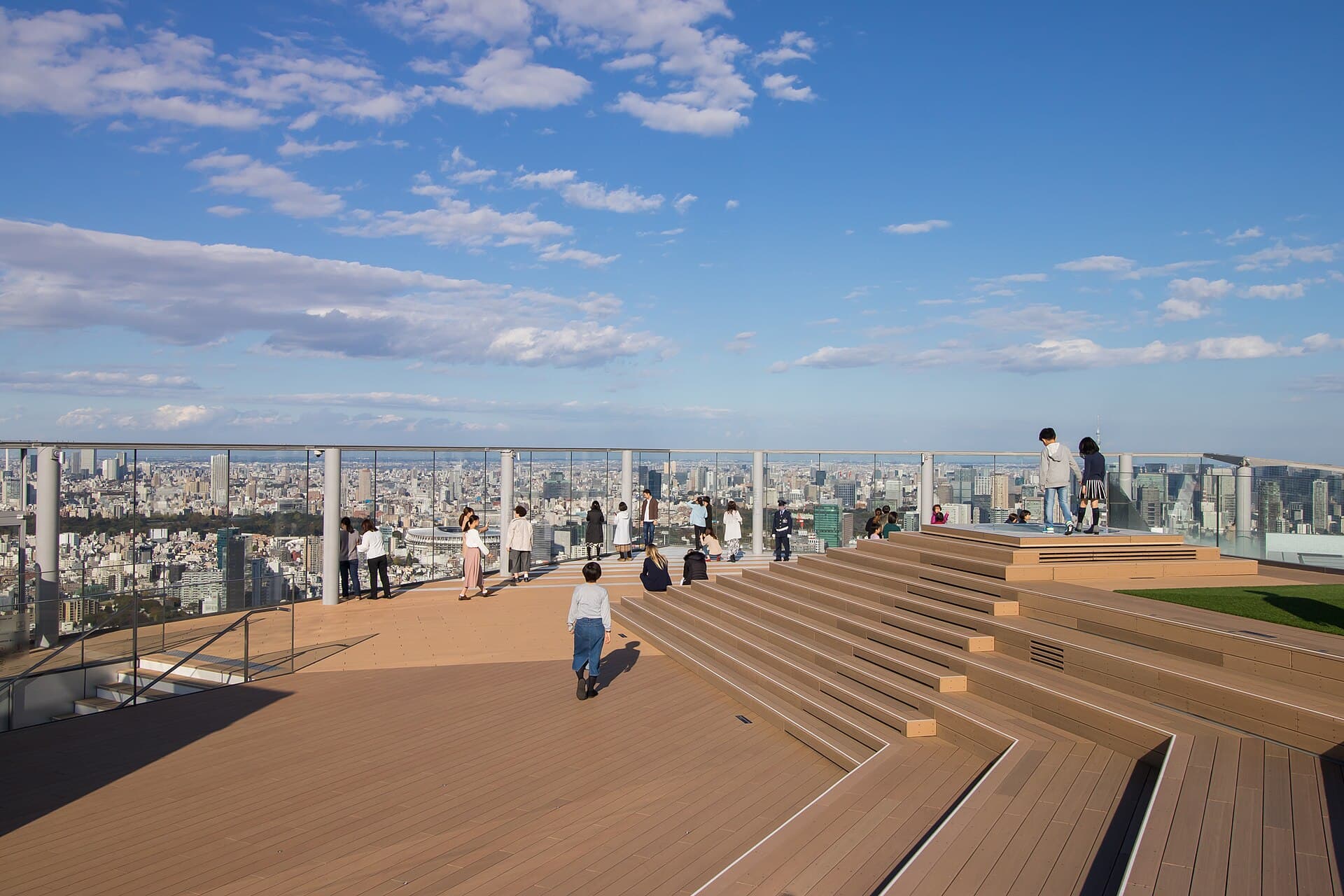 Shibuya SkyAn observation deck on the roof of Shibuya Scramble Square, at about 230 metres 25 minutes walk4.7
It opens at sunrise and closes at sunset, so hours vary by month, from about 5:00 to 18:30 in summer and 6:40 to 16:00 in winter; entry is free, per the official site.